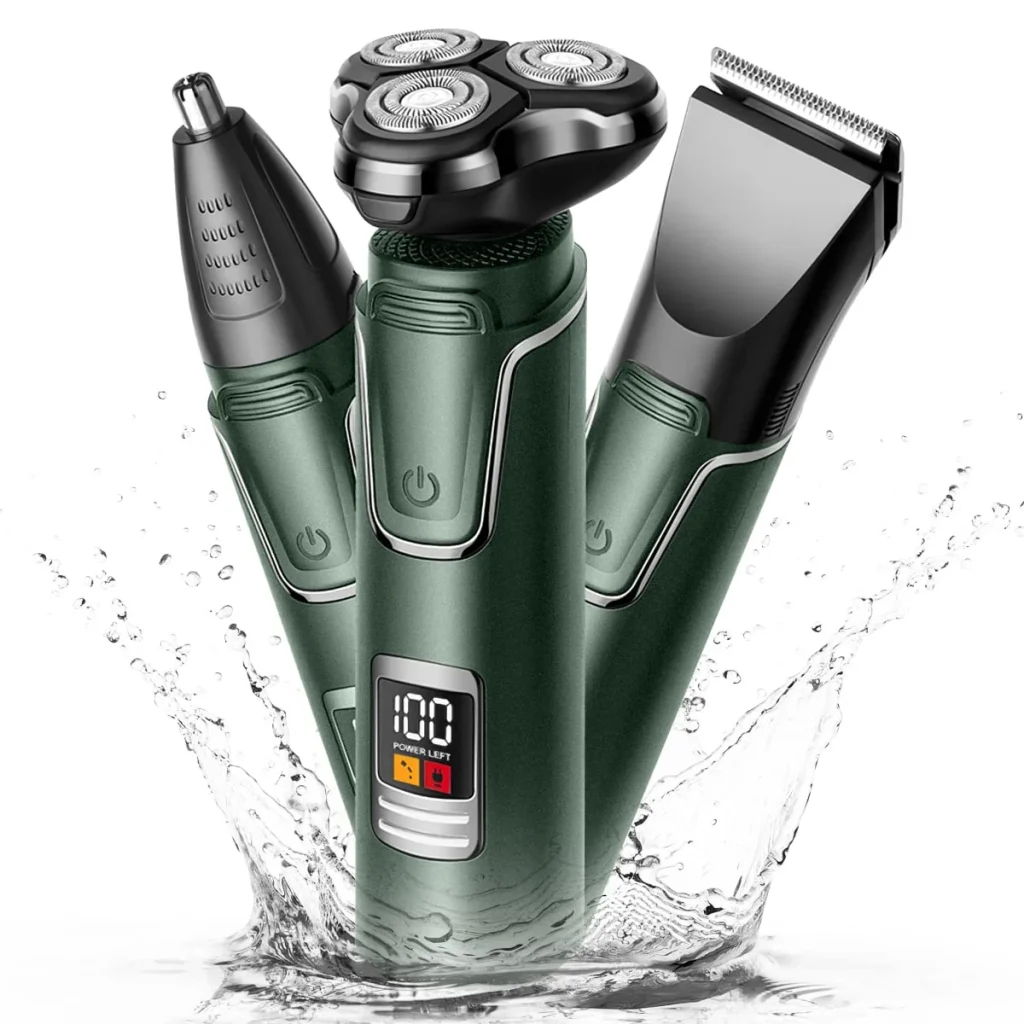
Looking for the perfect grooming razor for men can feel overwhelming. You want a razor that gives you a close, smooth shave without irritating your skin.
But with so many options out there, how do you choose the one that fits your needs? This guide will help you discover exactly what to look for in a grooming razor, so you can keep your face looking sharp and feeling comfortable every day.
Keep reading to find the razor that works best for you and transform your daily routine.

Credit: www.amazon.com
Choosing The Right Razor
Choosing the right razor is key to a smooth and comfortable shave. The perfect razor suits your skin type and shaving style. It helps avoid irritation and cuts. Understanding different razor features makes your choice easier. Focus on the type, blade material, and handle design. Each plays a role in your grooming routine.
Types Of Razors
Razor types vary by design and shaving method. Safety razors have a single blade with a protective guard. They offer a close shave with less skin irritation. Cartridge razors use multiple blades in one head. They are easy to use and great for quick shaves. Straight razors require skill but give precise results. Electric razors work fast and suit sensitive skin. Choose the type that matches your comfort and skill level.
Blade Materials
Blade material affects sharpness and durability. Stainless steel blades resist rust and stay sharp longer. Carbon steel blades are sharp but may need more care. Ceramic blades are gentle on skin and last long. Some blades have coatings like chromium or platinum. These coatings reduce friction and prevent rust. Pick a blade material that fits your shaving needs and maintenance habits.
Handle Designs
Handle design impacts grip and control during shaving. Some handles are slim and lightweight for easy handling. Others have textured grips to prevent slipping. Metal handles offer durability and a premium feel. Plastic handles are affordable and come in many colors. Choose a handle that feels comfortable and steady in your hand.

Credit: www.amazon.com
Preparing Your Skin
Preparing your skin before using a grooming razor is essential to achieve a smooth, comfortable shave and avoid irritation. Taking time to care for your skin not only improves the razor’s performance but also protects your face from cuts and redness. Let’s break down how cleansing, exfoliation, and hydration each play a crucial role in getting your skin ready.
Cleansing Techniques
Start with a gentle cleanser to remove dirt, oil, and impurities that can clog your razor and cause irritation. Use warm water to open your pores and soften your facial hair, making the shave easier. Avoid harsh soaps; instead, choose a facial wash designed for your skin type to keep your skin balanced and fresh.
Have you noticed how shaving over unclean skin often leads to bumps or razor burn? That’s because dirt and oils trap bacteria close to the skin’s surface. A quick cleanse before shaving can make a big difference.
Exfoliation Tips
Exfoliating removes dead skin cells that block your razor and cause uneven shaving. Use a gentle scrub or an exfoliating brush 2-3 times a week to keep your skin smooth. If you have sensitive skin, opt for chemical exfoliants with ingredients like salicylic acid instead of abrasive scrubs.
Think about how your razor glides over smoother skin compared to rough patches. Regular exfoliation helps prevent ingrown hairs and razor bumps by clearing the way for a closer shave. Don’t overdo it—too much exfoliation can irritate your skin and make shaving worse.
Hydration Importance
Hydrating your skin before shaving softens hair and reduces friction, which means less tugging and fewer nicks. Apply a warm, damp towel to your face for a minute or two to boost moisture absorption. Using a quality pre-shave oil or moisturizer can also create a protective barrier, making the razor glide effortlessly.
Have you ever skipped moisturizing and felt your skin tighten or sting afterward? That’s your skin telling you it needs more care. Keeping your skin hydrated not only prepares it for shaving but also speeds up recovery afterward.
Shaving Techniques
Shaving with a grooming razor requires more than just moving the blade across your skin. Proper techniques ensure a smooth, clean shave without irritation or cuts. Understanding the right angle, grip, and direction helps protect your skin and improve results. Pay attention to sensitive areas for a comfortable experience.
Proper Angle And Grip
Hold the razor at about a 30-degree angle to your skin. Too steep or flat can cause cuts or missed hair. Use a light grip to avoid pressing too hard. Let the razor glide gently over your face. Firm but relaxed hands give better control and reduce skin irritation.
Direction Of Shaving
Shave in the direction your hair grows first. This prevents razor burn and ingrown hairs. After the initial pass, you can shave across or against the grain for a closer shave. Always use short, gentle strokes. Rinse the blade often to keep it clean and effective.
Dealing With Sensitive Areas
Areas like the neck and under the nose need extra care. Stretch the skin slightly to create a flat surface. Use shorter strokes and lighter pressure here. Apply more shaving cream or gel to protect the skin. Take your time to avoid nicks and irritation in these spots.
Post-shave Care
Post-shave care is essential to keep your skin healthy after using a grooming razor. It helps avoid common problems like redness, dryness, and razor burn. Taking care of your skin after shaving improves comfort and maintains a fresh look.
Soothing Irritation
Shaving can cause tiny cuts and irritation on your skin. Use a cold compress or splash cold water on your face to calm redness. Applying an aftershave balm with soothing ingredients like aloe vera helps reduce discomfort. Avoid products with alcohol as they can dry out your skin.
Moisturizing Skin
Shaving removes natural oils, leaving skin dry. Use a gentle, fragrance-free moisturizer to keep skin hydrated. Look for moisturizers with ingredients like glycerin or hyaluronic acid. Apply moisturizer immediately after shaving to lock in moisture and soften skin.
Preventing Razor Burn
Razor burn causes redness and bumps on the skin. Prevent it by shaving with a sharp, clean razor blade. Avoid shaving too fast or pressing hard on the skin. After shaving, apply a soothing lotion to calm the skin and reduce inflammation.
Maintaining Your Razor
Keeping your grooming razor in good shape is key for a smooth shave. Regular maintenance helps avoid skin irritation and extends the razor’s life. Simple care routines make a big difference in performance.
Cleaning Methods
Rinse the razor under warm water after every use. This removes hair and cream build-up. Use a soft brush to clean hard-to-reach areas gently. Avoid strong soaps that can damage the blades. Let the razor air dry completely before storing.
Blade Replacement Tips
Change blades regularly to keep shaving smooth and safe. Dull blades cause nicks and redness. Replace the blade after 5-7 shaves or when you feel tugging. Always use blades designed for your razor model. Handle blades carefully to avoid cuts.
Storage Advice
Store the razor in a dry place to prevent rust. Avoid leaving it in the shower or on a wet sink. Use a protective case or stand to keep blades safe. Keep the razor away from children and pets. Proper storage keeps the razor sharp and clean longer.
Grooming Styles To Try
Choosing the right grooming style can completely change your look and boost your confidence. Whether you prefer a sharp, clean finish or a rugged, masculine edge, your grooming razor is your best tool. Let’s look at some styles you can try that suit different personalities and occasions.
Clean Shaven
The clean-shaven look never goes out of style. It gives a polished, fresh appearance that works well for formal events and professional settings.
Using a sharp grooming razor, shave with smooth, short strokes to avoid irritation. Don’t rush—take your time to get every angle, especially around the jawline and neck.
Have you noticed how a clean shave can make your skin feel lighter and more breathable? It’s a simple change that can make a big difference.
Stubble Looks
Stubble adds a bit of rugged charm without looking unkempt. It’s a versatile style that suits casual days and social gatherings.
Trim your beard to a uniform length using your grooming razor’s adjustable guard. Aim for 1-3 mm length to keep it neat but noticeable.
Wondering how to keep stubble looking sharp? Focus on clean edges around your cheeks and neck for a deliberate, styled vibe.
Beard Edging
Beard edging is all about defining your facial hair’s shape. It enhances your natural beard by making lines crisp and tidy.
Use the grooming razor to carefully outline your beard’s edges—along the cheeks, jawline, and neck. Precision matters here, so work in good light and steady your hand.
Ever thought about how a well-edged beard can frame your face? It highlights your features and creates a strong impression.
Common Mistakes To Avoid
Many men make simple mistakes while using grooming razors. These errors cause skin irritation and poor results. Avoiding them ensures a smooth, comfortable shave every time.
Using Dull Blades
Dull blades tug at hair instead of cutting it cleanly. This leads to razor burn and cuts. Always replace blades regularly. A sharp blade makes shaving easier and safer.
Ignoring Skin Preparation
Shaving without prepping skin causes irritation and bumps. Wash your face with warm water to soften hair. Use shaving cream or gel for a smooth glide. Proper prep protects your skin and improves the shave.
Shaving Too Quickly
Rushing leads to missed spots and cuts. Take your time and shave in short, gentle strokes. Slow shaving reduces skin damage. Patience gives a closer, cleaner shave without discomfort.

Credit: www.amazon.com
Frequently Asked Questions
What Is The Best Grooming Razor For Men’s Sensitive Skin?
The best grooming razor for sensitive skin has sharp blades and a moisturizing strip. It reduces irritation and provides a smooth shave. Look for razors labeled for sensitive skin to avoid cuts and razor burn.
How Often Should Men Replace Grooming Razor Blades?
Men should replace razor blades every 5 to 7 shaves. Dull blades cause irritation and uneven cuts. Frequent replacement ensures a close, comfortable shave and maintains skin health.
Can Electric Grooming Razors Replace Traditional Razors?
Electric grooming razors offer convenience and less skin irritation. However, they may not provide as close a shave as traditional razors. Choose based on your skin type and shaving preferences.
What Grooming Razor Features Matter Most For Men?
Important features include sharp, durable blades, ergonomic handles, and moisture strips. These features enhance comfort, reduce skin irritation, and provide a smooth shave. Choose a razor that fits your grooming routine and skin needs.
Conclusion
Choosing the right grooming razor matters for every man. It ensures a smooth, clean shave. Your skin deserves the best care. Always consider blade quality and handle comfort. These features affect your shaving experience. Remember to maintain your razor. It extends the razor’s lifespan and performance.
Investing in a good razor offers benefits. Healthier skin and better grooming results. So, explore options and find your ideal match. Your face will thank you.
