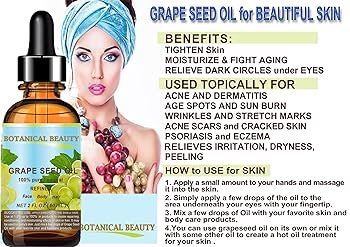
Have you ever wondered if there’s a natural remedy that can transform your skincare routine? Imagine a solution that addresses multiple skin concerns without the hefty price tag.
Grapeseed oil might just be the answer you’ve been seeking. This versatile oil is packed with nutrients and has the potential to revolutionize how you care for your skin. From reducing acne to providing a radiant glow, grapeseed oil has a range of benefits that might surprise you.
Stay with us as we delve into the remarkable uses of grapeseed oil for your skin, and discover how it can become an essential part of your daily regimen.
Benefits For Skin Health
Grapeseed oil offers multiple benefits for your skin health, making it a valuable addition to your skincare routine. Its unique composition supports skin hydration, protection, and repair, helping your skin look and feel its best. Understanding these benefits can help you decide how to use grapeseed oil effectively.
Rich In Antioxidants
Grapeseed oil contains powerful antioxidants like vitamin E and flavonoids. These compounds help protect your skin from damage caused by free radicals, which come from sun exposure and pollution. Using grapeseed oil regularly can help reduce oxidative stress, keeping your skin healthier and more resilient.
Moisturizing Properties
The oil is lightweight and easily absorbed, making it an excellent natural moisturizer. It helps lock in moisture without clogging your pores, which suits all skin types, including oily and combination skin. If you’ve struggled to find a moisturizer that feels light yet effective, grapeseed oil could be the solution.
Anti-aging Effects
Grapeseed oil supports collagen production, which is essential for maintaining skin elasticity and firmness. Applying it daily may help reduce the appearance of fine lines and wrinkles. If you want to keep your skin looking youthful, this oil can be a gentle but effective part of your routine.
Soothing Sensitive Skin
If your skin reacts easily to harsh products, grapeseed oil’s calming nature might help. It contains anti-inflammatory compounds that reduce redness and irritation. Many people with sensitive skin find it soothing and safe to use, even after sun exposure or shaving.
Reducing Acne And Blemishes
Despite being an oil, grapeseed oil can help control acne by balancing oily skin and shrinking enlarged pores. Its antimicrobial properties fight bacteria that cause breakouts. Using it as part of your skincare can reduce blemishes without drying out your skin.
How Grapeseed Oil Nourishes Skin
Grapeseed oil offers gentle yet deep nourishment for the skin. It contains vital nutrients that support skin health and appearance. Lightweight and rich in antioxidants, this oil suits many skin types. It helps maintain moisture balance and protects the skin barrier.
Penetration And Absorption
Grapeseed oil absorbs quickly into the skin without leaving a greasy feel. Its small molecules allow deep penetration into pores and skin layers. This helps deliver nutrients directly where the skin needs them. The oil’s lightweight texture makes it ideal for daily use. It nourishes without clogging pores or causing breakouts.
Balancing Oily Skin
Despite being an oil, grapeseed oil helps control excess sebum. It regulates oil production to prevent shiny, greasy skin. The oil’s astringent properties tighten pores and reduce inflammation. It soothes acne-prone and oily skin types gently. Regular use can improve skin clarity and calm irritation.
Enhancing Skin Elasticity
Grapeseed oil contains vitamin E and linoleic acid, which boost skin elasticity. These nutrients support collagen production and skin repair. The oil helps skin stay firm and smooth as it ages. It reduces the appearance of fine lines and wrinkles. Using grapeseed oil keeps skin supple and youthful-looking.
Diy Grapeseed Oil Recipes
Grapeseed oil is a versatile and gentle ingredient perfect for creating your own skin care products at home. Its light texture and nourishing properties make it an excellent base for various DIY recipes. Here are some simple, effective ways to use grapeseed oil that you can easily make yourself.
Homemade Facial Serum
Mix grapeseed oil with a few drops of your favorite essential oils like lavender or tea tree for a calming facial serum. This blend absorbs quickly and helps balance your skin’s natural oils without clogging pores. Do you notice how your skin feels smoother and more radiant after just a few uses?
Moisturizing Body Lotion
Combine grapeseed oil with aloe vera gel and a touch of shea butter to create a lightweight body lotion. This mixture hydrates your skin deeply while leaving no greasy residue behind. Try this on dry areas like elbows and knees to feel the difference immediately.
Gentle Makeup Remover
Use pure grapeseed oil on a cotton pad to gently dissolve makeup, even stubborn waterproof formulas. Its mild nature means it won’t irritate your eyes or skin, making it perfect for sensitive areas. Have you ever experienced how oil-based removers can clean without harsh rubbing?
Exfoliating Scrub Mix
Combine grapeseed oil with sugar or coffee grounds for a natural exfoliating scrub. This mix removes dead skin cells while moisturizing, leaving your skin soft and glowing. What if your scrub could nourish your skin instead of drying it out?

Credit: www.amazon.com
Tips For Safe Use
Using grapeseed oil on your skin can be a fantastic addition to your skincare routine, but safety should always come first. Knowing how to properly test, choose, and store the oil ensures you get the best results without any unwanted reactions. Here are some practical tips to help you use grapeseed oil safely and effectively.
Patch Testing For Allergies
Before applying grapeseed oil all over your face or body, test it on a small skin area. Dab a small amount on your inner wrist or behind your ear and wait 24 hours to see if any redness, itching, or irritation occurs.
If you notice any discomfort, stop using the oil immediately. This simple step can save you from a lot of skin trouble later on.
Choosing Quality Grapeseed Oil
Not all grapeseed oils are created equal. Look for cold-pressed, unrefined oils labeled as 100% pure to ensure you’re getting a product rich in nutrients.
Check the ingredient list carefully and avoid oils with added fragrances or chemicals. I once bought a cheap grapeseed oil that caused breakouts because it was mixed with synthetic ingredients—quality matters more than price here.
Storage And Shelf Life
Grapeseed oil can go rancid if not stored properly. Keep it in a cool, dark place away from sunlight and heat to maintain its freshness.
Use it within 6 to 12 months of opening, and always check for any off smells or changes in color before applying. Have you ever used oil that smelled funny? That’s a clear sign it’s time to toss it out.
Combining Grapeseed Oil With Other Ingredients
Combining grapeseed oil with other natural ingredients can enhance its benefits for your skin. Mixing it with essential oils, carrier oils, or natural butters creates unique blends. These blends offer more hydration, nourishment, and protection. Each combination targets different skin needs.
Mixing With Essential Oils
Grapeseed oil acts as a perfect base for essential oils. Essential oils like lavender, tea tree, or rose add soothing and healing properties. Always dilute essential oils before applying to the skin. A few drops mixed into grapeseed oil balance potency and safety. This blend helps with acne, dryness, or inflammation.
Blending With Carrier Oils
Combining grapeseed oil with other carrier oils creates a richer texture. Oils like jojoba, almond, or coconut add extra moisture. Each carrier oil offers unique vitamins and fatty acids. Mixing them allows customized skincare for oily, dry, or sensitive skin types. Use blends for massages, moisturizers, or serums.
Using With Natural Butters
Natural butters like shea or cocoa butter add thickness to grapeseed oil. This combination creates creamy balms and body butters. Butters provide deep hydration and skin barrier support. Mix melted butter with grapeseed oil for easy application. Perfect for dry, rough, or aging skin areas.

Credit: www.amazon.ca

Credit: www.amazon.ca
Frequently Asked Questions
What Are The Main Benefits Of Grapeseed Oil For Skin?
Grapeseed oil deeply moisturizes and nourishes the skin. It helps reduce inflammation, tightens pores, and improves skin elasticity. Rich in antioxidants, it fights free radicals and promotes a healthy, glowing complexion. It’s suitable for all skin types, especially oily and acne-prone skin.
How To Use Grapeseed Oil For Facial Care?
Apply a few drops of grapeseed oil on clean, damp skin. Gently massage it in circular motions until absorbed. Use it as a daily moisturizer or as a makeup remover. It can also be mixed with your favorite cream or serum for added hydration.
Can Grapeseed Oil Help With Acne And Scars?
Yes, grapeseed oil has anti-inflammatory and antimicrobial properties. It helps reduce acne breakouts and prevents future blemishes. The oil also promotes skin healing and lightens scars over time. Its non-comedogenic nature means it won’t clog pores or worsen acne.
Is Grapeseed Oil Safe For Sensitive Skin?
Grapeseed oil is gentle and generally safe for sensitive skin. It soothes irritation and reduces redness without causing allergic reactions. Always perform a patch test before full use to ensure no sensitivity. Its lightweight texture makes it ideal for delicate skin care.
Conclusion
Grapeseed oil offers many benefits for healthy skin. It moisturizes without feeling heavy or greasy. The oil helps reduce fine lines and keeps skin soft. Rich in antioxidants, it protects skin from damage. Many people find it gentle and suitable for daily use.
Try adding grapeseed oil to your skincare routine. See how it supports glowing, smooth skin naturally. Simple, natural care can make a big difference. Give your skin the gentle touch it deserves.
