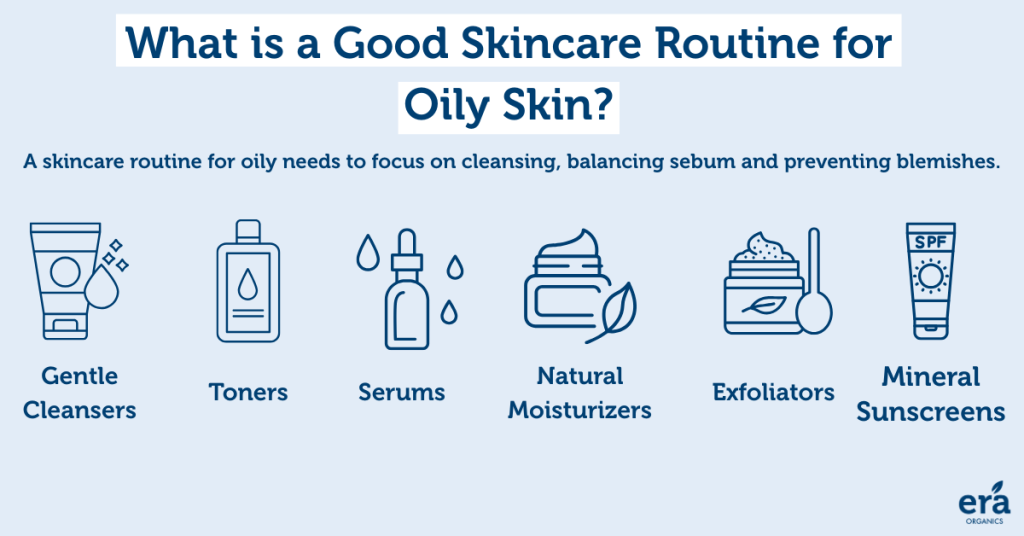
Are you tired of dealing with shiny skin and constant breakouts? If you’re nodding your head, you’re not alone.
Managing oily skin can feel like an endless battle, but it doesn’t have to be. Imagine waking up to a face that feels fresh, balanced, and free from that unwanted slick. Sounds like a dream, right? The secret lies in adopting a good skincare routine tailored just for you.
In this guide, you’ll discover simple yet effective steps to keep your oily skin under control. We’ll show you how to choose the right products, the importance of consistency, and why understanding your skin’s needs is crucial. Say goodbye to frustration and hello to confidence as you embrace a skincare routine that truly works. Ready to transform your skin game? Let’s dive in and unveil the secrets to a shine-free, healthy complexion.

Credit: www.reddit.com
Causes Of Oily Skin
Oily skin can be frustrating to manage, especially when excess shine and clogged pores interfere with your confidence. Understanding the causes behind oily skin helps you tailor a skincare routine that truly works. Let’s look at the main factors that make your skin produce more oil than needed.
Hormonal Influences
Your hormones play a big role in how oily your skin gets. During puberty, pregnancy, or menstrual cycles, hormone levels fluctuate and often trigger more oil production. Have you noticed your skin feels greasier right before your period? That’s your hormones signaling your oil glands to work overtime.
Stress also impacts hormone levels, increasing oil output. Managing stress can make a surprising difference in controlling oily skin. Think about moments when you felt stressed—did your skin suddenly feel oilier?
Genetic Factors
Oily skin often runs in families. If your parents have oily skin, chances are you might too. Your genes determine how active your sebaceous glands are and how much oil they produce daily.
Genetics sets the baseline, but it doesn’t mean you’re stuck with oily skin forever. You can still improve your skin’s condition by choosing the right products and habits. Have you ever wondered why some family members struggle with shine while others don’t?
Environmental Triggers
Your surroundings can increase oil production more than you realize. Hot and humid weather makes your skin sweat and produce more oil to cool down. Pollution and dirt clog pores, prompting your skin to create excess oil to protect itself.
Even indoor environments with dry air can cause your skin to overcompensate by producing more oil. Pay attention to how your skin reacts to different places and seasons—you might find clues to adjust your routine accordingly.
Choosing The Right Cleanser
Choosing the right cleanser is the foundation of any effective skincare routine, especially if you have oily skin. The cleanser you pick can either balance your skin’s oil production or make it worse. Understanding the types of cleansers and their ingredients will help you make a smart choice that leaves your skin fresh without stripping it.
Foaming Cleansers
Foaming cleansers work well for oily skin because they help remove excess oil and impurities from your face. They create a rich lather that feels refreshing and clean. However, not all foaming cleansers are equal—some can dry out your skin if they contain strong detergents.
Look for foaming cleansers labeled “gentle” or “for oily skin” to avoid irritation. If your skin feels tight or flaky after washing, try a different formula that balances oil control and hydration better.
Gel-based Options
Gel-based cleansers offer a lightweight feel and often contain soothing ingredients like aloe vera or chamomile. These are excellent if you want to reduce shine without clogging pores. The gel texture spreads easily and rinses off cleanly, making your skin feel calm and refreshed.
Many people with oily skin notice less breakouts and irritation using gel cleansers compared to cream-based ones. Have you tried switching to gel to see if your skin reacts more positively?
Avoiding Harsh Ingredients
Harsh ingredients like alcohol, sulfates, and heavy fragrances can strip your skin’s natural oils and trigger more oil production. This causes a cycle of dryness followed by excess oil, which you want to avoid.
Check the label for terms like “sodium lauryl sulfate” or “denatured alcohol.” Instead, choose cleansers with ingredients like salicylic acid or tea tree oil that target oil and acne without damaging your skin barrier.
Have you ever noticed your skin reacting badly right after cleansing? It might be time to review the ingredients list closely and switch to a gentler formula.
Effective Exfoliation Techniques
Exfoliation plays a crucial role in managing oily skin. It helps remove dead skin cells that clog pores and cause breakouts. But the key is choosing the right technique that suits your skin without causing irritation or excess oil production.
Chemical Exfoliants
Chemical exfoliants use acids or enzymes to dissolve dead skin gently. Common ingredients include salicylic acid (BHA), glycolic acid (AHA), and lactic acid. Salicylic acid is especially effective for oily skin because it penetrates pores and clears out excess oil.
I once switched to a salicylic acid serum and noticed fewer blackheads and less shine after a few weeks. Always start with a lower concentration to see how your skin reacts and avoid over-exfoliation.
Physical Exfoliants
Physical exfoliants rely on scrubbing with small particles or brushes to remove dead skin. Options include gentle scrubs with ingredients like jojoba beads or soft cleansing brushes. Be cautious: harsh scrubs can cause micro-tears and worsen oiliness.
If you prefer physical exfoliation, pick products labeled “gentle” and avoid anything too abrasive. Try using it sparingly and observe how your skin responds.
Frequency Tips
- Exfoliate 2-3 times a week to avoid stripping your skin’s natural oils.
- On days you exfoliate, skip other strong treatments like retinoids to prevent irritation.
- Pay attention to how your skin feels—if it gets red or overly dry, reduce the frequency.
Are you listening to your skin’s signals or sticking to a routine out of habit? Adjusting exfoliation frequency based on your skin’s needs can make a big difference in controlling oil and maintaining balance.

Credit: www.youtube.com
Best Toners For Oily Skin
Toners can be a game-changer for managing oily skin, but choosing the right one is crucial. The best toners help balance oil production without stripping your skin, leaving it refreshed and ready for the next steps. Knowing what to look for and how to apply it makes all the difference in keeping your skin clear and shine-free.
Alcohol-free Formulas
Alcohol-based toners often dry out your skin, causing it to produce even more oil as a defense. Choosing alcohol-free formulas helps maintain your skin’s natural moisture balance. These toners soothe your skin instead of irritating it, which can reduce redness and breakouts.
I once switched from an alcohol toner to a gentle, alcohol-free one and noticed less dryness and fewer oil flare-ups within days. You don’t have to sacrifice cleanliness for comfort—look for toners labeled “alcohol-free” and avoid ingredients like denatured alcohol or ethanol.
Ingredients To Look For
Effective toners for oily skin include ingredients that control oil while calming inflammation. Witch hazel is a popular choice because it tightens pores without harshness. Salicylic acid gently exfoliates, helping to clear clogged pores and reduce acne.
Niacinamide is another powerful ingredient that regulates oil and improves skin texture. Green tea extracts provide antioxidants that protect your skin from damage. When shopping, check the label for these ingredients to make sure your toner supports your skin’s needs.
Application Methods
How you apply your toner impacts its effectiveness. Use a cotton pad to swipe toner gently across your face, focusing on oily areas like the forehead, nose, and chin. Avoid rubbing harshly; a light touch is enough to remove impurities and balance oil.
You can also pour a few drops into your hands and press the toner into your skin for a more hydrating approach. Applying toner twice a day—morning and night—helps maintain consistent oil control. Have you tried different application methods to see which suits your skin best?
Moisturizing Without The Grease
Moisturizing oily skin can feel like a tricky balance. You want to keep your skin hydrated without adding extra shine or heaviness. The right moisturizer can soothe your skin and control oil, helping you maintain a fresh, matte look throughout the day.
Lightweight Moisturizers
Heavy creams often make oily skin feel greasy. Instead, choose lightweight moisturizers that absorb quickly and leave no residue. These products hydrate your skin without clogging pores or making your face feel heavy.
Look for labels that say “non-comedogenic” or “lightweight.” I once switched to a lightweight formula and noticed my skin felt refreshed, not weighed down. Have you ever felt like your moisturizer was causing more oiliness? This could be why.
Oil-free Products
Oil-free moisturizers avoid adding extra oil to your skin, which is perfect for oily types. They provide hydration while controlling shine and preventing breakouts. Many of these products contain ingredients like hyaluronic acid that attract moisture without greasiness.
Try oil-free options if your skin tends to get shiny by midday. You might find your makeup lasts longer and your skin stays comfortable. What if your current moisturizer is the reason for your midday oiliness?
Gel-based Hydration
Gel-based moisturizers offer a refreshing, cooling effect that oily skin loves. They hydrate without feeling thick or sticky, making them ideal for warmer climates or humid days. Gels often absorb faster than creams, leaving a smooth, matte finish.
When I switched to a gel moisturizer, my skin felt instantly lighter and less oily. Many gels include soothing ingredients like aloe vera, which calm irritation. Could your skin benefit from this kind of hydration instead of traditional creams?
Sun Protection Strategies
Protecting oily skin from the sun is crucial. Sun exposure can worsen oiliness and cause breakouts. It may also lead to dark spots and early wrinkles. Choosing the right sun protection helps keep skin clear and healthy. The right sunscreen controls shine and avoids clogging pores. Consistent use builds a strong defense against harmful UV rays.
Non-comedogenic Sunscreens
Non-comedogenic sunscreens do not block pores. This type suits oily and acne-prone skin well. Look for labels that say “oil-free” or “non-comedogenic.” These products reduce the chance of breakouts. Ingredients like zinc oxide or titanium dioxide offer gentle protection. Avoid heavy creams that feel greasy or thick.
Matte Finish Options
Matte sunscreens reduce shine and give a smooth look. They absorb excess oil during the day. Many use silica or clay to achieve a matte effect. These formulas keep skin feeling fresh and dry. Choose lightweight gels or lotions with a matte finish. They work well under makeup or alone.
Daily Application Tips
- Apply sunscreen every morning, even on cloudy days.
- Use a pea-sized amount for the face.
- Pat gently to avoid rubbing off makeup.
- Reapply every two hours if outdoors or sweating.
- Use a separate sunscreen for the body.
- Don’t forget ears, neck, and hairline.
Targeted Treatments For Shine Control
Controlling shine is a key part of managing oily skin effectively. Targeted treatments help absorb excess oil and keep your face looking fresh. These products work quickly to reduce greasiness and provide a matte finish. Incorporating them into your routine can balance oil production throughout the day.
Clay Masks
Clay masks draw out impurities and absorb excess oil from pores. They create a deep cleansing effect without drying the skin. Use a clay mask once or twice a week for best results. Ingredients like bentonite or kaolin clay help reduce shine and calm inflammation.
Oil-absorbing Sheets
Oil-absorbing sheets offer quick relief from midday shine. They lift oil off the skin without disturbing makeup. Carry them in your bag for easy use anytime. Press gently on oily areas like the forehead, nose, and chin to remove shine instantly.
Mattifying Primers
Mattifying primers create a smooth, shine-free base for makeup. They control oil and help makeup stay put longer. Apply a thin layer before foundation to reduce greasiness. Many primers also minimize the look of pores for a flawless finish.
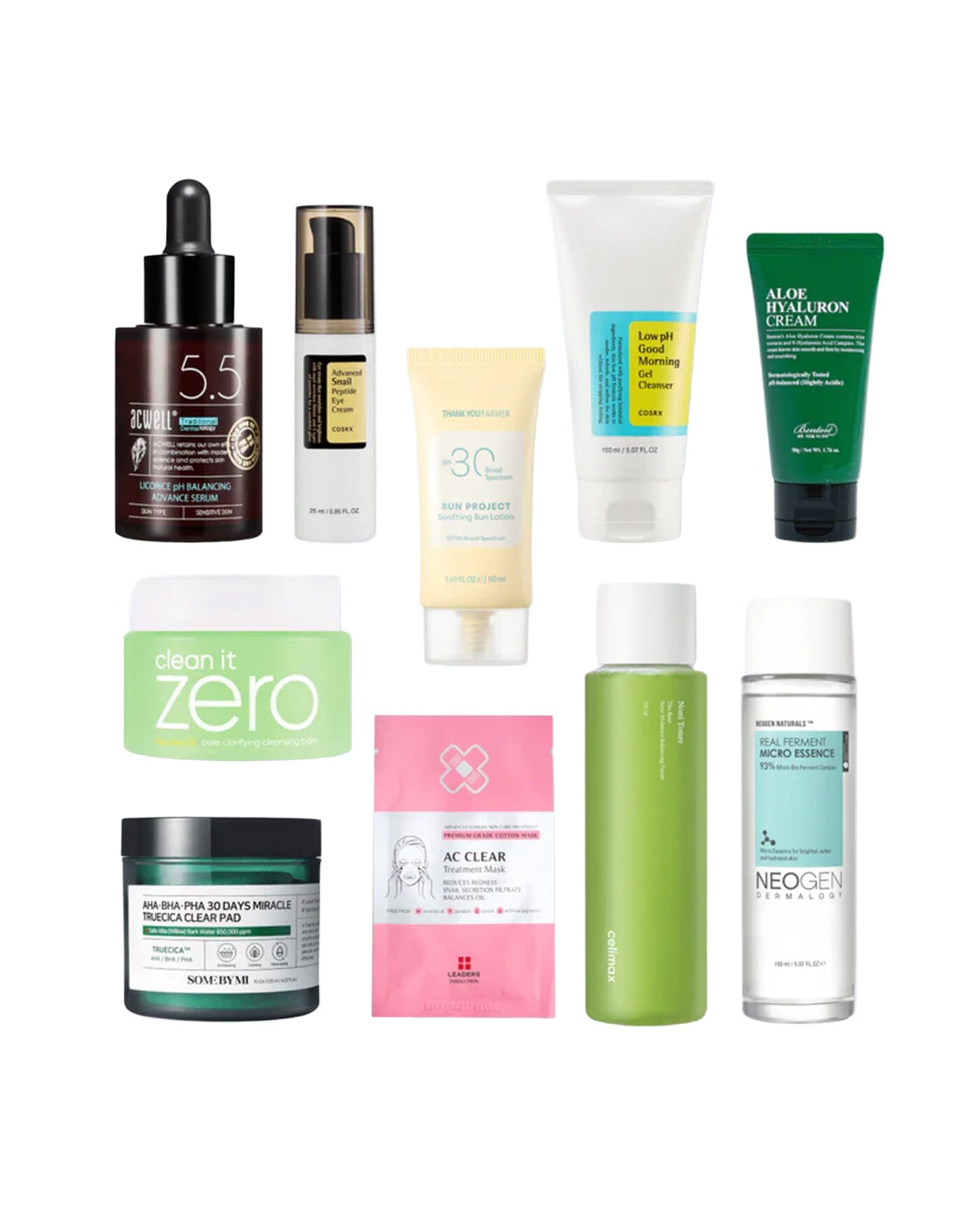
Credit: sokoglam.com
Lifestyle Habits For Balanced Skin
Balanced skin needs more than just the right products. Daily habits play a big role in managing oily skin. Healthy choices support skin from inside out. Simple changes improve your skin’s natural glow and reduce excess oil.
Dietary Choices
What you eat affects your skin’s oil levels. Choose foods low in sugar and unhealthy fats. Fresh vegetables, fruits, and whole grains help control shine. Foods rich in omega-3, like fish and nuts, calm inflammation. Avoid greasy and fried foods that can worsen oiliness.
Hydration Importance
Water keeps skin balanced and less oily. Drink enough water daily to flush out toxins. Proper hydration prevents skin from overproducing oil. Carry a water bottle to remind yourself to drink. Herbal teas also hydrate without added sugar.
Stress Management
Stress triggers oil glands to produce more sebum. Find ways to relax and reduce daily stress. Try deep breathing, meditation, or light exercise. Good sleep supports skin repair and lowers stress effects. Calm mind, calm skin—simple as that.
Common Mistakes To Avoid
Understanding common mistakes in your skincare routine can save you from frustrating breakouts and excess oil. Many people with oily skin unknowingly harm their skin by following habits that seem helpful but actually worsen the problem. Let’s look at some key mistakes to avoid to keep your skin balanced and healthy.
Over-washing
It might seem logical to wash your face multiple times a day to control oil, but over-washing strips your skin of natural oils. This triggers your skin to produce even more oil, making the problem worse. Try washing your face only twice a day with a gentle cleanser designed for oily skin.
Ask yourself: Are you washing your face out of habit or because your skin truly needs it? Pay attention to how your skin feels and adjust accordingly.
Heavy Makeup Use
Using heavy, oil-based makeup can clog your pores and increase shine throughout the day. If you love makeup, choose products labeled non-comedogenic or oil-free to prevent breakouts. Also, make sure to remove all makeup thoroughly before bed to let your skin breathe overnight.
Think about the last time you woke up with irritated or oily skin—was heavy makeup part of your routine the day before? Small changes here can make a big difference.
Skipping Moisturizer
Many with oily skin avoid moisturizer, fearing it will add more shine. However, skipping moisturizer can cause your skin to become dehydrated, prompting it to produce excess oil to compensate. Use a lightweight, oil-free moisturizer to keep your skin hydrated without clogging pores.
Have you noticed your skin feels tight or flaky after cleansing? That’s a sign you need moisturizer, no matter your skin type.
Frequently Asked Questions
What Is The Best Cleanser For Oily Skin?
Use a gentle, foaming cleanser with salicylic acid. It removes excess oil without drying skin. Avoid harsh soaps that strip natural moisture.
How Often Should I Wash Oily Skin Daily?
Wash oily skin twice daily, morning and night. Overwashing can increase oil production. Use lukewarm water and a mild cleanser each time.
Can Moisturizers Help Oily Skin Stay Balanced?
Yes, lightweight, oil-free moisturizers hydrate without clogging pores. They prevent skin from overproducing oil. Look for non-comedogenic, mattifying formulas.
Should I Use Toner In An Oily Skin Routine?
Toners help remove leftover dirt and control oil. Choose alcohol-free toners with ingredients like witch hazel or niacinamide. Avoid harsh toners that irritate skin.
Conclusion
A good skincare routine helps control oily skin and reduce shine. Cleanse your face twice daily with a gentle cleanser. Use a light, oil-free moisturizer to keep skin balanced. Exfoliate once or twice a week to clear pores. Don’t forget to apply sunscreen every day.
Consistency is key for healthy, clear skin. Small steps add up to big improvements. Keep your routine simple and stick with it. Your skin will thank you with a fresh, smooth look.
