Ever found yourself staring at a makeup palette, unsure of where to start? You’re not alone.
Whether you’re a makeup newbie or someone looking to up their beauty game, having a few reliable makeup tips can make all the difference. Imagine transforming your daily routine with just a few simple tricks that highlight your best features.
Wouldn’t you love to step out with confidence, knowing you’ve nailed your look every time? You’ll discover practical, easy-to-follow tips that can elevate your makeup skills to new heights. Stick around, and get ready to unlock the secrets to a flawless finish that turns heads and boosts your self-esteem.
Prep Your Skin
Preparing your skin before applying makeup sets the stage for a flawless and long-lasting look. Skipping this step can lead to uneven application, patchiness, and premature fading. Paying attention to skin prep helps your makeup glide on smoothly and stay put throughout the day.
Cleansing And Moisturizing
Clean skin is the foundation of great makeup. Use a gentle cleanser that suits your skin type to remove dirt, oil, and leftover products. This creates a fresh canvas and prevents clogged pores.
After cleansing, apply a moisturizer tailored to your skin’s needs. Hydrated skin prevents makeup from looking cakey or dry. I used to rush through this step until I noticed my foundation cracking after a few hours. Now, moisturizing is non-negotiable for me.
- Choose a lightweight moisturizer for oily skin to avoid excess shine.
- If your skin is dry, opt for richer creams to boost hydration.
- Don’t forget your neck and décolletage—they need care too.
Priming For Longevity
Primer acts as a barrier between your skin and makeup, improving texture and extending wear. It fills in pores and fine lines, creating a smooth surface for foundation. Think of it as a base coat that helps your makeup adhere better and stay vibrant.
If you struggle with oily skin, try a mattifying primer to control shine. For dry skin, a hydrating primer can add a subtle glow. I once skipped primer on a humid day and my makeup slid off by noon—primer prevents that struggle.
Ask yourself: What skin concerns do you want your primer to address? Selecting the right one can make a noticeable difference in your makeup’s finish and durability.
Credit: menolabs.com
Choose The Right Foundation
Choosing the right foundation can transform your entire makeup look. It sets the base for flawless skin and boosts your confidence. But with so many options, how do you find the perfect match for your skin?
Matching Skin Tone
Start by testing foundation shades on your jawline, not your hand. Your face and neck have different undertones, so matching these areas gives a more natural look.
Natural light reveals the true color better than store lighting. If the foundation disappears into your skin without leaving a line, you’ve found your match.
Ask yourself: Is your undertone warm, cool, or neutral? Warm undertones suit yellow or golden shades, while cool tones look best with pink or red bases. Neutral undertones can pull off a mix of both.
Foundation Types And Coverage
Foundations come in various forms: liquid, powder, cream, and stick. Each type serves different skin needs and occasions.
- Liquid foundationoffers buildable coverage and works well for most skin types.
- Powder foundationis ideal for oily skin and quick touch-ups.
- Cream foundationsuits dry or mature skin with its hydrating properties.
- Stick foundationprovides full coverage and is perfect for contouring or spot correction.
Think about the coverage you want. Do you prefer light coverage that lets your skin breathe, or full coverage that hides every blemish? Your choice should match your daily routine and skin condition.
Conceal Flaws Naturally
Concealing flaws naturally creates a fresh and flawless look. It helps skin appear smooth without heavy makeup. The key lies in using the right products and techniques. A gentle touch and precise application make all the difference. This section covers simple ways to hide dark circles and blemishes.
Targeting Dark Circles
Dark circles make you look tired. Choose a concealer one or two shades lighter than your skin. Use a creamy formula for easy blending.
- Apply small dots under the eyes in a triangle shape.
- Gently tap with your ring finger to blend.
- Set with translucent powder to avoid creasing.
Adding a touch of peach or orange color corrector can brighten the area further. Avoid thick layers to keep the look natural.
Hiding Blemishes
Cover blemishes with a concealer matching your skin tone. Use a small brush or clean fingertip for precision.
- Dab the product directly on the spot.
- Blend the edges softly into surrounding skin.
- Build coverage slowly if needed.
Finish by applying a light layer of powder to lock the concealer in place. This method keeps imperfections hidden without looking cakey.
Perfect Your Eye Makeup
Perfecting your eye makeup can transform your entire look. Eyes draw attention and express emotion, so getting them right matters. Small adjustments in your technique can make your eyes look bigger, brighter, and more defined.
Shaping And Filling Brows
Your brows frame your eyes and set the tone for your makeup. Start by brushing them with a spoolie to see their natural shape. Fill in sparse areas with a pencil or powder that matches your brow color, using light, hair-like strokes.
Avoid harsh lines; soft edges look more natural. If you struggle with uneven brows, try outlining the shape first and then filling in. Remember, grooming regularly by trimming long hairs can keep your brows tidy and polished.
Eyeshadow Techniques
Choosing the right eyeshadow can enhance your eye shape and color. Use lighter shades on the inner corners to brighten your eyes, and darker shades on the outer corners to add depth.
Try blending your shadows well to avoid harsh lines—this makes your eyeshadow look seamless. You can experiment with a matte shade in the crease for dimension and a shimmer on the lid for a pop of light.
Applying Eyeliner And Mascara
Eyeliner defines your lash line and can change the shape of your eyes. For a natural look, tightline your upper lash line by applying eyeliner between the lashes. If you want a bold look, try a winged liner that extends slightly past the outer corner.
When applying mascara, wiggle the wand at the roots to add volume and then sweep upward for length. Avoid clumps by using a clean spoolie brush to separate lashes if needed. Ask yourself: does your eyeliner and mascara highlight your eyes without overpowering your natural beauty?
Add Color With Blush And Bronzer
Adding color with blush and bronzer can instantly lift your face and bring warmth to your complexion. These products are your best friends for creating dimension and a healthy, radiant look. But choosing the right shades and applying them correctly makes all the difference between a natural glow and looking overdone.
Choosing Shades For Your Skin
Picking the right blush and bronzer starts with understanding your skin tone. If you have fair skin, soft pinks and light peaches work beautifully for blush, while light, cool-toned bronzers avoid looking too harsh.
Medium skin tones shine with apricot and warm rose blushes, paired with bronzers that have golden or caramel hues. Darker skin benefits from rich berry or deep orange blushes and bronzers with reddish or chocolate undertones.
Have you noticed how some bronzers can look muddy on your skin? Testing shades on your jawline instead of your hand gives a more accurate match. Remember, your goal is to enhance, not mask your natural skin color.
Applying For A Natural Glow
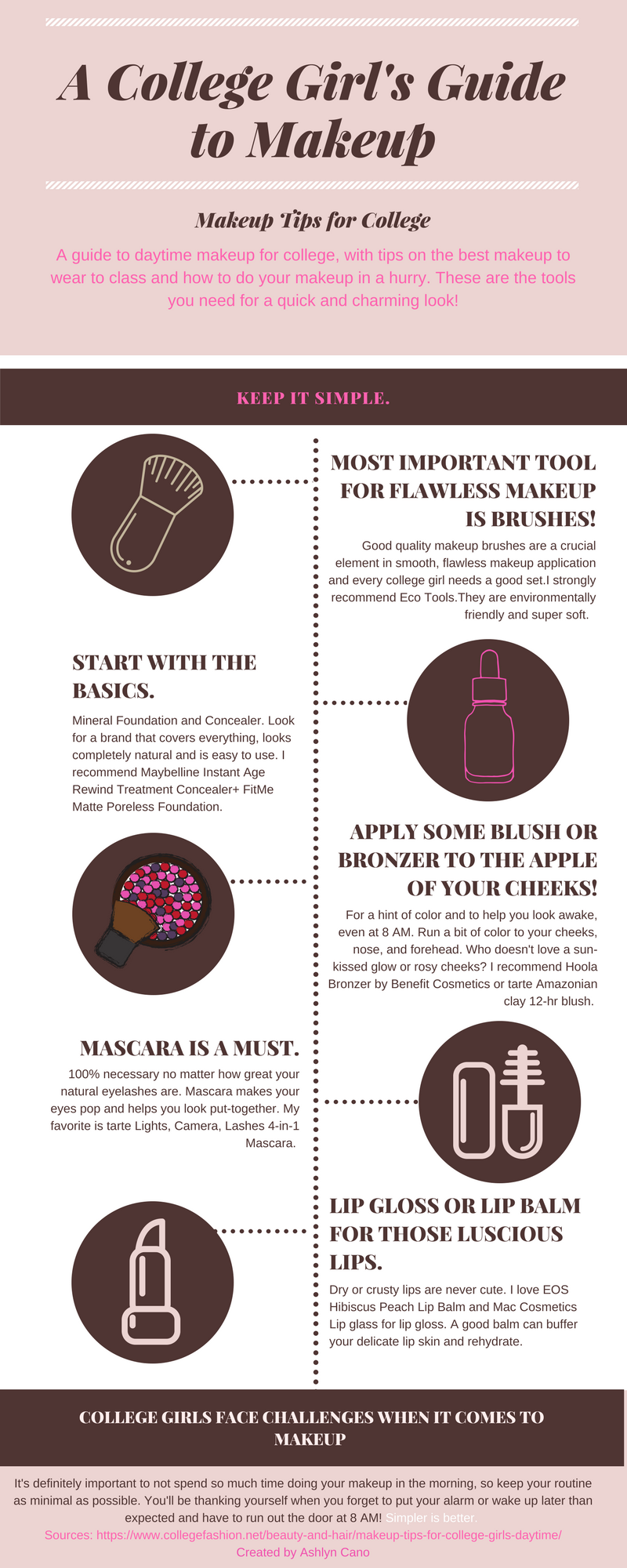
Start by applying bronzer where the sun naturally hits your face: the forehead, cheekbones, and jawline. Use a fluffy brush and build the color slowly to avoid harsh lines.
For blush, smile to find the apples of your cheeks and lightly sweep the color upward toward your temples. This technique lifts your face and mimics a natural flush.
Do you ever feel like your blush disappears by midday? Try applying a cream blush first and setting it with a powder version to increase staying power. Blending is key—blend well to keep the look seamless and fresh.
Credit: medium.com
Highlight And Contour
Highlighting and contouring can transform your makeup look by enhancing your natural features and adding dimension to your face. It’s not about changing your face but about emphasizing the parts you love. Getting this balance right can make your makeup appear more polished and professional.
Sculpting Your Face
Sculpting your face with contour means using darker shades to create shadows where you want to slim down or add depth. Common areas to contour include the hollows of your cheeks, sides of your nose, jawline, and temples.
Try using a matte contour powder or cream that’s just a few shades darker than your skin tone for a natural effect. Place the product carefully and think about the shape you want—do you want a more defined cheekbone or a softer jawline?
Ask yourself: Which features do you want to highlight or minimize today? This mindset helps you apply contour with intention rather than randomly shading your face.
Blending Tips
Blending is the secret to making highlight and contour look seamless. Harsh lines can make your makeup look artificial, so soften the edges where the highlight and contour meet your natural skin.
Use a damp beauty sponge or a fluffy brush to blend in small circular motions. Don’t rub harshly—pat and press the product gently for a more natural finish.
Check your work under different lighting. Sometimes what looks blended in one light might stand out in another. Have you ever noticed a contour line looking too sharp in daylight but perfect in dim light? Adjust accordingly.
- Start blending from the center of the contour or highlight area outward.
- Use less product initially; you can always build up.
- Blend your highlight upwards and contour downwards for a lifted effect.
Select The Perfect Lip Color
Choosing the right lip color can enhance your entire look. It highlights your smile and complements your skin tone. The perfect shade boosts confidence and fits your style. Consider your outfit and occasion to pick a color that suits well.
Lip Liner Tips
Use a lip liner to define your lips clearly. Choose a liner close to your lipstick shade for a natural look. Start from the center of your lips and move outward. This prevents lipstick from bleeding outside the lip line.
Fill in your lips lightly with the liner to create a base. It helps lipstick last longer and look even. Sharpen your lip liner regularly for precise application. Avoid pressing too hard to keep lines soft and smooth.
Long-lasting Lipstick Application
Apply a thin layer of foundation or powder on your lips first. This creates a smooth base for lipstick and increases staying power. Use a lip brush for an even application of lipstick.
Blot your lips gently with tissue after the first coat. Apply a second layer for richer color and longer wear. Avoid licking your lips to keep the color intact throughout the day.
Set Your Makeup
Setting your makeup is the key to making your look last all day without constant touch-ups. It helps lock everything in place, so your hard work doesn’t fade away after a few hours. Have you ever noticed your foundation sliding off or your blush disappearing by midday? Properly setting your makeup can solve those problems and keep you looking fresh from morning to night.
Using Setting Powder
Setting powder is a makeup staple that controls shine and reduces the appearance of pores. After applying your foundation and concealer, lightly dust a translucent setting powder on your face. This step prevents your makeup from moving and helps absorb excess oil, especially in areas like your T-zone.
Choose a finely milled powder to avoid a cakey finish. You can use a fluffy brush for a light application or a damp beauty sponge for more coverage. Have you tried using setting powder only on specific areas? Spot setting can give you a natural look without looking overly powdered.
Setting Spray Benefits
Setting spray acts like a protective shield over your makeup, locking it in place with a refreshing mist. Unlike powder, it helps your makeup blend seamlessly into your skin, giving a more natural finish. I once skipped setting spray, and my makeup faded quickly during a humid day—using it changed everything.
Sprays come with different formulas—some mattify, others add a dewy glow. Choose one based on your skin type and desired finish. Spritz your face from about 8 inches away and let it dry naturally. Have you noticed how setting spray can also reduce the powdery look from your makeup?
Makeup Tools And Hygiene
Good makeup starts with the right tools and clean habits. Using quality brushes and sponges helps apply makeup smoothly. Clean tools keep your skin healthy and free from bacteria. Dirty tools can cause breakouts and uneven makeup. Taking care of your tools improves your overall look and skin condition.
Essential Brushes And Sponges
Every makeup kit needs a few key tools. A foundation brush or sponge helps blend base products evenly. A fluffy powder brush sets makeup without streaks. Eyeshadow brushes come in different shapes for precise color application. A small angled brush is perfect for eyeliner or brows. Investing in these tools makes a big difference.
Cleaning Your Tools
Makeup tools must be cleaned often. Residue and oils build up quickly. Use gentle soap or brush cleaner with warm water. Rinse well and squeeze out excess water. Let brushes dry flat to keep their shape. Clean tools prevent skin irritation and improve makeup finish. Aim to wash brushes once a week for best results.
Common Makeup Mistakes To Avoid
Applying makeup can enhance your natural beauty and boost confidence. Yet, many make simple mistakes that affect their look. Avoiding these common errors helps achieve a smooth and flawless finish.
Over-applying Products
Too much makeup can look heavy and unnatural. Applying thick layers of foundation or powder clogs pores and feels uncomfortable. Use small amounts and blend well for a fresh appearance.
Less is more. Build coverage slowly instead of piling on products. This prevents cakey skin and uneven texture. Focus on areas that need correction, not the entire face.
Ignoring Skin Type
Choosing makeup that suits your skin is crucial. Oily skin needs oil-free and matte products. Dry skin benefits from hydrating and creamy formulas.
Using the wrong products causes irritation or poor wear. Test products on a small skin area first. Match foundation shades to your natural skin tone for a seamless look.

Credit: www.youtube.com
Frequently Asked Questions
What Are The Best Makeup Tips For Beginners?
Start with a clean, moisturized face. Use primer to smooth skin. Apply foundation evenly. Blend eyeshadows well. Finish with mascara and a natural lip color for a fresh look.
How Can I Make My Makeup Last Longer?
Use a primer before foundation. Set makeup with translucent powder. Opt for long-wear formulas. Avoid touching your face. Carry blotting papers to control shine throughout the day.
What Makeup Products Are Essential For Everyday Use?
Essentials include primer, foundation or BB cream, concealer, mascara, and a lip balm or lipstick. These basics create a polished, natural look suitable for daily wear.
How Do I Choose The Right Foundation Shade?
Test foundation on your jawline in natural light. Match it to your neck and face for seamless blending. Avoid shades that are too light or dark for a natural finish.
Conclusion
Good makeup tips help you look fresh and confident every day. Simple steps make a big difference in your routine. Choose products that suit your skin and style. Practice often to improve your skills and feel comfortable. Remember, makeup is about expressing yourself and having fun.
Keep your tools clean and replace old items regularly. Stay patient and enjoy the process of learning. Small changes create a natural and beautiful look. Your best makeup is the one that makes you smile.
