Want hair that feels soft, looks shiny, and stays healthy day after day? Your hair care routine holds the key.
But with so many products and tips out there, it’s easy to feel overwhelmed or unsure where to start. What if you could follow a simple, effective routine tailored just for your hair? This guide will help you discover easy steps to nourish your hair from root to tip, making every day a good hair day.
Ready to unlock the secrets to healthier hair? Let’s dive in.
Daily Hair Care Habits
Daily hair care habits shape the health and look of your hair. Small actions done every day can prevent damage and keep hair strong. Consistency in these habits builds a foundation for beautiful hair.
Choosing The Right Shampoo And Conditioner
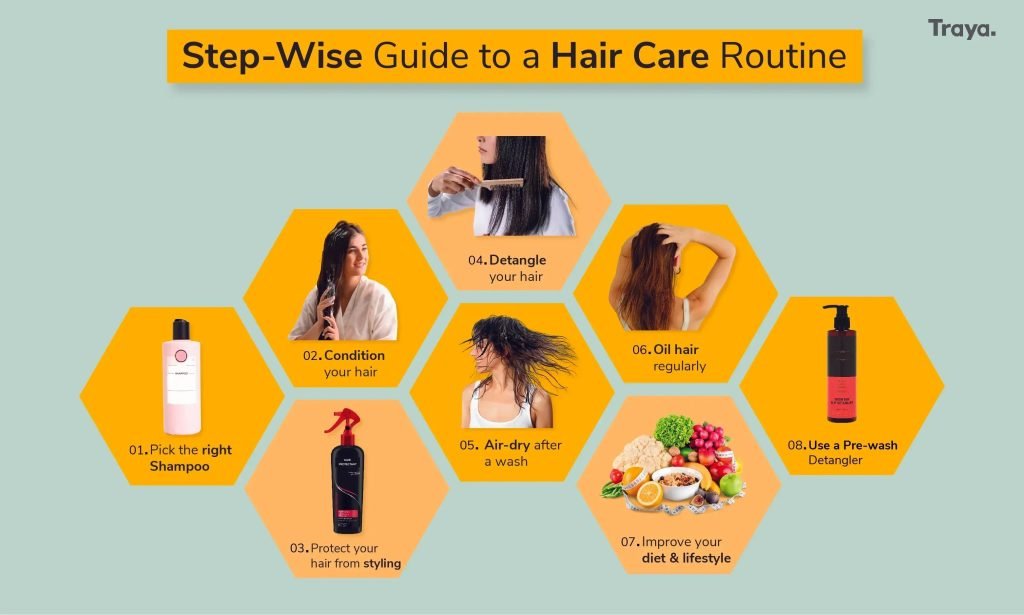
Select products that fit your hair type and scalp needs. For dry hair, pick moisturizing shampoos and conditioners. Oily hair benefits from clarifying formulas that remove excess oil. Avoid products with harsh chemicals like sulfates and parabens. Natural ingredients help maintain hair’s natural oils and shine.
Proper Washing Techniques
Use lukewarm water to wash hair gently. Hot water can dry out hair and scalp. Apply shampoo only to the scalp, not the ends. Massage the scalp with fingertips to boost circulation. Rinse thoroughly to remove all shampoo. Apply conditioner mainly to hair ends, avoiding the scalp. Leave conditioner on for a few minutes before rinsing with cool water to seal the hair cuticle.
Frequency Of Washing Hair
Washing hair too often strips natural oils, causing dryness. Washing too little leads to buildup and scalp issues. Most people benefit from washing hair two to three times a week. Adjust frequency based on hair type, scalp condition, and lifestyle. Use dry shampoo between washes to keep hair fresh without overwashing.
Credit: www.vilvahstore.com
Nourishing Your Hair
Nourishing your hair is key for strong, shiny strands. It helps repair damage and prevents breakage. A good hair care routine includes deep care treatments and natural products. These nourish hair from root to tip, keeping it healthy and vibrant.
Importance Of Deep Conditioning
Deep conditioning adds moisture deep inside the hair shaft. It strengthens hair and reduces dryness. Regular deep conditioning helps restore softness and shine. Use a deep conditioner once or twice a week. Leave it on for 15 to 30 minutes for best results.
Natural Oils For Hair Health
Natural oils supply nutrients and lock in moisture. Common oils include coconut, argan, and jojoba oil. They improve hair texture and prevent split ends. Apply oils on damp hair before styling or at night. Massage gently into your scalp for better absorption.
Hair Masks And Treatments
Hair masks provide intense nourishment and repair. They contain ingredients like honey, avocado, and aloe vera. Use a hair mask weekly to boost hair strength. Apply evenly and leave it on for 20 minutes. Rinse well with cool water to seal the cuticles.
Protecting Hair From Damage
Protecting your hair from damage is key to maintaining its health and shine. Every day, your hair faces stress from environmental factors, styling habits, and chemical treatments. Taking simple but effective steps can keep your hair strong and prevent breakage, dryness, and split ends.
Heat Styling Tips
Heat can quickly damage your hair if not handled carefully. Always use a heat protectant spray before blow-drying, straightening, or curling. This creates a barrier that reduces moisture loss and heat damage.
Lower the temperature on your styling tools. High heat settings are often unnecessary and cause more harm than good. Experiment with the lowest effective heat level for your hair type.
Give your hair regular breaks from heat styling. Letting your hair air dry sometimes can restore its natural texture and strength. Have you noticed your hair feels better on days without heat?
Avoiding Chemical Overload
Chemical treatments like coloring, perming, and relaxing can weaken hair if done too often. Space out these treatments to allow your hair time to recover. Overloading chemicals leads to brittle strands that break easily.
Choose gentler products with natural ingredients or less harsh chemicals. Deep conditioning treatments after chemical processes can help restore moisture and protein balance. Your hair needs extra care after chemical exposure—don’t skip the nourishing steps.
Using Protective Hairstyles
Protective hairstyles shield your hair from environmental damage and reduce breakage. Styles like braids, buns, and twists keep your ends tucked away and prevent tangling.
Make sure your protective styles aren’t too tight. Excess tension can cause scalp pain and hair loss. Looser styles encourage growth and reduce stress on your hairline.
Do you rotate your hairstyles regularly? Changing up your look prevents constant stress on the same areas and promotes overall hair health.

Credit: tucokids.com
Diet And Lifestyle Impact
Your diet and lifestyle play a powerful role in how your hair looks and feels. What you eat and how you manage your daily habits can either strengthen your hair or make it prone to damage. Understanding these connections helps you take control of your hair health from the inside out.
Foods For Strong Hair
Your hair needs specific nutrients to stay strong and shiny. Protein-rich foods like eggs, chicken, and beans provide the building blocks for hair growth. Adding vitamins such as biotin, vitamin E, and omega-3 fatty acids can make a noticeable difference in hair texture and thickness.
Have you ever noticed how your hair feels after a week of healthy meals? That’s because nutrients directly feed your hair follicles. Try adding spinach, nuts, and fatty fish to your meals and observe how your hair responds.
Staying Hydrated
Water is essential for every cell in your body, including those in your scalp. Dehydration can lead to dry, brittle hair that breaks easily. Drinking enough water keeps your scalp moist and supports healthy hair growth.
Think about how often you reach for water throughout the day. Could you improve your hair’s condition by simply drinking more? Aim for at least eight glasses daily to help your hair stay hydrated and resilient.
Managing Stress Levels
Stress impacts your entire body, and your hair is no exception. High stress can trigger hair loss or slow down growth by disrupting the natural hair cycle. Finding ways to manage stress can protect your hair from premature shedding.
What are your go-to methods for dealing with tension? Whether it’s exercise, meditation, or a hobby, investing time in stress relief can pay off in healthier hair. Small daily practices often lead to big improvements in how your hair looks and feels.
Tools And Products To Use
Choosing the right tools and products plays a key role in maintaining healthy hair. The items you use daily affect your hair’s texture, shine, and strength. Quality brushes, combs, serums, and conditioners can protect hair and reduce damage.
Choosing The Right Brushes And Combs
Use wide-tooth combs for wet hair to prevent breakage. Natural bristle brushes distribute oils evenly for a healthy shine. Avoid plastic or metal brushes that pull or snag hair. Detangling brushes work well for curly or thick hair types. Clean your brushes regularly to remove dirt and oil buildup.
Hair Serums And Leave-in Conditioners
Hair serums add shine and smooth frizz without weighing hair down. Leave-in conditioners keep hair hydrated and easier to manage. Both help protect hair from heat styling and environmental damage. Choose lightweight formulas for fine hair and richer ones for dry or coarse hair.
Avoiding Harmful Ingredients
Check product labels for harsh chemicals like sulfates and parabens. These can strip natural oils and irritate the scalp. Alcohol in hair products may dry out strands over time. Opt for gentle, natural ingredients to keep hair healthy and soft. Products with too many synthetic fragrances can cause allergies or damage.
Seasonal Hair Care Adjustments
Adjusting your hair care routine according to the season can make a huge difference in maintaining healthy, vibrant hair year-round. Each season brings unique challenges that affect your hair’s moisture, texture, and overall health. Understanding how to tweak your routine to suit these changes helps you avoid damage and keep your hair looking its best.
Protecting Hair In Summer
Summer heat and sun exposure can dry out your hair and fade color. Use lightweight leave-in conditioners with UV protection to shield your hair from harmful rays. Wearing hats or scarves when you’re outdoors for long periods adds extra protection.
Chlorine and saltwater can strip natural oils, so rinse your hair with fresh water before and after swimming. Try to avoid washing your hair every day; instead, opt for gentle cleansing to preserve moisture. Have you noticed your hair feeling brittle or frizzy during summer? These simple steps can help restore balance.
Winter Hair Care Tips
Cold air and indoor heating can sap moisture from your hair, making it dry and prone to breakage. Switch to richer conditioners and deep conditioning treatments to replenish lost hydration. Using a humidifier at home can also prevent your scalp from becoming dry and flaky.
Limit the use of hot styling tools, as they can worsen dryness in winter. Cover your hair with a satin-lined hat or scarf to protect it from harsh winds. Do you find your hair static or tangled more often in winter? Adding these protective habits can ease those problems.
Adapting Routine For Humidity
High humidity causes hair to swell and frizz. Use anti-frizz serums or creams that help seal the hair cuticle and lock in moisture. Washing hair with cooler water can also reduce frizz by keeping the cuticle smooth.
Try styles that control volume, such as braids or buns, to manage unruly hair on humid days. Avoid heavy products that weigh hair down but don’t provide enough moisture. How does your hair react when humidity spikes? Adjusting your products and styling can make your hair easier to manage.

Credit: www.youtube.com
Frequently Asked Questions
What Is The Best Daily Hair Care Routine?
A good daily hair care routine includes gentle cleansing, conditioning, and moisturizing. Use mild shampoo and conditioner suited to your hair type. Avoid excessive heat and harsh chemicals. Regularly brush your hair to stimulate scalp blood flow and prevent tangles.
Protect hair from sun and pollution daily.
How Often Should I Wash My Hair For Healthy Growth?
Washing hair 2-3 times a week is ideal for most hair types. Overwashing can strip natural oils, causing dryness. Adjust frequency based on scalp oiliness and activity level. Use sulfate-free shampoos to maintain moisture balance and promote healthy hair growth.
Which Hair Care Products Should I Use Regularly?
Use sulfate-free shampoos and nourishing conditioners tailored to your hair type. Incorporate leave-in conditioners or serums for added hydration. Avoid products with harsh chemicals like parabens and sulfates. Natural oils like argan or coconut oil can strengthen and protect hair.
How Can I Prevent Hair Damage In My Routine?
Avoid excessive heat styling and chemical treatments. Use heat protectant sprays before blow-drying or straightening. Gently detangle hair with a wide-tooth comb. Trim split ends regularly. Maintain a balanced diet and stay hydrated for stronger hair.
Conclusion
Creating a good hair care routine is simple and rewarding. Start with understanding your hair type. Choose products that suit your needs. Washing regularly keeps hair clean and fresh. Don’t forget to condition for smoothness. Protect your hair from heat styling tools.
Trim regularly to maintain healthy ends. Hydrate with a good diet and drink plenty of water. A little effort goes a long way. Remember, consistency is key for beautiful hair. Celebrate your unique hair and enjoy the journey. Your hair will thank you with shine and strength.