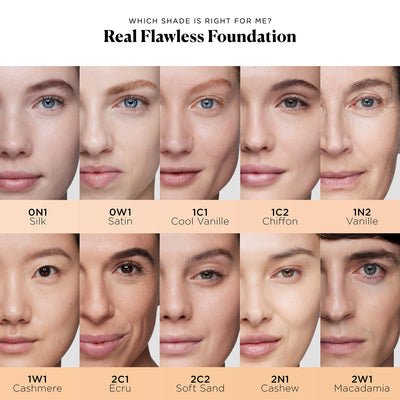
Imagine glancing in the mirror and seeing your skin glowing, looking smooth and flawless. For those with light skin tones, finding the perfect foundation can feel like an endless quest.
You might have tried countless products, only to end up with a shade that doesn’t quite match or a formula that doesn’t work for your skin type. The right foundation not only enhances your natural beauty but also boosts your confidence, making you feel ready to conquer the world.
You’ll discover the secrets to choosing a foundation that complements your light skin perfectly. Get ready to unlock the tips and tricks that will transform your makeup routine and leave you looking effortlessly radiant.
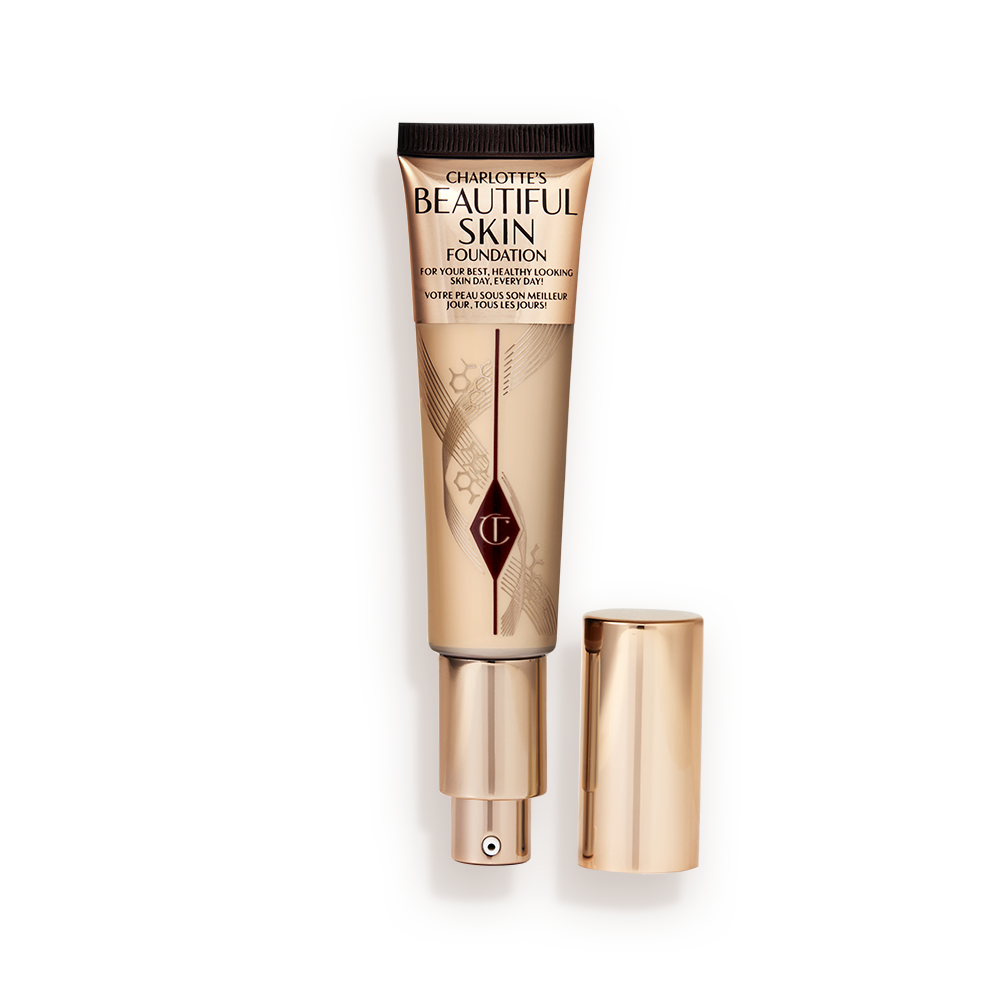
Credit: www.charlottetilbury.com
Choosing The Right Foundation
Choosing the right foundation is crucial for achieving a flawless look, especially if you have light skin. The perfect foundation enhances your natural beauty without masking it. It’s about finding a product that feels comfortable, matches your tone, and works well with your skin type.
Matching Your Skin Tone
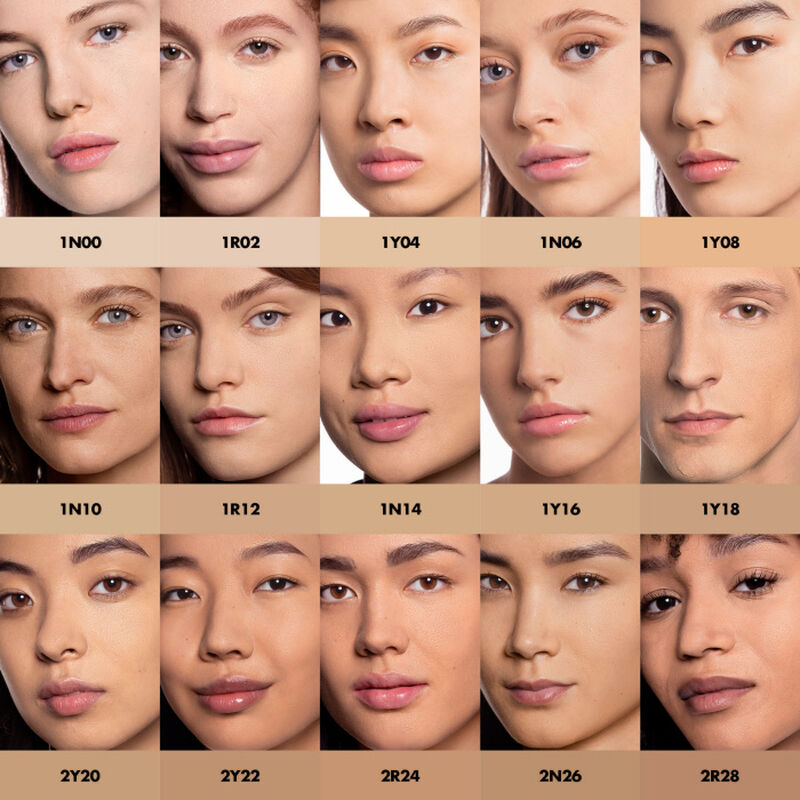
Finding a foundation that matches your skin tone can feel tricky. Test shades along your jawline rather than your hand, as the face and neck color are more telling. Check the color in natural light to avoid surprises once you step outside.
Consider your skin’s undertone—whether cool, warm, or neutral. Cool tones have pink or blue hues, warm tones lean yellow or golden, and neutral tones balance both. This understanding helps you pick a foundation that blends seamlessly with your skin.
Selecting The Perfect Formula
The foundation formula impacts how your skin looks and feels all day. If your skin is oily, a matte, oil-free foundation can control shine. Dry skin benefits from hydrating or dewy formulas that add a subtle glow.
Think about coverage too. Light coverage works well for a natural finish, while medium to full coverage can hide imperfections better. You can even mix formulas to customize your ideal look.
Tips For Sensitive Skin
If your skin reacts easily, choose foundations labeled hypoallergenic or fragrance-free. Look for ingredients like aloe vera or chamomile, which soothe irritation. Avoid foundations with heavy fragrances or alcohol, as they can cause redness or breakouts.
Patch test any new product on a small area before applying it to your entire face. This simple step can save you from discomfort and a makeup disaster later on.
Prepping Your Skin
Prepping your skin is the first and most important step for a flawless foundation application. Clean, smooth skin helps the foundation sit well and look natural. It also makes the foundation last longer throughout the day. Proper skin preparation reduces dryness, oiliness, and uneven texture. This way, your light skin tone foundation will blend perfectly and enhance your natural glow.
Cleansing And Moisturizing
Start with a gentle cleanser to remove dirt and oil. Clean skin allows foundation to stick better. Follow with a lightweight moisturizer to hydrate your skin. Moisturizer prevents dry patches and keeps the skin soft. Choose a moisturizer that suits your skin type for best results.
Priming For Longevity
Apply a primer after moisturizing to create a smooth base. Primers help fill in pores and fine lines. They also prevent foundation from sliding off or fading. Use a primer designed for your skin type and tone. This step ensures your foundation stays fresh all day.
Exfoliation Benefits
Exfoliate your skin once or twice a week to remove dead skin cells. This process reveals fresh, smooth skin underneath. Exfoliation helps the foundation apply evenly and prevents patchiness. Avoid harsh scrubs; opt for gentle exfoliants to protect your skin.
Application Techniques
Perfect foundation application creates a smooth, natural look on light skin. Using the right techniques helps the foundation blend well. It also ensures even coverage without looking heavy or cakey. Small details in how you apply foundation make a big difference.
Tools To Use
Choosing the right tools impacts the foundation finish. Brushes offer precise application and smooth blending. Sponges provide a natural, airbrushed effect by pressing the product into the skin. Fingers warm up the foundation, helping it melt into the skin. Clean tools prevent patchy or streaky results.
Blending Tips
Blend foundation from the center of the face outward. Use gentle, tapping motions with a sponge for a seamless look. Avoid rubbing or dragging, which can remove the product. Blend into the jawline and neck to avoid harsh lines. Soft, even strokes create a flawless finish.
Layering For Coverage
Start with a thin layer of foundation for light coverage. Build up slowly with small amounts on areas that need more. Layering prevents a heavy, unnatural look. Use a damp sponge or brush to blend each layer well. This method controls coverage and keeps the skin looking fresh.
Credit: www.makeupforever.com
Enhancing The Glow
Enhancing the natural glow of light skin can transform your makeup look from flat to radiant. The right techniques and products help you achieve a fresh, luminous finish that highlights your best features without looking shiny or oily. Think of glow as the secret ingredient that brings your foundation to life and adds a youthful touch.
Highlighters And Illuminators
Using highlighters or illuminators strategically can enhance your skin’s natural radiance. Apply a cream or liquid highlighter on the high points of your face—cheekbones, brow bones, the bridge of your nose, and cupid’s bow. This technique catches light beautifully and gives your complexion a healthy sheen.
Choose shades with a subtle shimmer, like champagne or soft peach, to complement light skin without overpowering it. I once switched from powder highlighters to a lightweight liquid formula and noticed my skin looked fresher and less cakey all day. Have you tried layering a subtle illuminator under your foundation for an all-over glow?
Setting Sprays For Dewiness
Setting sprays can be more than just a way to lock your makeup in place—they can add a dewy finish that keeps your skin looking hydrated. Look for sprays labeled “dewy” or “hydrating” to give your foundation a soft, glowy effect.
Spritz your face lightly after applying your makeup or even throughout the day for a quick refresh. This little step can prevent your foundation from looking dry or flat, especially if you have naturally dry or combination skin. What’s your favorite setting spray that gives your skin that fresh-from-the-spa glow?
Avoiding A Matte Finish
Matte foundations often mask the skin’s natural luminosity, making light skin appear dull or lifeless. If you want to enhance glow, steer clear of heavy matte formulas that absorb light rather than reflect it.
Instead, opt for foundations with a satin or dewy finish that allow your skin to shine through. You can also mix a drop of liquid illuminator with your foundation for a customized glow. Have you noticed how your skin feels and looks different when you switch from matte to a dewy foundation?
Common Mistakes To Avoid
Choosing the right foundation for light skin can be tricky. Many make simple mistakes that affect the final look. Avoiding these errors helps achieve a natural, smooth finish. Below are common pitfalls to watch out for when applying foundation.
Over-applying Foundation
Using too much foundation creates a heavy, cakey appearance. It hides your natural skin texture. Apply a small amount and build coverage gradually. This technique keeps the skin looking fresh and light.
Ignoring Neck And Jawline
Not blending foundation into the neck and jawline causes a visible color difference. This mistake makes the face stand out unnaturally from the body. Blend foundation down the neck to match skin tone evenly.
Using The Wrong Shade
A foundation shade that is too dark or too light looks fake. Test shades in natural light to find the best match. Pick a color that blends seamlessly with your skin for a flawless finish.

Credit: www.independent.co.uk
Frequently Asked Questions
What Foundation Shades Suit Light Skin Tones Best?
For light skin, choose shades labeled porcelain, ivory, or fair. Match undertones—cool, warm, or neutral—for a natural look.
How To Choose Foundation For Light Skin With Redness?
Opt for foundations with green or yellow undertones to neutralize redness. Use formulas with good coverage but lightweight feel.
Which Foundation Formulas Work Well On Light Skin?
Liquid and cream foundations offer smooth, natural coverage on light skin. Avoid heavy powders that may look cakey or dull.
How To Apply Foundation For Light Skin Flawlessly?
Use a damp beauty sponge or brush for even blending. Start with a small amount and build coverage gradually.
Conclusion
Choosing the right foundation for light skin can boost your confidence. A good match enhances your natural look without feeling heavy. Remember to test shades in natural light for best results. Keep your skin clean and moisturized before applying foundation.
This simple routine helps your makeup last longer and look smooth. Enjoy the process of finding what suits you best. Your skin deserves care and the right products. Embrace your beauty with a foundation that feels like you.
