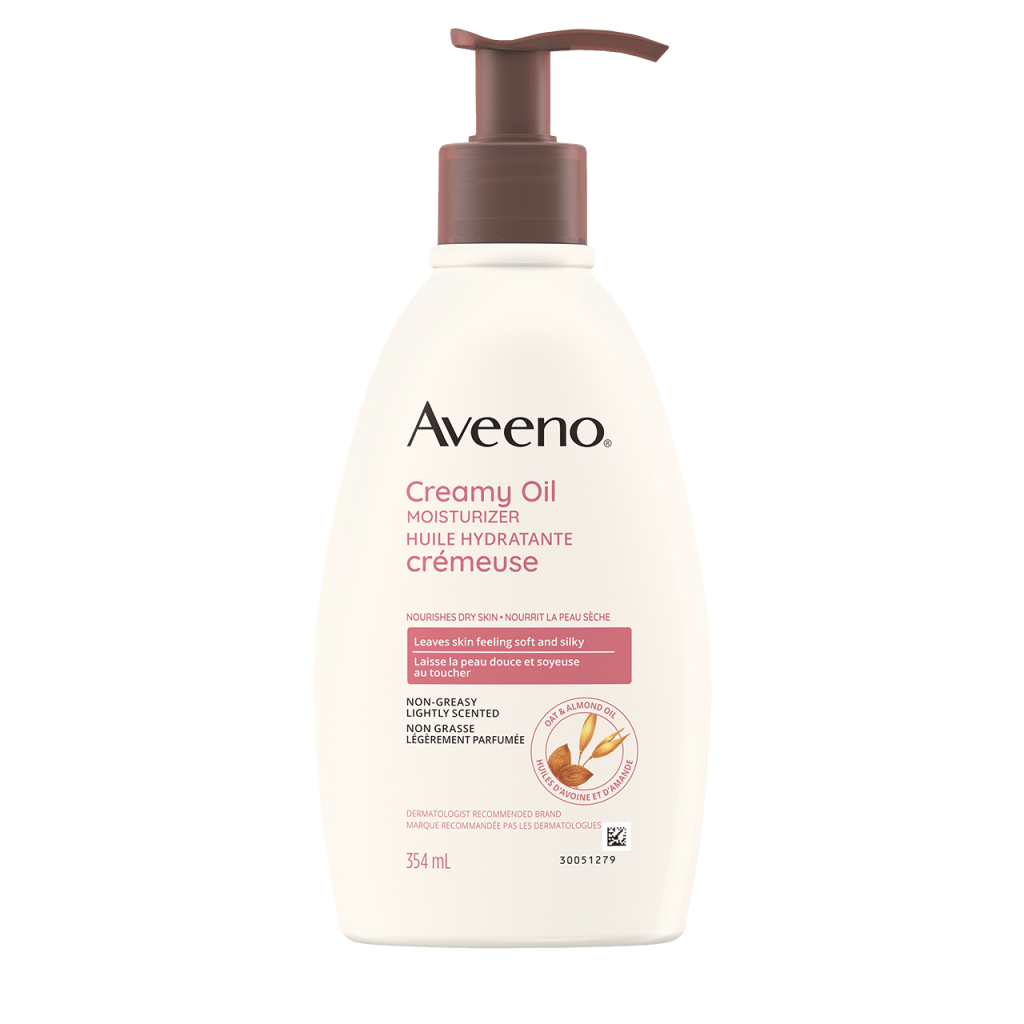
Struggling with dry skin can feel like an endless battle. No matter how much moisturizer you apply, your skin still craves more nourishment.
You’ve likely tried countless creams and lotions, but have you considered the power of body oils? A good body oil for dry skin can be a game-changer, providing deep hydration and leaving your skin feeling silky smooth. Imagine waking up with skin that feels soft, supple, and radiant.
Doesn’t that sound amazing? We’ll explore the best body oils that can transform your skin from dull and flaky to glowing and healthy. Keep reading to discover the secret to unlocking your skin’s full potential.
Causes Of Dry Skin
Dry skin happens when your skin loses too much water or oil. This makes the skin rough, flaky, or itchy. Several causes lead to dry skin. Knowing these helps you choose the right body oil to keep your skin soft and healthy.
Environmental Factors
Cold weather strips moisture from the skin. Low humidity in winter dries out the skin quickly. Hot sun exposure can also damage the skin and cause dryness. Harsh winds remove natural oils, leaving skin vulnerable. Indoor heating systems reduce air moisture, making skin drier.
Lifestyle Habits
Taking long, hot showers washes away natural oils. Using harsh soaps or detergents irritates the skin. Not drinking enough water causes dehydration, affecting skin moisture. Smoking reduces blood flow, leading to dry, dull skin. Poor diet lacking fats and vitamins harms skin health.
Skin Conditions
Some skin diseases cause dryness and irritation. Eczema creates red, itchy patches that can crack. Psoriasis leads to thick, scaly skin that feels dry. Allergic reactions may cause dry, inflamed skin. These conditions need special care and moisturizing products.
Benefits Of Body Oil For Dry Skin
Choosing the right body oil can make a huge difference if you struggle with dry skin. Body oils don’t just add moisture; they help your skin stay soft and healthy over time. Understanding the benefits of body oil can help you decide why it deserves a spot in your skincare routine.
Deep Hydration
Body oils provide intense hydration by locking in moisture better than many lotions. Unlike water-based creams, oils create a layer that prevents water from evaporating. Have you noticed how your skin feels immediately smoother after applying oil? That’s the hydration working deeply, reaching beyond the surface.
Improved Skin Texture
Regular use of body oil can make your skin feel softer and smoother. Oils rich in vitamins and fatty acids nourish the skin cells, helping to repair rough patches. If your skin looks flaky or uneven, adding body oil might be the simple change you need to see an improvement.
Protection Barrier
Body oils act as a shield against harsh environmental factors like cold weather and pollution. This barrier helps reduce irritation and keeps your skin healthier. Think about how your skin reacts on windy days—oils help reduce that tight, uncomfortable feeling by strengthening your skin’s natural defense.
Top Ingredients To Look For
Choosing the right body oil for dry skin means paying close attention to its ingredients. The best oils don’t just moisturize; they nourish your skin deeply and protect it from future dryness. Knowing what ingredients to look for helps you pick a product that really works and feels good on your skin.
Natural Oils
Natural oils like jojoba, almond, and coconut oil are fantastic for dry skin. They absorb quickly without leaving a greasy feeling, making your skin soft and smooth. I once tried a body oil with pure argan oil, and it transformed my dry patches within days.
Look for oils that are cold-pressed and unrefined to get the most benefits. These oils retain their natural nutrients better and are less likely to cause irritation. Have you noticed how some oils feel heavy, while others just seem to disappear into your skin?
Vitamins And Antioxidants
Vitamins like E and C are powerful ingredients in body oils for dry skin. They help repair skin damage and protect against environmental stressors. Adding a vitamin-rich oil to your routine can brighten your skin and improve its texture over time.
Antioxidants fight free radicals that cause skin aging and dryness. Look for oils infused with green tea extract or rosemary, which boost antioxidant levels. Have you ever wondered why some body oils leave your skin glowing while others don’t?
Essential Fatty Acids
Essential fatty acids such as omega-3 and omega-6 are key for maintaining your skin’s barrier. They lock in moisture and reduce inflammation, which is especially important if your skin feels tight or itchy. Oils like hemp seed and evening primrose are rich sources of these fatty acids.
Including these oils in your skincare routine can help calm dry, irritated skin and keep it hydrated longer. Think about how your skin feels after using a product packed with these nutrients—does it stay soft throughout the day?

Credit: www.amazon.ca
Best Body Oils For Dry Skin
Choosing the right body oil can make a huge difference if your skin feels dry and tight. Oils not only lock in moisture but also nourish your skin deeply. Let’s look at some of the best options that can help you restore softness and glow.
Jojoba Oil
Jojoba oil closely resembles your skin’s natural oils, making it a perfect match for dry skin. It absorbs quickly without leaving a greasy feel, which is great if you dislike heavy products.
If you’ve ever struggled with flaky patches, jojoba oil can help smooth them out gently. Have you tried adding a few drops to your daily moisturizer for extra hydration?
Argan Oil
Argan oil is rich in vitamin E and essential fatty acids, which boost your skin’s ability to retain moisture. It also has anti-inflammatory properties that can calm irritation on dry skin.
Many find that argan oil improves skin texture after just a few weeks of use. Would you consider using it both after showering and before bed to maximize benefits?
Coconut Oil
Coconut oil is popular for its deep moisturizing power and pleasant scent. It’s especially helpful if your dry skin feels rough or cracked.
Be cautious if you have sensitive skin—it can clog pores in some people. Have you tested a small patch first to see how your skin reacts?
Sweet Almond Oil
Sweet almond oil is lightweight and packed with vitamins A and E, which support skin healing and softness. It’s ideal for daily use and suitable for sensitive skin types.
Many users enjoy massaging it into their skin after a bath to lock in moisture. What’s your favorite time of day to apply body oil for the best effect?
How To Apply Body Oil Effectively
Applying body oil properly can transform your dry skin care routine. The right technique helps the oil absorb better, locking in moisture without feeling greasy. Let’s break down how you can get the most out of your body oil with simple yet effective steps.
Timing And Frequency
The best time to apply body oil is right after you shower or bathe, while your skin is still slightly damp. This helps seal in the moisture your skin has absorbed. Applying oil once or twice daily is usually enough, but if your skin feels particularly dry, you can add a light layer before bed.
Ask yourself: Are you missing this crucial timing? Skipping the post-shower window means your oil may just sit on the surface instead of nourishing deeply.
Application Techniques
Start by warming a small amount of oil between your palms. This makes the oil easier to spread and helps activate its ingredients. Apply the oil using gentle, upward strokes to stimulate circulation and avoid pulling the skin down.
Focus on dry patches by massaging the oil in circular motions. Don’t rush—giving your skin a few extra minutes to absorb can make a big difference. Have you ever noticed how skipping massage makes your skin feel less hydrated?
Combining With Other Products
Body oil works well with lotions or creams but should usually be applied after them to lock in moisture. If your skin is very dry, apply a moisturizer first, then seal with a thin layer of body oil. This combo can prevent that oily residue feeling while maximizing hydration.
Consider mixing a few drops of oil into your moisturizer for an extra boost during colder months. Have you tried adjusting your routine based on the season? Your skin’s needs can shift dramatically, and your application method should too.
Diy Body Oil Recipes
Creating your own body oil for dry skin is simple and rewarding. DIY recipes use natural ingredients that nourish and hydrate deeply. You control what goes on your skin, avoiding harsh chemicals. These oils lock in moisture and leave your skin soft and smooth.
Experimenting with different blends lets you find the perfect formula. You can tailor oils for hydration, soothing, or specific skin types. Each recipe uses easy-to-find ingredients and requires minimal effort.
Simple Blends For Hydration
Start with carrier oils rich in moisture. Mix them with a few drops of essential oils for added benefits. Here are easy blends:
- Sweet almond oil + jojoba oil + a few drops of lavender oil
- Argan oil + coconut oil + a few drops of rose oil
- Grapeseed oil + olive oil + a few drops of chamomile oil
These blends help lock in moisture and improve skin texture. Apply after showering for best results.
Soothing Formulas
For irritated or sensitive dry skin, soothing oils calm and reduce redness. Use gentle carrier oils with calming essential oils:
- Calendula-infused oil + avocado oil + a few drops of chamomile oil
- Sunflower oil + hemp seed oil + a few drops of sandalwood oil
- Olive oil + rosehip oil + a few drops of frankincense oil
These blends soothe discomfort and support skin healing. Massage gently onto affected areas.
Customizing For Skin Types
Oily, normal, or sensitive skin needs different oils. Adjust your blend to suit your skin type:
| Skin Type | Recommended Carrier Oils | Essential Oils to Use |
|---|---|---|
| Oily | Jojoba, grapeseed | Tea tree, lemon |
| Normal | Sweet almond, argan | Lavender, geranium |
| Sensitive | Calendula-infused, avocado | Chamomile, sandalwood |
Test small amounts first to check for reactions. Customize blends to fit your skin’s needs perfectly.
Common Mistakes To Avoid
Using body oil for dry skin can be a game-changer, but only if you avoid common pitfalls. Many people think more oil means better results, but that’s not always true. Knowing what to avoid can save your skin from irritation and disappointment.
Overuse Of Oil
Applying too much body oil can leave your skin feeling greasy instead of nourished. Your skin needs just enough oil to lock in moisture without clogging pores or causing breakouts. Ask yourself: does your skin really need another layer, or is it already well-hydrated?
Try using a small amount first and add more only if necessary. This approach helps you find the perfect balance and prevents waste.
Ignoring Patch Tests
Skipping a patch test might seem tempting, but it can lead to unexpected allergic reactions or irritation. Even natural oils can cause sensitivity for some people. Have you ever tried a new product without testing it first and regretted it later?
Apply a small amount of oil on your inner arm and wait 24 hours to check for any redness or itching. This simple step protects your skin and avoids discomfort.
Using The Wrong Oils
Not all oils suit every skin type. For example, coconut oil might clog pores for oily or acne-prone skin, while jojoba oil mimics natural skin oils and suits most skin types. Do you know which oils work best for your skin’s unique needs?
Look for lightweight, non-comedogenic oils if you have sensitive or acne-prone skin. Researching and choosing the right oil can make a big difference in how your skin feels and looks.
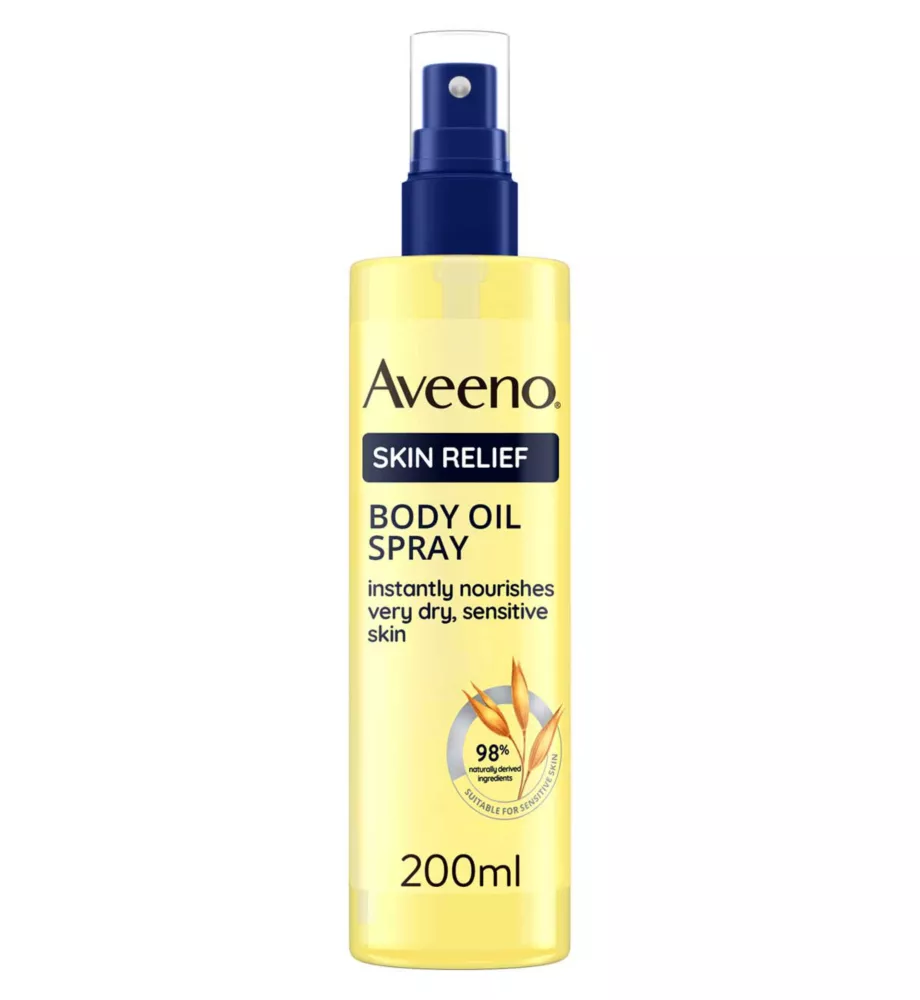
Credit: www.whowhatwear.com
Tips For Maintaining Soft Skin
Keeping your skin soft goes beyond just applying body oil. It requires a mix of smart habits and lifestyle choices that support your skin’s natural moisture. Let’s look at practical ways you can maintain that smooth, hydrated feeling every day.
Daily Skincare Habits
Your daily routine sets the foundation for soft skin. Start by gently cleansing your skin with a mild, hydrating body wash—avoid harsh soaps that strip natural oils.
After showering, pat your skin dry instead of rubbing, then apply a good body oil while your skin is still damp. This locks in moisture effectively.
Try to be consistent. Even on busy days, a quick oil massage can make a big difference in how your skin feels.
Hydration And Diet
What you eat and drink impacts your skin’s softness more than you might think. Drink plenty of water throughout the day to keep your skin hydrated from within.
Include foods rich in omega-3 fatty acids like salmon, walnuts, and flaxseeds to help nourish your skin cells. Vitamins A, C, and E found in colorful fruits and vegetables also support skin health.
Have you noticed how your skin reacts when you skip water or junk food? Paying attention to these signs can guide better choices.
Seasonal Adjustments
Skin needs change as the seasons shift. In colder months, air tends to be drier, so you might need to apply body oil more frequently to prevent flaking and tightness.
During summer, lighter oils or lotions might feel better and still keep your skin soft without feeling greasy. Watch how your skin responds and adjust accordingly.
Think about your environment—do you spend time in air-conditioned spaces? Those can dry your skin out too, so adapt your routine no matter the season.

Credit: www.amazon.ca
Frequently Asked Questions
What Is The Best Body Oil For Dry Skin?
The best body oil for dry skin is rich in hydrating ingredients like jojoba, almond, or coconut oil. These oils deeply nourish and lock in moisture, leaving skin soft and smooth without feeling greasy.
How Often Should I Apply Body Oil For Dryness?
Apply body oil daily, ideally right after showering. This helps seal moisture and prevent dryness. Consistent use improves skin texture and hydration over time.
Can Body Oil Replace Moisturizer For Dry Skin?
Body oil can complement but not fully replace moisturizer. Oils lock in moisture but lack water content that moisturizers provide. Use both for optimal skin hydration.
Are Natural Oils Better For Dry Skin?
Yes, natural oils like argan, avocado, and rosehip contain vitamins and fatty acids that nourish dry skin gently. They are free from harsh chemicals, reducing irritation risk.
Conclusion
Choosing a good body oil helps keep dry skin soft and smooth. Oils like jojoba, almond, and coconut nourish and protect your skin. Applying oil after a shower locks in moisture better. Regular use can reduce itchiness and flakiness. Remember, natural oils suit most skin types well.
Try different oils to find what feels best. Healthy skin feels good and looks great. Start caring for your skin today with the right body oil. Your dry skin will thank you for it.
