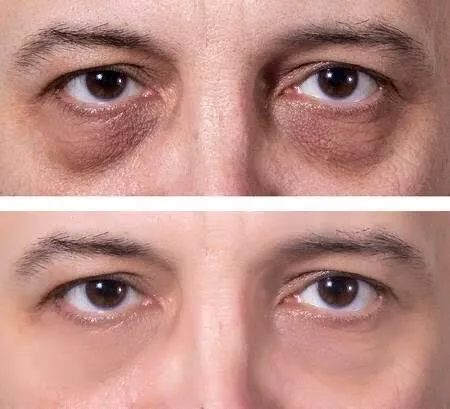
Are you tired of waking up to dark circles that just won’t go away, no matter how much sleep you get? Those stubborn shadows under your eyes might not be from lack of rest or late nights—they could be genetic.
Understanding why you have these dark circles is the first step to tackling them effectively. You’ll discover what causes genetic dark circles under your eyes and what you can do to reduce their appearance. Keep reading to learn how to brighten your look and regain your confidence.
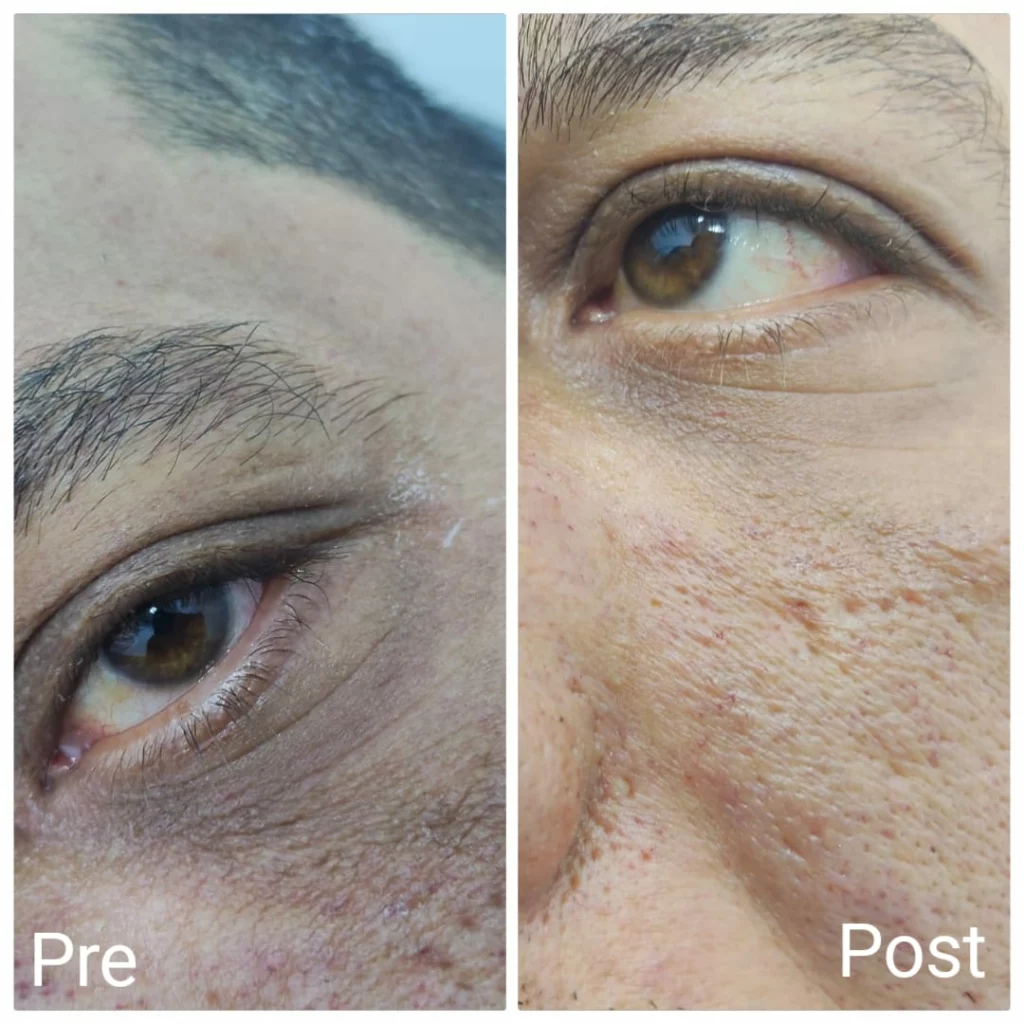
Credit: nadaraclinic.com
Causes Of Genetic Dark Circles
Dark circles under the eyes can appear for many reasons. Some people inherit this trait from their family. These circles often look like shadows or discoloration and can make the face appear tired. Understanding what causes genetic dark circles helps in managing them better.
Role Of Genetics
Genetics play a key role in dark circles. If parents have dark circles, children might too. This happens because of inherited traits affecting skin and blood vessels. Genes influence how much pigment the skin has under the eyes.
Skin Thickness And Pigmentation
The skin under the eyes is very thin. Some people have even thinner skin there due to genetics. Thin skin shows blood vessels more clearly, causing a darker look. Higher melanin levels in this area also cause pigmentation, leading to dark circles.
Blood Vessel Visibility
Small blood vessels under the eyes can be more visible in some people. Genetics can make these vessels wider or closer to the skin surface. This visibility creates a bluish or dark shadow under the eyes. It can look like tiredness but is natural for some.
Allergies And Nasal Congestion
Allergies can worsen dark circles, especially in those with genetic tendencies. Allergic reactions cause swelling and blood vessel dilation under the eyes. Nasal congestion also slows blood flow, increasing darkness. These factors can make genetic dark circles more obvious.
Common Triggers Worsening Dark Circles
Genetic dark circles can be stubborn, but certain everyday triggers often make them look worse. Understanding these triggers helps you manage your appearance better and avoid habits that deepen those shadows. Let’s look at the common factors that can intensify dark circles under your eyes.
Lack Of Sleep
Not getting enough sleep is a major culprit in worsening dark circles. When you sleep less, your skin becomes dull and pale, making the blood vessels under your eyes more visible. Have you noticed how a sleepless night turns your eyes into a tired, shadowy mess? Prioritize rest to help your skin repair and reduce that dark tint.
Stress And Fatigue
Stress doesn’t just affect your mood—it shows on your face too. Chronic stress causes your body to release cortisol, which can break down collagen and thin the skin under your eyes. This thinning makes dark circles stand out more. Feeling constantly drained? Managing stress through simple activities like walking or breathing exercises can improve your skin’s appearance.
Sun Exposure
Spending time in the sun without protection can worsen dark circles. UV rays increase melanin production, causing pigmentation around your eyes to deepen. Wearing sunglasses and applying sunscreen around your eyes isn’t just about preventing wrinkles; it also helps keep dark circles from getting darker. Are you shielding your delicate under-eye skin enough?
Dehydration
When your body lacks water, your skin loses its glow and looks dull. Dehydration causes the area under your eyes to appear sunken and shadowed. Drinking plenty of water throughout the day can plump up your skin and make dark circles less noticeable. Next time you feel sluggish or see your dark circles worsening, ask yourself if you’ve had enough water.
Home Remedies For Dark Circles
Dark circles caused by genetics can feel like a stubborn shadow that no makeup can fully hide. While you may not change your genes, you can soothe and reduce the appearance of these circles with simple home remedies. These natural options are easy to try and can bring noticeable relief when used consistently.
Cold Compress
Applying a cold compress helps shrink dilated blood vessels under your eyes, which reduces puffiness and dark shadows. You can use chilled spoons, a cold washcloth, or even a bag of frozen peas wrapped in a thin cloth.
Try holding the cold compress on your eyes for about 10-15 minutes. Doing this daily can refresh tired eyes and ease the discoloration.
Cucumber And Tea Bags
Cucumber slices contain antioxidants and natural cooling effects that soothe the skin and lighten dark circles. Placing chilled cucumber slices on your eyes for 10-15 minutes can reduce swelling and brighten the area.
Tea bags, especially green or black tea, have caffeine and antioxidants that improve blood circulation. After steeping and cooling, place tea bags on your eyes to relax tired muscles and diminish dark tones.
Adequate Hydration
Drinking enough water flushes out toxins that can worsen dark circles. Hydration also keeps the skin under your eyes plump and less likely to appear hollow or shadowed.
Try to drink at least 8 glasses of water daily. Notice if your skin looks brighter and more refreshed after maintaining good hydration for a week.
Healthy Sleep Habits
Sleep affects your skin’s ability to repair itself, so quality rest can reduce the intensity of dark circles. Aim for 7-8 hours of uninterrupted sleep each night to support skin regeneration.
Consider your sleep position too; elevating your head slightly helps prevent fluid buildup around your eyes. Could adjusting your bedtime routine be the key to waking up with lighter under-eye shadows?
Medical Treatments And Procedures
Dealing with genetic dark circles under your eyes can feel frustrating, especially when home remedies fall short. Medical treatments and procedures offer targeted ways to reduce their appearance and boost your confidence. These options range from simple topical applications to advanced surgical techniques, each designed to address different causes behind the dark circles.
Topical Creams And Serums
Topical products often contain ingredients like vitamin C, retinol, and hyaluronic acid that work to brighten skin and improve texture. These creams can thicken the skin under your eyes, making dark circles less visible by reducing translucency. Consistent use over weeks is key—results rarely appear overnight.
Have you tried a serum that promised quick results but left you disappointed? Choosing the right formula for your skin type and concerns can make all the difference. Consulting a dermatologist can help you find a product that truly works.
Chemical Peels
Chemical peels use mild acids to exfoliate the top skin layers, promoting cell turnover and revealing fresher, brighter skin beneath. This treatment can lighten pigmentation and improve uneven tone caused by genetic factors. Typically, peels are gentle enough for the delicate under-eye area but should be done by a professional.
Would you consider a peel if it meant reducing your dark circles with minimal downtime? Many patients report noticeable improvement after just a few sessions, making this a practical option for those wanting visible change.
Laser Therapy
Laser treatments target pigmentation and stimulate collagen production in the under-eye area. They can effectively break down excess melanin and tighten skin, helping to reduce the shadowy appearance. However, multiple sessions are often required, and results depend on your skin’s response.
Laser therapy can feel intimidating, but advancements have made it safer and more comfortable than before. If you want a treatment that tackles both color and skin texture, this might be worth exploring.
Fillers And Surgery
For some, dark circles arise from hollowness or volume loss under the eyes rather than pigmentation. Dermal fillers like hyaluronic acid can fill these depressions, reducing shadows and creating a smoother contour. This quick procedure often lasts several months and can be done in-office.
Surgery, such as lower eyelid blepharoplasty, offers a more permanent solution by removing excess skin or repositioning fat. It’s a bigger step with longer recovery but can dramatically improve under-eye appearance. Are you ready to discuss these options with a specialist to see what fits your needs?
Prevention Tips To Minimize Dark Circles
Dark circles under the eyes can be frustrating, especially when they run in your family. While genetics play a big role, there are practical steps you can take to reduce their appearance. These prevention tips focus on everyday habits that protect and nourish your skin, helping you look more refreshed.
Sun Protection Strategies
Sun exposure can make dark circles worse by breaking down collagen and causing pigmentation. Protect your skin with a broad-spectrum sunscreen every day, even on cloudy days. Wearing sunglasses and wide-brimmed hats also shields the delicate skin around your eyes from harmful UV rays.
Have you noticed your dark circles getting darker after a sunny weekend? That’s a sign your skin needs better protection. Small changes like applying sunscreen before makeup can make a big difference over time.
Balanced Diet
Your diet affects your skin’s health more than you might realize. Foods rich in vitamin C, vitamin K, and iron help strengthen blood vessels and reduce discoloration. Add citrus fruits, leafy greens, and lean meats to your meals to support your skin from within.
Skipping meals or eating too many processed foods can leave your skin looking tired and dull. Ask yourself if your food choices are helping or hurting your dark circles. Sometimes, adjusting your diet is the easiest way to see real improvements.
Regular Sleep Schedule
Not getting enough sleep can make dark circles more visible by causing fluid buildup and dull skin. Aim for 7-9 hours of quality sleep each night and try to go to bed and wake up at the same time every day. Consistent sleep helps your body repair skin and reduces puffiness.
I used to think staying up late didn’t affect my under-eye area, but once I committed to a regular bedtime, the dark circles faded noticeably. What’s your current sleep routine doing for your skin?
Managing Allergies Effectively
Allergies can cause itching, rubbing, and inflammation around the eyes, making dark circles worse. Identify and avoid triggers like dust, pollen, or certain skincare products. Using antihistamines or consulting a doctor can help control allergic reactions and protect your skin.
If you often rub your eyes when they itch, try cold compresses or allergy medications instead. This simple change stops irritation and prevents worsening dark circles. How often do your allergies affect your eye area?
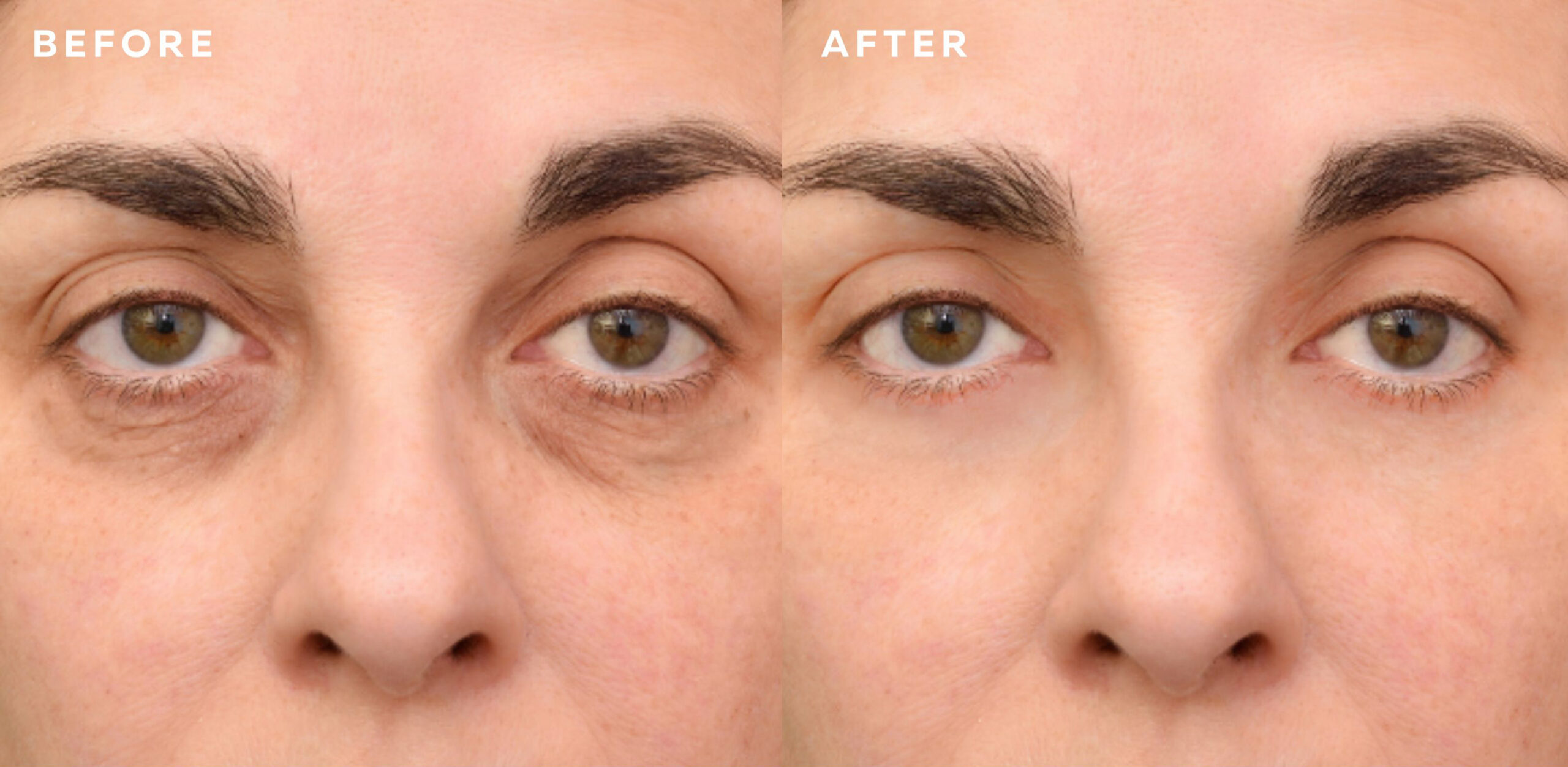
Credit: freyjamedical.com

Credit: www.serenecosmeticclinic.ca
Frequently Asked Questions
What Causes Genetic Dark Circles Under Eyes?
Genetic dark circles occur due to inherited traits like thin skin or excess pigmentation. These traits make blood vessels more visible, creating a shadowed look under the eyes.
How Can I Reduce Genetic Dark Circles Naturally?
To reduce genetic dark circles, use cold compresses, get enough sleep, and apply vitamin C or aloe vera. These methods help improve skin texture and lighten pigmentation gently.
Are Genetic Dark Circles Permanent Or Treatable?
Genetic dark circles are often permanent but can be minimized with treatments like laser therapy, fillers, or topical creams. Results vary based on skin type and severity.
Can Diet Affect Genetic Dark Circles Under Eyes?
A balanced diet rich in vitamins C, K, and iron can improve skin health. Proper nutrition supports blood circulation and may reduce the appearance of dark circles.
Conclusion
Genetic dark circles can be frustrating. They affect many people worldwide. Simple lifestyle changes might help. Try getting enough sleep and drinking plenty of water. Consider using creams with natural ingredients. These can reduce the appearance of dark circles. Eating a balanced diet also supports healthy skin.
Remember, patience is key. Results may take time. Consult a dermatologist for personalized advice. Everyone’s skin is different. Understanding your genetics is important. It helps in managing expectations. Embrace your unique beauty. Your skin tells a story. Celebrate it with confidence.
