
Imagine waking up every morning with clear, glowing skin. Wouldn’t that be amazing?
If you’re someone who’s been battling with stubborn bumps and breakouts that just don’t seem to go away, you might be dealing with fungal acne. Unlike regular acne, fungal acne requires a specific skincare routine to tackle it effectively. But don’t worry, you’re in the right place.
In this guide, you’ll uncover the secrets to a fungal acne skincare routine that could transform your skin. Ready to discover how you can finally achieve the smooth, blemish-free complexion you’ve always wanted? Let’s dive in and get started on the path to clearer skin.
Credit: mayk-factory.com
What Is Fungal Acne?
Fungal acne is often mistaken for regular acne, but it’s a different skin condition caused by an overgrowth of yeast, not bacteria. Understanding what fungal acne is can change how you treat it and prevent it from coming back. Have you ever noticed tiny, uniform pimples that don’t respond to typical acne treatments? That could be fungal acne.
What Causes Fungal Acne?
Fungal acne happens when a type of yeast called Malasseziagrows too much on your skin. This yeast naturally lives on your skin, but factors like sweating, humidity, and oily skin can make it multiply rapidly.
Wearing tight clothing or using heavy skincare products can trap moisture, creating the perfect environment for fungal acne. Have you experienced breakouts after workouts or in hot weather? This might be why.
How To Spot Fungal Acne
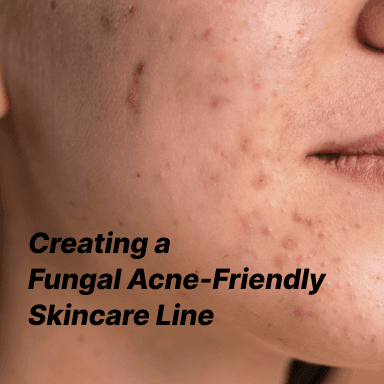
Unlike regular acne, fungal acne usually appears as small, itchy, uniform bumps, mostly on the chest, back, and forehead. These bumps don’t have blackheads or whiteheads like typical pimples.
If your pimples keep coming back despite using strong acne medications, fungal acne could be the culprit. Have you noticed your skin feeling itchy or irritated along with the bumps?
Why Regular Acne Treatments May Not Work
Most acne treatments target bacteria, but fungal acne needs antifungal care to clear up. Using harsh acne products can even worsen fungal acne by irritating your skin further.
Have you tried benzoyl peroxide or salicylic acid with no success? That’s a sign you might need a different approach focused on controlling yeast growth.
Causes And Triggers
Understanding what causes fungal acne is key to managing it effectively. This type of acne isn’t caused by the usual bacteria but by an overgrowth of yeast on your skin. Identifying the triggers can help you avoid flare-ups and keep your skin clearer.
Common Culprits
Fungal acne often results from an imbalance in your skin’s natural environment. One major culprit is Malassezia yeast, which thrives in oily and moist areas.
Using skincare products that are heavy or oily can feed this yeast, making the condition worse. Ingredients like esters, polysorbates, and fatty acidsmay look harmless but can actually fuel fungal growth.
Have you checked the labels of your lotions and sunscreens? Sometimes, the products meant to protect your skin can be the hidden triggers behind persistent fungal acne.
Lifestyle Factors
Your daily habits also play a huge role in fungal acne outbreaks. Wearing tight or non-breathable clothing traps sweat and heat, creating a perfect environment for yeast to multiply.
Excessive sweating from workouts or hot weather without promptly cleaning your skin can worsen the problem. Even using the same towel repeatedly without washing it can reintroduce yeast to your skin.
Think about your routine—are you giving your skin enough time to breathe and recover? Small changes like switching to breathable fabrics and showering right after sweating can make a big difference.
Identifying Fungal Acne
Identifying fungal acne can be tricky because it often looks like regular acne. Yet, knowing the difference can save you from wasting time on the wrong treatments. Understanding what to watch for helps you get the right skincare routine that targets fungal acne specifically.
Symptoms To Watch For
Fungal acne usually appears as small, uniform red bumps that are itchy or cause a mild burning sensation. These bumps often cluster in areas where sweat accumulates, like the forehead, chest, and back. Unlike regular acne, fungal acne doesn’t respond well to typical acne creams and might even get worse with them.
You might notice that your skin feels greasy or sticky, and the bumps can appear after heavy sweating or wearing tight clothing. Do you often experience flare-ups after working out or on hot days? This could be a sign of fungal acne.
Differences From Regular Acne
Regular acne comes from clogged pores filled with oil and dead skin cells, while fungal acne is caused by an overgrowth of yeast called Malassezia. This yeast thrives in warm, moist environments, which is why fungal acne often flares up in sweaty areas.
Unlike traditional acne, fungal acne bumps are usually all about the same size and shape and don’t have whiteheads or blackheads. If your acne doesn’t clear up with benzoyl peroxide or salicylic acid and keeps coming back, it’s worth considering fungal acne as the culprit.
Have you ever tried a new acne product only to see no improvement or worsening? That could be because fungal acne needs antifungal treatments rather than typical acne medications.
Key Ingredients To Use
Choosing the right ingredients for your fungal acne skincare routine can make a huge difference in controlling breakouts and soothing irritation. Not all skincare products work the same way on fungal acne, so it’s crucial to pick ingredients that target the root cause without making your skin dry or inflamed. Let’s look at the key ingredients that will help you manage fungal acne effectively.
Antifungal Agents
Antifungal ingredients are the frontline fighters against fungal acne. Look for products containing ketoconazole, selenium sulfide, or zinc pyrithione. These help reduce the yeast that causes fungal acne and can quickly calm your skin.
When I started using a shampoo with selenium sulfide as a face wash, I noticed fewer bumps within days. It’s a simple ingredient but highly effective if used correctly. Just remember to avoid overusing it to prevent dryness.
Gentle Cleansers
Your skin needs a cleanser that removes excess oil and dirt without stripping moisture. Avoid harsh sulfates and opt for gentle, fragrance-free cleansers with ingredients like cocamidopropyl betaineor decyl glucoside. These keep your skin clean and balanced.
Have you tried cleansers that leave your skin tight and dry? That can worsen fungal acne by disrupting your skin barrier. A mild cleanser prevents irritation and prepares your skin for antifungal treatments.
Moisturizers That Help
Moisturizing is often overlooked, but it’s essential, even with fungal acne. Choose lightweight, non-comedogenic moisturizers with ingredients like glycerin, niacinamide, or dimethicone. These hydrate your skin without feeding the yeast.
I once skipped moisturizer thinking it would make fungal acne worse, but that only led to more irritation. Keeping your skin hydrated helps it heal and stay strong against fungal infections. Have you found a moisturizer that works well with your fungal acne?
Ingredients To Avoid
A fungal acne skincare routine requires careful ingredient choices. Some ingredients can worsen fungal acne. Avoiding these helps keep skin clear and healthy. This section highlights key ingredients to avoid for fungal acne.
Heavy Oils And Butters
Heavy oils and butters create a thick layer on skin. This layer traps moisture and heat. It feeds the fungus, causing more acne. Examples include:
- Coconut oil
- Olive oil
- Shea butter
- Cocoa butter
- Wheat germ oil
These ingredients block pores and encourage fungal growth. Choose lightweight, non-comedogenic oils instead.
Irritating Additives
Some additives irritate sensitive, fungal acne-prone skin. Irritation weakens the skin’s barrier. This makes it easier for fungus to grow. Avoid products with:
- Fragrances and perfumes
- Alcohol denat
- Sulfates (SLS, SLES)
- Harsh preservatives (parabens, formaldehyde releasers)
- Essential oils like tea tree or eucalyptus
These ingredients cause redness, itching, and dryness. Gentle, fragrance-free formulas suit fungal acne better.

Credit: www.reddit.com
Daily Skincare Steps
Creating a daily skincare routine specifically for fungal acne can feel tricky, but focusing on simple, consistent steps can make a huge difference. Your skin needs gentle care that avoids feeding the yeast causing the breakouts. Let’s break down the key daily steps to keep your skin calm and balanced.
Cleansing
Choose a gentle, antifungal cleanser that doesn’t strip your skin of its natural oils. Look for ingredients like zinc pyrithione or ketoconazole, which help control fungal growth without over-drying. Avoid heavy, oily cleansers since they can worsen fungal acne.
Wash your face twice a day—morning and night—to remove dirt, sweat, and excess oils. Pay attention to how your skin feels afterward; it should feel clean but not tight or irritated.
Toning
Using a toner can balance your skin’s pH and remove any leftover impurities after cleansing. Pick an alcohol-free toner with soothing ingredients like witch hazel or niacinamide to reduce inflammation. Avoid toners with heavy fragrances or drying alcohols that can disrupt your skin barrier.
Applying toner with a cotton pad or your hands helps prep your skin for better absorption of moisturizers and treatments. Have you noticed how skipping this step sometimes leads to more breakouts?
Moisturizing
Many people think fungal acne means skipping moisturizer, but dry skin can actually worsen the condition. Use a lightweight, non-comedogenic moisturizer labeled “oil-free” or “non-acnegenic.” Ingredients like squalane or glycerin hydrate without feeding the yeast.
Apply moisturizer while your skin is still slightly damp to lock in hydration. If your skin feels greasy or clogged, try switching to a gel-based formula instead.
Sun Protection
Sun exposure can aggravate fungal acne by irritating your skin and causing inflammation. Use a broad-spectrum sunscreen with at least SPF 30 every day, even if you stay indoors. Mineral-based sunscreens with zinc oxide or titanium dioxide work best as they’re less likely to clog pores.
Remember, reapplying sunscreen every two hours is key if you’re outdoors. Have you checked your sunscreen’s ingredients to make sure it won’t worsen your fungal acne?
Treatment Options
Treating fungal acne requires a focused approach to clear the infection and soothe the skin. Several options exist, ranging from creams to natural remedies. Each treatment targets the yeast responsible for fungal acne and helps restore skin balance.
Topical Solutions
Topical treatments work directly on the skin to kill fungus. Common options include antifungal creams and washes containing ingredients like ketoconazole, clotrimazole, or selenium sulfide. These products reduce yeast growth and inflammation.
- Apply antifungal cream twice daily on affected areas.
- Use medicated shampoos as body washes for larger skin areas.
- Choose gentle cleansers to avoid irritating the skin further.
Oral Medications
Oral antifungal drugs may be prescribed for severe or widespread cases. These medications reach the infection through the bloodstream. Common drugs include fluconazole and itraconazole.
- Oral treatments are usually short-term, lasting one to two weeks.
- Consult a doctor before starting oral antifungal medication.
- Follow dosage instructions carefully to avoid side effects.
Home Remedies
Some natural remedies can support fungal acne treatment. They help reduce yeast and calm the skin. These options work best alongside medical treatments, not as replacements.
- Use diluted apple cider vinegar as a toner to balance skin pH.
- Apply tea tree oil carefully to fight fungus and reduce inflammation.
- Keep the skin dry and clean to prevent yeast growth.
Lifestyle Tips For Prevention
Preventing fungal acne goes beyond just the products you apply to your skin. Your daily habits and environment play a huge role in either encouraging or stopping fungal growth. Small lifestyle changes can make a big difference in keeping your skin clear and healthy.
Hygiene Habits
Keeping your skin clean and dry is key. Wash your face twice a day with a gentle, antifungal cleanser. Avoid overwashing, as stripping your skin’s natural oils can actually worsen fungal acne.
After sweating, make sure to shower promptly and change into dry clothes. Using clean towels and pillowcases frequently reduces the risk of fungal buildup. Have you noticed flare-ups after skipping a shower or wearing the same shirt multiple days?
Diet Considerations
What you eat can influence fungal acne more than you might think. Foods high in sugar and refined carbs feed the yeast that causes fungal acne. Try cutting down on sweets, white bread, and processed snacks to see if your skin improves.
Adding probiotics through yogurt or supplements can help balance your skin’s microbiome. Drinking plenty of water also supports skin health and helps flush out toxins. Have you ever tracked your diet alongside your skin’s condition?
Clothing Choices
Clothes that trap sweat and heat create a perfect environment for fungal acne. Choose loose-fitting, breathable fabrics like cotton or moisture-wicking materials when you exercise or during hot weather.
Change out of workout clothes immediately after exercising and avoid wearing damp clothes for long periods. Even small changes, like switching to natural fibers, can reduce flare-ups significantly.
When To See A Dermatologist
Knowing when to see a dermatologist is crucial for managing fungal acne effectively. While many cases improve with a solid skincare routine, some signs indicate that professional help is necessary. Ignoring these signs can lead to worsening symptoms and prolonged discomfort.
Persistent Or Worsening Symptoms
If your fungal acne does not improve after a few weeks of using over-the-counter treatments, it’s time to consult a dermatologist. Sometimes, what looks like fungal acne could be a different skin condition that needs a tailored approach. Don’t wait until the problem worsens—early intervention leads to better outcomes.
Severe Itching And Discomfort
When the itching becomes intense or the skin feels painful, this signals that your condition may require stronger medication. Over-the-counter products often provide mild relief, but persistent discomfort means your skin needs professional care. Ask yourself: Is my current routine actually helping, or just masking symptoms?
Unusual Appearance Or Spread Of Bumps
Watch for changes in the size, color, or spread of the bumps. If the fungal acne spreads beyond the initial area or looks different from before, it could mean a secondary infection or a more complex issue. A dermatologist can identify these changes and adjust treatment accordingly.
Impact On Your Daily Life
Fungal acne can affect your confidence and daily activities. If you find yourself avoiding social situations or feeling anxious about your skin, it’s worth seeking professional advice. Your mental well-being is as important as your physical health.
Need For Prescription Medications
Sometimes, fungal acne requires prescription-strength antifungal creams, oral medications, or specialized treatments. A dermatologist can provide these safely and monitor your progress. Don’t hesitate to reach out if your current products aren’t enough.

Credit: www.youtube.com
Frequently Asked Questions
What Causes Fungal Acne And How To Identify It?
Fungal acne is caused by yeast overgrowth on the skin. It looks like small, itchy bumps often on the forehead and chest. Unlike regular acne, it does not respond well to typical acne treatments. Identifying fungal acne early helps choose the right skincare routine.
Which Ingredients Help Treat Fungal Acne Effectively?
Look for antifungal ingredients like ketoconazole, sulfur, and zinc pyrithione. These help reduce yeast growth and inflammation. Avoid heavy oils and fatty acids that feed fungi. Using gentle, non-comedogenic products supports clear, healthy skin without worsening fungal acne.
How Often Should I Cleanse Fungal Acne-prone Skin?
Cleanse twice daily with a gentle, antifungal cleanser. Over-cleansing can irritate skin and worsen fungal acne. Use lukewarm water and avoid harsh scrubs. Consistent cleansing removes excess oils and fungi, helping maintain a balanced skin environment.
Can Moisturizers Worsen Fungal Acne?
Yes, some moisturizers with heavy oils can worsen fungal acne. Choose lightweight, oil-free, and non-comedogenic moisturizers. Ingredients like glycerin and hyaluronic acid hydrate without feeding fungi. Proper moisturizing supports skin barrier repair and reduces fungal acne flare-ups.
Conclusion
A good fungal acne skincare routine helps keep your skin clear and healthy. Use gentle products that do not clog pores or feed yeast. Cleanse your face twice daily with a mild cleanser. Avoid heavy creams and oils that worsen fungal acne.
Treat your skin with antifungal ingredients as needed. Stay consistent and patient; results take time. Healthy habits, like washing pillowcases often, support healing. Your skin will thank you for careful care and attention. Keep it simple, stay steady, and enjoy clearer skin ahead.
