
Are you tired of your foundation looking flaky or uneven because of dry skin? You’re not alone.
Many people struggle to find the perfect foundation that complements their skin type without highlighting dry patches. Imagine waking up to a complexion that feels as good as it looks—radiant, smooth, and effortlessly flawless. You can achieve this with the right foundation tailored to your dry skin’s needs.
You’ll discover how to choose the best foundation for dry skin, ensuring every application leaves you feeling confident and beautiful. Ready to transform your makeup routine? Let’s dive in and unlock the secrets to glowing skin!

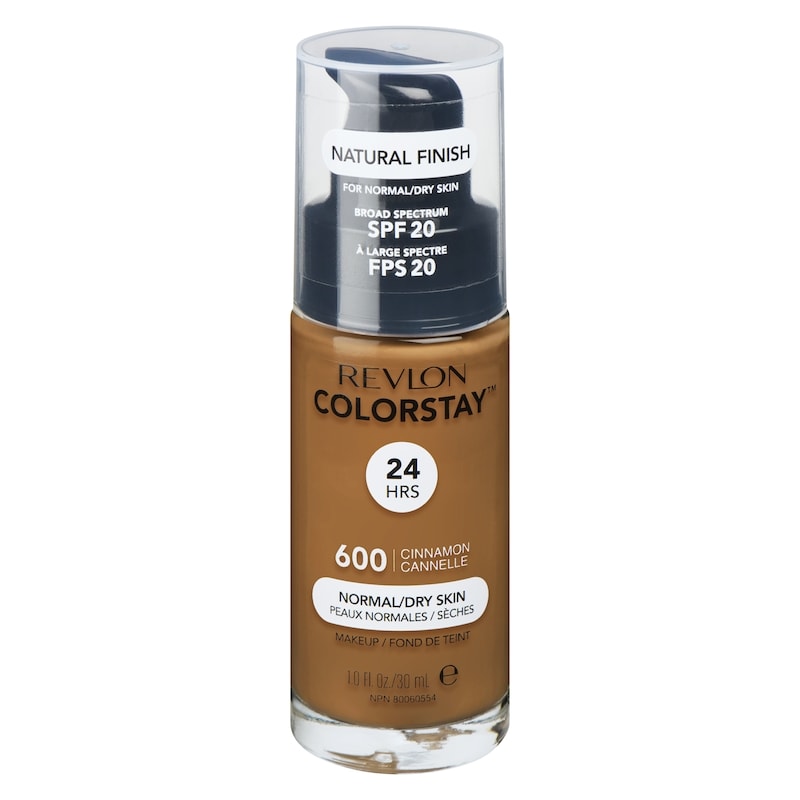
Credit: www.revlon.ca
Choosing The Right Foundation
Choosing the right foundation for dry skin can make a huge difference in how your makeup looks and feels throughout the day. You want a formula that not only covers imperfections but also nourishes your skin without making it feel tight or flaky. Have you ever tried a foundation that just clung to dry patches? Finding the right match means avoiding that discomfort and enhancing your natural glow instead.
Types Suited For Dry Skin
Look for foundations that offer hydration and a dewy finish. Liquid foundations are often the best choice because they blend easily and provide moisture.
- Cream foundations:These are thicker and usually packed with emollients, perfect if your skin is very dry.
- Hydrating liquid foundations:They contain water-based ingredients that help keep your skin moist.
- BB and CC creams:These lightweight options add moisture and light coverage, ideal for daily wear.
Powder foundations tend to emphasize dryness, so it’s best to avoid them if your skin lacks moisture.
Ingredients To Look For
Ingredients can make or break your foundation experience. Look for components that actively soothe and hydrate your skin.
- Hyaluronic acid:Attracts and retains moisture, giving your skin a plump look.
- Glycerin:Helps maintain hydration levels and prevents dryness.
- Natural oils:Such as jojoba or argan oil, they nourish and protect the skin barrier.
- Vitamin E:Acts as an antioxidant and supports skin repair.
Checking the label for these ingredients can save you from applying a foundation that leaves your skin feeling tight or flaky.
Avoiding Common Irritants
Dry skin can be sensitive, so it’s important to skip foundations with harsh ingredients.
- Alcohol:Often dries out skin further, causing irritation.
- Fragrances:These can trigger redness and itching, especially if your skin is reactive.
- Matte formulas with heavy silicones:They may clog pores and worsen dryness over time.
Have you noticed your skin reacting after applying a certain foundation? That might be due to one of these common irritants. Choosing a foundation free from these ingredients helps keep your skin calm and comfortable all day.
Credit: www.fortinos.ca
Preparing Dry Skin
Preparing dry skin before applying foundation is crucial for a flawless finish. Dry skin tends to highlight texture and can make makeup look patchy if not properly cared for. Taking a few simple steps can transform how your foundation sits and feels throughout the day.
Effective Cleansing Routines
Cleansing dry skin requires a gentle touch. Use a mild, hydrating cleanser that removes dirt without stripping natural oils. Avoid harsh scrubs or foaming cleansers that can increase dryness and irritation.
Try cleansing with lukewarm water instead of hot, as hot water can worsen dryness. After cleansing, gently pat your face dry with a soft towel instead of rubbing. Have you noticed how a gentle cleanse sets a smoother base for makeup?
Hydrating Moisturizers
Moisturizing is non-negotiable for dry skin before makeup. Choose a rich, nourishing moisturizer that locks in hydration and creates a soft canvas. Ingredients like hyaluronic acid, glycerin, or ceramides work wonders to boost moisture levels.
Apply your moisturizer while your skin is still slightly damp to seal in extra hydration. This simple habit can make your foundation glide on effortlessly and prevent flakiness. What’s your go-to moisturizer that keeps your skin feeling plump all day?
Primers For Smooth Application
Primers designed for dry skin add an extra layer of moisture and smoothness. Look for hydrating primers with ingredients like squalane or vitamin E to soften your skin’s surface. These primers help your foundation stick better and last longer.
Using a primer can also reduce the appearance of dry patches and fine lines. If you’ve struggled with patchy foundation, could a hydrating primer be the missing step in your routine?
Application Techniques
Applying foundation on dry skin needs care and the right methods. Proper techniques help the foundation look smooth and natural. Avoiding cakey or dry patches makes your skin glow. Follow these tips for a beautiful finish.
Tools For Flawless Finish
Choosing the right tools makes a big difference. Soft brushes or damp sponges work best for dry skin. They help spread foundation evenly without pulling or dragging. Avoid rough or dry tools that can irritate the skin.
- Damp makeup sponge for gentle blending
- Dense, soft foundation brush for smooth application
- Fingertips to warm and press foundation gently
Layering Without Caking
Apply foundation in thin layers. Start with a small amount and build up if needed. Thin layers prevent dryness and flaking. Let each layer settle before adding the next. This keeps your skin looking fresh and hydrated.
Blending Tips For Natural Look
Blend foundation carefully into the skin. Use light, tapping motions instead of rubbing. Focus on blending around the jawline and hairline. This avoids harsh lines and creates a seamless finish. Check your work in natural light for best results.
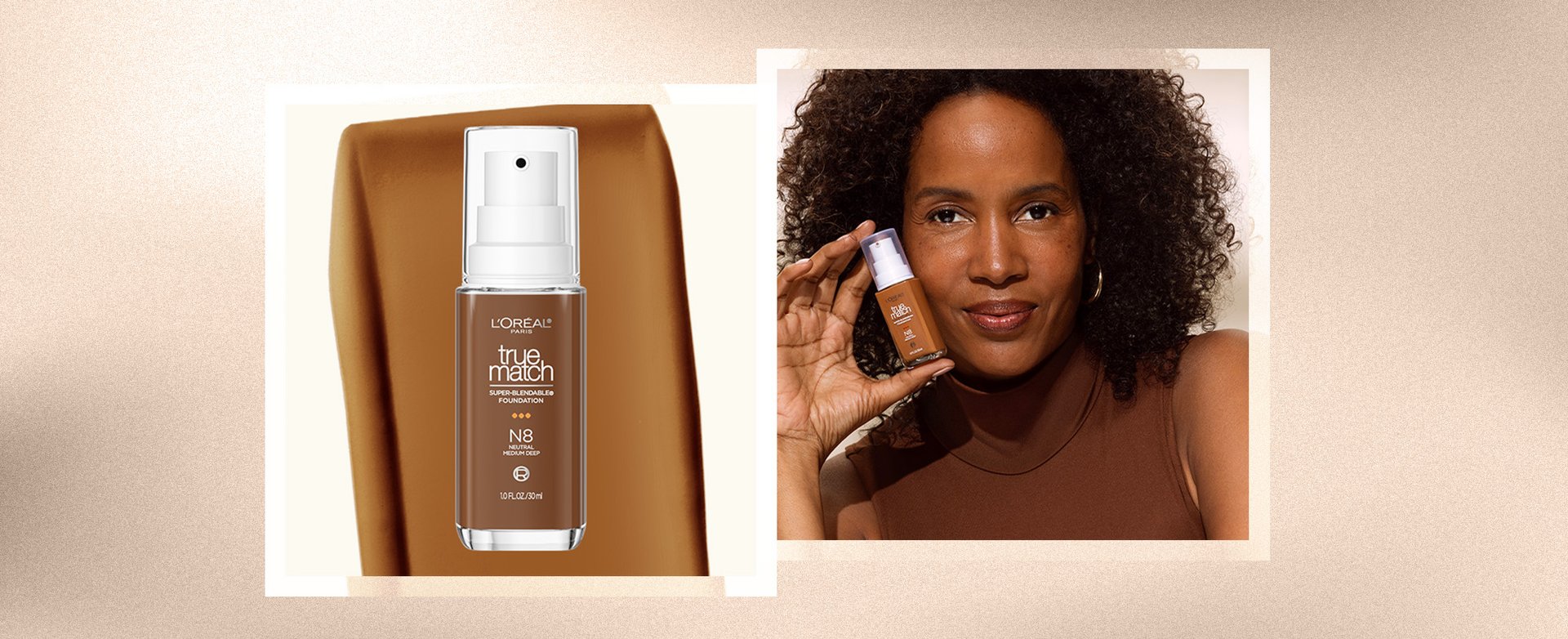
Credit: www.lorealparisusa.com
Setting And Maintaining Coverage
Setting and maintaining your foundation coverage is key to keeping your dry skin looking fresh and flawless throughout the day. Without the right techniques, your makeup can settle into dry patches or fade unevenly. Let’s explore practical ways to lock in your foundation and keep your skin hydrated and glowing.
Best Setting Powders And Sprays
Choosing the right setting products can make a huge difference. Look for setting powders that are finely milled and hydrating rather than mattifying. Powders with ingredients like hyaluronic acid or glycerin help keep skin moist while controlling shine.
Setting sprays designed for dry skin often have nourishing ingredients like aloe or rose water. Spritzing a hydrating setting spray after your foundation not only sets the makeup but also adds a boost of moisture. Have you tried layering a powder and spray combo to extend wear without drying out your skin?
Touch-up Tips Throughout The Day
Touching up foundation on dry skin requires a gentle approach. Instead of piling on more product, use a damp beauty sponge to lightly press foundation onto areas that need coverage. This technique helps blend seamlessly and prevents a cakey look.
Carry blotting papers that won’t strip your skin’s natural oils. If your skin feels tight or flaky, a quick spritz of setting spray can revive your makeup and hydrate your skin at the same time. How often do you refresh your makeup during busy days?
Avoiding Flakiness And Patchiness
Flakiness and patchiness often result from insufficient skin prep or wrong product choices. Always moisturize thoroughly before applying foundation. Exfoliating gently once or twice a week removes dead skin cells that cause patchy foundation.
Apply foundation with light, tapping motions instead of rubbing. This prevents disturbing dry flakes and helps the product sit better on your skin. If you notice your foundation clinging to dry spots, a small amount of facial oil can smooth the area without breaking down your makeup. What tricks do you use to keep your foundation looking smooth?
Additional Tips For Dry Skin
Dry skin needs more than just the right foundation to look flawless. Giving your skin extra care can make a huge difference in how your makeup sits and how your skin feels throughout the day. Here are some practical tips to boost hydration and keep your skin healthy and glowing.
Nighttime Skin Care
Your skin repairs itself while you sleep, so the products you use at night matter a lot. Choose a rich, nourishing moisturizer that locks in moisture without clogging pores. I found switching to a night cream with hyaluronic acid helped my skin stay plump and smooth by morning.
Don’t skip gentle cleansing to remove makeup and impurities. Avoid harsh soaps that strip natural oils. Applying a soothing serum before your moisturizer can boost hydration even more.
Hydrating Masks And Treatments
Adding a hydrating mask once or twice a week can rescue dry, tired skin. Look for masks with ingredients like aloe vera, glycerin, or honey to calm and hydrate. I once used a mask with oatmeal that instantly reduced my skin’s tightness and redness.
Sheet masks are an easy option if you’re short on time—they deliver moisture fast and feel refreshing. For deeper treatment, consider overnight masks designed to seal in moisture while you sleep.
Lifestyle Habits For Healthy Skin
Hydration starts from within. Drinking enough water daily helps your skin stay supple. Notice how your skin feels on days you skip water? It becomes dull and flaky quickly.
Also, protect your skin from harsh weather by using scarves or hats. Indoor heating can dry your skin, so using a humidifier can add back much-needed moisture to the air. What small changes can you make today to support your skin’s health?
Frequently Asked Questions
What Foundation Suits Dry Skin Best?
A hydrating, creamy foundation suits dry skin best. It moisturizes while providing smooth coverage. Avoid powder formulas that can highlight dryness.
How To Prepare Dry Skin Before Applying Foundation?
Cleanse gently, then apply a rich moisturizer and primer. This locks in hydration and creates a smooth base for foundation application.
Can Foundation Worsen Dry Skin Condition?
Yes, foundations with alcohol or matte formulas can worsen dryness. Choose nourishing, hydrating foundations to avoid flaking or irritation.
How To Make Foundation Last On Dry Skin?
Use a hydrating primer and set foundation with a light, moisturizing setting spray. Avoid heavy powders to maintain a dewy finish.
Conclusion
Choosing the right foundation helps protect dry skin all day. Hydrating formulas keep your skin soft and smooth. Avoid heavy powders that can make dryness worse. Always prep with a good moisturizer first. Blend foundation gently for a natural look.
Your skin will feel comfortable and look healthy. Small steps make a big difference in skin care. Try different products to find what suits you best. Healthy skin starts with the right foundation choice. Feel confident in your fresh, glowing skin every day.
