Discovering the perfect foundation for pale skin can feel like searching for a needle in a haystack. You want a product that enhances your natural beauty without making you look washed out or overly made-up.
Imagine walking into a room, and instead of worrying about your makeup, you feel confident and radiant. That’s the magic of finding the right foundation tailored for your unique skin tone. In this guide, you’ll uncover the secrets that brands don’t openly share, helping you choose the best foundation that complements your pale complexion.
Stay tuned to transform your makeup routine and boost your confidence every day.
Credit: swissbeauty.in
Choosing The Right Foundation
Choosing the right foundation for pale skin can feel tricky. Your goal is to find a product that matches your skin tone perfectly and enhances your natural glow without looking heavy or unnatural. Understanding the types, shades, and formulas available helps you make a confident choice that complements your unique complexion.
Types Of Foundations For Pale Skin
Not all foundations work the same for pale skin. Here are some popular types to consider:
- Liquid Foundation:Offers buildable coverage and blends smoothly, ideal for a natural finish.
- Cream Foundation:Provides richer coverage, perfect if you want to hide redness or uneven tone.
- Powder Foundation:Great for oily skin and quick touch-ups, but be cautious of looking cakey.
- Stick Foundation:Easy to apply on the go and good for targeted coverage, especially around blemishes.
Choosing the right type depends on your skin texture and the look you want to achieve. Have you tried layering different types for a customized effect?
Selecting The Perfect Shade
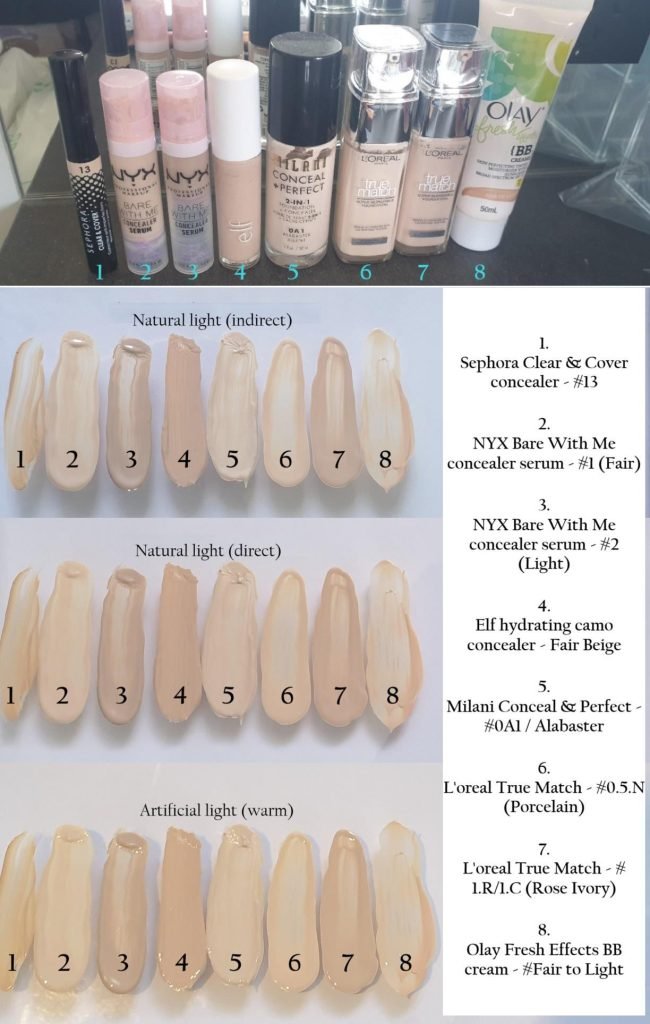
Finding a shade that truly matches pale skin is often the hardest part. Avoid shades that are too pink or too yellow as they can make your skin look unnatural.
Look for foundations labeled as “porcelain,” “ivory,” or “fair” with neutral or cool undertones. Testing the foundation on your jawline, not your hand, gives a better idea of how it will blend.
Remember, lighting can fool you—check the shade in daylight before buying. Do you notice a difference when you test in natural light versus store lighting?
Formulas That Enhance Radiance
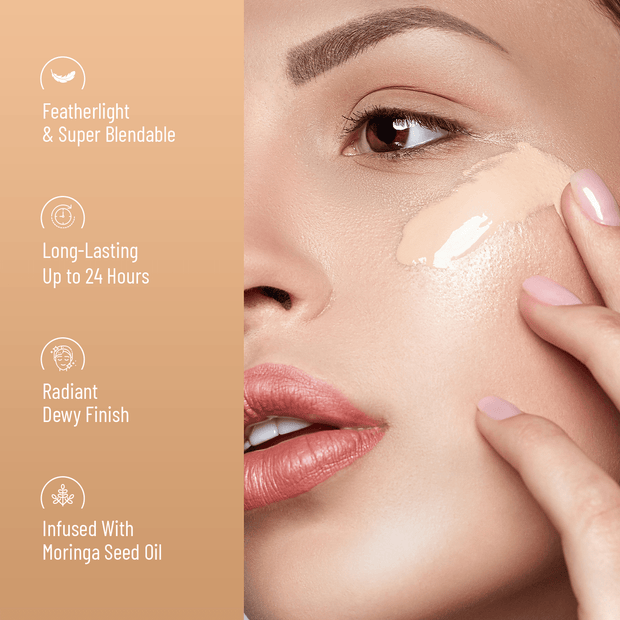
Pale skin can sometimes appear dull under certain lights. Foundations with luminous or dewy finishes add a healthy glow without looking oily.
Ingredients like hyaluronic acid or light-reflecting particles can brighten your complexion. If you prefer matte, look for formulas that offer a soft finish instead of a flat one.
Try mixing a drop of liquid highlighter with your foundation for a subtle radiance that feels personalized. What small tweaks have you made to your foundation routine that changed your look?
Credit: www.charlottetilbury.com
Prepping Skin For A Smooth Base
Getting your skin ready before applying foundation is key, especially if you have pale skin. A smooth base doesn’t just make your makeup look better; it helps your foundation last longer and feel more comfortable. Taking a few extra minutes to prep can make a big difference in how your makeup wears throughout the day.
Moisturizing Techniques
Moisturizing is the first step to create a hydrated and plump canvas. Use a lightweight, non-greasy moisturizer that suits your skin type to avoid clogging pores or making your skin look oily. Apply it gently with your fingertips, focusing on dry areas like around the nose and cheeks.
Try patting the moisturizer in instead of rubbing it; this helps it absorb better. If your skin feels extra dry, layering a hydrating serum underneath can boost moisture without heaviness. Have you noticed how skipping moisturizer sometimes makes foundation look patchy or flaky?
Primers That Boost Glow
Primers are more than just makeup holders—they can add a subtle glow that enhances pale skin without overpowering it. Look for primers with a dewy finish or light-reflecting particles to brighten your complexion. Avoid anything too shimmery, as it can look unnatural under certain lighting.
Applying primer with a damp sponge can help blend it evenly and avoid streaks. If your skin tends to get oily, choose a mattifying primer for the T-zone while using a glowing primer on the cheeks. Have you tried mixing two primers to customize your finish?
Addressing Common Skin Concerns
Pale skin often highlights redness, dryness, or uneven texture, making it crucial to address these before foundation. Use color-correcting products—like a green concealer for redness or a peach tone for dark circles—to balance your skin tone subtly. Gentle exfoliation a few times a week can smooth rough patches and prevent dry flakes.
Don’t forget to pay attention to your lips and eyelids, as foundation can settle into those areas and look uneven. Applying a thin layer of balm or primer here can create a smooth surface. What small skin issues have you noticed affecting your foundation’s look?
Application Techniques For Flawless Coverage
Applying foundation flawlessly on pale skin requires more than just picking the right shade. The way you apply it can make a huge difference in how natural and smooth your complexion looks. Mastering a few key techniques will help your foundation blend seamlessly and enhance your skin’s delicate tones.
Tools For Even Application
Choosing the right tools can change your foundation game entirely. Brushes with synthetic bristles are excellent for smooth, even coverage without soaking up too much product. Beauty sponges dampened slightly help press foundation into the skin, avoiding streaks and patchiness.
Have you tried applying foundation with your fingers? The warmth from your hands helps melt the product into the skin, especially around delicate areas like the nose and under the eyes. Experiment with different tools to see which one gives your pale skin the most natural look.
Blending Tips For Natural Finish
Blending is where your foundation either looks flawless or obvious. Always start from the center of your face and blend outwards to avoid harsh lines. Use gentle, tapping motions rather than dragging to keep the coverage even and soft.
Don’t forget to blend along your jawline and hairline thoroughly. This step prevents any noticeable color differences that can make your foundation stand out against your pale skin. Checking your blend in natural light can reveal any spots you may have missed.
Layering Without Caking
Layering foundation can build coverage, but too much can easily look cakey, especially on pale skin. Apply a thin first layer and wait a few seconds before adding more where needed. This approach keeps your skin looking fresh and avoids the heavy mask effect.
If you notice any excess product settling into fine lines or pores, lightly press with a damp sponge to absorb it without removing coverage. Have you ever applied too much foundation and felt it looked unnatural? This technique helps you control coverage while maintaining a breathable finish.

Credit: matejasbeautyblog.blogspot.com
Enhancing Radiance With Complementary Products
Enhancing your foundation’s effect on pale skin means more than just picking the right shade. Complementary products can bring out a natural, glowing radiance that feels fresh all day. These additions work together to brighten your complexion and add dimension without overpowering your delicate skin tone.
Using Highlighters Effectively
Highlighters can lift your face and add a subtle glow that looks like your skin is catching the light naturally. Choose shades with a pearly or soft champagne tone to avoid looking too harsh or glittery on pale skin. Apply highlighter to the high points of your face—cheekbones, brow bones, and the bridge of your nose—for a fresh, awake look.
Have you noticed how a little highlighter can make your eyes pop? That’s because it reflects light in all the right places, creating a youthful, radiant effect without heavy makeup.
Setting Powders For Longevity
Setting powder is key to keeping your foundation in place and preventing shine throughout the day. Look for translucent powders that won’t add extra color but will mattify your skin gently. Lightly dust it over your T-zone or areas prone to oiliness to maintain a flawless finish.
Think about your daily routine—does your makeup tend to fade or get oily? A good setting powder can help avoid those midday touch-ups that disrupt your look.
Incorporating Blush And Bronzer
Blush and bronzer add warmth and life to pale skin, but it’s important to choose colors that enhance without overwhelming. Soft pinks, peaches, or light apricot blushes work well to create a natural flush. When applying bronzer, opt for a shade that’s just a few tones darker than your skin and use it sparingly to avoid a stark contrast.
Try applying blush to the apples of your cheeks and bronzer along your hairline and jawline for subtle contouring. Have you experimented with these products to bring your skin’s natural beauty forward without heavy makeup? The right balance can truly brighten your complexion and boost your confidence.
Maintaining Freshness Throughout The Day
Keeping your foundation fresh on pale skin throughout the day can be a challenge. The skin may look dull or patchy without the right care. Simple habits and the right tools help maintain a flawless look. Focus on controlling oil, adding moisture, and quick touch-ups.
Touch-up Essentials
Carry a small makeup pouch for quick fixes. Use a compact powder or a translucent setting spray. Blotting papers remove excess shine without disturbing makeup. A clean makeup sponge helps blend any patchy areas. These items keep your foundation looking smooth and fresh.
Oil Control Tips
- Use a mattifying primer before foundation application.
- Blot oil with blotting papers instead of wiping your face.
- Choose oil-free or long-lasting foundation formulas.
- Apply powder lightly to set foundation and control shine.
Hydration Boosters
Hydration is key to fresh-looking skin. Use a light, non-greasy moisturizer suitable for pale skin. Carry a facial mist to refresh skin and foundation. Drinking water regularly supports skin hydration from within. Well-hydrated skin helps foundation sit evenly and last longer.
Frequently Asked Questions
What Is The Best Foundation For Pale Skin Tones?
The best foundation for pale skin is one with a light, neutral, or cool undertone. It should match your skin’s undertone to avoid looking too orange or pink. Choose a formula that offers buildable coverage and a natural finish for a flawless look.
How To Choose Foundation Shade For Pale Skin?
To choose the right shade, test foundations along your jawline. Look for shades that blend seamlessly without leaving a visible line. Consider your skin’s undertone—cool, warm, or neutral—to find the perfect match that enhances your natural complexion.
Can Pale Skin Use Matte Or Dewy Foundation?
Both matte and dewy foundations work well for pale skin. Matte is ideal for oily or combination skin, reducing shine. Dewy foundations add a healthy glow, perfect for dry or dull skin. Choose based on your skin type and desired finish.
Are There Specific Foundation Ingredients For Pale Skin?
Look for foundations with SPF to protect pale skin from sun damage. Ingredients like hyaluronic acid provide hydration, while antioxidants help protect skin. Avoid heavy silicones if you have sensitive skin to prevent irritation and maintain comfort.
Conclusion
Choosing the right foundation for pale skin can feel tricky. A good match brightens your face and feels natural. Keep your skin type in mind while selecting shades. Test a small amount on your jawline before buying. Remember, a light touch often works best.
This helps your skin look fresh, not heavy. Use tools like brushes or sponges for smooth blending. Finding your perfect foundation takes time and practice. Enjoy the process and feel confident in your skin.
