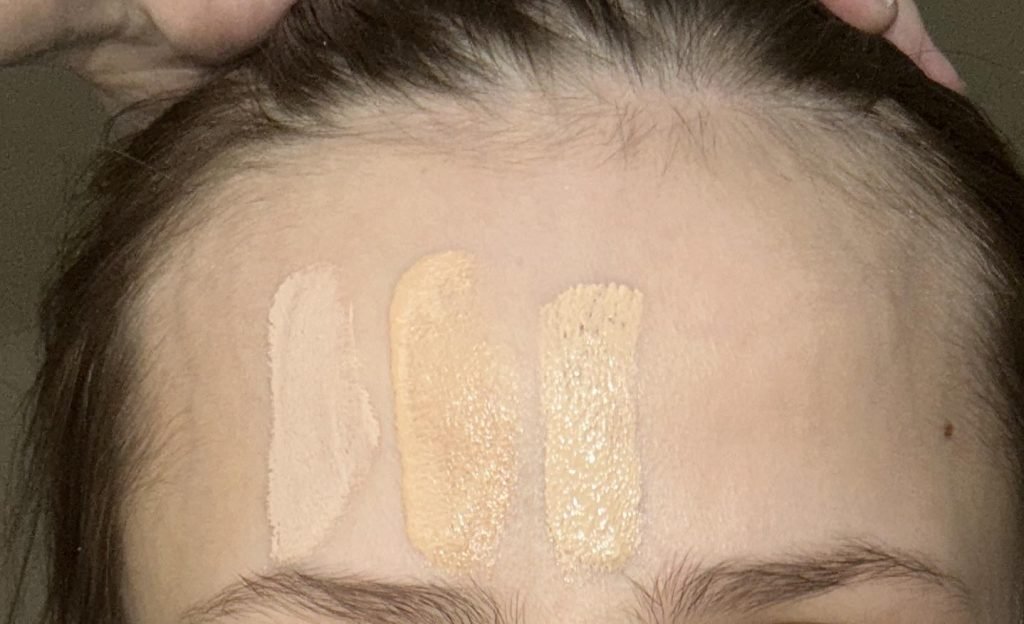
Choosing the right foundation for your olive skin tone can feel like solving a mystery. You’ve probably tried countless shades, only to find they’re either too light, too dark, or just not quite right.
But what if you could discover a foundation that truly enhances your natural beauty? Imagine the confidence of knowing your complexion looks flawless and radiant every day. You’ll uncover the secrets to finding the perfect match for your olive skin tone.
We’ll explore what makes olive skin unique and guide you through options that will leave you feeling beautiful and empowered. Let’s dive into the world of foundations and find the perfect one just for you.
Credit: www.nykaa.com
Choosing The Right Shade
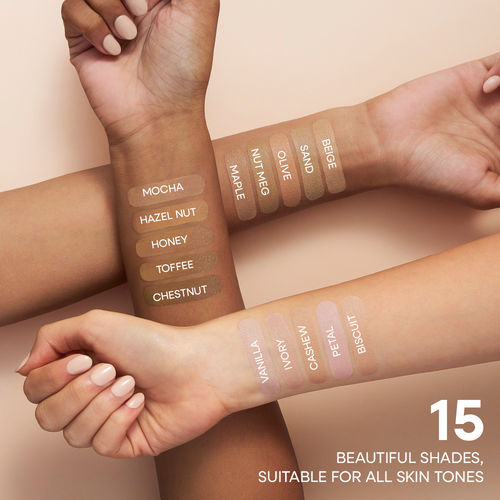
Choosing the right foundation shade for olive skin tone can feel tricky. The key is to look beyond the surface and understand what truly makes your skin unique. This will help you avoid the frustration of mismatched foundation and achieve a flawless, natural look.
Identifying Undertones In Olive Skin
Olive skin usually has a mix of yellow, green, and sometimes neutral undertones. This blend can make it hard to pick the perfect foundation shade just by looking at the skin color alone. Ask yourself: does your skin look better with gold or silver jewelry? This simple test can help you figure out if your undertone leans warm or cool.
Another tip is to check the veins on your wrist. If they appear greenish, you likely have warm undertones; if they look blue or purple, cool undertones might suit you better. Neutral undertones are a balance of both, which means you have a wider range of foundation shades to try.
Testing Foundations Effectively
Testing foundation in-store is tempting, but it’s important to test the shade under natural light. Artificial lighting can distort colors, leading to a mismatch. Apply a small amount along your jawline and blend it out to see if it disappears into your skin.
Wear the test patch for a few hours if you can. This helps you see how the foundation reacts with your skin’s natural oils and whether it oxidizes or changes color. Don’t forget to test on clean skin, as moisturizers and sunscreens can affect how the foundation looks.
Popular Shades For Olive Complexions
Brands have started recognizing the diversity in olive skin tones and offer shades designed specifically for you. Look for foundations labeled with terms like “golden beige,” “warm olive,” or “neutral olive.” These tend to match well without leaving your face looking too yellow or ashy.
- MAC’s NC30 and NC35 are favorites for medium olive skin.
- Fenty Beauty’s 240 and 290 offer great options with neutral to warm undertones.
- Maybelline Fit Me in 220 Natural Beige works well for lighter olive tones.
Have you noticed how some foundations make your skin glow, while others dull it? Picking the right shade can change how you feel about your skin every day. Keep trying until you find your perfect match—it’s worth the effort.
Prepping The Skin
Prepping your skin is the secret to flawless foundation application, especially for olive skin tones that require a balance of warmth and neutrality. Without the right base, even the best foundation can look patchy or unnatural. Let’s break down the essential steps to get your skin ready, so your foundation not only looks great but lasts throughout the day.
Cleansing And Moisturizing
Clean skin is the first step to a smooth foundation finish. Removing dirt and excess oils prevents your foundation from slipping or clinging to dry patches. Use a gentle cleanser suited for your skin type to avoid irritation or dryness.
Next, moisturize your skin to create a hydrated canvas. Olive skin often benefits from a lightweight moisturizer that balances hydration without adding shine. Have you noticed how a well-moisturized face helps foundation blend seamlessly, giving your skin a natural glow?
Primers That Enhance Coverage
Primer isn’t just an extra step; it’s a game changer for foundation coverage and wear time. Choose a primer that addresses your specific skin needs—whether it’s mattifying for oily areas or illuminating for dull skin.
For olive skin tones, primers with a slight peach or golden tint can brighten your complexion subtly. Have you tried using a tinted primer before your foundation? It can reduce the need for heavy layers and keep your makeup looking fresh longer.
Addressing Common Skin Concerns
Olive skin can have unique concerns like uneven undertones, hyperpigmentation, or redness. Tackling these issues before foundation helps you avoid a cakey or uneven finish.
Use color correctors strategically—peach or orange tones to cancel out dark spots, green for redness. Applying these under your foundation can save you from piling on concealer later. What’s your biggest skin concern that foundation alone hasn’t been able to fix?
Application Techniques
Applying foundation to olive skin tone requires more than just choosing the right shade. The way you apply it can make a huge difference in how natural and flawless your skin looks. Mastering the right techniques ensures your foundation enhances your unique undertones without looking heavy or cakey.
Tools For Smooth Application
The tools you use can change your foundation game entirely. A damp beauty sponge works wonders for olive skin because it helps blend foundation seamlessly without streaks. Brushes with synthetic bristles also provide great control and can be used to build coverage gradually.
Try switching between a sponge and a brush depending on the area of your face. For example, use a sponge to press foundation into the skin on your cheeks and a brush to cover smaller spots around your nose and chin. What tools do you find easiest to handle for a flawless finish?
Layering For Natural Finish
Applying foundation in thin layers is key to avoiding a mask-like effect. Start with a light layer and add more only where you need extra coverage. This approach keeps your skin looking fresh and allows your natural olive undertones to shine through.
You might notice certain areas of your face need more attention, like around the nose or under the eyes. Layer foundation gently in these spots and blend well. How often do you check your foundation in natural light to see if it still looks natural?
Blending Tips For Even Tone
Blending is what ties your entire look together. Use gentle, outward strokes when blending to avoid disturbing the foundation you’ve already applied. Don’t forget to blend along your jawline and hairline to prevent any harsh lines.
Sometimes, olive skin shows subtle redness or uneven tones—blending foundation well helps neutralize these areas. Experiment with blending tools and motions until your skin looks even and smooth. Have you tried blending with your fingers for a more controlled finish?

Credit: www.lauramercier.com
Choosing The Right Formula
Choosing the right foundation formula for olive skin tone can change how your makeup looks and feels throughout the day. The texture, coverage, and finish all impact your overall appearance and comfort. Understanding which formula suits your skin type and lifestyle helps you avoid common issues like cakey makeup or uneven tones.
Liquid Vs. Cream Foundations
Liquid foundations are popular for their lightweight feel and blendability. They work well if you want buildable coverage without looking heavy. Cream foundations offer richer coverage and a dewier finish, making them ideal if your skin tends to be dry or you need more coverage for imperfections.
Think about how your skin feels after applying foundation. Do you prefer something that absorbs quickly or a formula that stays creamy and hydrating? Your choice can affect the foundation’s wear time and how natural it looks on your olive skin.
Long-lasting Formulas For Olive Skin
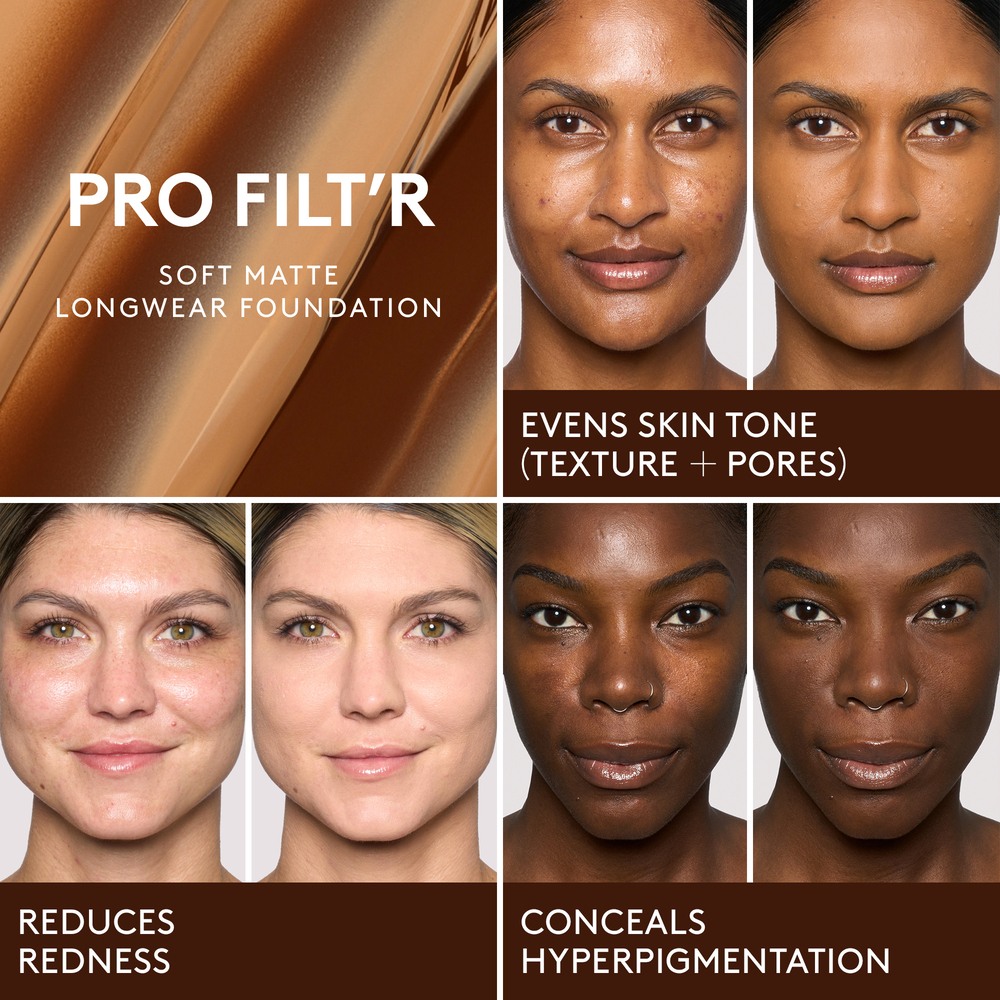
Long-lasting foundations often contain ingredients that control oil and prevent fading. If your olive skin leans oily or you spend hours outdoors, these formulas keep your makeup fresh. Look for options labeled as “matte” or “oil-control” but ensure they don’t make your skin look flat or dull.
Have you noticed how some foundations oxidize and turn orange on olive skin? Testing the formula on your jawline and observing it for a few hours can save you from that surprise. A foundation that stays true to your skin tone is worth the extra effort.
Foundations For Different Skin Types
Oily skin benefits from foundations with a matte finish and oil-absorbing ingredients like salicylic acid. Dry skin needs hydrating formulas with ingredients such as hyaluronic acid or glycerin to avoid flakiness. Combination skin requires a balanced formula that controls shine but also hydrates dry patches.
Do you know your skin’s current needs? Seasonal changes can affect your choice—what works in winter might not suit summer. Adjusting your foundation formula based on your skin’s condition ensures a flawless and comfortable look every day.
Setting And Finishing
Setting and finishing foundation is key to a smooth, long-lasting look. It locks in color and prevents shine. For olive skin tones, choosing the right products enhances natural warmth and glow. Proper setting keeps makeup fresh and flawless all day.
Powders And Setting Sprays
Use translucent powders to set foundation without changing color. Lightly dust the powder on oily areas like the T-zone. Setting sprays help seal makeup and add hydration. Choose sprays with a natural finish to avoid dullness. Both powders and sprays reduce shine and extend wear.
Contouring And Highlighting Tips
Contour with warm, matte shades a few tones deeper than your skin. Focus on cheekbones, jawline, and temples. Highlight with soft, golden tones to enhance olive undertones. Blend well to avoid harsh lines. This adds depth and a healthy glow to your face.
Maintaining Coverage Throughout The Day
Carry blotting papers to remove excess oil without disturbing makeup. Use a light touch to reapply powder if needed. Avoid heavy layers to prevent cakiness. Refresh with a setting spray to keep foundation intact. These steps help maintain a smooth, natural look all day long.
Credit: sephora.in
Frequently Asked Questions
What Foundation Shades Suit Olive Skin Tone Best?
Warm beige, golden tan, and caramel shades complement olive skin tones. Choose foundations with yellow or golden undertones for a natural look.
How To Choose Foundation For Olive Skin Undertones?
Identify if your olive skin has warm or neutral undertones. Pick a foundation that matches this undertone to enhance your complexion.
Can Olive Skin Tones Use Matte Foundation?
Yes, matte foundation works well for olive skin, especially if you have oily skin. It controls shine and provides a smooth finish.
Should I Use Primer With Foundation For Olive Skin?
Using a primer helps smooth texture and prolongs foundation wear. It enhances foundation adherence, especially for olive skin prone to oiliness.
Conclusion
Choosing the right foundation enhances your natural olive skin tone. It boosts confidence and creates a smooth, even look. Test shades in natural light for best results. Remember, comfort and skin health matter most. Keep your skin hydrated before applying foundation.
This simple routine helps your makeup last longer. Enjoy the process of finding your perfect match. Your skin will thank you for the care.
