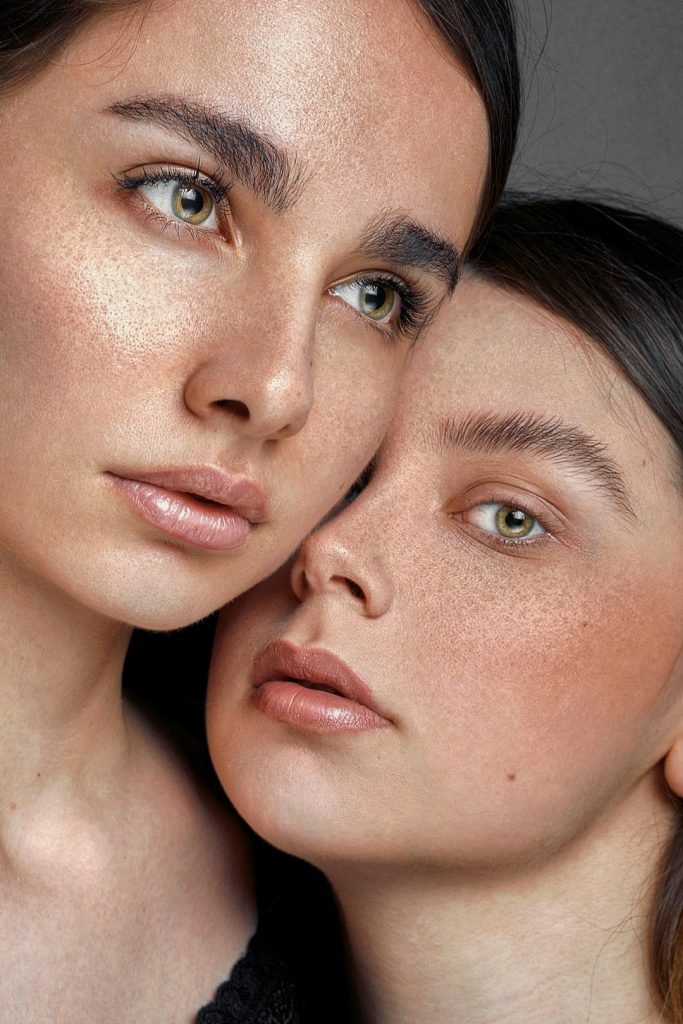
Are you noticing that your foundation doesn’t quite sit right on your skin anymore? It’s not just you.
As your skin matures, its needs change, and your makeup should adapt accordingly. Choosing the right foundation for mature skin can be a game-changer, enhancing your natural beauty while addressing concerns like fine lines, wrinkles, and uneven texture. Imagine a foundation that not only perfects your complexion but also nourishes your skin throughout the day.
Sounds ideal, right? You’ll discover everything you need to know about finding the perfect foundation tailored just for you, ensuring you look and feel your best every day. Keep reading, because the secret to flawless, radiant skin is just a few paragraphs away.
Choosing The Right Foundation
Choosing the right foundation for mature skin is more than picking a shade. It’s about understanding your skin’s unique needs and how different products interact with them. The right foundation can enhance your natural beauty without settling into fine lines or emphasizing texture.
Skin Type Considerations
Your skin type plays a key role in foundation choice. If you have dry skin, look for hydrating formulas that add moisture and avoid powders that can feel chalky. Oily skin benefits from mattifying foundations that control shine without clogging pores.
Combination skin requires a balanced formula that hydrates dry areas while keeping oily zones in check. Sensitive skin calls for fragrance-free, gentle foundations to prevent irritation. Have you noticed how some foundations sit differently on your skin by midday? That’s your skin type talking.
Matching Skin Tone
Matching your foundation to your skin tone is crucial for a natural look. Test shades along your jawline, not your hand, to find the best match. Natural light offers the most accurate reflection of how the color will appear outdoors.
Don’t hesitate to mix two shades if your skin tone changes with the seasons. Remember, your goal is to blend seamlessly, avoiding any noticeable lines around your face. Have you tried snapping a photo in natural light to check your foundation match?
Formula Varieties
Foundations come in many forms: liquid, cream, powder, and stick. Liquid foundations often provide buildable coverage and hydration, which is excellent for mature skin. Cream formulas can offer more moisture and coverage, ideal for dry or aging skin.
Powder foundations work well for oily skin but might emphasize texture if used heavily. Stick foundations are convenient for touch-ups but choose ones with a lightweight feel to avoid cakey results. Which formula feels most comfortable on your skin throughout the day?

Credit: www.independent.co.uk
Prepping Mature Skin
Prepping mature skin before applying foundation is essential for a flawless and comfortable finish. Your skin changes over time, so your routine should adapt to those needs. Taking a few extra minutes to care for your skin can make a huge difference in how your foundation looks and feels throughout the day.
Cleansing And Moisturizing
Start with a gentle cleanser that won’t strip your skin’s natural oils. Mature skin tends to be drier, so hydration is key.
After cleansing, use a rich moisturizer to lock in moisture. You might find that creams with ingredients like hyaluronic acid or ceramides work well to plump and smooth your skin.
Have you noticed how skipping moisturizer makes your foundation cling to dry patches? Keeping your skin hydrated creates a smooth canvas for makeup application.
Primers For Smooth Application
Primers are not just for younger skin; they help mature skin too.
Look for silicone-based primers that fill in fine lines and create a silky base. This prevents foundation from settling into wrinkles.
Some primers also contain light-reflecting particles, which brighten dull areas and add a subtle glow. This can make your skin look fresher and more awake.
Addressing Fine Lines And Texture
Foundation can sometimes highlight fine lines and uneven texture if your skin isn’t prepped properly.
Use a gentle exfoliant a few times a week to remove dead skin cells. This step helps your foundation glide on smoothly rather than clinging to rough patches.
Consider mixing a drop of facial oil into your foundation for extra hydration and a dewy finish. This trick softens the look of lines and gives your skin a natural radiance.
Application Techniques
Applying foundation on mature skin requires more than just picking the right formula. The way you apply it can make a big difference in how natural and smooth your skin looks. Using the right techniques helps avoid emphasizing fine lines and keeps your skin looking fresh.
Tools For Flawless Finish
Choosing the right tools can change your foundation game. A damp makeup sponge works wonders for mature skin because it presses the product gently without pulling or dragging. Brushes with soft, synthetic bristles can also help spread the foundation evenly but be careful not to overwork the skin.
Have you tried using your fingers? The warmth from your hands can help blend the foundation seamlessly, especially around delicate areas like the eyes and mouth. Experiment with different tools to see which gives your skin the smoothest look without clogging fine lines.
Layering For Coverage
Start with a thin layer of foundation and build up only where you need more coverage. This approach keeps your skin from feeling heavy or cakey. Applying too much product at once can settle into wrinkles and make them more noticeable.
Think about areas that need extra attention, like redness or age spots, and add foundation carefully there. You might find that using a lightweight concealer under foundation for these spots creates a more natural finish. How much coverage do you really need to feel confident?
Blending Tips
Blending is key to a natural look. Use gentle, patting motions instead of rubbing to avoid disturbing your skin’s texture. Pay special attention to the edges around your jawline and hairline to prevent harsh lines.
Try blending your foundation slightly beyond your face onto your neck and ears. This simple step can prevent the “mask” effect and make your skin tone look uniform. What blending technique feels most comfortable for your skin type?
Enhancing Radiance
Foundation for mature skin should do more than cover flaws. It should bring life back to the face. Enhancing radiance means making skin look fresh and glowing. This helps mature skin feel vibrant and healthy.
Highlighting Strategies
Use highlighting to bring light to the face. Apply a soft highlighter on cheekbones, brow bones, and the bridge of the nose. These areas catch natural light. Avoid heavy shimmer that can settle into wrinkles. Choose cream or liquid formulas for a smooth finish. Blend well for a natural glow.
Choosing Luminous Products
Select foundations with a luminous or dewy finish. These products reflect light gently. They make skin look hydrated and alive. Avoid powders that dry out the skin or create a dull effect. Look for ingredients like hyaluronic acid or light-reflecting particles. These help keep skin moist and radiant all day.
Avoiding Matte Flatness
Matte foundations can make mature skin look dry and flat. They hide natural skin texture and glow. Choose formulas that balance coverage with brightness. Skip heavy powders that remove all shine. Instead, use a light dusting of translucent powder only where needed. This keeps the skin looking soft and alive.
Long-lasting Wear
Keeping your foundation fresh and flawless all day can feel like a challenge, especially for mature skin. The right techniques and products make a big difference in how long your makeup lasts. Let’s dive into practical ways to extend the wear of your foundation without it settling into fine lines or fading away.
Setting Products
Choosing the right setting products can lock your foundation in place without drying out your skin. A lightweight, hydrating setting spray works wonders for mature skin, adding a subtle glow while extending wear time.
Powders can be tricky. Opt for finely milled translucent powders and apply sparingly to avoid accentuating texture. You might find a powder with a touch of shimmer helps maintain a youthful radiance throughout the day.
Touch-up Tips
Touching up doesn’t mean piling on more foundation. Instead, focus on gently patting a bit of concealer or foundation with a damp makeup sponge onto areas that need it most.
Carry blotting papers to manage shine without disturbing your base. This keeps your skin looking fresh without adding extra product that can cake or settle.
Maintaining Glow Throughout The Day
Hydration is key to a natural glow. Spritzing a facial mist or applying a small amount of moisturizer before makeup can help your skin stay plump and luminous.
Have you noticed how your skin looks best in the morning but dulls by afternoon? Keep a subtle highlighter or cream blush handy to revive your complexion with a few quick dabs.

Credit: www.amazon.com
Common Mistakes To Avoid
Applying foundation on mature skin can be tricky, and many make mistakes that end up highlighting wrinkles or making the skin look cakey. Avoiding common pitfalls can help your makeup look smooth and natural, enhancing your skin’s beauty rather than masking it. Let’s look at some frequent errors and how you can prevent them.
Over-application
Putting on too much foundation is a common trap. Thick layers tend to settle into fine lines and wrinkles, making them more obvious instead of hiding them.
Try using a small amount and build coverage only where needed. Think about applying foundation in thin layers like you would a moisturizer—less is often more.
Ignoring Skin Needs
Your skin changes over time, so the same foundation routine from years ago may not work anymore. Dryness, sensitivity, or uneven texture require different approaches.
Have you checked if your skin feels tight or flaky before applying foundation? Moisturizing well and choosing hydrating formulas can make a big difference in how your foundation sits on your skin.
Wrong Product Choices
Not all foundations are created equal, especially for mature skin. Matte or powder-heavy products can emphasize dryness and lines.
Look for foundations labeled as hydrating, luminous, or designed for aging skin. Testing products on your skin before buying helps avoid regret later.

Credit: www.amazon.com
Frequently Asked Questions
What Foundation Type Suits Mature Skin Best?
A hydrating, lightweight foundation works best for mature skin. It provides moisture and avoids settling into fine lines. Look for formulas with anti-aging ingredients and a dewy finish for a youthful glow.
How To Apply Foundation On Mature Skin Properly?
Use a damp makeup sponge or brush to apply foundation gently. Avoid heavy layers to prevent cakiness. Start with a thin layer and build coverage gradually for a natural look.
Which Ingredients In Foundation Benefit Mature Skin?
Foundations with hyaluronic acid, peptides, and antioxidants benefit mature skin. These ingredients hydrate, firm, and protect skin from environmental damage. Avoid products with high alcohol content as they can dry out skin.
Can Foundation Reduce The Appearance Of Wrinkles?
Yes, foundations with light-reflecting particles and smoothing agents can minimize wrinkle visibility. They blur imperfections and create a soft-focus effect, enhancing skin’s appearance without emphasizing lines.
Conclusion
Choosing the right foundation can boost your skin’s natural beauty. It helps cover wrinkles and evens out skin tone. Moisturizing foundations keep skin soft and fresh. Always pick products made for mature skin types. Test shades in natural light for the best match.
A good foundation feels light and looks natural. Keep your skin healthy with proper care every day. This simple step makes a big difference in how you feel and look. Give your skin the attention it deserves. It will show in your radiant, confident appearance.
