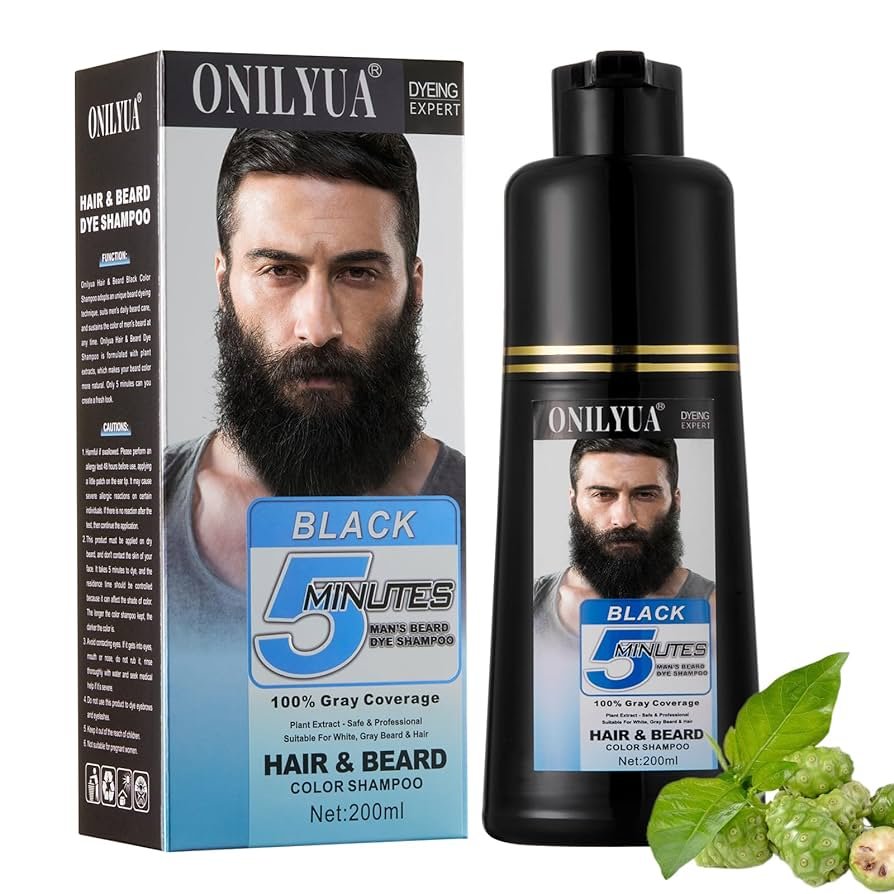
Your facial hair says a lot about you. Whether you sport a full beard, a mustache, or just a bit of stubble, taking care of it can boost your confidence and make you look sharp.
But how do you keep your facial hair healthy, soft, and well-groomed without spending hours? This guide will show you simple, effective steps to transform your routine and keep your facial hair looking its best. Ready to master the secrets of facial hair care?
Keep reading—you won’t want to miss these tips.
Credit: uk.style.yahoo.com
Beard Types And Growth Patterns
Beard types and growth patterns shape how facial hair looks and feels. Understanding these helps maintain a healthy beard. Everyone’s beard grows differently. Some have thick hair, others thin. Growth direction also varies, affecting styling choices.
Common Beard Styles
Beard styles suit different face shapes and hair types. Here are popular ones:
- Stubble:Short, rough hair. Easy to maintain and suits many faces.
- Goatee:Hair on chin only. Adds definition to the jawline.
- Full Beard:Covers cheeks, jaw, and chin. Needs regular care for neatness.
- Van Dyke:Pointed beard with a mustache. Classic and stylish.
- Chin Strap:Thin line along the jaw. Sharp and modern look.
Choosing a style depends on hair growth and personal preference.
Understanding Growth Cycles
Beard hair grows in cycles. Each cycle has three phases:
| Phase | Description | Duration |
|---|---|---|
| Anagen | Active growth phase. Hair grows longer. | 2 to 6 years |
| Catagen | Transition phase. Growth slows down. | 2 to 3 weeks |
| Telogen | Resting phase. Hair falls out. | 2 to 3 months |
Not all hairs grow at the same time. This causes patchiness sometimes. Patience and care improve beard fullness.
Daily Beard Grooming Routine
Maintaining a healthy and attractive beard requires more than just letting it grow. Your daily beard grooming routine shapes how your facial hair looks and feels throughout the day. It can boost your confidence and keep your skin comfortable underneath.
Cleansing And Washing
Start your day by washing your beard with a gentle beard shampoo or cleanser. Regular soap can dry out the hair and skin, causing itchiness and flakes. Use lukewarm water to open pores and rinse thoroughly to remove dirt and oils.
Think about how your beard feels after a long day—does it feel greasy or dry? Washing every day might not be necessary for everyone. Some find washing every other day keeps the beard balanced and healthy.
Moisturizing And Conditioning
After washing, apply a beard conditioner or oil to keep the hair soft and skin hydrated. Beard oil also helps prevent beard dandruff and reduces itchiness, especially during early growth phases. A few drops massaged into your beard can make a noticeable difference.
Ask yourself if your beard feels rough or brittle by evening. If yes, adding a moisturizer or balm can protect the hair and lock in moisture. Choose products with natural ingredients like jojoba oil or shea butter for best results.
Choosing The Right Beard Products
Choosing the right beard products can make a huge difference in how your facial hair looks and feels. Not every product suits every beard type, so understanding what works best for you is key. Have you ever bought a product that promised great results but left your beard dry or greasy instead? Let’s break down some popular options and how to pick the best ones.
Beard Oils And Balms
Beard oils are perfect if you want to soften your beard and keep the skin underneath hydrated. They usually contain natural oils like jojoba or argan, which help reduce itchiness and flakiness. If your beard feels rough or looks dull, adding a few drops of beard oil daily can bring back a healthy shine.
Beard balms are thicker and provide more hold than oils. They work well if you want to style your beard while also moisturizing it. Balms often contain beeswax, which helps tame stray hairs and gives your beard a fuller appearance.
- Use beard oil if your skin feels dry or your beard is thin.
- Choose beard balm if you want some control over your beard shape.
- Look for products with natural ingredients to avoid irritation.
Shampoos And Conditioners
Regular hair shampoos can strip away natural oils from your beard, leaving it dry and brittle. Beard-specific shampoos are gentler and help maintain moisture balance. They clean your beard without damaging the hair or irritating your skin.
Conditioners designed for beards soften the hair and make it easier to manage. Using a conditioner after shampooing can reduce tangles and prevent breakage. If your beard feels coarse or hard to comb, adding a conditioner could be a game-changer.
| Product Type | Purpose | Best For |
|---|---|---|
| Beard Oil | Moisturizes skin and softens hair | Dry skin, thin or patchy beards |
| Beard Balm | Moisturizes and styles beard | Thicker beards, styling control |
| Beard Shampoo | Cleans without drying | All beard types, sensitive skin |
| Beard Conditioner | Softens and detangles hair | Coarse or tangled beards |
Which products have you tried so far? Do you feel they truly meet your beard’s needs? Sometimes, experimenting with a combination of oils, balms, shampoos, and conditioners helps you find the perfect routine for your facial hair.

Credit: www.harrys.com
Trimming And Shaping Tips
Trimming and shaping your facial hair keeps it neat and stylish. It helps maintain a clean look and highlights your face shape. Proper trimming prevents uneven growth and split ends. Follow simple tips for the best results.
Tools You Need
- Quality beard trimmer with adjustable guards
- Sharp scissors for detailed shaping
- Fine-tooth comb to detangle hair
- Razor for clean edges and neckline
- Mirror with good lighting
- Beard oil or balm to soften hair before trimming
Techniques For Even Trimming
Start by combing your beard to remove tangles. Trim in small sections for better control. Use the longest guard first, then gradually shorten it. Trim against hair growth to catch stray hairs. Check your progress often in the mirror. Clean the trimmer blades regularly for smooth cutting. Use scissors for tricky spots or mustache edges. Define your neckline by trimming just above your Adam’s apple. Keep your cheeks tidy by shaving stray hairs above your natural line.
Dealing With Common Beard Issues
Beard care isn’t just about style—it’s about maintaining healthy skin and hair beneath the surface. Many men face common problems that can turn their beard journey into a frustrating experience. Tackling these issues head-on can make your beard not only look better but feel better too.
Beard Dandruff And Itchiness
Beard dandruff, often mistaken for dry skin, is caused by a buildup of dead skin cells. It can lead to persistent itchiness that makes you want to scratch all day. This discomfort often appears when your skin is dry or irritated beneath the beard.
To ease itchiness and reduce dandruff, try washing your beard regularly with a gentle beard shampoo. Avoid harsh soaps that strip natural oils. After washing, apply a beard oil or moisturizer to keep the skin hydrated and calm.
Have you noticed how your skin reacts to different products? Sometimes a simple change in beard oil or shampoo can make all the difference. Adding a weekly exfoliation routine with a soft brush can also help remove dead skin and prevent flakes.
Patchy Beard Solutions
Patchy beard growth is a common concern and can make you feel self-conscious. Genetics play a big role, but there are ways to encourage fuller growth. Patience is key since hair growth cycles vary from person to person.
Massaging your beard area daily stimulates blood flow, which supports hair follicles. Using products with ingredients like biotin and vitamin E can nourish the hair and skin. Some men find that trimming uneven areas regularly helps the beard look neater while waiting for patches to fill in.
Have you ever tried style adjustments to mask patchiness? Growing your beard longer in areas with denser hair can help cover thinner spots. Remember, a well-groomed patchy beard can still look impressive with the right care.
Nutrition And Lifestyle For Beard Health
Healthy facial hair depends a lot on good nutrition and lifestyle choices. These factors affect how thick, strong, and shiny your beard looks. Eating the right foods and following good habits support hair growth and skin health beneath your beard. Small changes can bring better results faster.
Foods That Promote Growth
Eating nutrient-rich foods helps beard hair grow thicker and faster. Include these in your diet:
- Proteins:Eggs, chicken, and fish provide building blocks for hair.
- Vitamins:Vitamin A, C, and E support hair health and skin repair.
- Biotin:Found in nuts, seeds, and leafy greens, biotin boosts hair strength.
- Omega-3 Fatty Acids:Fish and flaxseeds help reduce inflammation and nourish hair follicles.
- Zinc:Meat and legumes improve hair growth and repair damaged cells.
Habits That Affect Beard Quality
Daily habits impact the look and feel of your beard. Avoid these to keep your beard healthy:
- Smoking:Reduces blood flow, harming hair growth.
- Poor Sleep:Slows down cell repair and hair regeneration.
- Stress:Can cause hair loss or patchy growth.
- Neglecting Skin Care:Dry, flaky skin blocks healthy hair growth.
- Overwashing:Strips natural oils, making hair brittle and dull.
Styling Your Beard For Different Occasions
Styling your beard for different occasions can make a significant difference in how you present yourself. Your beard isn’t just facial hair; it’s a statement. Adapting your beard style to fit casual or formal settings shows attention to detail and personal grooming.
Casual Looks
Casual beard styles are all about comfort and ease. A well-maintained stubble or a short, neatly trimmed beard works great for everyday outings. You want your beard to look natural yet intentional.
Try using a beard oil or balm to keep your facial hair soft and manageable. This helps avoid that unkempt look many people associate with casual beards. Have you noticed how a little grooming can instantly boost your confidence during casual hangouts?
Don’t hesitate to experiment with shapes that suit your face. Rounded edges or a slight fade on the sides can add a relaxed vibe without appearing sloppy. Keep your neckline clean to avoid looking like you forgot your grooming routine.
Formal Styles
Formal occasions call for sharp, defined beard styles. A full beard trimmed with precision or a classic goatee can enhance your polished appearance. The key is symmetry and sharp edges.
Use a fine-tooth comb and a quality trimmer to outline your beard sharply. This adds a crisp finish that pairs well with suits and formal wear. You might find that a clean neckline and cheek line create a striking contrast, emphasizing your jawline.
Consider the event’s tone—business meetings might require a subtle, professional look, while weddings allow for a bit more flair. Have you ever felt your beard style made you stand out in a room full of people? That’s the power of a well-styled formal beard.

Credit: www.packagingstrategies.com
Frequently Asked Questions
How Often Should I Groom My Facial Hair?
Groom your facial hair every 2-3 days to maintain a neat look. Regular trimming prevents split ends and promotes healthy growth. Use quality grooming tools for best results.
What Products Are Best For Facial Hair Care?
Use beard oils, balms, and conditioners to keep hair soft and hydrated. Choose products with natural ingredients to avoid irritation. Regular application improves texture and appearance.
How Can I Prevent Beard Dandruff?
Prevent beard dandruff by washing your facial hair regularly with a gentle cleanser. Moisturize daily using beard oil to reduce dryness. Exfoliate the skin beneath to remove dead flakes.
Is Trimming Necessary For Facial Hair Health?
Yes, trimming removes split ends and shapes your beard. It promotes even growth and prevents a scruffy appearance. Trim regularly to maintain your desired style.
Conclusion
Caring for facial hair is essential for a healthy appearance. Regular washing keeps it clean and fresh. Trimming shapes it neatly and prevents split ends. Using quality products nourishes and softens the hair. Brushing daily improves circulation and growth. Healthy skin underneath is crucial for strong facial hair.
Balanced diet and hydration play key roles. Everyone’s hair is different, so find what suits you best. With patience and care, your facial hair will thrive. Enjoy the journey to a well-groomed look.
