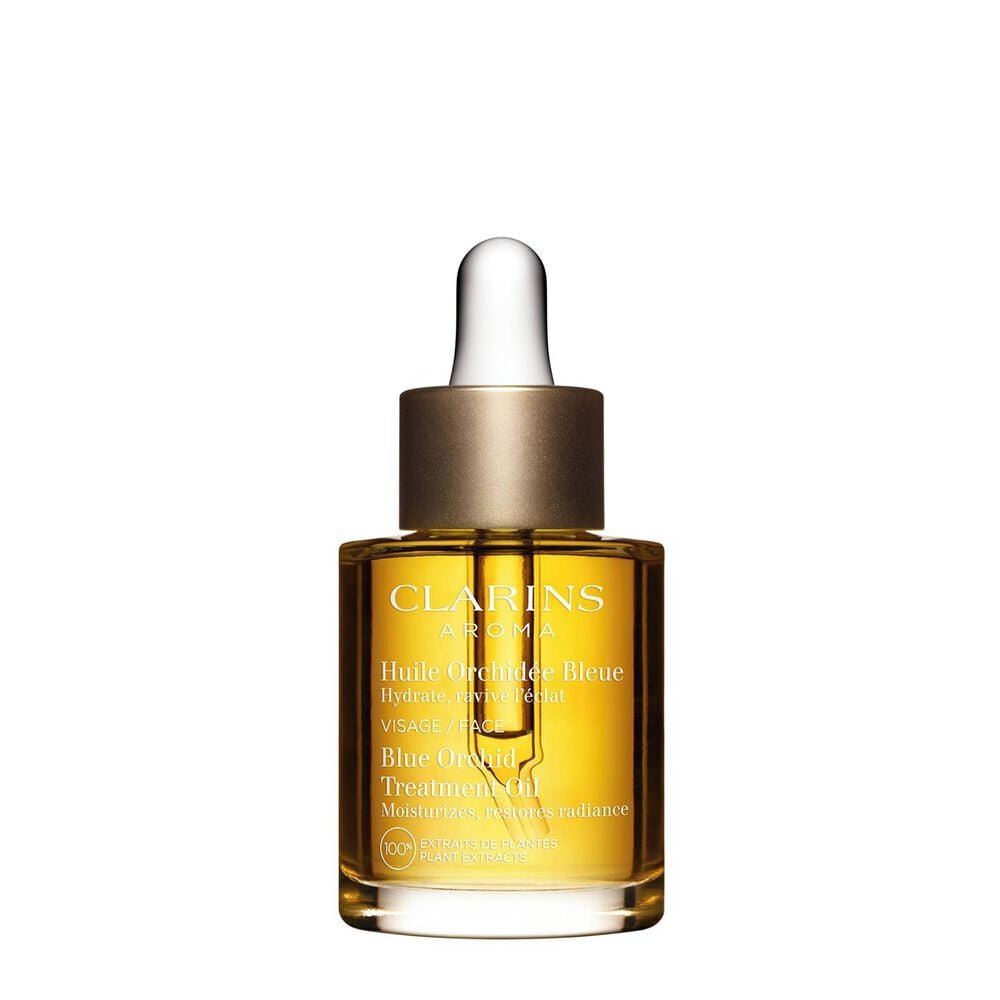
Imagine waking up every morning to skin that feels as soft and supple as it looks. If dry skin is your daily struggle, you might feel like achieving this dream is out of reach.
But what if there was a simple solution that could transform your skin, making it glow with health and vitality? Enter face oil for dry skin—the secret weapon in skincare that promises to nourish, hydrate, and rejuvenate your parched complexion.
You’re about to discover how the right face oil can become your skin’s best friend, quenching its thirst and leaving it looking radiant and youthful. This isn’t just another skincare product; it’s the key to unlocking the beautiful, hydrated skin you’ve always wanted. Ready to explore how face oil can revolutionize your skincare routine? Let’s dive in.
Credit: www.amazon.ca
Benefits Of Face Oil For Dry Skin
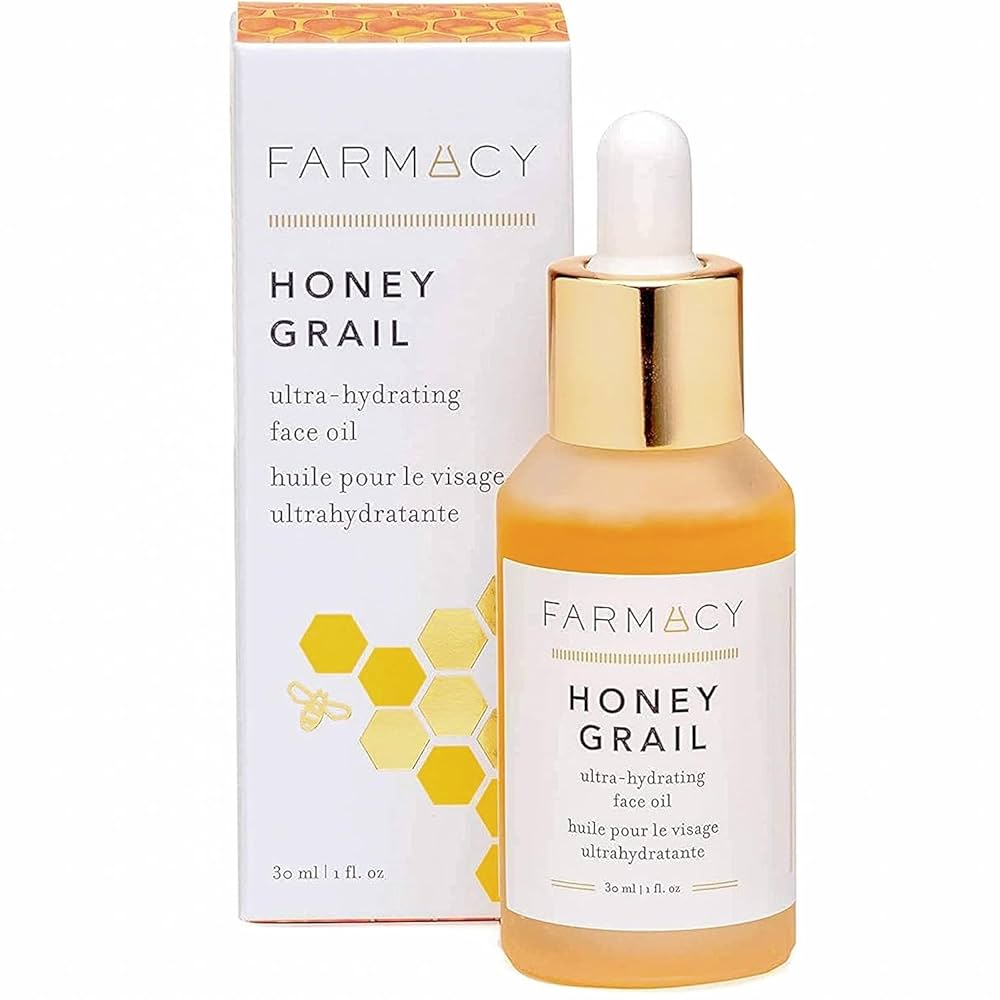
Face oil offers many benefits for dry skin. It deeply nourishes and soothes rough patches. Oils help restore the skin’s natural barrier. They also bring a healthy, radiant glow. Using face oils can reduce flakiness and tightness. They support long-lasting hydration throughout the day.
Nourishing Ingredients To Look For
Choose oils rich in vitamins and fatty acids. These ingredients repair and protect dry skin. Examples include:
- Jojoba oil – balances moisture without clogging pores
- Argan oil – high in vitamin E and antioxidants
- Rosehip oil – helps with skin regeneration and glow
- Sweet almond oil – soothes irritation and adds softness
- Marula oil – lightweight and deeply hydrating
Look for oils that suit your skin type and needs.
How Face Oils Lock In Moisture
Face oils create a protective layer on the skin. This layer stops water from evaporating. It keeps the skin hydrated longer. Oils also strengthen the skin barrier. A strong barrier holds moisture better. This prevents dryness and irritation. Using oil after moisturizing seals in hydration well.
Comparing Oils And Creams
| Feature | Face Oils | Creams |
|---|---|---|
| Texture | Light and absorb quickly | Thicker and sometimes heavy |
| Hydration | Locks in moisture effectively | Provides moisture but can feel heavy |
| Ingredients | Natural oils, vitamins, antioxidants | Water-based with emulsifiers |
| Best for | Dry, flaky, sensitive skin | Normal to dry skin needing more moisture |
Oils and creams can complement each other well. Oils seal and nourish. Creams hydrate and protect. Combining both can improve dry skin care.
Credit: www.shopjaded.ca
Choosing The Right Face Oil
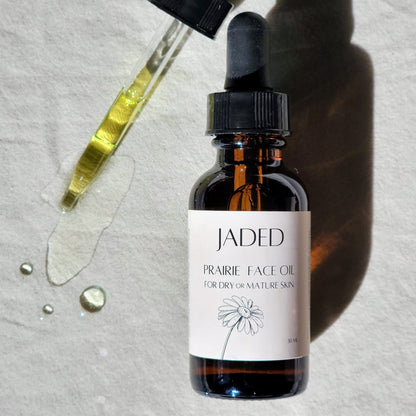
Choosing the right face oil for dry skin can feel overwhelming with so many options available. The key is to find oils that deeply nourish without clogging pores or causing irritation. Understanding your skin’s unique needs will help you pick the perfect oil to add glow and moisture to your routine.
Best Oils For Dry And Sensitive Skin
Some oils are naturally gentle and hydrating, making them ideal for dry and sensitive skin. Look for oils rich in fatty acids and antioxidants like:
- Jojoba oil:Balances skin moisture without feeling heavy.
- Argan oil:Packed with vitamin E, it soothes and softens dry patches.
- Rosehip oil:Helps repair skin and reduces redness.
- Marula oil:Lightweight but deeply moisturizing.
Have you ever tried one of these oils and noticed an instant boost in comfort? These oils often feel like a quick fix when your skin is begging for hydration.
Avoiding Comedogenic Oils
Oils that clog pores can worsen dryness by triggering breakouts and inflammation. Avoid heavy, comedogenic oils like coconut oil or palm oil if your skin is prone to acne or irritation.
Check the comedogenic rating of any oil before trying it. A rating of 0 to 2 is usually safe for dry, sensitive skin.
Are you paying attention to how your skin reacts after applying an oil? If you notice increased breakouts or redness, it may be time to switch.
Blending Oils With Your Skincare Routine
Face oils work best when added thoughtfully to your existing skincare routine. You can apply a few drops after moisturizing to lock in hydration, or mix oil with your moisturizer for extra nourishment.
Start with a small amount and observe how your skin responds before increasing usage.
How does your skin feel after layering oil? If it feels greasy or heavy, try using less or applying it at night instead.
Application Techniques For Maximum Hydration
Mastering the right way to apply face oil can dramatically boost your skin’s hydration. Dry skin craves nourishment that penetrates deeply rather than sitting on the surface. How and when you apply your face oil can make all the difference in locking in moisture and achieving that healthy glow.
When To Apply Face Oil
Timing is crucial for face oil application. Apply it on slightly damp skin to help seal in moisture effectively. After washing your face or using a hydrating toner, gently pat your skin and then add the oil.
This technique traps hydration beneath the oil, giving your skin a plumper, softer feel. Think of the oil as a barrier that stops moisture from evaporating. Have you noticed how some oils feel greasy? Applying on damp skin helps avoid that heavy, sticky sensation.
Layering With Serums And Moisturizers
Layering can be tricky but very rewarding if done right. Start with water-based serums to target specific concerns like dullness or fine lines. After the serum absorbs, apply your moisturizer to nourish and hydrate deeply.
Finally, use your face oil as the last step to lock everything in place. This order helps the oil form a protective layer without blocking the benefits of other products. If your skin feels oily, try reducing the amount of oil or switching to a lighter formula.
Using Face Oil For Nighttime Care
Nighttime is when your skin repairs itself, so face oil can work wonders here. Apply the oil after your nighttime moisturizer to provide extra hydration while you sleep. You might wake up with skin that looks more radiant and feels softer.
Try a few drops and gently press the oil into your skin instead of rubbing. This method helps avoid irritation and supports better absorption. Have you ever noticed your skin’s texture improve overnight after using oil? That’s the magic of nighttime care.
Diy Face Oil Recipes For Dry Skin
Creating your own face oil for dry skin can be a rewarding way to nourish your skin with natural ingredients tailored to your needs. DIY face oils allow you to control what goes on your skin, avoiding unnecessary chemicals and focusing on hydration and repair. Have you ever wondered which oils work best together to restore softness and glow? Let’s dive into some easy recipes and tips to get you started.
Simple Oil Blends At Home
Start with carrier oils known for their moisturizing properties. Sweet almond oil and jojoba oil are excellent choices because they absorb well without feeling greasy. Mixing these oils in a 2:1 ratio can create a balanced base.
- Sweet Almond Oil:Rich in vitamin E, it soothes dry, irritated skin.
- Jojoba Oil:Mimics natural skin oils, helping to regulate moisture.
Try adding a small amount of avocado oil for extra nourishment, especially if your skin feels flaky. A simple blend could be:
| Oil | Amount |
|---|---|
| Sweet Almond Oil | 2 tablespoons |
| Jojoba Oil | 1 tablespoon |
| Avocado Oil | 1 teaspoon |
This combination hydrates deeply and feels light on the skin. Have you noticed how a personal blend feels different from store-bought oils?
Adding Essential Oils Safely
Essential oils can boost your face oil with their therapeutic properties, but they must be added carefully to avoid irritation. Always dilute essential oils in your carrier oil base, using no more than 1-2% of the total blend.
- Lavender:Calms skin and reduces redness.
- Frankincense:Supports skin regeneration and smoothness.
- Chamomile:Soothes inflammation and dryness.
A drop or two of one of these oils per tablespoon of carrier oil is enough. Have you tried patch testing your blends before full application? It’s a simple step that can save your skin from unwanted reactions.
Storage Tips To Maintain Freshness
Keeping your DIY face oil fresh ensures it stays effective and safe to use. Store your oils in dark glass bottles to protect them from sunlight, which can break down nutrients.
- Keep bottles tightly closed to prevent air exposure.
- Store in a cool, dry place away from heat sources.
- Label your blends with the date you made them and use within 3-6 months.
Have you ever noticed a change in smell or color in your homemade oils? That’s a sign it’s time to make a fresh batch. Caring for your oils properly means better results for your skin every time.
Common Mistakes To Avoid
Using face oil for dry skin can be a game-changer, but there are some common mistakes that might hold you back from seeing the best results. Avoiding these pitfalls helps your skin get the nourishment it needs without causing new problems. Let’s look at some key errors to watch out for.
Overusing Face Oil
Applying too much face oil is one of the biggest mistakes you can make. Instead of helping, it can leave your skin feeling greasy and clogged. Start with just a few drops and gently massage them into your skin—your face will absorb what it needs, no more.
Have you ever noticed your skin looking shiny a few hours after application? That’s a sign to cut back on the amount you use.
Ignoring Skin Reactions
It’s easy to overlook how your skin reacts to a new product, but you shouldn’t. If you experience redness, itching, or breakouts, take it seriously. These signs mean your skin might not be happy with that particular oil.
Pay attention to how your skin behaves after each use. Sometimes, the problem isn’t the oil itself but how it interacts with other products in your routine.
Skipping Patch Tests
Jumping straight into full-face application without a patch test can lead to unpleasant surprises. Test the oil on a small area like your wrist or behind your ear first. Wait 24-48 hours to check for any adverse reactions.
This simple step can save you from irritation and wasted product. Would you rather risk a reaction on your entire face or just a small patch?

Credit: www.amazon.ca
Additional Tips For Dry Skin Hydration
Keeping dry skin hydrated goes beyond just applying face oil. Your daily habits and environment play a huge role in how well your skin retains moisture. Here are some practical tips to help you boost hydration from the inside out and protect your skin throughout the day.
Hydrating Foods And Supplements
You might be surprised how much your diet affects your skin’s moisture levels. Drinking plenty of water is essential, but eating foods rich in water content helps too. Think cucumbers, watermelon, oranges, and strawberries—they provide hydration and vital vitamins that support skin health.
Omega-3 fatty acids found in fish like salmon or supplements such as flaxseed oil can improve your skin’s barrier and reduce dryness. Have you ever noticed your skin feels better after a week of eating well? That’s no coincidence.
Humidifiers And Environmental Factors
Dry indoor air can suck moisture right out of your skin, especially in winter. Using a humidifier adds moisture to the air, helping your skin stay hydrated longer. Even a small device in your bedroom or workspace can make a big difference.
Pay attention to environmental triggers like harsh winds or indoor heating, which can worsen dryness. Wearing a scarf or adjusting your thermostat can protect your skin from losing moisture. What environmental changes can you make today to help your skin?
Consistent Skincare Habits
Applying face oil is powerful, but consistency is key. Make it a part of your daily routine, ideally right after cleansing and while your skin is still slightly damp. This locks in moisture and enhances the oil’s effectiveness.
Don’t skip gentle exfoliation once or twice a week to remove dead skin cells that block hydration. Also, avoid harsh soaps or hot water that strip your skin’s natural oils. How regular is your skincare routine, and could small tweaks improve your skin’s hydration?
Frequently Asked Questions
What Is The Best Face Oil For Dry Skin?
The best face oils for dry skin are nourishing and hydrating. Look for oils rich in fatty acids like jojoba, argan, and rosehip. These oils deeply moisturize, restore skin barrier, and leave skin soft without clogging pores.
How Often Should I Use Face Oil On Dry Skin?
Use face oil once or twice daily for dry skin. Apply it after cleansing and toning, ideally before moisturizer. Regular use helps lock in moisture and improves skin texture over time. Adjust frequency based on your skin’s response.
Can Face Oil Replace Moisturizer For Dry Skin?
Face oil can supplement but not fully replace moisturizer for dry skin. Oils seal in hydration but don’t provide enough water content alone. For best results, layer oil over a hydrating moisturizer to keep skin balanced and nourished.
When Is The Best Time To Apply Face Oil?
Apply face oil at night or after moisturizer in the morning. Nighttime use helps skin repair and regenerate. Morning use protects skin and adds a healthy glow. Always apply to slightly damp skin for better absorption.
Conclusion
Face oil can help dry skin feel soft and smooth. It adds moisture and protects the skin from dryness. Using the right oil daily improves skin health. Choose oils that match your skin type and needs. Apply gently and give time to absorb.
With regular use, your skin will glow and stay hydrated. Simple steps bring lasting comfort and care. Try face oils to see the difference yourself. Your skin will thank you.
