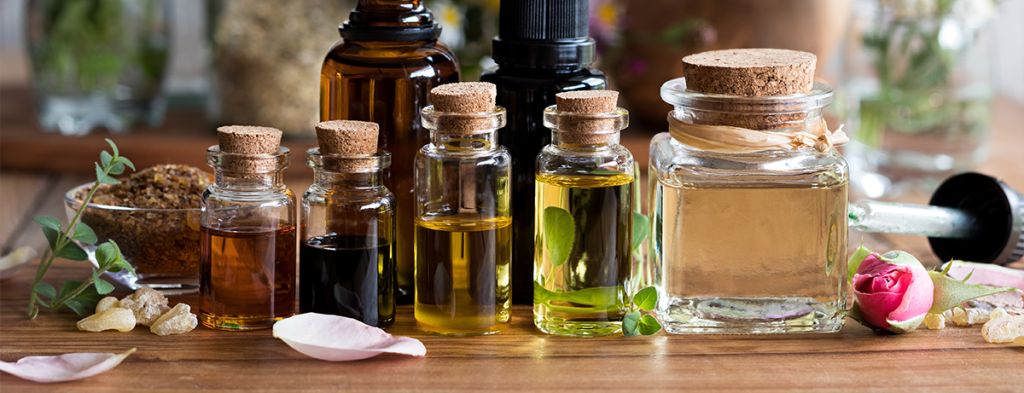
Imagine transforming your skincare routine with just a few drops of natural goodness. Essential oils for skin offer a world of benefits waiting to be discovered.
Whether you’re looking to tackle dryness, reduce blemishes, or simply indulge in some self-care, essential oils might be the secret ingredient you need. They harness nature’s power to nourish and rejuvenate your skin. But how do you know which oils are right for you?
And how can you use them safely for maximum benefits? Stay with us as we delve into the fascinating world of essential oils, unlocking the secrets to glowing, healthy skin. You’ll learn how to choose the perfect oils for your skin type and how to incorporate them into your daily routine. Ready to uncover the natural way to radiant skin? Keep reading to find out more.

Credit: www.amazon.com
Benefits Of Essential Oils For Skin
Essential oils offer a wide range of benefits for your skin that go beyond just a pleasant scent. They can target specific skin concerns while supporting overall skin health naturally. Understanding these benefits can help you choose the right oils to improve your skin’s appearance and feel.
Natural Healing Properties
Essential oils contain powerful compounds that help soothe skin irritations and promote healing. Tea tree oil, for example, is well-known for its antibacterial effects that can calm redness and speed up recovery from minor cuts or insect bites.
Have you noticed how some oils reduce inflammation after a long day in the sun? Using lavender or chamomile oil can ease skin discomfort and support your skin’s natural repair process.
Hydration And Moisture Boost
Many essential oils help lock in moisture and improve skin hydration without clogging pores. Rosehip oil, rich in fatty acids, nourishes dry skin and enhances its softness and elasticity.
If your skin feels tight or flaky, adding a few drops of jojoba or sandalwood oil to your moisturizer can provide an instant hydration boost. Have you tried this simple step for a more supple complexion?
Anti-aging Effects
Essential oils like frankincense and geranium support collagen production, which helps reduce the appearance of fine lines and wrinkles. Their antioxidant properties also protect your skin from damage caused by free radicals.
Including these oils in your skincare routine might delay visible signs of aging, giving your skin a youthful glow. What if a natural solution could complement your current anti-aging products?
Acne And Blemish Control
Oils such as tea tree and rosemary have strong antimicrobial effects that target acne-causing bacteria. They can reduce excess oil and prevent future breakouts without harsh chemicals.
Many people find that applying diluted essential oils helps clear blemishes faster and calms irritated skin. Could this be the missing step in your acne-fighting routine?
Credit: www.myntra.com
Top Essential Oils For Glowing Skin
Choosing the right essential oils can make a big difference in your skin’s appearance and health. These oils not only hydrate but also help reduce inflammation, fight acne, and brighten your complexion. Here are some of the best essential oils to help you achieve glowing skin.
Lavender Oil
Lavender oil is well-known for its calming scent, but it also works wonders on your skin. It soothes irritation and reduces redness, which makes it great for sensitive or acne-prone skin. I once used lavender oil after a sunburn, and it helped my skin heal faster with less peeling.
Tea Tree Oil
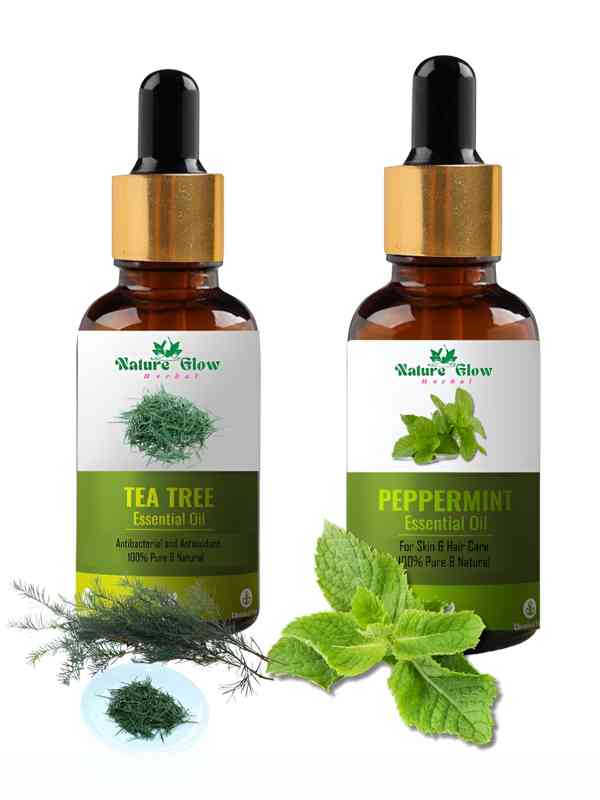
If you struggle with breakouts, tea tree oil might be your new best friend. It has powerful antibacterial properties that target acne-causing bacteria without drying out your skin. Just remember to dilute it with a carrier oil before applying, or it might cause irritation.
Rosehip Oil
Rosehip oil is packed with vitamins A and C, which support skin regeneration and brighten dark spots. It’s lightweight and absorbs quickly, making it perfect for daily use. I noticed my skin tone became more even after a few weeks of adding rosehip oil to my nighttime routine.
Chamomile Oil
Chamomile oil is gentle and ideal for calming inflamed or sensitive skin. It helps reduce redness and promotes a healthy glow by soothing your skin from irritation. If you often experience skin flare-ups, chamomile oil can help keep your skin calm and balanced.
Frankincense Oil
Frankincense oil is praised for its anti-aging benefits. It helps tighten skin and reduce the appearance of wrinkles, giving your face a smoother look. Adding just a few drops to your moisturizer can refresh your skin and enhance your natural glow.
How To Use Essential Oils Safely
Using essential oils on your skin needs care and attention. These oils are strong and concentrated. Using them safely helps avoid irritation and other skin problems. Follow simple steps to protect your skin and enjoy the benefits of essential oils.
Dilution And Carrier Oils
Essential oils should never be applied directly to the skin. Always dilute them with a carrier oil first. Carrier oils like coconut, jojoba, or almond oil reduce the oil’s strength. A safe dilution ratio is usually 1-2 drops of essential oil per teaspoon of carrier oil. This prevents skin irritation and makes the oil easier to spread.
Patch Testing
Test the oil on a small skin area before full use. Apply a small diluted drop on your inner arm. Wait 24 hours to check for redness, itching, or swelling. No reaction means the oil is safe to use. If irritation appears, avoid that oil or try a different one.
Application Tips
- Apply oils only to clean, dry skin.
- Use gentle massage to help absorption.
- Avoid sensitive areas like eyes and broken skin.
- Use essential oils in small amounts; more is not better.
- Store oils in dark glass bottles to keep them fresh.
Avoiding Sun Sensitivity
Some essential oils increase skin sensitivity to the sun. Oils like lemon, bergamot, and lime can cause sunburn. Avoid sun exposure for 12 to 24 hours after applying these oils. Use protective clothing or sunscreen if you go outside. This protects your skin from redness and damage.
Diy Essential Oil Recipes For Skin
DIY essential oil recipes offer a natural way to care for your skin. These recipes use simple ingredients that nourish and protect. Essential oils bring benefits like hydration, calming effects, and oil control. Making your own products ensures freshness and avoids harsh chemicals. Below are easy recipes to try at home for different skin needs.
Moisturizing Face Serum
This serum hydrates dry skin and adds a healthy glow. Use jojoba or almond oil as a base. Add essential oils like lavender and frankincense for nourishment and scent.
- 2 tablespoons jojoba oil
- 5 drops lavender essential oil
- 3 drops frankincense essential oil
Mix all ingredients in a dark glass bottle. Apply a few drops on clean face. Gently massage in circular motions.
Acne-fighting Toner
This toner helps reduce acne and controls oil. Witch hazel acts as a base to soothe skin. Tea tree oil fights bacteria and pimples.
- ½ cup witch hazel
- 10 drops tea tree essential oil
- 5 drops peppermint essential oil
Combine ingredients in a spray bottle. Shake well before each use. Spray on face after cleansing for fresh skin.
Soothing Skin Mask
This mask calms irritated skin and reduces redness. Use clay as the base for cleansing. Chamomile and rose oils calm and refresh skin.
- 2 tablespoons bentonite clay
- 1 tablespoon water
- 3 drops chamomile essential oil
- 2 drops rose essential oil
Mix clay and water into a paste. Add essential oils and blend well. Apply to face and leave for 10-15 minutes. Rinse with warm water.
Refreshing Body Mist
This body mist hydrates and refreshes skin all day. Use distilled water as the base. Lemon and eucalyptus oils energize and cool the skin.
- 1 cup distilled water
- 10 drops lemon essential oil
- 5 drops eucalyptus essential oil
- 1 teaspoon witch hazel (optional)
Mix all ingredients in a spray bottle. Shake well before each use. Spray on body whenever skin feels dry or tired.
Common Mistakes To Avoid
Using essential oils for your skin can be rewarding, but it’s easy to make mistakes that cause irritation or reduce their benefits. Knowing what to avoid helps you get the best results without harming your skin. Let’s look at some common errors people often make and how you can steer clear of them.
Overuse And Irritation
Applying essential oils too often or in large amounts can overwhelm your skin. This often leads to redness, itching, or even breakouts. Have you ever felt your skin become uncomfortable after using oils? That’s a sign to cut back.
Start with a small amount and observe how your skin reacts. Use oils sparingly and only as recommended. Remember, more isn’t always better when it comes to essential oils.
Using Undiluted Oils
Pure essential oils are very strong and should never be applied directly to your skin. Undiluted oils can cause burns, irritation, or allergic reactions.
Always mix essential oils with a carrier oil like jojoba, coconut, or almond oil. This not only protects your skin but also helps the essential oil absorb better. Do you know which carrier oil suits your skin type best?
Ignoring Allergies
Skipping a patch test before using a new essential oil can be risky. Even if an oil is natural, it can still trigger allergic reactions.
Test a small drop on your inner arm and wait 24 hours. If you notice redness, itching, or swelling, avoid that oil. Your skin’s safety comes first, so don’t ignore signs of sensitivity.
Mixing Incompatible Oils
Not all essential oils work well together. Mixing oils with conflicting properties can reduce their effectiveness or cause skin issues.
Research or consult a professional before blending oils. For example, citrus oils can increase your skin’s sensitivity to sunlight, so avoid mixing them with other photosensitive oils. Have you ever had a reaction after using a homemade blend? It might be due to incompatible oils.
Choosing Quality Essential Oils
Choosing quality essential oils is crucial for your skin’s health and safety. Not all oils are created equal, and the difference between pure, effective oils and synthetic or diluted versions can be huge. Understanding how to spot the best options will help you get the most from your skincare routine.
Organic Vs Synthetic
Organic essential oils come from plants grown without pesticides or chemicals. They tend to retain their natural healing properties better than synthetic oils. Synthetic oils, on the other hand, are often made in labs and may contain harmful additives that irritate your skin.
Ask yourself: Do you want a product that nourishes your skin or one that might cause harm? Choosing organic oils supports cleaner skin and a healthier environment.
Reading Labels
Labels hold the key to understanding what’s really inside your essential oil bottle. Look for terms like “100% pure,” “cold-pressed,” or “steam-distilled” to ensure authenticity.
Be cautious of vague labels that say “fragrance oil” or “blend.” These often contain synthetic ingredients. If you see a long list of chemicals or fillers, that’s a red flag.
Trusted Brands
Not every brand lives up to their marketing claims. Research brands that are transparent about their sourcing and testing processes. Brands that provide batch numbers and third-party testing reports are usually more reliable.
Have you ever bought a product that didn’t work as promised? Choosing trusted brands means fewer disappointments and better results for your skin.
Storage Tips
Proper storage keeps your essential oils fresh and effective. Always store oils in dark glass bottles away from heat and sunlight. Avoid plastic containers, as oils can degrade plastic and lose potency.
Do you keep your oils in the bathroom or near a window? Consider moving them to a cool, dark cabinet to extend their shelf life and protect your investment.

Credit: www.amazon.ca
Frequently Asked Questions
What Are The Best Essential Oils For Glowing Skin?
Lavender, tea tree, and rosehip oils are top for glowing skin. They hydrate, reduce inflammation, and promote cell regeneration naturally.
How Do Essential Oils Benefit Oily Skin?
Essential oils like tea tree and lemon balance oil production. They help reduce acne and tighten pores without drying the skin.
Can Essential Oils Help With Dry Skin?
Yes, oils like chamomile and sandalwood deeply moisturize and soothe dry skin. They restore softness and reduce flakiness effectively.
Are Essential Oils Safe For Sensitive Skin?
Some essential oils can irritate sensitive skin. Always do a patch test and dilute oils with a carrier oil before use.
Conclusion
Essential oils can help keep your skin healthy and glowing. They come from natural plants and offer many benefits. Use them carefully and test for allergies first. Choose oils that suit your skin type. Regular use can improve moisture, reduce redness, and calm irritation.
Remember, less is more with essential oils. Enjoy the gentle care they provide for your skin every day. Simple steps bring great results. Try adding essential oils to your skincare routine today.
