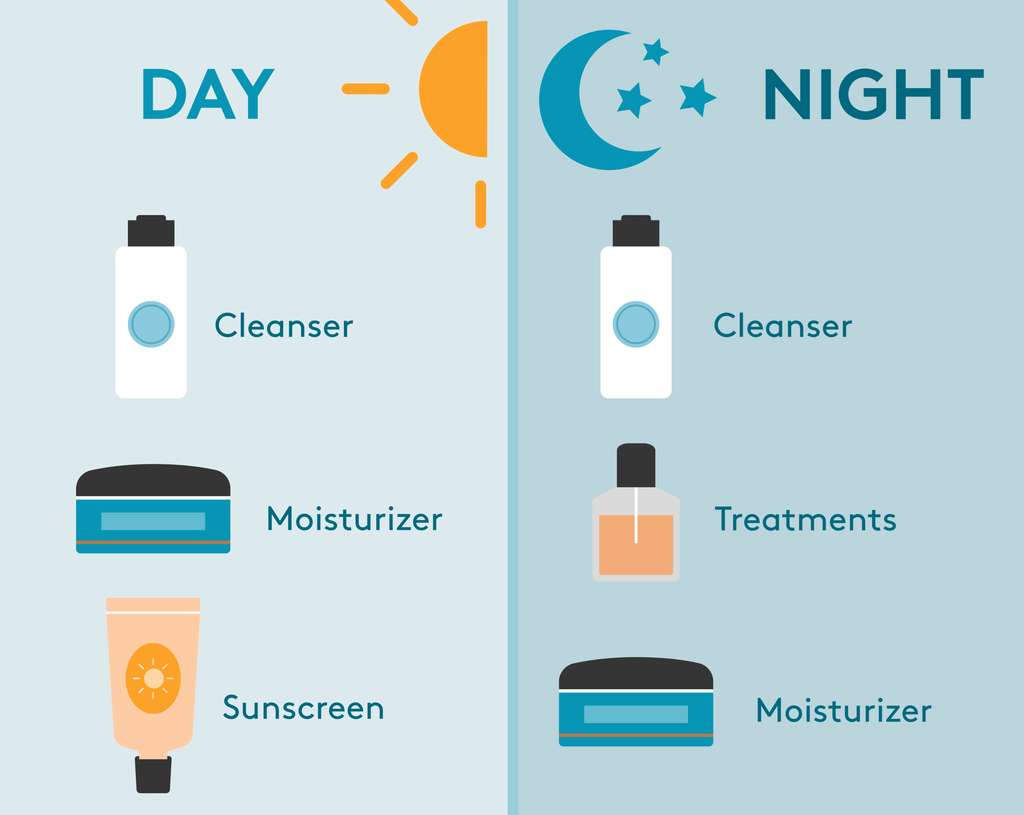
Is your skin feeling tight, flaky, or just plain thirsty? You’re not alone.
Dry skin is a common issue that many people face, and it can be more than just a minor inconvenience. Without the right care, dry skin can lead to discomfort and even premature aging. But here’s the good news: with the right skincare routine, you can transform your dry skin into a hydrated, radiant complexion that you’ll love.
Imagine waking up to smooth, supple skin that feels as good as it looks. We’ll guide you through a foolproof dry skincare routine that caters specifically to your needs. Keep reading to discover the secrets to achieving the hydrated glow you’ve always wanted.
Causes Of Dry Skin
Dry skin happens when your skin loses too much water or oil. This loss causes tightness, roughness, and sometimes itching. Many things can cause dry skin, from the air around you to your daily habits. Understanding these causes helps in choosing the right skincare routine.
Environmental Factors
Cold weather makes skin dry by reducing humidity in the air. Hot showers strip natural oils from your skin. Harsh winds can also remove moisture and cause irritation. Indoor heating dries the air and your skin further. Pollution adds stress to your skin, worsening dryness.
Lifestyle Habits
Using strong soaps and cleansers can remove skin oils. Not drinking enough water leaves skin dehydrated. Spending long hours in the sun without protection damages skin moisture. Excessive exfoliation can harm your skin barrier. Skipping moisturizers allows dryness to worsen.
Skin Conditions
Some skin problems cause dryness as a symptom. Eczema creates red, itchy, and dry patches. Psoriasis leads to thick, scaly dry skin areas. Contact dermatitis results from skin reactions to irritants. These conditions need gentle care to avoid more dryness.
Choosing The Right Cleanser
Choosing the right cleanser is key to caring for dry skin. The cleanser should clean without stripping natural oils. It helps keep the skin soft and hydrated. A good cleanser prepares the skin for the next skincare steps. Avoid products that leave skin tight or flaky. Instead, find formulas that soothe and nourish.
Gentle And Hydrating Formulas
Choose cleansers with a gentle touch. Cream-based or lotion cleansers work well for dry skin. They add moisture while removing dirt. Look for ingredients like glycerin, hyaluronic acid, or aloe vera. These ingredients lock in hydration. Avoid foaming cleansers that can dry out skin. A mild cleanser keeps the skin barrier strong and healthy.
Avoiding Harsh Ingredients
Avoid cleansers with alcohol, sulfates, or strong fragrances. These can irritate and dry out the skin. Harsh ingredients strip away natural oils. This causes redness, itching, and tightness. Check the label for gentle, soothing components. Ingredients like chamomile and oat extract calm dry skin. Always choose products labeled for sensitive or dry skin.
Effective Exfoliation Techniques
Exfoliation is a key step in any dry skincare routine. It removes dead skin cells and helps your skin absorb moisturizers better. Choosing the right exfoliation technique protects your skin from irritation and dryness. Effective exfoliation keeps your skin smooth, soft, and glowing.
Frequency And Methods
Exfoliate dry skin gently and not too often. Two times a week is enough to avoid over-drying.
Use soft methods like:
- Gentle scrubs with fine particles
- Chemical exfoliants with lactic acid or fruit enzymes
- Soft washcloth or konjac sponge for mild physical exfoliation
Avoid harsh scrubs or strong acids that strip natural oils. Always follow exfoliation with a rich moisturizer to lock in hydration.
Best Exfoliants For Dry Skin
Choose exfoliants designed for dry, sensitive skin. Look for:
- Lactic acid: mild and hydrating, it brightens without irritation
- Enzyme exfoliants: break down dead skin gently using natural fruit extracts
- Microbead-free scrubs: use smooth, natural particles like jojoba beads
Avoid products with high alcohol or strong fragrances. These can worsen dryness and cause redness.
Hydrating Moisturizers
Hydrating moisturizers are essential for dry skin care. They lock in moisture and soothe tight, flaky skin. Using the right moisturizer keeps skin soft and healthy all day. These products provide a protective barrier that prevents water loss and supports skin repair. Choosing a moisturizer that fits your skin’s needs can make a big difference.
Key Ingredients To Look For
Some ingredients hydrate better than others. Look for these in your moisturizer:
- Hyaluronic Acid:Holds water in skin for long-lasting hydration.
- Glycerin:Draws moisture from the air to the skin.
- Ceramides:Repair skin barrier and lock in moisture.
- Shea Butter:Nourishes and softens dry skin.
- Niacinamide:Improves skin texture and hydration.
Day Vs Night Moisturizers
Day and night moisturizers serve different purposes. Day creams are lighter and absorb quickly. They protect skin from pollution and sun damage. Many include SPF for extra defense. Night creams are thicker and richer. They help skin repair and regenerate during sleep. Some contain ingredients like retinol for skin renewal.
Incorporating Serums And Oils
Incorporating serums and oils into a dry skincare routine can greatly improve skin hydration and texture. These products deliver concentrated ingredients that penetrate deeply, offering extra moisture and nourishment. Serums and oils work together to soothe dry skin and help maintain a healthy skin barrier.
Benefits Of Hydrating Serums
Hydrating serums contain small molecules that absorb quickly into the skin. They provide intense moisture and boost skin’s natural hydration levels. Many serums include ingredients like hyaluronic acid, glycerin, and aloe vera, which attract and hold water in the skin.
- Improve skin softness and smoothness
- Reduce dryness and flakiness
- Enhance skin’s natural glow
- Support skin repair and healing
Using a hydrating serum before moisturizer helps lock in moisture. It prepares the skin to better absorb oils and creams applied afterward.
Using Facial Oils Safely
Facial oils help seal moisture and protect the skin from dryness. Choose oils that suit dry skin, such as jojoba, argan, or rosehip oil. Apply oils after serums and moisturizers to lock hydration.
- Use a small amount to avoid greasy skin
- Patch test new oils to prevent irritation
- Apply oils with gentle, upward strokes
- Avoid heavy oils if skin feels clogged
Facial oils add a rich layer of nourishment and help maintain a smooth, hydrated complexion.

Credit: www.eraorganics.com
Sun Protection Tips
Protecting dry skin from the sun is essential for healthy, glowing skin. Sun exposure can cause dryness, redness, and irritation. It may also speed up skin aging and increase the risk of sun damage. A good sun protection routine helps keep your skin hydrated and safe.
Choosing Moisturizing Sunscreens
Select sunscreens that hydrate while protecting your skin. Look for ingredients like glycerin, hyaluronic acid, or ceramides. These help lock in moisture and soothe dry skin. Avoid sunscreens with alcohol or fragrances, which can cause irritation. Mineral sunscreens with zinc oxide or titanium dioxide are gentle and effective.
Daily Application Habits
Apply sunscreen every day, even on cloudy days. Use a generous amount to cover all exposed skin. Reapply every two hours if you are outdoors. Apply sunscreen 15 minutes before going outside to allow it to absorb. Combine sunscreen with your moisturizer for easier application and extra hydration.
Additional Hydration Boosters
Adding extra hydration boosters to your dry skincare routine can make a big difference in how your skin feels throughout the day. These simple additions work alongside your moisturizer to lock in moisture and keep your skin looking fresh and plump. Have you ever noticed how your skin feels better instantly after a quick spritz or a night with a humidifier running? Those little boosts matter more than you might think.
Face Mists And Masks
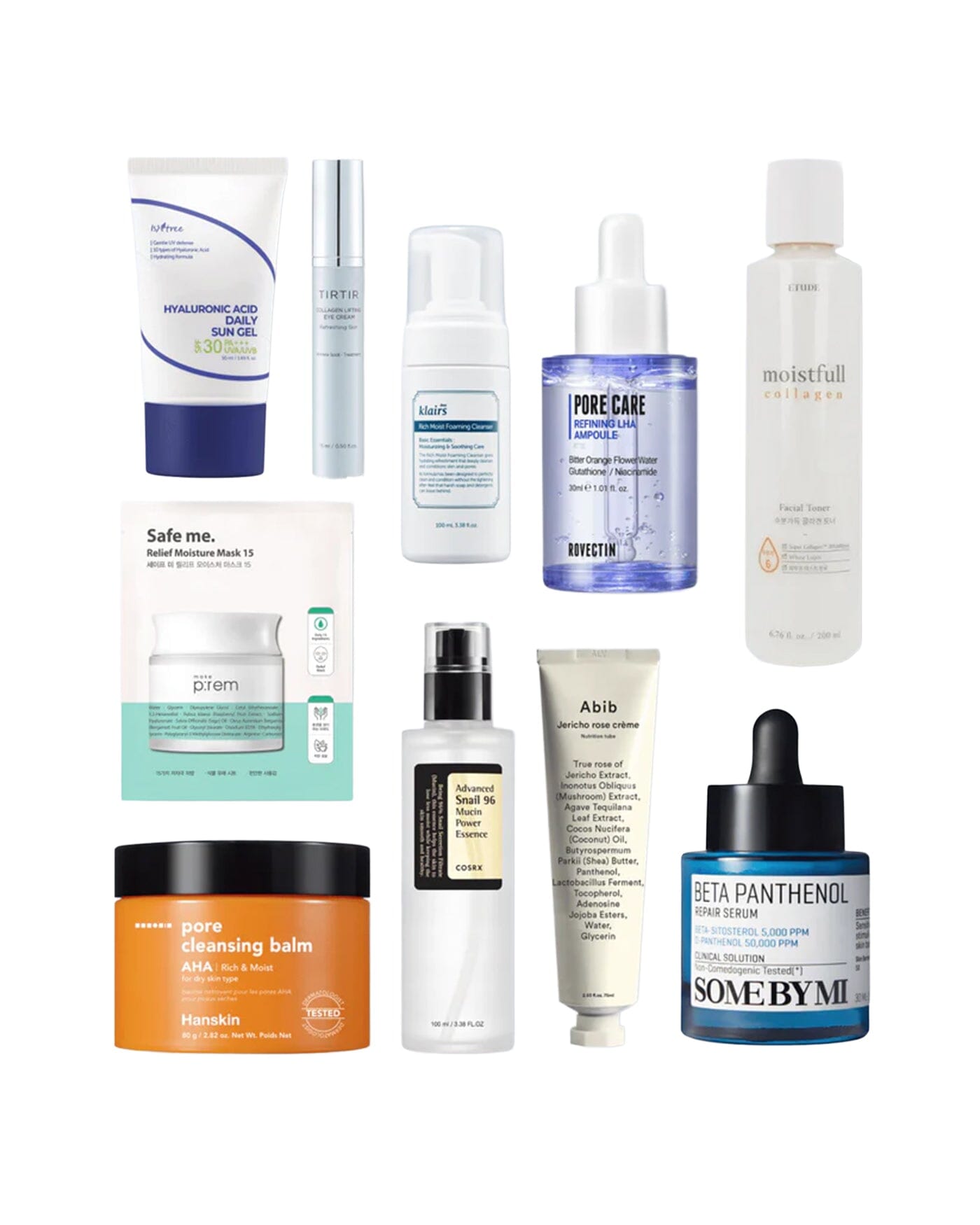
Face mists are a quick and easy way to refresh your skin anytime. They add an instant layer of hydration without feeling heavy or greasy. Look for mists containing ingredients like rose water, aloe vera, or hyaluronic acid to soothe and hydrate dry skin.
Using hydrating masks once or twice a week gives your skin a deep moisture boost. Sheet masks soaked in serums can help your skin absorb water more efficiently. Gel-based masks are also great for calming irritation and replenishing moisture.
Try keeping a face mist in your bag for a midday pick-me-up. Have you tried a cooling mist after a long day? It can revive your skin and mood instantly.
Humidifiers At Home
Dry indoor air can make your skin lose moisture faster. A humidifier adds moisture back into the air, which helps prevent your skin from drying out, especially during winter or in air-conditioned rooms.
Setting up a humidifier in your bedroom can improve your skin overnight. You’ll wake up feeling less tight and flaky. Plus, it helps with breathing and comfort, which is a nice bonus.
If you haven’t tried a humidifier yet, consider testing one in the room where you spend most of your time. Notice how your skin reacts after a few nights. It might just be the hydration boost your routine needs.
Credit: sokoglam.com
Lifestyle Changes For Better Skin
Improving dry skin needs more than creams and lotions. Simple lifestyle changes can boost skin health deeply. These changes help skin stay soft, smooth, and less flaky. Focus on daily habits that protect and nourish your skin from inside out.
Hydration And Diet
Drink plenty of water every day. Water keeps skin cells full and hydrated. Eat foods rich in healthy fats, like avocados and nuts. These fats help maintain the skin’s moisture barrier.
Include fruits and vegetables high in vitamins A and C. These nutrients support skin repair and glow. Avoid too much caffeine and alcohol. They can dry out your skin quickly.
Stress And Sleep Management
Stress causes skin problems like dryness and irritation. Find ways to relax, such as meditation or light exercise. Aim for 7 to 8 hours of sleep nightly.
Sleep lets your skin heal and renew. Poor sleep can make your skin look dull and tired. Create a calm bedtime routine to improve sleep quality.
Credit: www.lemon8-app.com
Frequently Asked Questions
What Are The Best Ingredients For Dry Skin?
Look for hydrating ingredients like hyaluronic acid, glycerin, ceramides, and natural oils. These lock in moisture and repair the skin barrier effectively.
How Often Should I Moisturize Dry Skin?
Moisturize twice daily, morning and night. Apply immediately after cleansing to trap moisture and maintain skin hydration throughout the day.
Can I Use Exfoliators On Dry Skin?
Yes, but choose gentle exfoliators with lactic acid or enzymes. Exfoliate 1-2 times weekly to avoid irritation and improve skin texture safely.
What Type Of Cleanser Suits Dry Skin Best?
Use a creamy, hydrating cleanser free from harsh sulfates. It cleans without stripping natural oils, maintaining skin’s moisture balance.
Conclusion
A dry skincare routine helps keep your skin soft and healthy. Use gentle cleansers and rich moisturizers every day. Drink plenty of water to stay hydrated inside and out. Protect your skin from harsh weather and hot water. With simple steps, you can reduce dryness and irritation.
Consistency is key to seeing good results over time. Take care of your skin, and it will thank you. Healthy skin feels comfortable and looks bright. Start your routine today and enjoy a smoother, softer face.
