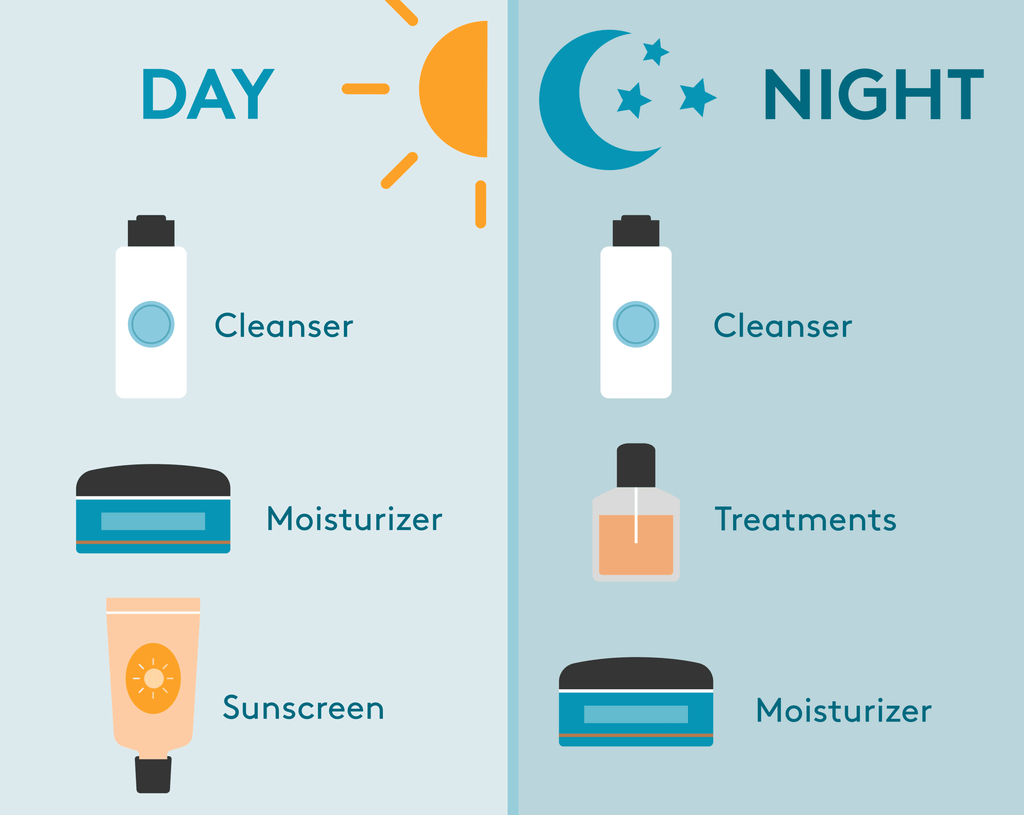
Are you tired of dealing with dry, flaky skin? You’re not alone.
Dry skin can be uncomfortable, itchy, and downright frustrating. But what if there was a way to transform your skincare woes into a routine that leaves your skin feeling soft, hydrated, and glowing? Imagine waking up each day with a complexion that feels as good as it looks.
In this guide, you’ll discover a simple yet effective dry skin skincare routine tailored just for you. You’ll learn which products can make a real difference and how to use them for the best results. So, get ready to say goodbye to dryness and hello to a revitalized, radiant you! Dive in to unlock the secrets of hydrated skin and reclaim your confidence.

Credit: www.eraorganics.com
Causes Of Dry Skin
Dry skin occurs when the skin loses moisture and natural oils. This loss causes tightness, flakiness, and sometimes itching. Understanding the causes of dry skin helps to choose the right skincare routine. Several factors can lead to dry skin, including the environment, habits, and skin health.
Environmental Factors
- Cold weather reduces humidity and dries the skin.
- Hot showers or baths strip natural oils from the skin.
- Dry indoor air from heaters or air conditioners causes moisture loss.
- Sun exposure damages the skin’s barrier, making it dry and rough.
Lifestyle Habits
- Using harsh soaps and cleansers removes essential oils.
- Not drinking enough water leads to skin dehydration.
- Smoking reduces blood flow, causing dryness and dullness.
- Poor diet lacking in healthy fats affects skin moisture.
Skin Conditions
- Eczema causes inflammation and dryness in affected areas.
- Psoriasis leads to thick, dry, and scaly skin patches.
- Ichthyosis is a genetic condition that makes skin dry and flaky.
- Contact dermatitis causes dryness due to allergic reactions.
Choosing The Right Cleanser
Choosing the right cleanser is key for dry skin care. The wrong product can strip moisture and cause irritation. A good cleanser removes dirt and impurities without drying out the skin. It sets the foundation for a healthy skin routine.
Gentle Formulas
Gentle cleansers work best for dry skin. They clean without harsh scrubbing or strong chemicals. Look for products labeled “hydrating” or “moisturizing.” Cream-based or oil-based cleansers often provide extra softness. These formulas help maintain the skin’s natural oils and balance.
Avoiding Harsh Ingredients
Avoid cleansers with strong detergents and alcohol. Ingredients like sulfates can dry the skin further. Fragrances and dyes may cause redness or itching. Choose products with simple, natural ingredients instead. This reduces the risk of irritation and keeps skin calm.
Effective Exfoliation For Dry Skin
Exfoliation is a key part of any dry skin skincare routine. It helps remove dead skin cells that can make skin look dull and flaky. Proper exfoliation also allows moisturizers to absorb better, improving skin hydration. But dry skin needs gentle care to avoid irritation and redness. Choosing the right exfoliants and using them correctly keeps your skin smooth and soft without causing damage.
Types Of Exfoliants
There are two main types of exfoliants: physical and chemical. Both have benefits for dry skin if used carefully.
- Physical exfoliantsuse small grains or beads to scrub away dead skin. Examples include sugar scrubs and soft brushes. Choose gentle, non-abrasive options to prevent scratching.
- Chemical exfoliantsuse acids to dissolve dead skin cells. Common acids for dry skin are lactic acid and mandelic acid. These acids are milder and help keep moisture in the skin.
Frequency And Tips
Exfoliate dry skin no more than two times per week. Over-exfoliating can cause dryness and irritation. Always follow exfoliation with a rich moisturizer to lock in hydration.
- Use lukewarm water to rinse, as hot water can dry skin further.
- Apply exfoliant gently, avoiding harsh rubbing or pressure.
- Test new exfoliants on a small skin patch first to check for reactions.
- Choose fragrance-free and hypoallergenic products to reduce irritation risk.
Hydrating Serums And Treatments
Hydrating serums and treatments play a vital role in a dry skin skincare routine. They deliver intense moisture deep into the skin. These products boost hydration and help repair the skin barrier. Using the right serum can make skin feel soft, smooth, and healthy. Consistent use enhances skin’s ability to retain moisture throughout the day.
Key Ingredients To Look For
- Hyaluronic Acid:Attracts and holds moisture in the skin.
- Glycerin:Draws water to the skin’s surface for lasting hydration.
- Ceramides:Help restore and protect the skin barrier.
- Vitamin E:Soothes and nourishes dry, flaky skin.
- Panthenol (Vitamin B5):Calms irritation and locks in moisture.
- Aloe Vera:Provides cooling hydration and reduces redness.
How To Apply Serums
Start with clean, slightly damp skin. This helps the serum absorb better. Use a few drops of serum, about a pea size or two. Gently press it into the skin with your fingertips. Avoid rubbing or pulling the skin. Allow the serum to fully absorb before applying moisturizer. Use serums twice a day, morning and night, for best results.
Moisturizers That Lock In Hydration
Choosing the right moisturizer is essential to keep your dry skin hydrated throughout the day. Moisturizers not only provide moisture but also create a barrier that locks it in, preventing your skin from feeling tight or flaky. Understanding how different types of moisturizers work can help you pick the one that fits your skin’s unique needs.
Creams Vs. Lotions
Creams have a thicker consistency compared to lotions, making them ideal for dry or very dry skin. They contain more oils, which help form a strong barrier on your skin, locking in moisture effectively.
Lotions are lighter and absorb quickly, suitable for less dry skin or warmer climates. If your skin feels tight but not flaky, a lotion might be enough to keep it comfortable without feeling heavy.
- Use creamsat night or on extra dry areas like elbows and knees.
- Choose lotionsfor daytime when you want something lighter under makeup.
Best Ingredients For Dry Skin
Look for moisturizers with ingredients that deeply nourish and hold moisture. Hyaluronic acid attracts water to your skin, while ceramides repair the skin barrier to prevent water loss.
Natural oils like jojoba or almond oil provide extra hydration and soften dry patches. Avoid products with alcohol or fragrances, which can irritate and dry out your skin further.
- Hyaluronic Acid:Pulls moisture into your skin layers.
- Ceramides:Strengthen your skin’s protective barrier.
- Natural Oils:Soften and nourish dry areas.
- Glycerin:Helps retain moisture effectively.
Have you ever noticed how your skin feels after applying different moisturizers? Pay attention to how your skin responds to ingredients, and adjust your routine until you find what truly locks in hydration for you.

Credit: www.colorescience.com
Protecting Skin From External Damage
Protecting dry skin from external damage is essential to keep it healthy and smooth. Dry skin is more sensitive and can easily lose moisture. The environment can worsen dryness and cause irritation. Using the right products shields the skin and helps maintain its natural barrier.
Sunscreen Choices
Sunscreen is a must to protect dry skin from harmful UV rays. Choose sunscreens labeled “broad-spectrum” to block UVA and UVB rays. Look for formulas that are hydrating and gentle. Mineral sunscreens with zinc oxide or titanium dioxide often work well for dry skin. These ingredients sit on top of the skin and cause less irritation.
- Pick SPF 30 or higher for daily use.
- Use sunscreen even on cloudy days.
- Apply sunscreen 15 minutes before going outside.
- Reapply every two hours if you stay outdoors.
Barrier Repair Products
Dry skin needs extra help to repair its natural barrier. Use products with ceramides, fatty acids, and cholesterol. These ingredients rebuild the skin’s protective layer. They lock in moisture and stop harmful things from entering. Creams and ointments work better than lotions for this purpose. Avoid products with alcohol or fragrances as they can irritate dry skin.
- Look for “barrier repair” on product labels.
- Apply barrier creams after cleansing and before sunscreen.
- Use barrier repair products twice daily for best results.
Nighttime Care For Skin Repair
Nighttime care plays a key role in repairing dry skin. During sleep, the skin restores moisture and heals damage. Using the right products helps support this natural process.
Overnight Masks
Overnight masks provide deep hydration while you sleep. They form a protective layer on the skin to lock in moisture. These masks soothe dryness and reduce flakiness effectively.
- Apply a generous layer after cleansing your face.
- Choose masks rich in hyaluronic acid or glycerin for extra moisture.
- Leave the mask on overnight for best results.
- Rinse off gently in the morning to reveal soft skin.
Night Creams And Oils
Night creams and oils nourish dry skin deeply. Creams usually contain emollients that soften and smooth rough patches. Oils help restore the skin’s natural barrier and lock in hydration.
- Select creams with ceramides or shea butter for lasting moisture.
- Use oils like jojoba, almond, or rosehip for skin repair.
- Massage products gently into the skin to boost absorption.
- Apply after your serum or toner for maximum effect.
Lifestyle Changes For Better Skin
Improving dry skin goes beyond creams and serums. Your daily habits shape how your skin feels and looks. Simple lifestyle changes can make a big difference in keeping your skin soft and hydrated all day long.
Diet And Hydration
What you eat directly affects your skin’s moisture levels. Foods rich in omega-3 fatty acids, like salmon and walnuts, help keep your skin barrier strong and reduce dryness.
Also, drinking enough water is crucial. Aim for at least 8 glasses a day to maintain skin hydration from the inside out. If you struggle to drink plain water, try herbal teas or adding slices of lemon for flavor.
Cutting down on caffeine and alcohol can also help because they can dehydrate your skin. Have you noticed your skin feeling tight after a night out? This could be why.
Humidifiers And Environment
Dry air, especially during winter or in air-conditioned rooms, sucks moisture from your skin. Using a humidifier adds moisture back into the air, which can prevent your skin from drying out.
Place a humidifier in your bedroom or workspace to keep your environment skin-friendly. I started using one last winter and noticed less flaking and itchiness.
Besides air moisture, consider your clothing choices. Soft fabrics like cotton reduce skin irritation, while harsh materials can worsen dryness.
Common Mistakes To Avoid
Dry skin needs special care to stay healthy and soft. Many people make simple mistakes that worsen dryness. Avoiding these errors helps keep skin hydrated and calm. Below are common mistakes to watch out for in a dry skin skincare routine.
Overwashing
Washing your face too often strips natural oils. These oils protect and moisturize dry skin. Overwashing can lead to tight, flaky skin. Cleanse gently once or twice a day. Use a mild cleanser to avoid irritation.
Using Hot Water
Hot water removes natural moisture from the skin. It can cause redness and increase dryness. Use lukewarm water for washing your face and body. This helps keep skin barrier strong and hydrated.

Credit: andalou.com
Frequently Asked Questions
What Is The Best Cleanser For Dry Skin?
Use a gentle, hydrating cleanser with no harsh chemicals. Cream or oil-based cleansers help retain moisture and avoid irritation. Avoid foaming cleansers as they can strip natural oils from dry skin.
How Often Should I Moisturize Dry Skin Daily?
Moisturize at least twice daily, morning and night. Apply immediately after cleansing to lock in hydration. Use a rich, emollient moisturizer to restore and protect dry skin effectively.
Can Exfoliating Help With Dry Skin?
Yes, but exfoliate gently once or twice weekly. Use mild exfoliants to remove dead skin cells without causing irritation. Avoid harsh scrubs that can worsen dryness and sensitivity.
What Ingredients Are Best For Dry Skin Care?
Look for hyaluronic acid, glycerin, ceramides, and shea butter. These ingredients deeply hydrate and repair the skin barrier. Avoid alcohol and fragrances which can dry out skin further.
Conclusion
Dry skin needs gentle care every day. Use soft cleansers and rich moisturizers. Drink plenty of water to stay hydrated. Protect your skin from harsh weather and sun. Avoid hot showers that dry out skin. Consistency helps your skin feel smooth and healthy.
Simple steps can make a big difference. Your skin will thank you with a natural glow. Keep your routine easy and gentle for best results. Healthy skin is possible with regular care.
