
Is your hair feeling dry, brittle, or lifeless? You’re not alone, and the good news is that you don’t have to settle for damaged strands.
Taking care of dry, damaged hair starts with understanding what your hair truly needs. You’ll discover simple, effective tips that can bring back moisture, shine, and strength to your hair. Keep reading to unlock the secrets to healthier hair that looks and feels amazing every day.
Your best hair is just a few steps away.

Credit: www.ebay.ca
Causes Of Dry Hair
Dry hair feels rough, brittle, and often breaks easily. Many things cause hair to lose its natural moisture and shine. Knowing these causes helps protect hair better. Here are the main reasons behind dry hair.
Environmental Factors
Sun exposure strips hair of its natural oils. Cold weather dries hair by removing moisture. Wind causes hair to tangle and break. Pollution also harms the hair’s protective layer.
Heat Styling Damage
Using flat irons and curling wands often damages hair. High heat removes moisture from the hair shaft. Blow drying with hot air makes hair dry and weak. Avoiding frequent heat styling helps keep hair healthy.
Chemical Treatments
Coloring hair changes its natural structure. Bleaching removes natural oils and proteins. Perms and relaxers break hair bonds. These treatments leave hair dry and prone to damage.
Lack Of Moisture
Not using conditioner leads to dry hair. Washing hair too often strips natural oils. Skipping deep conditioning weakens hair over time. Proper hydration is essential for soft, shiny hair.
Signs Of Dry, Damaged Hair
Recognizing the signs of dry, damaged hair is the first step toward restoring your hair’s health. Dry hair doesn’t just look dull; it feels weak and can break easily. If you notice changes in texture or appearance, your hair might be crying out for extra care.
Brittle And Fragile Strands
Does your hair snap when you brush or style it? Brittle strands feel like they could break at any moment. This happens because your hair lacks moisture and essential oils, making it weak and fragile.
Think about how often you use heat tools or harsh shampoos. These habits can strip your hair’s natural protection, causing brittleness.
Split Ends And Breakage
Split ends are a clear red flag. They look like tiny forks at the tips of your hair strands. Once split ends appear, breakage soon follows, leading to shorter, uneven hair.
Ignoring split ends can make your hair look unhealthy and stop it from growing long. Have you checked your ends recently?
Dullness And Lack Of Shine
Healthy hair reflects light and shines naturally. When your hair looks dull and lifeless, it means the outer layer is damaged and rough. This roughness prevents light from bouncing off your strands.
Do you notice your hair losing its natural glow after swimming or sun exposure? These elements can dry out your hair quickly.
Tangled And Rough Texture
Dry hair often feels rough and is prone to tangling. When your hair is smooth, combing is easy and gentle. But if it’s dry and rough, knots form more easily, causing pain and breakage.
Have you ever spent more time untangling than styling? That’s a sign your hair needs extra hydration and care.
Daily Hair Care Routine
Dry, damaged hair needs extra care every day. A good routine helps bring back softness and shine. Small changes in how you wash and treat hair make a big difference. Consistency is key for healthy hair.
Choosing The Right Shampoo And Conditioner
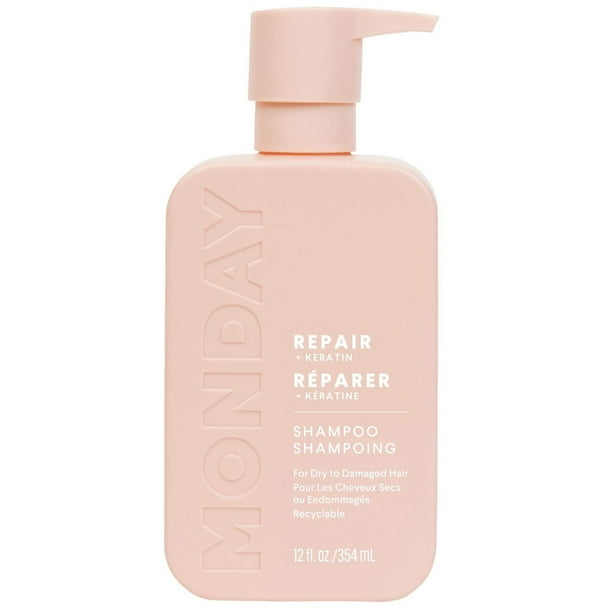
Pick shampoos and conditioners made for dry or damaged hair. They contain moisturizing ingredients like oils and proteins. Avoid products with harsh chemicals that strip natural oils. Look for labels that say “hydrating” or “repair.”
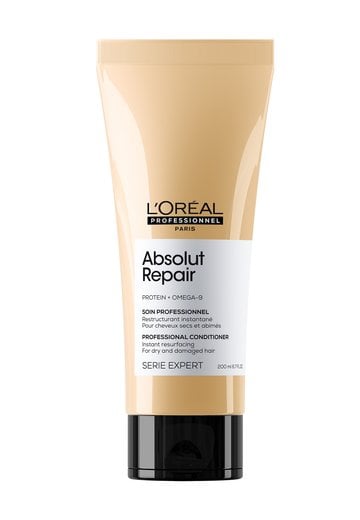
Conditioners help smooth and protect hair. Use a rich conditioner after shampooing. Focus on the ends, where hair is driest. Leave it on for a few minutes before rinsing.
Gentle Washing Techniques
Use lukewarm water instead of hot water. Hot water can dry out hair further. Apply shampoo gently to avoid tangling or breaking hair. Massage scalp softly with fingertips, not nails. Rinse thoroughly to remove all shampoo.
Apply conditioner carefully, avoiding the scalp to prevent greasiness. Use a wide-tooth comb to detangle hair while conditioner is in. This reduces breakage and damage.
Avoiding Overwashing
Washing hair every day removes natural oils. These oils protect and hydrate hair strands. Wash hair two to three times a week instead. Use dry shampoo between washes if scalp feels oily. This keeps hair fresh without drying it out.
Overwashing causes hair to become brittle and dull. Giving hair time to rest helps it repair naturally. Follow a balanced routine for best results.
Credit: www.walmart.ca
Deep Conditioning Treatments
Deep conditioning treatments restore moisture and strength to dry, damaged hair. They penetrate the hair shaft, repairing and nourishing strands from inside. Regular deep conditioning helps reduce breakage and split ends. It also improves hair softness and shine. Choosing the right treatment depends on hair type and damage level.
Natural Oils For Moisture
Natural oils are excellent for adding moisture to dry hair. Oils like coconut, argan, and olive deeply hydrate and protect hair. They create a barrier that locks in moisture and prevents damage. Apply oil to damp hair and leave it on for 30 minutes before washing. This simple step can boost hair softness and reduce frizz.
Diy Hair Masks
DIY hair masks use natural ingredients to nourish hair at home. Ingredients like honey, avocado, and yogurt provide vitamins and hydration. Mix these into a creamy paste and apply to clean hair. Cover your hair with a shower cap and wait 20-30 minutes. Rinse thoroughly for smooth, shiny hair without harsh chemicals.
Professional Treatments
Professional deep conditioning treatments offer advanced care for very dry hair. Salons use products with concentrated ingredients for intense repair. Treatments like keratin or protein masks restore strength and elasticity. They also improve hair texture and manageability. Regular salon visits can maintain hair health and prevent future damage.
Protecting Hair From Heat
Heat can damage dry hair and make it weaker. Protecting hair from heat keeps it healthy and shiny. Taking simple steps reduces breakage and dryness caused by heat styling.
Heat Protectant Products
Use heat protectant sprays or serums before styling. These products form a barrier on hair strands. They help block heat and reduce moisture loss. Apply evenly on damp or dry hair. This prepares hair for tools like flat irons or curling wands.
Limiting Heat Styling Tools
Cut down on using blow dryers, straighteners, and curling irons. Frequent heat styling strips natural oils from hair. Try to style hair with less heat or on lower settings. Give hair breaks between heat styling sessions to recover.
Air Drying Tips
Let hair dry naturally whenever possible. Pat hair gently with a towel to remove water. Avoid rubbing hair harshly, as it causes damage. Comb hair with a wide-tooth comb while damp. Air drying reduces heat exposure and keeps hair stronger.
Credit: www.lorealprofessionnel.ca
Lifestyle Changes For Healthy Hair
Changing your lifestyle can have a surprising impact on the health of your dry, damaged hair. It’s not just about what you put on your hair but also what you feed your body, how you manage stress, and how you care for your hair regularly. Small, consistent habits make a big difference in restoring moisture and strength.
Balanced Diet And Hydration
Your hair needs nutrients to grow strong and shiny. Eating a balanced diet rich in vitamins A, C, D, and E, along with minerals like zinc and iron, supports healthy hair from the inside out.
Don’t forget about hydration—drinking enough water keeps your scalp and hair hydrated, reducing dryness and brittleness. Have you noticed your hair feels better after drinking more water? That’s your body responding to proper hydration.
Stress Management
Stress can cause hair to become dry and brittle, and even trigger hair loss. Finding ways to manage stress—like meditation, exercise, or hobbies—helps keep your hair healthier.
Think about how your hair feels during stressful times. Could reducing stress improve your hair’s texture and strength? Often, calmer mind means calmer scalp.
Regular Trims
Trimming your hair regularly removes split ends and prevents further damage from traveling up the hair shaft. Even if you’re growing your hair out, trims keep it looking healthy and fresh.
Try scheduling a trim every 6 to 8 weeks. You’ll notice your hair feels softer and less prone to breakage. Are you willing to invest a little time to save your hair from long-term damage?
Choosing The Right Hair Products
Choosing the right hair products is key for dry, damaged hair. Proper products can restore moisture and protect strands. Using gentle, nourishing formulas helps improve hair texture and strength.
Not all products are made for dry hair. Picking wisely supports healthy, shiny hair over time. Focus on ingredients and avoid harmful chemicals to see real benefits.
Ingredients To Look For
- Argan Oil:Adds moisture and softens hair.
- Shea Butter:Repairs dryness and protects strands.
- Keratin:Strengthens and rebuilds damaged hair.
- Aloe Vera:Soothes scalp and adds hydration.
- Vitamin E:Nourishes and supports hair growth.
Products To Avoid
- Sulfates – Strip natural oils and dry hair further.
- Alcohols – Can cause brittleness and breakage.
- Parabens – May irritate the scalp and hair.
- Silicones – Build-up can weigh hair down and dull shine.
- Heavy Fragrances – Often cause dryness and irritation.
Benefits Of Sulfate-free Formulas
Sulfate-free products keep hair’s natural oils intact. They clean gently without stripping moisture. Hair feels softer and less frizzy after use.
These formulas reduce scalp irritation and dryness. They help maintain color and shine longer. Sulfate-free shampoos improve hair health over time.
Tips For Maintaining Soft Strands
Keeping your hair soft when it’s dry and damaged can feel like a challenge. But small changes in your daily routine make a big difference. The key is to treat your strands gently and keep them protected throughout the day and night.
Nighttime Hair Care
How you care for your hair while you sleep affects its softness. Sleeping on a cotton pillowcase can cause friction and breakage. Try switching to a silk or satin pillowcase to reduce damage and keep moisture locked in.
Tying your hair loosely in a silk scarf or using a soft scrunchie prevents tangling. Avoid tight hairstyles that pull on your strands overnight. This simple adjustment helps your hair stay smooth and reduces breakage.
Protective Hairstyles
Protective hairstyles shield your hair from environmental stress and constant manipulation. Styles like braids, buns, or twists keep your ends tucked away and safe from damage.
Choose styles that don’t strain your scalp or hairline. If you notice tension or discomfort, loosen the style to avoid hair loss. Protective hairstyles give your hair a break and can improve softness over time.
Avoiding Harsh Brushes
Using the wrong brush can worsen dry, damaged hair. Hard bristles and rough brushing cause breakage and frizz. Opt for wide-tooth combs or brushes with soft, flexible bristles.
Start detangling from the ends, working your way up gently. This method reduces pulling and split ends. Have you noticed how gentle brushing feels better for your hair and scalp?
Frequently Asked Questions
What Causes Dry Damaged Hair And How To Prevent It?
Dry damaged hair is caused by heat, chemicals, and environmental factors. Prevent damage by reducing heat styling, using gentle shampoos, and deep conditioning regularly.
How Can I Restore Moisture To Dry Damaged Hair?
Use hydrating hair masks and oils like argan or coconut oil. Avoid harsh shampoos and rinse hair with cool water to lock in moisture.
Which Hair Products Work Best For Dry Damaged Hair?
Look for sulfate-free shampoos, moisturizing conditioners, and leave-in treatments with natural oils. Products rich in vitamins E and B5 help repair and nourish hair.
How Often Should I Trim Dry Damaged Hair?
Trim your hair every 6 to 8 weeks to remove split ends. Regular trims prevent further damage and promote healthier hair growth.
Conclusion
Caring for dry, damaged hair is crucial for its health. Regular trims help manage split ends. A nourishing hair mask adds moisture. Choose a gentle shampoo without harsh chemicals. Consider using a leave-in conditioner for extra hydration. Protect hair from heat styling tools.
Use a heat protectant spray when needed. Avoid tight hairstyles that can cause breakage. Stay hydrated and maintain a balanced diet for healthier hair. Consistent care leads to noticeable improvements. Your hair will thank you for the effort. Keep these tips in mind for softer, more manageable hair.
Enjoy the benefits of healthy hair care!
