
Unlock the secrets to maintaining your dreadlocks with ease and confidence. Dread hair care isn’t just about keeping your locks clean—it’s an art form, a lifestyle, and a statement.
But let’s face it, caring for dreads can be daunting. You might wonder if you’re doing it right or if there’s a magic trick you’re missing. Imagine knowing exactly how to keep your dreads healthy and looking their best without the guesswork.
This article is your personal guide, offering insider tips and tricks that will transform your hair care routine. Get ready to discover how simple tweaks can make a world of difference for your dreads. Keep reading, and you’ll soon enjoy the full potential of your stunning locks.
Choosing The Right Products
Choosing the right products is essential for healthy dread hair care. The right items keep locs clean, moisturized, and strong. Products that suit your hair type and loc style help prevent damage and dryness. Using natural and gentle ingredients supports scalp health and loc growth.
Natural Oils For Locs
Natural oils nourish dreadlocks without causing buildup. Oils like jojoba, coconut, and castor penetrate deeply and hydrate. They soften locs and reduce itching on the scalp. Applying a small amount regularly keeps hair shiny and healthy. Avoid heavy oils that can leave residue or weigh down the locs.
Avoiding Build-up
Build-up makes dreadlocks look dull and feel heavy. It blocks moisture and causes scalp irritation. Use lightweight products that rinse out easily. Avoid waxes and thick creams that trap dirt and debris. Clean locs with gentle care to maintain their natural texture and shape.
Shampoo And Conditioner Tips
- Choose residue-free shampoos designed for locs or natural hair.
- Wash locs weekly or as needed to prevent dryness.
- Use conditioner sparingly to avoid loosening the locs.
- Rinse thoroughly to keep hair clean and fresh.
- Dry locs completely to prevent mildew or odor.

Credit: www.theloveofpeople.com
Daily Maintenance Routine
Maintaining dreadlocks daily keeps them healthy, neat, and strong. A solid routine doesn’t need to be complicated, but it should be consistent. Small, focused actions each day can prevent common issues like dryness, frizz, and buildup.
Moisturizing Techniques
Dry dreads can break easily, so keeping them moisturized is key. Use a light water-based spray or natural oils like jojoba or coconut oil to hydrate your locks. Avoid heavy products that cause buildup; instead, apply moisture evenly and sparingly.
I found that misting my dreads every morning keeps them soft without feeling greasy. What moisturizing method fits best with your lifestyle?
Protective Styling
Protective styles reduce friction and damage during the day. Simple styles like tying your dreads back with a silk scarf or wearing loose updos shield your hair from environmental stress. These styles also help manage your hair when you’re busy or on the move.
Try rotating styles to avoid constant tension on the same spots. How often do you change your style to give your scalp a break?
Night Care Habits
Your nighttime routine can make or break the health of your dreads. Wrapping your hair in a satin or silk scarf keeps moisture locked in and prevents frizz. Sleeping on a satin pillowcase offers extra protection if you prefer not to wrap your hair.
Making these habits a nightly practice might seem small, but your hair will thank you with more shine and less breakage. Have you noticed a difference after adjusting your night care?
Washing And Drying Locs
Maintaining clean and healthy dreadlocks requires a balance between washing and drying. Over-washing can strip natural oils, while under-washing may cause buildup and odor. Knowing how often to wash and the best techniques to dry your locs can keep them looking fresh and strong.
Frequency Of Washing
How often should you wash your locs? The answer varies depending on your lifestyle and hair type. Generally, washing every 1 to 2 weeks works well for most people, but if you sweat a lot or use heavy products, you might need to wash more frequently.
Listening to your scalp is key. If it feels itchy or oily, it’s a sign you need to wash. However, washing too often can slow down the locking process or cause dryness, so aim for a routine that feels right for your hair’s needs.
Gentle Washing Methods
Locs require gentle care during washing to avoid unraveling or frizz. Use a residue-free shampoo designed for dreadlocks or a mild sulfate-free option. Avoid harsh scrubbing; instead, massage your scalp with your fingertips to lift dirt and oils.
Rinse thoroughly to prevent buildup, which can cause itching and odor. Some people add a splash of apple cider vinegar in the final rinse to maintain scalp health and remove residue. Have you ever noticed how your locs feel after a thorough, gentle wash?
Proper Drying Practices
Drying your locs properly is just as important as washing. Wet locs can trap moisture, leading to mildew or unpleasant smells. After rinsing, gently squeeze out excess water with a microfiber towel or an old t-shirt to reduce frizz and breakage.
Air drying is ideal, but if you’re in a hurry, use a blow dryer on a low heat setting. Make sure your locs are completely dry to prevent any damp spots inside. How do you usually dry your locs—have you noticed any difference in their health or smell?
Preventing Common Issues
Maintaining healthy dreadlocks requires attention to common issues. These problems can cause discomfort and damage. Preventing them helps keep dreads strong and neat. Simple care routines reduce these risks effectively.
Dealing With Itchiness
Itchiness often comes from dry scalp or buildup. Keep your scalp clean by washing with a gentle shampoo. Use natural oils like tea tree or peppermint to soothe irritation. Avoid scratching, as it can harm your scalp and dreads. Regular moisturizing prevents dryness and reduces itching.
Avoiding Breakage
Breakage weakens your dreads and causes frizz. Handle your hair gently, especially when wet. Use a wide-tooth comb or your fingers to detangle. Deep condition your dreads regularly to keep them flexible. Protect your hair at night with a silk or satin scarf to reduce friction.
Controlling Frizz
Frizz makes dreads look messy and unkempt. Use natural wax or locking gel sparingly to smooth loose hairs. Palm rolling helps keep dreads tight and neat. Avoid over-washing, which can strip moisture and cause frizz. Cover your hair during bad weather to protect it from humidity.
Loc Retwisting And Maintenance
Loc retwisting and maintenance are key to keeping dreadlocks neat and healthy. Regular care helps locs grow strong and prevents unraveling. Proper retwisting also reduces buildup and scalp irritation.
Maintaining locs requires attention to timing and technique. Retwisting too often can cause breakage. Waiting too long can lead to matting. Safe methods protect both hair and scalp from damage. Choosing between professional and DIY retwisting depends on skill and preference.
When To Retwist
Retwist locs every 4 to 6 weeks for best results. This timing keeps new growth tidy without stressing hair. Signs to retwist include loose roots and frizzy edges. Avoid retwisting too soon to prevent hair breakage. Pay attention to your hair’s needs and scalp health.
Safe Retwisting Methods
- Use natural oils to moisturize scalp and hair.
- Apply gentle products free of harsh chemicals.
- Retwist hair when it is slightly damp, not wet.
- Work slowly to avoid pulling or tension.
- Use soft tools like crochet hooks or your fingers.
- Cleanse locs regularly to remove buildup.
Professional Vs Diy
Professional retwisting offers expert care and consistent results. Stylists know how to handle different hair types safely. This option saves time and reduces risk of damage.
DIY retwisting gives control and flexibility over your schedule. It requires learning correct techniques and patience. Many find it cost-effective and satisfying with practice. Use tutorials and trusted advice to improve skills.

Credit: rawroots.eu
Healthy Lifestyle For Strong Locs
Strong, healthy locs don’t just come from good hair care products and routines. What you do every day outside of your hair care regimen plays a huge role in the strength and vitality of your dreadlocks. Paying attention to your overall lifestyle can make a noticeable difference in how your locs grow and stay healthy.
Nutrition For Hair Health
Your hair needs the right nutrients to grow strong and stay resilient. Protein is a key building block for hair, so include foods like eggs, fish, beans, and nuts in your meals. Don’t forget vitamins like A, C, D, and E; they help keep your scalp healthy and support hair growth.
I once struggled with dry, brittle locs until I added more leafy greens and salmon to my diet. The change was subtle at first, but over a few months, my locs became softer and less prone to breakage. What small food changes can you make today to support your hair from the inside out?
Hydration Importance
Water is essential for every part of your body, including your hair. Staying hydrated keeps your scalp moist and prevents dryness, which can lead to brittle locs and breakage. Aim to drink at least eight glasses of water a day, and notice how your locs respond.
Besides plain water, herbal teas and water-rich fruits like watermelon and cucumbers can add extra hydration. If you find it hard to drink enough water, try setting reminders or carrying a water bottle with you. How often do you check your hydration levels during the day?
Stress Management
Stress doesn’t just affect your mind; it impacts your hair health too. High stress levels can cause hair to weaken and even fall out. Finding simple ways to manage stress can protect your locs and improve your overall well-being.
Techniques like deep breathing, yoga, or even a short walk outside helped me keep calm during hectic days. What stress-relief practices fit naturally into your routine? Your hair will thank you for giving it some peace.
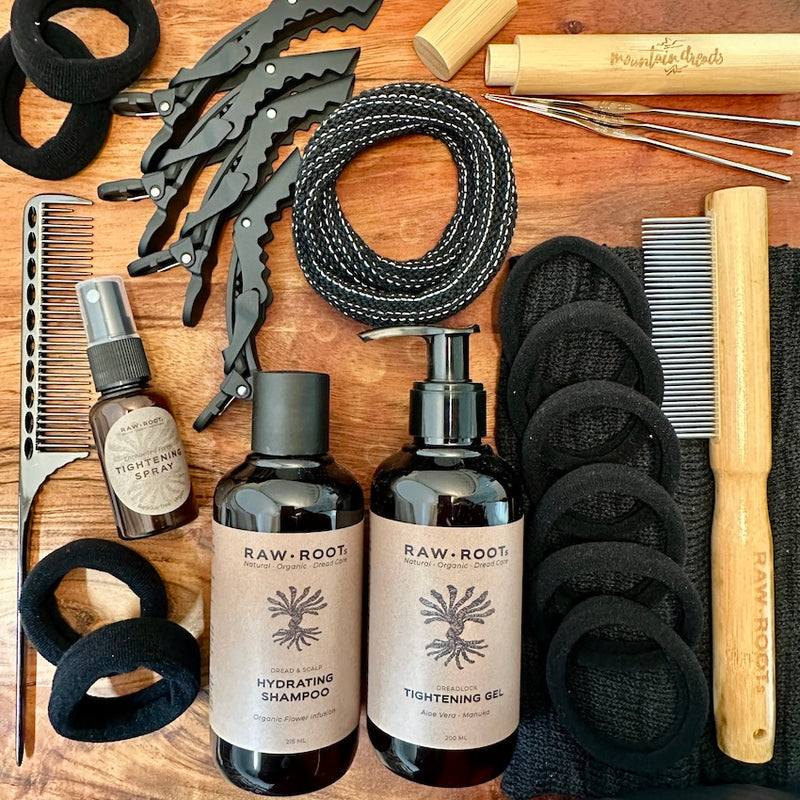
Credit: mountaindreads.com
Frequently Asked Questions
What Is The Best Shampoo For Dread Hair Care?
Use residue-free shampoos to keep dreads clean and fresh. Avoid heavy conditioners, as they can loosen locks. Choose natural, moisturizing shampoos to prevent dryness and breakage for healthy dreadlocks.
How Often Should I Wash My Dreadlocks?
Wash your dreadlocks every 1 to 2 weeks to maintain cleanliness. Over-washing can cause dryness, while under-washing leads to buildup. Adjust frequency based on hair type and lifestyle.
How Do I Prevent Dreadlocks From Unraveling?
Palm roll your dreadlocks regularly to tighten them. Avoid excessive manipulation and use light waxes or gels designed for dreads. Keep hair clean and dry to maintain the lock structure.
Can I Use Conditioner On Dreadlocks?
Use conditioner sparingly on dreadlocks to avoid residue buildup. Opt for lightweight, natural conditioners and apply mainly to scalp. Excess conditioner can cause dreads to loosen or attract dirt.
Conclusion
Taking care of dread hair needs patience and gentle care. Clean your scalp often to keep it healthy. Use natural oils to keep dreads soft and strong. Avoid harsh chemicals that can damage your hair. Regular maintenance helps prevent buildup and unwanted odors.
Remember, every head of dreads is unique and needs attention. Stay consistent with your routine to see the best results. Healthy dreads look great and last a long time. Enjoy your journey with dread hair care—it’s worth it.
