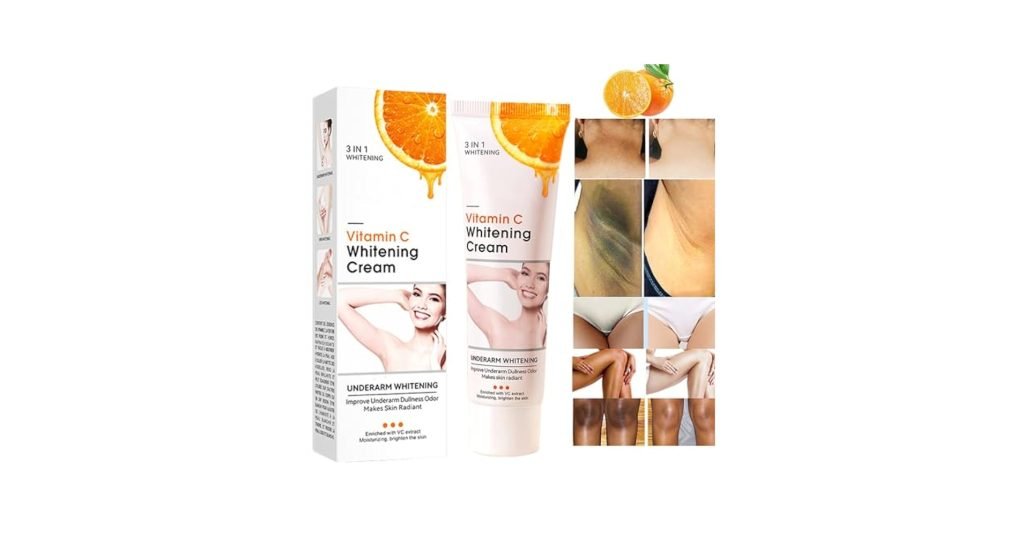
Ever wondered if Vitamin C could be the secret to achieving that radiant skin you’ve always dreamed of? Perhaps you’ve come across claims that it can lighten or even bleach your skin.
But how true are these statements, and what does Vitamin C really do for your complexion? You’re not alone in your curiosity. Many people are searching for natural, effective ways to enhance their skin’s appearance, and Vitamin C seems to be a hot topic.
Before you dive into the world of serums and supplements, it’s crucial to understand how this powerful antioxidant works and what it can realistically do for your skin. We’ll reveal the truths, debunk the myths, and help you make informed decisions about incorporating Vitamin C into your skincare routine. Stay with us to uncover the secrets behind this popular ingredient and find out if it truly has the potential to transform your skin.

Credit: www.reddit.com
How Vitamin C Works On Skin
Understanding how Vitamin C works on your skin can help you decide if it’s right for your skincare routine. This powerful nutrient doesn’t bleach your skin but supports its natural brightness and health. Let’s look at the specific ways Vitamin C interacts with your skin cells.
Role In Collagen Production
Vitamin C plays a vital part in collagen synthesis, which is essential for keeping your skin firm and smooth. Without enough collagen, your skin can become saggy and develop wrinkles. By supporting collagen production, Vitamin C helps maintain your skin’s elasticity and youthful appearance.
Think about how your skin feels after using a Vitamin C serum for a few weeks—often firmer and more resilient. This is because the nutrient encourages your skin to repair and build itself up from within.
Antioxidant Properties
Vitamin C acts as a powerful antioxidant, protecting your skin from damage caused by free radicals. These unstable molecules come from sun exposure, pollution, and stress, breaking down skin cells and speeding up aging.
Adding Vitamin C to your skincare can reduce redness and inflammation by neutralizing these harmful molecules. Have you noticed fewer dark spots or less irritation after using Vitamin C products? That’s the antioxidant effect at work.
Impact On Melanin
Vitamin C influences melanin production, the pigment responsible for your skin color. It doesn’t bleach your skin but can lighten dark spots and even out your complexion by reducing excess melanin.
This means Vitamin C helps fade hyperpigmentation and sunspots, giving your skin a more uniform look. If uneven skin tone bothers you, Vitamin C might be the ingredient that brings balance without harsh chemicals.

Credit: www.ebay.com
Common Myths About Vitamin C And Skin Lightening
Many people believe vitamin C can bleach skin or cause drastic lightening. These ideas come from misunderstandings about what vitamin C does. It is important to clear up these myths. Knowing the truth helps you use vitamin C safely and effectively. Let’s explore some common myths about vitamin C and skin lightening.
Does It Bleach Skin?
Vitamin C does not bleach skin. It does not remove pigment or lighten skin forcibly. Instead, it works by brightening the skin’s natural tone. It reduces dullness and uneven color. Vitamin C helps fade dark spots caused by sun damage or age. This creates a more radiant and even skin appearance. Bleaching means harsh chemical removal of pigment. Vitamin C is gentle and supports healthy skin function.
Misconceptions Vs. Scientific Facts
- Myth:Vitamin C changes your natural skin color permanently.
- Fact:Vitamin C improves skin brightness without altering your base tone.
- Myth:It works like bleach or harsh chemicals.
- Fact:Vitamin C is an antioxidant that protects skin cells and reduces damage.
- Myth:Vitamin C causes skin thinning or damage.
- Fact:It supports collagen production and skin repair.
Scientific studies show vitamin C helps reduce pigmentation by blocking melanin production. It prevents dark spots from forming rather than removing all pigment. This leads to a healthier, clearer complexion without risks of bleaching.
Benefits Of Vitamin C For Skin Brightness
Vitamin C is a powerful nutrient that improves skin brightness. It works deep in the skin to boost its natural glow. Regular use of Vitamin C can enhance the skin’s overall appearance and health.
This vitamin is known for its ability to protect the skin from damage. It also supports collagen production, which keeps the skin firm and youthful. Vitamin C helps the skin look clearer and more radiant.
Reducing Dark Spots
Vitamin C helps fade dark spots caused by sun damage or aging. It blocks the enzyme that produces melanin, the pigment that darkens skin. This leads to a more even and lighter skin tone over time.
Enhancing Skin Radiance
Vitamin C brightens dull skin by boosting hydration and cell renewal. It helps skin reflect light better, making it look fresh and glowing. This effect gives a natural shine without any makeup.
Evening Skin Tone
Vitamin C smooths out uneven skin color and texture. It reduces redness and blotchiness for a balanced complexion. The skin appears healthier and more uniform with regular use.
Best Ways To Use Vitamin C For Skin
Vitamin C is popular for skin care because it brightens and evens out skin tone. Using it correctly helps improve skin health and glow. There are several ways to include Vitamin C in your routine for best results.
Topical Serums
Vitamin C serums deliver the nutrient directly to the skin. They help reduce dark spots and protect against sun damage. Look for serums with L-ascorbic acid, the most effective form of Vitamin C. Apply the serum after cleansing and before moisturizing. Use sunscreen during the day to enhance protection.
Dietary Sources
Eating foods rich in Vitamin C supports skin health from within. Fruits like oranges, strawberries, and kiwis are great options. Vegetables such as bell peppers and broccoli also contain high levels. A balanced diet helps maintain collagen and fight skin aging naturally.
Combining With Other Ingredients
Vitamin C works well with certain ingredients to boost effects. Pairing it with Vitamin E enhances antioxidant protection. Hyaluronic acid adds hydration and improves skin texture. Avoid mixing Vitamin C with strong acids or retinol in the same routine to prevent irritation.
Potential Side Effects And Precautions
Vitamin C is popular in skincare for brightening effects. Yet, it may cause side effects if not used properly. Understanding these risks helps protect your skin.
Skin Sensitivity
Vitamin C can increase skin sensitivity. Some people may experience redness or irritation.
Those with sensitive skin should test a small area first. Stop using it if irritation occurs.
Sun exposure may worsen sensitivity. Use sunscreen daily to protect your skin.
Proper Dosage And Concentration
Vitamin C products vary in strength. High concentrations can cause dryness or stinging.
Start with lower doses, around 10%. Gradually increase if skin tolerates it well.
Follow product instructions carefully. Avoid mixing Vitamin C with harsh ingredients like retinol or acids.
Real User Experiences And Results
Understanding how vitamin C affects your skin can be tricky without hearing directly from those who have tried it. Real user experiences offer a window into what you might expect, revealing both the benefits and limitations of vitamin C for skin lightening. Let’s look at some authentic stories and visual proof to help you decide if this ingredient fits your skincare goals.
Before And After Comparisons
Many users share photos showing their skin before and after using vitamin C serums or creams. These images often highlight a noticeable reduction in dark spots and a more even skin tone rather than dramatic bleaching.
One user reported:
- Fading of sunspots after 6 weeks of consistent use
- Brighter overall complexion without any harsh lightening
- Improved skin texture alongside color improvement
However, results vary based on the product’s strength and your skin type. Some noticed subtle changes, while others saw more visible lightening effects. Are you prepared for gradual progress rather than instant transformation?
Testimonials
Users often emphasize that vitamin C helped them achieve a healthier glow instead of outright bleaching. One testimonial shared, “My skin looks fresher and more radiant, but it didn’t turn lighter—just more balanced.”
Others mention:
- Reduced redness and discoloration
- Less appearance of dullness and tired skin
- Improved confidence as blemishes faded
Some caution about over-expecting results, reminding you to be patient and consistent. Have you thought about what realistic outcomes mean for your skin goals? Vitamin C can enhance your natural skin tone but is unlikely to bleach it dramatically.

Credit: www.amazon.com
Frequently Asked Questions
Does Vitamin C Bleach Skin Naturally?
No, Vitamin C does not bleach skin. It brightens skin by reducing dark spots and uneven tone, promoting a radiant look.
How Does Vitamin C Affect Skin Pigmentation?
Vitamin C inhibits melanin production, which helps fade hyperpigmentation and dark spots, leading to a more even skin tone.
Can Vitamin C Make Skin Lighter Safely?
Vitamin C can lighten skin tone safely by brightening and improving skin clarity without harmful bleaching agents.
How Long Does Vitamin C Take To Brighten Skin?
Vitamin C usually shows skin brightening effects within 4 to 6 weeks of consistent use.
Conclusion
Vitamin C does not bleach skin like harsh chemicals do. It helps brighten skin and reduce dark spots gently. Regular use can improve skin tone and give a natural glow. Avoid expecting drastic color changes or quick fixes. Always use sunscreen to protect your skin after applying Vitamin C.
Healthy skin needs care, not harsh treatments. Choose products that suit your skin type and use them consistently. Clear, radiant skin comes from good habits and patience.
