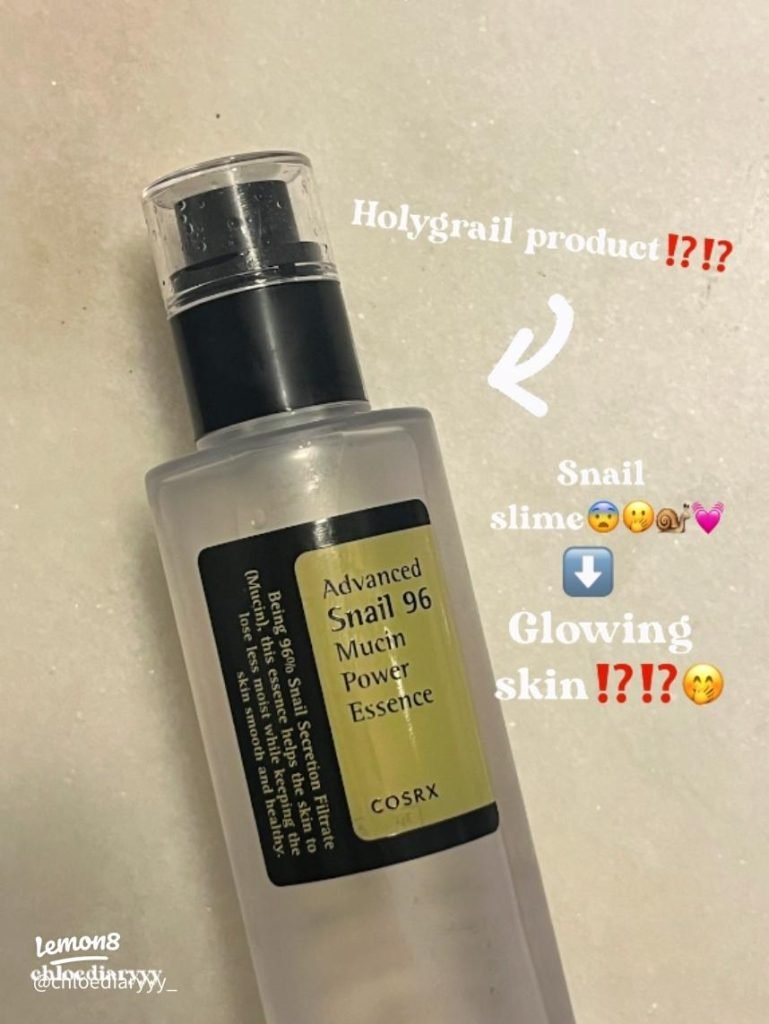
Imagine waking up to a mirror that reflects smooth, radiant skin. If acne scars are holding you back from this vision, you might be searching for a miracle solution.
Enter snail mucin—a trending skincare ingredient that promises to transform your skin. But does it really work wonders on those stubborn acne scars? You’re about to find out. We’ll dive deep into the world of snail mucin, exploring how this unique ingredient could be the key to fading your acne scars.
We’ll uncover the science behind it, share real experiences, and offer tips on how to incorporate it into your skincare routine. Stick around, because your path to clearer skin might just begin here.
Credit: www.lemon8-app.com
What Is Snail Mucin
Snail mucin is a popular ingredient in skincare. It is known for its healing and moisturizing properties. Many people use it to improve skin texture and reduce scars. Derived from snails, this ingredient contains natural compounds beneficial for the skin. It helps soothe irritation and supports skin repair. Snail mucin fits well in acne scar treatments due to its gentle yet effective nature.
Sources And Extraction
Snail mucin comes from specific snail species. The most common are garden snails and certain sea snails. The mucin is collected without harming the snails. They are placed in clean environments to produce mucus naturally. The slime is then carefully gathered and purified. This process keeps the mucin safe and clean for skincare use.
Key Ingredients
Snail mucin contains several important substances for skin health:
- Glycoproteins:Help repair damaged skin cells.
- Hyaluronic Acid:Provides deep hydration and moisture retention.
- Proteoglycans:Support skin elasticity and firmness.
- Antioxidants:Protect skin from environmental damage.
- Glycolic Acid:Aids in gentle exfoliation and skin renewal.
These ingredients work together to reduce scars and improve skin texture. They promote healing and keep the skin soft and smooth.
How Acne Scars Form
Understanding how acne scars form is key to knowing whether treatments like snail mucin can help. Acne scars develop when your skin tries to heal after an acne breakout, but the process doesn’t go smoothly. The result is a mark or indentation that can last long after the blemish has disappeared.
Types Of Acne Scars
Not all acne scars look the same. They vary based on the skin damage and healing process.
- Atrophic scars:These are sunken or depressed scars caused by lost skin tissue. Common types include ice pick, boxcar, and rolling scars.
- Hypertrophic scars:These scars are raised and result from excess collagen production during healing.
- Keloid scars:Similar to hypertrophic, but they grow beyond the original wound area and can be itchy or painful.
Knowing your scar type helps you choose the right treatment. Have you ever wondered why some scars fade while others stick around?
Healing Process
When your skin is injured by acne, your body starts repairing it immediately. Collagen, a protein, is produced to close the wound and rebuild skin layers.
If your skin makes too little collagen, it causes sunken scars. Too much collagen leads to raised scars. The balance is delicate and varies from person to person.
This process can take weeks or months. Your skin’s ability to heal depends on factors like genetics, acne severity, and how well you care for your skin during recovery.
Snail Mucin’s Role In Skin Repair
Snail mucin plays a key role in skin repair. It contains valuable nutrients that help heal and restore damaged skin. This natural ingredient supports the skin’s ability to recover from wounds and scars. Its unique compounds work on different levels to improve skin health and texture.
Collagen Production Boost
Snail mucin encourages the skin to make more collagen. Collagen is a protein that keeps skin firm and smooth. Increased collagen helps fill in acne scars and reduces their appearance. It also strengthens the skin, making it less prone to new damage.
Anti-inflammatory Effects
Inflammation worsens acne scars and slows healing. Snail mucin has anti-inflammatory properties that calm irritated skin. It reduces redness and swelling around scars. This soothing effect helps the skin heal faster and look better.
Hydration And Skin Renewal
Dry skin can make scars more visible. Snail mucin provides deep hydration to keep skin soft and elastic. It also supports skin cell renewal, helping old scar tissue fade. Fresh, healthy skin replaces damaged areas, improving overall skin tone.
Scientific Studies On Snail Mucin And Acne Scars
Scientific research has explored the effects of snail mucin on acne scars. This natural ingredient contains compounds that may help skin repair. Scientists have tested its impact on skin texture and scar appearance. Results from studies and user feedback provide insight into its effectiveness.
Clinical Trial Results
Clinical trials show snail mucin has healing properties. It contains glycolic acid, allantoin, and peptides. These ingredients support skin regeneration and reduce inflammation.
- One study found improved skin smoothness after 8 weeks.
- Participants showed less redness and lighter scars.
- Snail mucin helped boost collagen production, essential for skin repair.
Trials suggest snail mucin can fade acne scars over time. Consistent use is important for visible results.
User Experience And Testimonials
Many users report softer skin and reduced scar visibility. Some notice a brighter complexion and less irritation.
- Users often mention gradual scar fading after weeks of use.
- Some find it soothing for sensitive or damaged skin.
- Others say it helps with skin hydration and texture.
While results vary, most testimonials highlight positive effects. Patience and regular application seem key to success.
How To Use Snail Mucin For Acne Scars
Snail mucin offers gentle care for acne scars and skin healing. It contains ingredients that help skin repair and fade dark spots over time. Using snail mucin correctly boosts its effects and improves skin texture.
Consistent use is key. Applying snail mucin in the right way supports skin hydration and cell renewal. This section covers practical tips and product choices to get the best results.
Application Tips
- Cleanse your face thoroughly before use.
- Apply a small amount of snail mucin to dry skin.
- Gently pat the mucin onto scars and affected areas.
- Allow it to absorb fully before applying other products.
- Use it once or twice daily for steady improvement.
- Follow with a moisturizer to lock in hydration.
- Always apply sunscreen during the day to protect healing skin.
Product Recommendations
| Product | Key Features | Best For |
|---|---|---|
| Cosrx Advanced Snail 96 Mucin Power Essence | High purity snail mucin, lightweight, hydrating | All skin types, sensitive skin |
| Missha Super Aqua Cell Renew Snail Cream | Rich texture, repair and moisture boost | Dry or damaged skin |
| Etude House Moistfull Collagen Cream with Snail Mucin | Collagen boost, firming, moisturizing | Aging skin with scars |

Credit: www.reddit.com
Potential Side Effects And Precautions
Snail mucin has gained popularity for its skin-healing properties, especially in reducing acne scars. However, it’s important to be aware of potential side effects and take precautions before adding it to your skincare routine. Understanding these risks helps you avoid unwanted reactions and get the best results safely.
Allergic Reactions
Some people may experience allergic reactions to snail mucin. Symptoms can include redness, itching, swelling, or a rash where the product was applied. If you notice any discomfort or irritation, stop using the product immediately and consult a dermatologist.
Even if you’ve used other skincare products without issues, snail mucin might still cause a reaction. Your skin can be sensitive to specific ingredients, so don’t assume it’s completely risk-free. Have you ever tried a new product only to find out your skin didn’t agree with it?
Patch Testing Importance
Patch testing is a simple and effective way to check if snail mucin suits your skin. Apply a small amount on a discreet area like behind your ear or on your wrist. Wait 24 to 48 hours to see if any redness or irritation develops.
This quick step can save you from a full-face reaction. It’s especially important if you have sensitive skin or a history of allergies. Have you ever skipped a patch test and regretted it later?
Comparing Snail Mucin With Other Scar Treatments
When deciding how to treat acne scars, it helps to compare snail mucin with other popular options. Each treatment offers unique benefits and challenges, so understanding these differences can help you choose what fits your skin and lifestyle best. Let’s look at how snail mucin stacks up against some common scar treatments.
Chemical Peels And Retinoids
Chemical peels use acids to remove the top layer of skin, promoting new skin growth. They can be quite effective for fading superficial acne scars but may cause redness and peeling afterward.
Retinoids, on the other hand, increase skin cell turnover and boost collagen production. Many people find retinoids helpful for smoothing scarred skin over time, but they can irritate sensitive skin, especially at first.
Snail mucin offers a gentler alternative, packed with hyaluronic acid and glycoproteins that soothe and hydrate your skin while encouraging repair. Have you noticed how your skin reacts to stronger treatments like peels or retinoids? If irritation is a concern, snail mucin might be a kinder choice for daily use.
Laser Therapy And Microneedling
Laser therapy targets deeper layers of skin to break down scar tissue and stimulate collagen. It can deliver dramatic results but often requires multiple sessions and downtime for healing.
Microneedling involves tiny needles puncturing the skin to promote regeneration and collagen production. This method is effective for various scar types but can cause temporary redness and discomfort.
Compared to these, snail mucin works more gradually and without invasive procedures. If you prefer a low-risk, no-downtime option, incorporating snail mucin into your routine might offer steady improvement. What matters most to you—fast results or gentle care?
Credit: www.lemon8-app.com
Frequently Asked Questions
Does Snail Mucin Reduce Acne Scars Effectively?
Yes, snail mucin contains healing compounds that can fade acne scars. It promotes skin regeneration and collagen production, improving skin texture and tone over time.
How Long Does Snail Mucin Take To Heal Acne Scars?
Results vary, but most users see improvement within 4 to 8 weeks. Consistent application is essential for visible fading of acne scars.
Can Snail Mucin Prevent New Acne Scars?
Yes, snail mucin supports skin repair and reduces inflammation. This helps minimize scar formation from new acne breakouts.
Is Snail Mucin Safe For Sensitive Skin With Scars?
Snail mucin is generally safe and gentle for sensitive skin. However, patch testing is recommended to avoid any irritation or allergic reactions.
Conclusion
Snail mucin can help reduce acne scars over time. It soothes skin and boosts healing naturally. Many people see smoother skin with regular use. Results vary depending on scar type and skin care. Patience matters; improvement often takes several weeks.
Combine with good skincare habits for best effects. Always test for allergies before using new products. Clearer skin is possible with consistent care and time. Give snail mucin a try and watch your skin heal.
