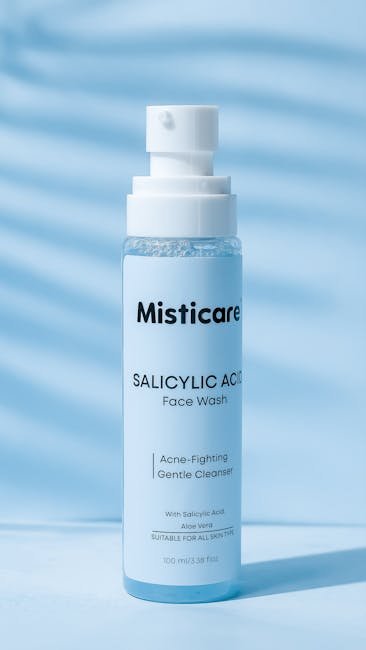
Are you tired of staring at stubborn acne scars every time you look in the mirror? You’re not alone.
Acne scars can be frustrating and often feel impossible to fade. But what if there was a simple ingredient that could help smooth your skin and reduce those marks? Salicylic acid has gained a lot of attention for its skin-clearing powers, but does it really work on acne scars?
Keep reading to discover how salicylic acid might be the key to improving your skin’s texture and boosting your confidence.
How Salicylic Acid Works
Salicylic acid works deeply to improve acne scars. It targets the skin’s surface and pores to clear away dead cells and reduce inflammation. This process helps the skin heal faster and appear smoother over time. Understanding how it works can show why it is popular for treating acne and scars.
Properties That Target Acne
Salicylic acid is a beta hydroxy acid (BHA). It dissolves oils and debris inside clogged pores. This action reduces blackheads and whiteheads. It also lowers swelling and redness around acne spots. These properties calm the skin and prevent new breakouts.
Exfoliation And Skin Renewal
The acid gently peels off dead skin cells. This exfoliation clears the way for new skin to grow. It helps fade dark spots left by acne. Regular use improves skin texture and brightness. The process supports natural healing and smooths uneven skin.
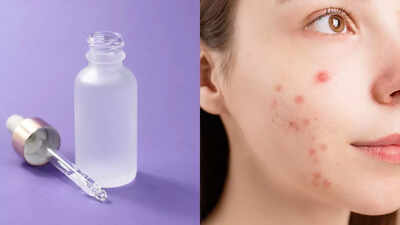
Credit: timesofindia.indiatimes.com
Types Of Acne Scars
Acne scars appear in different forms and depths on the skin. Understanding the types helps in choosing the right treatment. Some scars are sunken, some raised, and others just change skin color. Each type reacts differently to treatments like salicylic acid.
Atrophic Scars
Atrophic scars are sunken or depressed marks on the skin. They happen when the skin loses collagen after acne heals. These scars look like small pits or dents. Ice pick, boxcar, and rolling scars are common atrophic types. They can be shallow or deep.
Hypertrophic And Keloid Scars
These scars are raised above the skin surface. Hypertrophic scars stay within the original wound area. Keloid scars grow beyond the original injury, often larger. Both result from excess collagen during healing. They can feel hard and thick.
Hyperpigmentation
Hyperpigmentation is not a true scar but dark spots left after acne. The skin produces extra melanin in these areas. These spots can be brown, red, or purple. They fade over time but may last months or years. Sun exposure can make them worse.
Salicylic Acid And Scar Reduction
Salicylic acid is a popular ingredient in acne treatments, but many wonder if it can also help reduce acne scars. This compound works by exfoliating dead skin cells and unclogging pores, which may contribute to smoother skin texture. Understanding how it affects different types of scars is key to deciding if it’s right for your skincare routine.
Effectiveness On Different Scar Types
Not all acne scars are the same, and salicylic acid’s impact varies accordingly. It tends to work best on superficial scars like hyperpigmentation and mild post-inflammatory marks by promoting skin renewal.
However, deeper scars such as ice pick or boxcar scars, which involve skin tissue loss, often need more intensive treatments. Salicylic acid alone may not fully erase these but can improve skin texture around them.
Have you noticed changes in your skin’s smoothness after using salicylic acid? This might be a sign it’s helping with lighter scars and preventing new ones.
Clinical Studies And Results
Research shows salicylic acid can reduce inflammation and encourage shedding of dead skin cells, which supports scar fading. In clinical trials, patients using salicylic acid showed improvement in skin clarity and reduction in discoloration.
One study found that salicylic acid peel treatments helped diminish dark spots and uneven tone after acne. While results vary, repeated use under professional guidance often leads to better outcomes.
If you’re dealing with stubborn scars, combining salicylic acid with other treatments like retinoids or chemical peels might enhance results. Have you considered consulting a dermatologist to tailor the best approach for your scars?
Combining Treatments For Better Results
Using salicylic acid alone can help reduce acne and improve skin texture, but combining it with other treatments often speeds up healing and enhances results. Pairing salicylic acid with complementary therapies targets acne scars from multiple angles. This approach can lead to smoother, clearer skin faster than relying on a single product.
Chemical Peels And Microneedling
Chemical peels use acids like glycolic or lactic acid to remove dead skin layers, boosting the effects of salicylic acid by deepening exfoliation. Microneedling creates tiny skin punctures that stimulate collagen production, helping to fill in acne scars. Together, these treatments improve skin texture and tone more effectively than salicylic acid alone.
Have you tried combining these treatments to see which works best for your skin type? Many find that alternating salicylic acid with professional peels or microneedling sessions yields noticeable improvements.
Retinoids And Other Acids
Retinoids promote cell turnover and can fade scars while preventing new acne breakouts. Using retinoids alongside salicylic acid can enhance skin renewal but requires careful timing to avoid irritation. Other acids like mandelic or azelaic acid also complement salicylic acid by targeting inflammation and pigmentation.
Experimenting with different acids in your routine may reveal a powerful combo tailored to your skin’s needs. Are you adjusting your regimen based on how your skin responds?
Professional Procedures
Professional treatments like laser therapy, dermabrasion, or radiofrequency can dramatically improve acne scars by stimulating deeper skin repair. These procedures often work best when combined with at-home treatments like salicylic acid to maintain results. Consulting a dermatologist can help you create a plan that blends professional care with daily skincare.
Could professional treatments be the missing piece in your acne scar journey? Many find that pairing in-office procedures with salicylic acid keeps scars fading steadily over time.
Using Salicylic Acid Safely
Using salicylic acid safely is key to seeing its benefits for acne scars without causing irritation. This powerful ingredient can clear pores and smooth skin texture, but it requires careful handling. Understanding the right concentration, watching for side effects, and adjusting for sensitive skin will help you use it effectively.
Recommended Concentrations
Salicylic acid products come in different strengths, usually ranging from 0.5% to 2%. For treating acne scars, a 1-2% concentration is often effective without being too harsh. Starting with a lower concentration allows your skin to get used to the acid and reduces the risk of irritation.
Many over-the-counter cleansers and spot treatments use 2%, which is strong enough for most skin types. If you’re new to salicylic acid, try a 0.5-1% product first and observe how your skin reacts before moving up.
Potential Side Effects
Salicylic acid can cause dryness, redness, or peeling, especially if overused. You might notice your skin feeling tight or slightly flaky after the first few uses—that’s a sign to slow down. Excessive use can damage your skin barrier, making scars worse instead of better.
It’s important to watch for allergic reactions like itching or swelling. If these occur, stop using the product immediately and consult a dermatologist. Have you ever pushed a skincare product too hard and ended up with more irritation?
Tips For Sensitive Skin
- Choose lower concentrations (0.5%-1%) to minimize irritation.
- Limit use to once every other day at first, then increase as tolerated.
- Always apply a moisturizer after salicylic acid to keep skin hydrated.
- Avoid combining with other strong exfoliants or retinoids to prevent over-exfoliation.
- Test on a small skin patch before full application to check for sensitivity.
Remember, your skin’s reaction guides your routine. If you have sensitive skin, patience pays off more than rushing. What small change can you make today to keep your skin calm while treating those scars?

Credit: www.reddit.com
Alternative Solutions For Acne Scars
Acne scars can be stubborn and affect skin confidence. Many seek solutions beyond salicylic acid. Alternative treatments offer different ways to reduce scar visibility and improve skin texture. These options suit various skin types and scar severity.
Natural Remedies
Natural remedies use ingredients from nature to soothe and heal skin. They often contain vitamins and antioxidants. Common options include:
- Aloe vera gel to calm inflammation and promote healing
- Honey for its antibacterial and moisturizing properties
- Coconut oil to nourish and support skin repair
- Lemon juice to lighten dark spots, used cautiously
Natural remedies work slowly but gently. Consistent use may improve scar appearance over time.
Laser Therapy
Laser therapy targets scar tissue with focused light beams. It stimulates new collagen growth and smooths skin. Types of laser treatments include:
- Ablative lasers that remove damaged skin layers
- Non-ablative lasers that boost collagen without harming skin surface
Laser therapy requires professional sessions. Results vary but often show significant improvement after multiple treatments.
Dermal Fillers
Dermal fillers add volume under indented scars. This lifts the skin and reduces scar depth. The procedure is quick and minimally invasive.
- Fillers are made from substances like hyaluronic acid
- Effects last several months before repeat treatment
- Provides immediate visible improvement in skin smoothness
Dermal fillers suit people with rolling or boxcar scars. A dermatologist can help decide the best option.

Credit: dmdskinsciences.com
Frequently Asked Questions
Does Salicylic Acid Reduce Acne Scars Effectively?
Salicylic acid exfoliates dead skin cells, promoting skin renewal. It helps fade acne scars over time with consistent use. However, deeper scars may require additional treatments for noticeable improvement.
How Does Salicylic Acid Treat Acne Scars?
Salicylic acid penetrates pores, unclogs them, and reduces inflammation. It also encourages skin cell turnover, which aids in fading scars gradually. This makes it a common ingredient in scar treatment products.
Can Salicylic Acid Prevent New Acne Scars?
Yes, by reducing acne and inflammation, salicylic acid minimizes the risk of new scars. It controls breakouts and promotes clear skin, preventing scar formation when used regularly.
Is Salicylic Acid Safe For Sensitive Skin?
Salicylic acid can cause irritation in sensitive skin. Start with lower concentrations and do a patch test. Consult a dermatologist for personalized advice to avoid adverse reactions.
Conclusion
Salicylic acid offers promise for reducing acne scars. It gently exfoliates the skin, promoting new cell growth. This can gradually diminish the appearance of scars. Regular use can lead to smoother skin texture. Always patch-test before full application to avoid irritation.
Consult a dermatologist for personalized advice. Consistency is key for noticeable results. Remember, patience is important as results take time. Not all treatments work the same for everyone. Explore other options if needed. Skincare journeys are personal and unique. Keep realistic expectations and stay informed.
Your skin deserves the best care possible.
