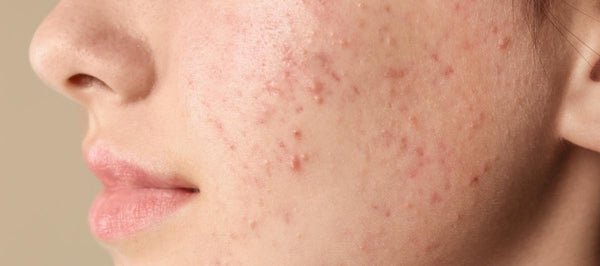
Are you frustrated with stubborn acne scars that just won’t fade away? You’re not alone.
Acne scars can be a lingering reminder of past skin battles, impacting your confidence and making you feel self-conscious. But what if there was a way to help reduce their appearance without resorting to expensive treatments or complex routines? Enter niacinamide, a skincare ingredient that’s been making waves for its potential to improve skin texture and tone.
We’ll explore whether niacinamide could be the solution you’ve been searching for. Could this powerhouse ingredient really help diminish those pesky acne scars? Stick around to find out how it works, what experts say, and if it’s the right choice for your skincare regimen. Your journey to clearer, more confident skin might just begin here.

Credit: plumgoodness.com
How Niacinamide Works On Skin
Niacinamide is a popular ingredient known for its multiple skin benefits, especially when dealing with acne scars. Understanding how it works on your skin can help you decide if it fits into your skincare routine. Let’s break down the ways niacinamide supports skin health and helps reduce the appearance of scars.
Role In Skin Barrier Repair
Your skin barrier acts like a shield, protecting against irritants and locking in moisture. Niacinamide strengthens this barrier by boosting the production of ceramides, the lipids that hold skin cells together.
With a stronger barrier, your skin recovers faster from damage caused by acne. This means scars heal better and new ones are less likely to form. Have you noticed how your skin feels after using products with niacinamide? Many users report it feels smoother and less sensitive.
Anti-inflammatory Properties
Inflammation is a key factor in acne and the scars it leaves behind. Niacinamide calms inflammation by reducing redness and swelling.
This calming effect helps prevent acne from worsening and lowers the risk of post-inflammatory hyperpigmentation, which darkens scars. If you struggle with irritated skin after breakouts, niacinamide could be your ally in soothing flare-ups quickly.
Effects On Pigmentation
Dark spots and uneven skin tone often make acne scars more noticeable. Niacinamide inhibits the transfer of pigment within skin cells, helping to fade discoloration over time.
Users often see a more even complexion after consistent use, making scars less visible. Could adding niacinamide help you balance your skin tone and reduce the stubborn marks left by acne?
Niacinamide And Acne Scars
Niacinamide has gained a lot of attention for its potential benefits in treating acne scars. If you’re dealing with stubborn marks left behind by breakouts, you might wonder if niacinamide can truly make a difference. The truth is, this vitamin B3 derivative works in several ways to improve the appearance of your skin over time.
Reducing Redness And Inflammation
One of the biggest challenges with acne scars is the lingering redness and inflammation. Niacinamide helps calm irritated skin by regulating the production of inflammatory molecules. This means your scars don’t look as raw or angry, which can boost your confidence while healing occurs.
Think about the last time you had a breakout—how long did the redness stick around? Using niacinamide can shorten this period, making your skin look smoother faster.
Promoting Collagen Production
Collagen is key to skin repair, and acne scars often form because collagen gets damaged during breakouts. Niacinamide encourages your skin to produce more collagen, which helps fill in and smooth out scar tissue. Over weeks of consistent use, you might notice your skin feels firmer and scars become less noticeable.
Have you ever tried a product that promised skin renewal but didn’t deliver? Niacinamide stands out because it supports your skin’s natural healing process rather than masking problems.
Fading Hyperpigmentation
Dark spots from acne can be as frustrating as the scars themselves. Niacinamide blocks the transfer of pigment to skin cells, which helps reduce discoloration. With regular use, those stubborn brown or red marks begin to fade, evening out your skin tone.
If uneven skin tone bothers you, niacinamide could be a simple addition to your routine that makes a visible difference without harsh side effects.
Scientific Evidence Supporting Niacinamide
Scientific evidence supporting niacinamide’s role in treating acne scars is growing steadily. Researchers have focused on its anti-inflammatory and skin-repairing properties, which may help reduce the appearance of scars over time. Let’s look closely at what clinical studies reveal and how niacinamide stacks up against other treatments.
Clinical Studies On Scar Improvement
Several clinical studies highlight niacinamide’s effectiveness in improving acne scars. In one study, participants using a 4% niacinamide cream saw significant fading of hyperpigmentation and smoother skin texture after 8 weeks. This is likely due to niacinamide’s ability to boost collagen production and reduce inflammation.
Another study found that niacinamide can improve skin barrier function, which helps skin heal faster and reduces scar formation. If you’ve tried products that leave your skin irritated, niacinamide might be a gentler alternative that still delivers results.
Comparisons With Other Treatments
How does niacinamide compare to more traditional acne scar treatments like retinoids or chemical peels? Unlike retinoids, which can cause dryness and irritation, niacinamide is usually well-tolerated by sensitive skin. This makes it a good option if you want to avoid harsh side effects.
Chemical peels and laser treatments often provide quicker results but come with downtime and higher costs. Niacinamide offers a slower, steady improvement without those drawbacks. If you prefer a low-risk, budget-friendly approach, niacinamide might be the best fit for your skincare routine.
- Niacinamide helps reduce redness and inflammation better than many over-the-counter treatments.
- It supports skin’s natural repair mechanisms, unlike some scar treatments that only focus on surface changes.
- Combining niacinamide with other ingredients like zinc or hyaluronic acid can boost its scar-fighting effects.
What’s your experience with niacinamide or other acne scar treatments? Sometimes, the best approach is a personalized mix rather than a single solution.

Credit: www.reddit.com
Using Niacinamide For Acne Scars
Using niacinamide for acne scars can be a game changer in your skincare routine. This powerful ingredient helps reduce inflammation, fade discoloration, and improve skin texture. But to see real results, it’s important to know how to use it properly.
Recommended Concentrations
Niacinamide is effective in concentrations ranging from 2% to 10%. Most over-the-counter products contain 5%, which balances potency and gentleness well. If you have sensitive skin, start with a lower concentration to avoid irritation.
Higher concentrations like 10% can deliver faster results but might cause redness or dryness if your skin isn’t used to it. Have you ever tried a product that was too strong and made your skin worse? That’s why easing in is key.
Application Tips
Apply niacinamide on clean, dry skin to maximize absorption. You can use it both in the morning and at night, but consistency is what really matters. Give your skin a few weeks to show improvement—patience is essential.
Niacinamide pairs well with moisturizers, so layering it under a hydrating cream helps lock in its benefits. Avoid applying it with acidic products like vitamin C at the same time, as this might reduce its effectiveness.
Combining With Other Ingredients
Niacinamide works well alongside several other skincare ingredients. It boosts the effects of hyaluronic acid, helping your skin stay hydrated and plump. Combining it with retinol can also enhance skin texture and tone, but introduce them slowly to prevent irritation.
Steer clear of mixing niacinamide directly with strong acids like AHAs or BHAs in the same step. Instead, use them at different times of the day or alternate days to get the best results without overloading your skin.
Potential Side Effects And Precautions
Niacinamide is widely praised for its benefits in reducing acne scars, but it’s important to be aware of potential side effects and precautions before adding it to your skincare routine. Understanding these can help you avoid unwanted reactions and get the best results safely.
Common Reactions
Most people tolerate niacinamide well, but some may experience mild irritation. This can include redness, itching, or a slight burning sensation, especially if you have sensitive skin or use high concentrations.
These reactions usually appear during the first few days of use and often subside as your skin adjusts. If irritation persists or worsens, it’s a sign to pause and reassess your routine.
Have you noticed any unusual skin changes after starting a new product? Keeping track can help you identify if niacinamide is the cause.
Who Should Avoid Niacinamide
If your skin is extremely sensitive or prone to eczema, niacinamide might not be the best choice without consulting a dermatologist. People allergic to niacin or with certain skin conditions should be cautious.
Pregnant or breastfeeding women should also seek medical advice before using niacinamide products, as safety data is limited. Additionally, combining niacinamide with incompatible ingredients like vitamin C in high concentrations can sometimes reduce effectiveness or cause irritation.
Do you know your skin type and its specific needs? This knowledge can help you decide if niacinamide fits into your regimen or if alternatives might serve you better.
Real User Experiences
Hearing from real users can give you a clearer picture of how niacinamide works on acne scars. Many people share detailed experiences that highlight both the benefits and the drawbacks of adding niacinamide to their skincare routine. These stories can help you decide if it’s worth trying for your own skin concerns.
Success Stories
Many users report noticeable improvements in the texture and color of their acne scars after consistent use of niacinamide. One user mentioned that within six weeks, their dark spots started fading, and their skin tone looked more even. Another shared that their skin felt calmer, with less redness around the scarred areas.
People often praise niacinamide for its gentle nature, making it suitable for sensitive skin. Some noticed that combining niacinamide with sunscreen sped up their scar healing process. Have you tried layering niacinamide with other products to boost results?
Challenges And Limitations
Not every experience with niacinamide is positive, though. Some users found that it took several months before seeing any improvement, which can be discouraging if you want quick results. Others mentioned mild irritation or breakouts when first starting, especially if their skin was already sensitive.
Niacinamide might not work the same for everyone. For deeper or older scars, users often needed to combine it with other treatments like chemical peels or microneedling. This raises a key question: are you prepared to be patient and possibly add other methods alongside niacinamide?
Credit: ca.style.yahoo.com
Frequently Asked Questions
Does Niacinamide Reduce Acne Scars Effectively?
Niacinamide helps reduce acne scars by boosting collagen and improving skin texture. It fades discoloration and smooths skin, making scars less visible over time.
How Long Does Niacinamide Take To Heal Acne Scars?
Niacinamide typically shows scar improvement in 4 to 8 weeks. Consistent use is key for noticeable fading of dark spots and smoother skin.
Can Niacinamide Prevent New Acne Scars From Forming?
Yes, niacinamide reduces inflammation and controls oil, lowering acne breakouts. Fewer breakouts mean fewer new scars forming on the skin.
Is Niacinamide Safe For All Skin Types With Scars?
Niacinamide is generally safe for all skin types. It’s gentle, non-irritating, and suitable for sensitive or acne-prone skin dealing with scars.
Conclusion
Niacinamide can help reduce the appearance of acne scars. It works by calming the skin and boosting healing. Many people see smoother skin with regular use. Results take time and patience. Combine niacinamide with good skincare habits for best effects.
Always test products on a small skin area first. Clear, healthy skin is possible with care and consistency. Give niacinamide a try and watch your skin improve.
