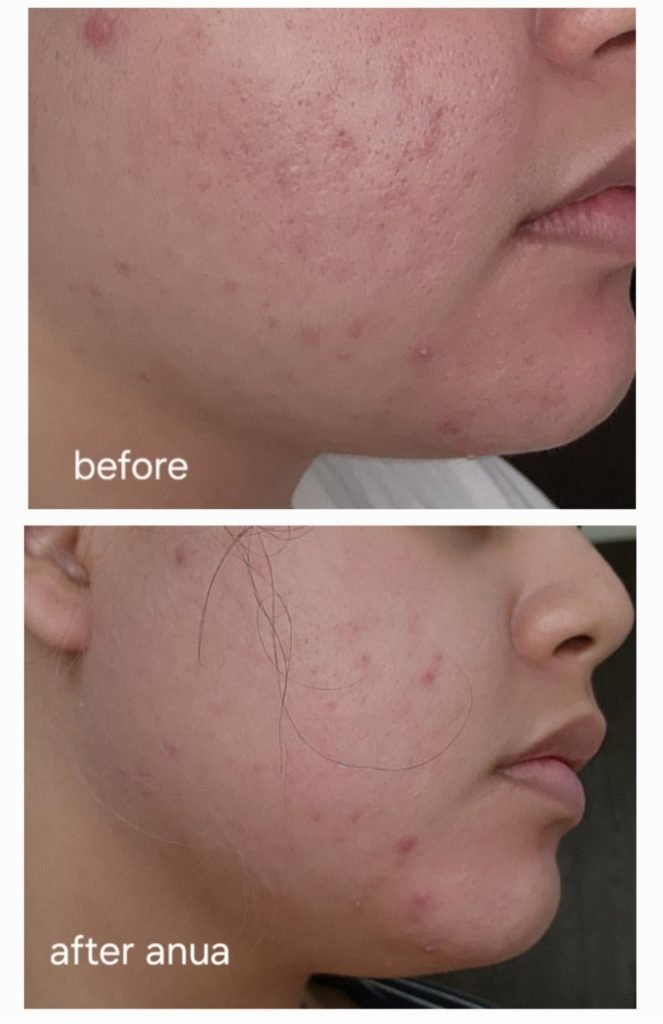
Are you tired of looking in the mirror and seeing acne scars that just won’t fade? You’re not alone.
Many people struggle with those stubborn marks long after the breakouts are gone. But what if there was a simple, effective way to improve your skin’s appearance? Azelaic acid might be the answer you’ve been searching for. You’ll discover how azelaic acid works, whether it really helps with acne scars, and how to use it safely for the best results.
Keep reading—you’re one step closer to clearer, smoother skin.

Credit: www.noteddermatology.com
What Is Azelaic Acid?
Understanding what azelaic acid is can help you decide if it’s right for treating your acne scars. This naturally occurring acid offers more than just basic skincare benefits. It targets the root causes of acne scars in ways you might not expect.
Azelaic acid is a naturally found substance in grains like barley, wheat, and rye. It’s also produced by a type of yeast that lives on your skin. This acid has antibacterial and anti-inflammatory properties that make it effective against acne.
How Does Azelaic Acid Work On The Skin?
Azelaic acid works by killing acne-causing bacteria and reducing inflammation. It also helps to unclog pores and promote cell turnover. This means it not only treats active acne but also helps fade the marks left behind.
Is Azelaic Acid Safe To Use?
Many people find azelaic acid gentle on their skin compared to other acne treatments. It’s less likely to cause irritation or excessive dryness. Still, starting with a lower concentration can help your skin adjust without discomfort.
Forms And Concentrations Of Azelaic Acid
- Creams and gels are the most common forms available.
- Concentrations usually range from 10% to 20%.
- Prescription versions often have higher concentrations for stubborn acne.
Have you tried azelaic acid before? Noticing how it affects your skin can guide you toward the best routine to reduce those stubborn scars.
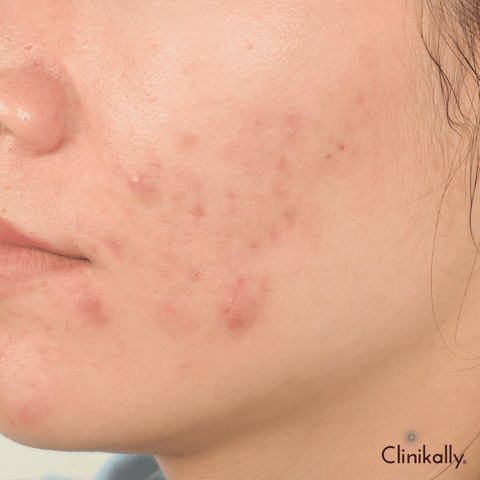
Credit: www.clinikally.com
How Acne Scars Form
Understanding how acne scars form is crucial if you want to tackle them effectively. Scars don’t just appear overnight; they are the skin’s response to injury caused by acne. Knowing what happens beneath the surface can help you make better choices for your skincare routine.
What Happens During An Acne Breakout
Acne starts when pores get clogged with oil, dead skin cells, and bacteria. This leads to inflammation and sometimes infection inside the pore. The swelling and damage to the surrounding skin cells create a wound that your body tries to heal.
How Your Skin Repairs Itself
Your skin repairs these wounds by producing collagen, a protein that acts like a natural bandage. But this process isn’t always perfect. If too much or too little collagen is made, it can cause different types of scars.
Types Of Acne Scars And Why They Appear
- Atrophic scars:These are sunken scars caused by a loss of tissue during healing.
- Hypertrophic scars:Raised scars from excess collagen production.
- Post-inflammatory hyperpigmentation:Dark spots left behind after the skin heals, not true scars but often mistaken for them.
Why Some Scars Stay Longer Than Others
The depth and severity of the original acne, your skin type, and how you care for your skin during healing all affect scar formation. Picking or squeezing pimples can make scars worse by pushing bacteria deeper and increasing inflammation.
Have you noticed that your scars don’t fade even after your acne clears? This happens because the skin’s natural healing can be slow or incomplete. Understanding this might change how you approach treatments like azelaic acid for better results.
Azelaic Acid’s Role In Scar Treatment
Azelaic acid plays a significant role in treating acne scars by targeting the root causes that affect skin texture and tone. Its unique properties help calm inflammation, speed up skin healing, and fade discoloration, making scars less noticeable over time. If you’ve struggled with stubborn acne marks, understanding how azelaic acid works can guide you toward clearer, smoother skin.
Anti-inflammatory Effects
Inflammation worsens acne scars by damaging skin tissue and prolonging healing. Azelaic acid reduces redness and swelling by calming inflammatory cells in your skin. This means less irritation and a better environment for your skin to repair itself.
I noticed that when I started using azelaic acid consistently, my post-acne redness faded faster. Have you ever wondered why some scars stay red for months? Reducing inflammation might be the key to speeding up recovery.
Skin Cell Renewal
Azelaic acid helps your skin shed old, damaged cells and encourages the growth of new ones. This process smooths out uneven textures caused by acne scars. Over time, you’ll see a more even surface as rough patches soften and heal.
Think about how your skin looks after a gentle exfoliation—that fresh feeling is what azelaic acid promotes daily. Consistent use can help your scars fade by improving overall cell turnover without harsh scrubbing.
Reducing Hyperpigmentation
Dark spots left behind by acne can make scars more visible. Azelaic acid inhibits melanin production, which helps lighten these hyperpigmented areas. This leads to a more balanced skin tone and less noticeable discoloration.
If your scars are darker than the surrounding skin, azelaic acid might be especially helpful. Have you tried brightening treatments that irritated your skin? Azelaic acid offers a gentler alternative to tackle stubborn dark spots.

Credit: www.reddit.com
Scientific Studies On Azelaic Acid For Scars
Scientific studies provide valuable insights into how azelaic acid works on acne scars. Researchers have focused on its ability to reduce pigmentation and improve skin texture. Understanding these findings can help you decide if azelaic acid fits into your skincare routine.
Clinical Trial Results
Several clinical trials have tested azelaic acid’s effectiveness against acne scars. One study showed that daily use of a 20% azelaic acid cream significantly faded post-inflammatory hyperpigmentation within 12 weeks. Participants also reported smoother skin and less redness.
Another trial compared azelaic acid with a placebo and found a clear reduction in scar visibility and inflammation. These results suggest azelaic acid not only helps with discoloration but also aids skin healing. Would you consider trying a treatment backed by solid evidence like this?
Comparison With Other Treatments
Azelaic acid competes with treatments like retinoids, glycolic acid, and hydroquinone. Unlike hydroquinone, azelaic acid is less likely to cause irritation or worsen sensitivity. It also has antibacterial and anti-inflammatory properties, making it versatile for acne-prone skin.
Retinoids are powerful but can cause dryness and peeling, which might not suit everyone. Glycolic acid exfoliates but may increase sun sensitivity. Azelaic acid offers a gentler alternative with fewer side effects. Could this balance between effectiveness and tolerance be why many dermatologists recommend it?
How To Use Azelaic Acid For Best Results
Using azelaic acid correctly can make a significant difference in reducing acne scars effectively. It’s not just about applying the product; it’s about how and when you use it that matters. Let’s dive into practical tips to help you get the best results from azelaic acid.
Application Tips
Apply azelaic acid to clean, dry skin to improve absorption. Use a pea-sized amount for your entire face to avoid irritation. Gently massage it in, focusing on scarred areas without rubbing too hard.
Start with once daily, preferably at night, and increase to twice if your skin tolerates it well. Always follow with a moisturizer to prevent dryness. Have you noticed how layering products can impact your skin’s comfort?
Recommended Concentrations
Azelaic acid usually comes in 10%, 15%, or 20% concentrations. For sensitive skin, starting with 10% helps minimize irritation. If your skin is more resilient, 15%-20% concentrations often deliver better scar-fading effects.
Consult product labels or a dermatologist to choose the right strength. Remember, higher concentration doesn’t always mean better for your skin’s health. Have you checked the concentration on your azelaic acid product yet?
Combining With Other Products
Azelaic acid pairs well with many skincare ingredients but avoid mixing it immediately with strong acids like glycolic or salicylic acid to reduce irritation risk. You can safely use it alongside gentle moisturizers and sunscreens.
Vitamin C and niacinamide often complement azelaic acid’s effects on scars and discoloration. Try using azelaic acid at night and vitamin C in the morning for balanced care. How do your current products interact with each other?
Potential Side Effects And Precautions
Azelaic acid is known for its benefits in treating acne scars, but it’s important to be aware of the potential side effects and precautions before adding it to your skincare routine. Understanding these aspects can help you avoid common pitfalls and ensure a smoother experience with this ingredient.
Common Side Effects Of Azelaic Acid
Most users experience mild side effects like redness, dryness, or itching when they first start using azelaic acid. These symptoms usually appear within the first few days and tend to fade as your skin adjusts.
However, if the irritation worsens or lasts longer than two weeks, it may be a sign that the product is too strong for your skin type or you are using it too frequently.
Who Should Avoid Azelaic Acid?
If you have sensitive skin or conditions like eczema or rosacea, azelaic acid might cause more pronounced irritation. It’s best to test a small patch of skin first to see how your skin reacts.
Pregnant or breastfeeding women should consult a healthcare provider before using azelaic acid, as safety data is limited for these groups.
How To Use Azelaic Acid Safely
Start with a lower concentration product to allow your skin to build tolerance. Use it every other day initially and gradually increase to daily use if no irritation occurs.
Always apply a moisturizer after azelaic acid to combat dryness and use sunscreen during the day since your skin may become more sensitive to the sun.
When To Stop Using Azelaic Acid
If you notice swelling, severe redness, blistering, or intense burning, stop using azelaic acid immediately and consult a dermatologist. These symptoms could indicate an allergic reaction or severe irritation.
It’s important to listen to your skin’s signals and not push through discomfort just to speed up results.
Real User Experiences
Real user experiences offer valuable insight into azelaic acid’s effects on acne scars. Many people share their honest results after weeks of use. These stories help understand how azelaic acid works in everyday life. Users often discuss changes in skin texture, scar appearance, and overall confidence.
Listening to real voices highlights common benefits and challenges. Some find visible improvements, while others notice subtle changes. The diversity of experiences shows how skin type and routine impact results. These accounts guide those curious about trying azelaic acid.
Positive Outcomes Shared By Users
- Many report smoother skin after consistent use.
- Some notice lightening of dark spots and scars.
- Improved skin tone and fewer breakouts appear often.
- Users feel more confident showing their face.
Challenges And Side Effects Mentioned
- Some users experience mild dryness or redness.
- Results may take several weeks to become visible.
- Not everyone sees dramatic scar reduction.
- Patience and proper moisturizing are key to success.
Tips From Users For Best Results
- Apply azelaic acid twice daily for steady improvement.
- Use gentle cleansers and avoid harsh scrubs.
- Always wear sunscreen during the day.
- Combine with other treatments only after consulting a dermatologist.
Frequently Asked Questions
Does Azelaic Acid Reduce Acne Scars Effectively?
Yes, azelaic acid helps fade acne scars by promoting skin cell turnover. It also reduces inflammation and pigmentation, improving skin texture and tone over time.
How Long Does Azelaic Acid Take To Heal Acne Scars?
Azelaic acid typically shows improvement in acne scars within 4 to 8 weeks. Consistent use is key to achieving noticeable results and smoother skin.
Can Azelaic Acid Prevent New Acne Scars?
Yes, azelaic acid prevents new scars by reducing active acne and inflammation. It also controls bacteria growth, minimizing the chance of future scarring.
Is Azelaic Acid Safe For All Skin Types?
Azelaic acid is generally safe for all skin types, including sensitive skin. It’s non-irritating and suitable for daily use under proper guidance.
Conclusion
Azelaic acid can help reduce acne scars. It works by gently exfoliating skin. This process encourages new cell growth. Results vary for each person. Some may see clearer skin quickly. Others might need more time. Always consult a dermatologist first.
They can guide the best treatment for your skin. Patience and consistency are key. Natural ingredients like azelaic acid offer gentle solutions. Regular use can improve overall skin texture. Stay committed for the best results. Your skin deserves care and attention.
