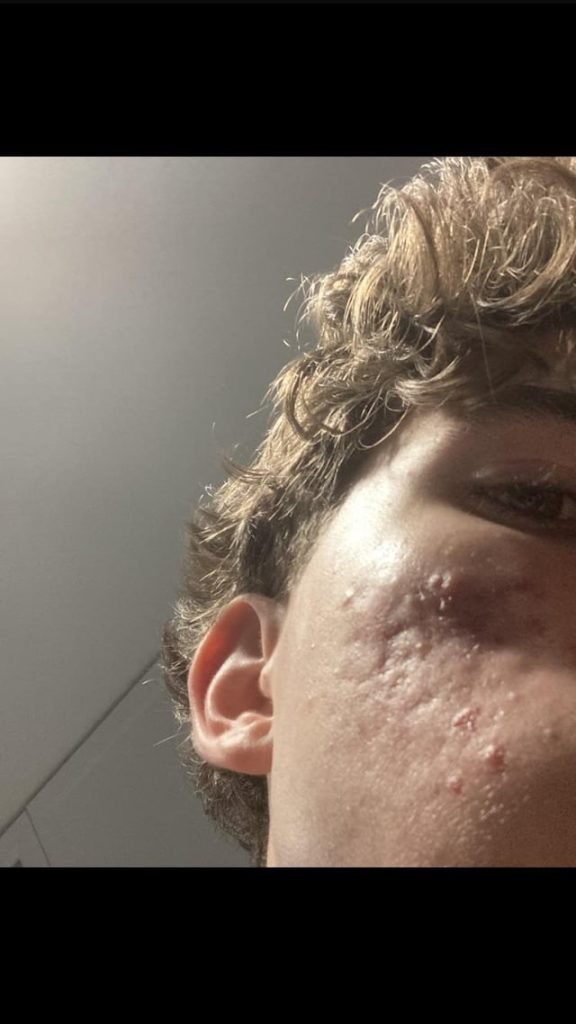
Are you struggling with acne scars and wondering if Accutane might be the solution you’ve been searching for? You’re not alone.
Acne scars can be stubborn, lingering long after the breakouts are gone, affecting not just your skin but also your confidence. You’ve probably tried countless creams and treatments with little success, leaving you frustrated and unsure of where to turn next.
What if there was a way to address those pesky scars once and for all? This is where Accutane comes into the picture. Known primarily for its effectiveness in treating severe acne, you might be curious if it could also be the answer to your scar woes. We dive deep into the world of Accutane and its potential impact on acne scars, providing you with the insights you need to make an informed decision. Get ready to discover whether this powerful medication could be the game-changer for your skin that you’ve been hoping for.
How Accutane Works
Accutane works deep inside the skin to treat severe acne. It targets the causes of acne rather than just the symptoms. Understanding how Accutane works helps explain its effects on acne scars.
Impact On Acne Formation
Accutane reduces the size of oil glands in the skin. Smaller oil glands produce less oil, which clogs pores less. This lowers the chance of new acne forming. It also prevents dead skin cells from sticking together inside pores. Clear pores mean fewer blockages and less acne.
Effect On Skin Cells
Accutane speeds up skin cell turnover. This means old cells shed faster and new cells grow quicker. Faster cell renewal helps heal existing acne and scars. It also reduces inflammation, calming the skin. The skin becomes smoother and clearer over time.
Types Of Acne Scars
Acne scars come in different shapes and forms, and understanding their types can help you know what to expect from treatments like Accutane. Not all scars are created equal, and each type responds differently to various therapies. Knowing the differences can guide you in making informed decisions about your skincare journey.
Atrophic Scars
Atrophic scars appear as small indentations or depressions on the skin. They happen when the skin doesn’t produce enough collagen during healing, leaving a sunken area. These scars are common after severe acne and often look like tiny pits or craters.
You might notice that these scars feel different from the surrounding skin—usually softer or thinner. Treatments targeting collagen production, such as microneedling or laser therapy, often work better than Accutane for these scars. Have you seen your skin texture change after acne? That might be atrophic scarring.
Hypertrophic Scars
Hypertrophic scars are raised, thickened areas of skin caused by excess collagen build-up. Unlike atrophic scars, these scars protrude above the skin surface and can sometimes feel firm or itchy. They usually develop on the chest, back, or shoulders where acne was severe.
While Accutane reduces active acne, it doesn’t directly shrink these raised scars. Treatments like steroid injections or silicone sheets may be more effective here. Have you ever tried pressing on a raised scar and felt how different it is from normal skin?
Pigmentation Issues
After acne heals, you might notice dark spots or red patches on your skin. These are not actual scars but pigmentation changes caused by inflammation. They can make your skin tone uneven and may take months to fade.
Accutane doesn’t directly treat pigmentation, but by clearing acne, it prevents new marks from forming. Using sunscreen and skin-brightening products can help speed up fading. Are you protecting your skin daily to avoid making pigmentation worse?
Accutane And Scar Improvement
Accutane is widely known for treating severe acne. Many wonder if it also helps improve acne scars. This section explores how Accutane affects scars and what changes it may bring.
Reduction Of New Scars
Accutane works by shrinking oil glands and reducing acne outbreaks. Fewer breakouts mean fewer new scars. The medication helps prevent inflammation that causes scarring. This reduces the chance of fresh marks forming on the skin.
Stopping acne early is key to avoiding scars. Accutane often clears skin faster than other treatments. This can lower the risk of new scar development during treatment.
Effect On Existing Scars
Accutane does not directly erase old scars. It does not soften deep scars or change their texture. Some mild scars may improve slightly as skin heals overall.
Other treatments are usually needed to fix old scars. Options like laser therapy, microneedling, or chemical peels work better for scar removal. Accutane can prepare skin by making it clearer before these procedures.

Credit: www.reddit.com
Limitations Of Accutane
Accutane is often hailed as a powerful solution for severe acne, but it’s important to understand its limits, especially when dealing with acne scars. While it can dramatically reduce active breakouts, it doesn’t erase all the damage left behind. Knowing what Accutane can and cannot do helps you set realistic expectations and explore other options if needed.
What Accutane Can’t Fix
Accutane targets the root causes of acne by shrinking oil glands and reducing inflammation. However, it doesn’t reverse existing scars, especially deep or pitted ones. This means:
- Ice pick scars and deep indentations will likely remain after treatment.
- Redness and hyperpigmentation might fade over time, but not fully disappear.
- Accutane won’t smooth out uneven skin texture caused by scarring.
Many patients expect a clear, smooth complexion immediately after finishing Accutane. But the reality is different. Healing scars often requires additional interventions beyond what Accutane can provide.
When To Consider Other Treatments
If your scars are noticeable and impact your confidence, it’s worth exploring other treatments. Procedures like microneedling, laser therapy, and chemical peels can actively improve scar appearance.
Here’s when you should think about stepping up your skincare game:
- After completing Accutane and your acne is under control.
- If you notice persistent textural changes or discoloration that bothers you.
- When you want faster and more visible scar improvement.
Have you noticed that your skin still feels uneven despite clear acne? That’s a clear sign to talk to your dermatologist about scar-specific treatments. Combining Accutane with follow-up procedures might be the key to achieving the results you want.
Alternative Scar Treatments
If Accutane hasn’t fully erased your acne scars, don’t lose hope. Several alternative treatments can help improve the texture and appearance of your skin. Each option works differently, so understanding what suits your skin type and scar severity is key to seeing results.
Laser Therapy
Laser therapy uses focused light to target scar tissue beneath your skin’s surface. It stimulates collagen production, which helps smooth out uneven skin. Many people notice significant improvement after a few sessions, but it’s important to discuss potential side effects like redness or swelling with your dermatologist.
Think about how your skin responds to minor injuries—laser therapy mimics that controlled healing process. If you’re considering this, ask your doctor about fractional lasers, which are known for precise treatment and shorter recovery times.
Microneedling
Microneedling involves tiny needles creating micro-injuries on your skin to boost collagen and elastin production. It’s less invasive than laser therapy and can be done in a dermatologist’s office or at home with proper tools. You might experience mild redness, but many find the gradual improvement worth the minor discomfort.
Have you noticed how small cuts or scratches sometimes heal leaving skin smoother? Microneedling uses this principle to encourage your skin’s natural repair mechanisms. Regular sessions are often needed, so patience is key.
Chemical Peels
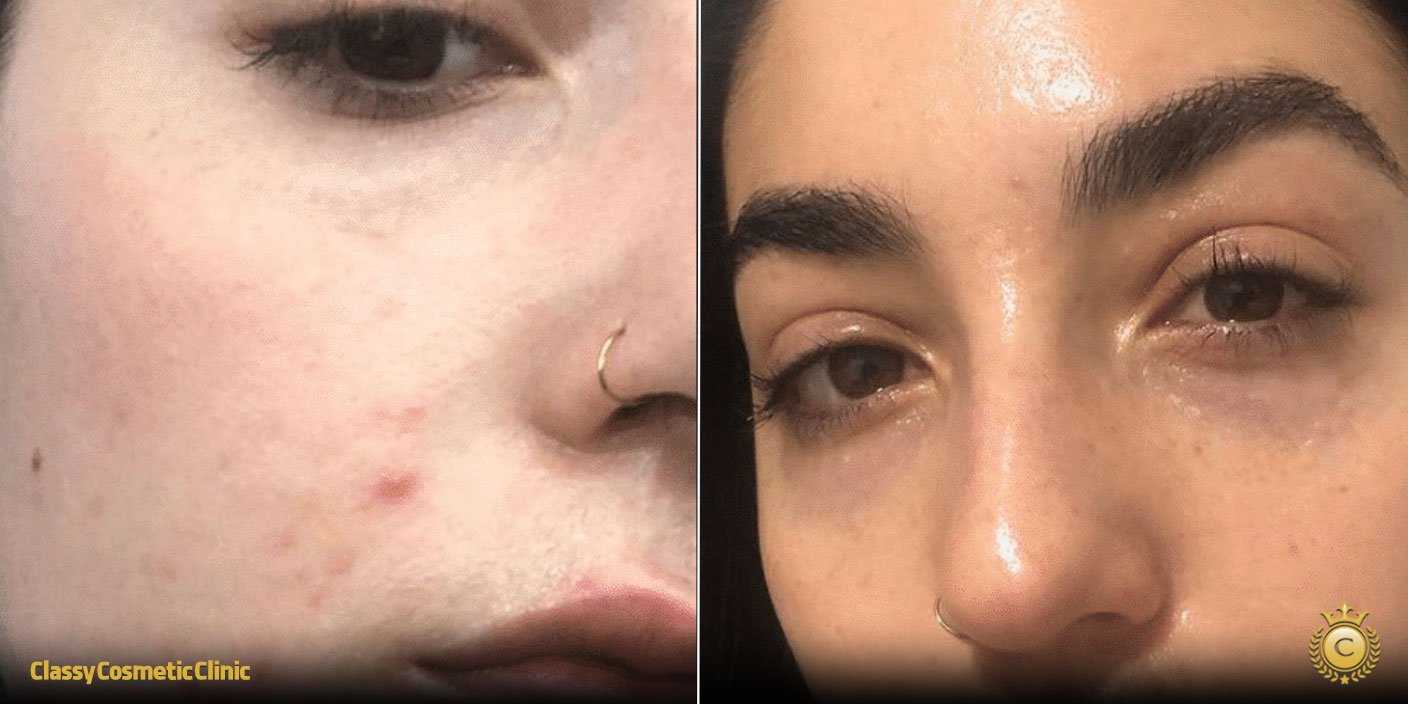
Chemical peels remove the outer layers of your skin using acids like glycolic or salicylic acid. This process reveals fresher skin underneath and reduces the appearance of superficial scars. The strength of the peel can vary, so consult a professional to choose the right one for your skin type.
Many people appreciate how chemical peels also help with acne and uneven skin tone, making it a two-in-one treatment. If you’re sensitive to sunlight, remember that peels can increase your skin’s sun sensitivity, so sunscreen is essential after treatment.
Credit: www.classycosmeticclinic.com
Side Effects And Precautions
Accutane can help reduce acne scars, but it also comes with side effects. Understanding these effects and taking precautions is important for safe use. This section covers common side effects and key safety measures to keep in mind.
Common Side Effects
- Dry skin and lips are very common during treatment.
- Redness and peeling may appear on the face and body.
- Increased sensitivity to sunlight can cause sunburn easily.
- Some people experience muscle aches or joint pain.
- Temporary hair thinning may occur but usually grows back.
- Changes in mood or energy levels have been reported.
Important Safety Measures
- Regular blood tests monitor liver function and cholesterol levels.
- Avoid pregnancy during and six months after treatment.
- Use strong sunscreen and wear protective clothing outdoors.
- Do not use other acne treatments without doctor approval.
- Report any unusual symptoms or side effects to your doctor.
- Follow the prescribed dosage strictly to avoid serious risks.
Patient Experiences
Patient experiences with Accutane and acne scars vary widely, offering valuable insights for anyone considering this treatment. While Accutane is primarily known for clearing active acne, many wonder if it also helps reduce the appearance of scars. Hearing directly from those who have tried it can help you set realistic expectations and decide if it’s the right path for your skin.
Success Stories
Some patients report significant improvements in their skin texture after completing an Accutane course. One user shared how their deep, red scars faded noticeably over several months, leaving smoother skin behind. They emphasized consistent skincare and patience as key factors in their success.
Another patient mentioned that while Accutane didn’t erase scars completely, it prevented new breakouts that worsened scarring. This allowed their skin to heal and reduced the overall visibility of scars over time.
- Improved skin texture
- Faded redness in scars
- Prevention of new acne and scars
Does your skin respond better when breakouts stop, allowing scars to gradually improve? Many find that managing active acne is the first step to visibly reducing scars.
Challenges Faced
Not all experiences are positive. Some patients noticed minimal change in their scar appearance despite completing Accutane treatment. One individual shared frustration over persistent pitted scars that required additional treatments like microneedling or laser therapy.
Others reported side effects such as dry skin and sensitivity, which complicated their skincare routine and delayed healing. These challenges can make the journey feel discouraging, especially when you expect quick results.
| Common Challenges | Impact on Patients |
|---|---|
| Minimal scar improvement | Need for supplementary treatments |
| Dryness and skin sensitivity | Difficulty maintaining skincare routine |
| Long healing time | Frustration and lowered motivation |
Are you prepared to combine Accutane with other treatments if scars don’t improve enough? Understanding these challenges helps you plan a more effective, realistic approach to healing your skin.

Credit: m.youtube.com
Frequently Asked Questions
Does Accutane Reduce Acne Scars Effectively?
Accutane primarily treats active acne by reducing oil production. It does not directly remove existing acne scars but may improve skin texture. For significant scar treatment, additional procedures like laser therapy or microneedling are often needed alongside Accutane.
How Long Does Accutane Take To Improve Acne Scars?
Accutane’s impact on acne scars is indirect and gradual. It may take several months to notice skin texture improvements after acne clears. Visible scar reduction usually requires longer treatment or combined therapies beyond Accutane alone.
Can Accutane Prevent New Acne Scars From Forming?
Yes, Accutane helps prevent new scars by controlling severe acne and inflammation. By reducing breakouts and skin damage, it lowers the chance of new scars developing. Early treatment with Accutane is crucial to minimize scarring risk.
Is Accutane Safe For Treating Acne Scars?
Accutane is safe under medical supervision but is not specifically approved for scar treatment. It can improve skin quality but should be combined with dermatologist-recommended scar therapies for best results. Always consult a doctor before starting Accutane.
Conclusion
Accutane can help reduce acne scars over time. It works by stopping new acne from forming. This lets your skin heal better. Results are not instant; patience is key. Some scars may need extra treatments. Always follow your doctor’s advice carefully.
Taking care of your skin is important. Clearer skin is possible with the right steps. Trust the process and stay consistent. Your skin can improve with time and care.
