
Are you tired of spending a fortune on skincare products that don’t deliver? Imagine creating your own skincare routine right at home, tailored exactly to your skin’s needs.
A DIY skincare routine gives you full control over what you put on your skin, ensuring it’s natural, gentle, and effective. You’ll discover simple steps and easy recipes that fit your lifestyle and budget. Get ready to unlock glowing, healthy skin without the hassle or high costs.
Keep reading to find out how you can start your personalized skincare journey today.
Benefits Of Diy Skincare
Creating your own skincare routine at home offers more than just control over the ingredients you use. It allows you to connect with your skin’s unique needs and discover what truly works. Let’s look at why many find DIY skincare not only satisfying but also highly effective.
Natural Ingredients And Their Effects
Using natural ingredients means you avoid harsh chemicals that can irritate your skin. Items like honey, aloe vera, and oatmeal have soothing, moisturizing, and anti-inflammatory properties.
For instance, I once struggled with dry patches until I applied a simple mask made from mashed avocado and honey. It calmed the redness and made my skin glow without any side effects.
What natural ingredients do you already have in your kitchen that could benefit your skin?
Cost-effectiveness
Buying ready-made skincare products can get expensive quickly. DIY options let you save money by using affordable, everyday items.
Instead of spending $30 on a face mask, you can mix yogurt and lemon juice at home for a fraction of the price. You might be surprised how much you save over time.
Could the money saved on store-bought products be better spent on quality ingredients or tools for your routine?
Customization For Skin Types
Your skin is unique, so why settle for generic products? Making your own skincare allows you to tailor treatments to your specific skin type and concerns.
If you have oily skin, you can add clay to absorb excess oil. Dry skin? Include nourishing oils like jojoba or almond. This level of customization often leads to better results.
Have you noticed how your skin reacts differently to various products? Why not create something that fits you perfectly?
Essential Tools And Supplies
Creating your own skincare products at home can feel overwhelming without the right tools and supplies. Having a well-prepared setup not only makes the process smoother but also ensures your skincare routine is effective and safe. Let’s look at what essentials you need to get started and maintain a successful DIY skincare routine.
Basic Kitchen Ingredients
You probably already have some powerful skincare ingredients right in your kitchen. Simple items like honey, coconut oil, oatmeal, and yogurt are amazing for soothing and nourishing your skin.
Think about how avocado adds moisture or how green tea can calm irritation. These natural ingredients are easy to find and often cost less than store-bought products.
Have you considered using ingredients that double as food and skincare? It’s a smart way to keep your routine natural and budget-friendly.
Skincare Tools You Need
Having the right tools makes mixing and applying your homemade products easier and more hygienic. A few basic items like glass bowls, measuring spoons, and a small whisk can make all the difference.
A clean dropper bottle or a spray bottle can help you apply toners or serums precisely. Plus, silicone spatulas prevent waste by scraping every last bit out of your container.
Do you have a dedicated space for mixing and storing your skincare? Keeping tools separate from kitchen utensils helps avoid contamination and keeps things organized.
Storage Containers And Labels
Proper storage is key to preserving the freshness and effectiveness of your DIY skincare products. Choose airtight containers made of glass or BPA-free plastic to prevent contamination and extend shelf life.
Labeling your creations with the date and ingredients is a small step that saves confusion later. It also helps you track how long your products last, so you avoid using expired items.
Have you tried color-coded labels or simple icons to quickly identify your products? A little organization goes a long way in keeping your skincare routine hassle-free.
Daily Skincare Steps
Starting a daily skincare routine can feel overwhelming, but focusing on a few simple steps can make a big difference in how your skin looks and feels. Each step plays a unique role, helping to protect, nourish, and restore your skin throughout the day. Let’s break down these essential actions so you can easily add them to your routine and see real results.
Gentle Cleansing Methods
Cleaning your face is the foundation of any skincare routine. Choose a cleanser that suits your skin type—gel cleansers work well for oily skin, while cream-based ones are better for dry skin. Avoid harsh scrubs that can irritate your skin; instead, use gentle circular motions with your fingertips to lift dirt without stripping natural oils.
Have you ever noticed how your skin feels tight or dry after washing? That’s a sign your cleanser might be too strong. Try cleansing with lukewarm water and using a soft washcloth to help remove impurities without causing irritation.
Hydrating Toners And Mists
After cleansing, your skin needs a boost of hydration to stay balanced. Toners and mists can help restore your skin’s pH and add moisture. Look for alcohol-free formulas with ingredients like rose water, aloe vera, or glycerin that soothe and hydrate without drying.
Spritzing a hydrating mist throughout the day can refresh your skin and calm redness, especially if you spend hours in dry or air-conditioned environments. Have you tried using a toner as a quick pick-me-up during the afternoon? It can make your skin feel instantly revitalized.
Moisturizing Techniques
Moisturizing locks in hydration and strengthens your skin barrier. Apply your moisturizer on slightly damp skin to help seal in moisture. Use gentle upward strokes with your fingers to prevent tugging and encourage circulation.
If you struggle with dry patches, consider layering a lightweight serum underneath your moisturizer for extra hydration. Does your moisturizer absorb quickly or leave a greasy feeling? Adjusting the amount you use or switching to a formula designed for your skin type can make all the difference.
Weekly Treatments
Weekly treatments are essential for a healthy skincare routine. They help remove dead skin cells, nourish deeply, and clean pores thoroughly. These treatments keep your skin fresh and glowing. Set aside time each week for extra care beyond daily cleansing and moisturizing.
Exfoliating Scrubs
Exfoliating scrubs remove dead skin and reveal fresh layers. Use gentle scrubs with natural ingredients like sugar or oatmeal. Avoid harsh scrubs that can irritate your skin. Apply scrubs in small circles for about one minute. Rinse with lukewarm water and pat dry. Exfoliate once a week to prevent clogged pores and dullness.
Nourishing Face Masks
Nourishing face masks hydrate and restore skin’s softness. Choose masks based on your skin type. For dry skin, use creamy or honey-based masks. Oily skin benefits from clay or charcoal masks. Apply an even layer and leave it on for 10-15 minutes. Rinse gently and follow with moisturizer. Use masks weekly to boost skin health and glow.
Deep Cleansing Procedures
Deep cleansing removes impurities and excess oil from pores. Steam your face first to open pores. Use a gentle clay mask or charcoal mask for deep cleansing. Leave the mask on as directed, usually 10-20 minutes. Rinse with cool water to close pores. Perform deep cleansing once a week to keep skin clear and fresh.
Targeted Diy Remedies
Targeted DIY remedies help you address specific skin concerns with natural ingredients you can find at home. They let you customize your skincare routine based on what your skin truly needs. Have you ever wondered which simple ingredients could tackle your unique skin issues effectively?
Acne-fighting Recipes
Acne can be stubborn, but some DIY mixtures can calm inflammation and reduce breakouts. A popular recipe combines honey and cinnamon, both known for their antibacterial properties. Apply the paste for 10–15 minutes, then rinse with warm water to soothe your skin.
Another option is a clay mask made with bentonite clay and apple cider vinegar. This mix helps absorb excess oil and unclog pores. If you struggle with acne, experimenting with these recipes might save you a trip to the dermatologist.
Anti-aging Formulas
Wrinkles and fine lines can feel like a tough battle, but certain natural ingredients support skin elasticity. Using mashed avocado mixed with a little olive oil creates a nourishing mask full of antioxidants and healthy fats. Leave it on for 20 minutes to hydrate and refresh your skin.
Another simple formula includes aloe vera gel and vitamin E oil. This combo promotes collagen production and protects your skin from environmental damage. Have you tried these ingredients in your routine yet?
Brightening Solutions
Dull skin can make you look tired. Brightening DIY remedies help bring back your natural glow without harsh chemicals. Mix turmeric powder with yogurt to create a mask that evens out skin tone and reduces dark spots.
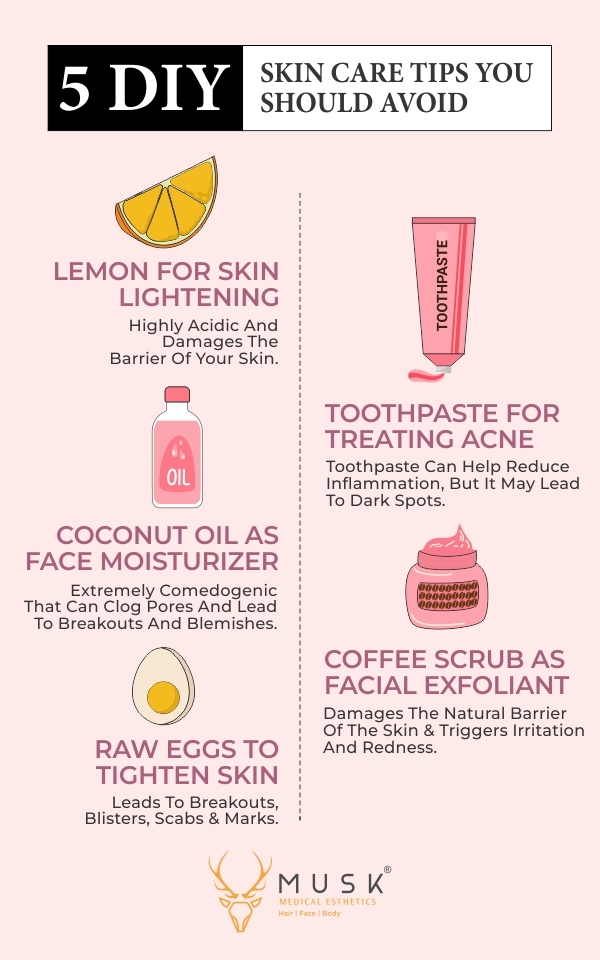
Lemon juice diluted with water is another classic brightener, but use it cautiously to avoid irritation. Applying these solutions once or twice a week can improve your complexion over time. What’s stopping you from trying these simple brightening hacks today?

Credit: www.youtube.com
Tips For Safe Skincare
Creating your own skincare products can be fun and rewarding. Safety must come first. Follow these simple tips to keep your skin healthy and avoid problems.
Patch Testing
Test new products on a small skin area. Use a small amount on your inner arm or behind your ear. Wait 24 to 48 hours. Check for redness, itching, or swelling. If any reaction appears, do not use the product on your face.
Avoiding Irritants
Choose gentle, natural ingredients. Avoid harsh chemicals, fragrances, and dyes. These can cause irritation or allergic reactions. Stick to products with few ingredients. Watch for common irritants like alcohol, sulfates, and strong acids. Use products suited to your skin type.
Proper Hygiene Practices
Wash your hands before making or applying skincare. Use clean containers and tools to avoid germs. Store products in cool, dry places. Avoid touching your face with dirty hands. Clean your face gently to protect your skin barrier.
Maintaining Radiant Skin
Maintaining radiant skin requires more than just applying creams or masks. It involves a mix of good habits that nourish your skin daily. Healthy skin reflects a healthy body and mind. Consistency and care play key roles in keeping your skin glowing and smooth.
Healthy Lifestyle Habits
Eat a balanced diet rich in fruits and vegetables. Drink plenty of water to keep your skin hydrated. Avoid smoking and limit alcohol consumption. Get enough sleep every night to allow skin repair. Manage stress through relaxation or exercise. These habits support your skin from the inside out.
Sun Protection Strategies
Use sunscreen with at least SPF 30 every day. Reapply sunscreen every two hours when outdoors. Wear hats and sunglasses to shield your face. Seek shade during peak sun hours, usually 10 a.m. to 4 p.m. Sun protection prevents damage and keeps skin youthful.
Consistent Routine Practices
Cleanse your face twice daily with a gentle cleanser. Use moisturizer suited to your skin type to lock in hydration. Exfoliate once or twice a week to remove dead skin cells. Avoid harsh scrubbing or over-washing. Stick to your routine for visible and lasting results.

Credit: www.yesmadam.com
Credit: muskclinic.com
Frequently Asked Questions
What Are The Basic Steps In A Diy Skincare Routine?
A DIY skincare routine typically includes cleansing, exfoliating, moisturizing, and applying sunscreen. These steps help maintain healthy, glowing skin naturally.
Which Natural Ingredients Are Best For Diy Skincare?
Common natural ingredients include honey, aloe vera, coconut oil, and oatmeal. They soothe, hydrate, and gently exfoliate the skin effectively.
How Often Should I Follow A Diy Skincare Routine?
For most skin types, follow a DIY skincare routine daily. Exfoliate 1-2 times a week to avoid irritation and maintain skin health.
Can Diy Skincare Routines Help With Acne?
Yes, DIY routines using ingredients like tea tree oil and honey can reduce acne. Consistency and gentle care are key for best results.
Conclusion
Creating your own skincare routine is simple and rewarding. You control the ingredients. Your skin feels fresh and healthy. Natural options are often gentle. They reduce irritation and save money too. Experiment with different recipes. Find what works best for you.
Consistency is key for great results. Remember to patch test new products. Enjoy the process of caring for your skin. Feel the difference with each step. You create a personal touch in your daily regimen. With patience, your skin will thank you.
Celebrate each improvement in your skincare journey. Keep it simple and enjoy the benefits.
