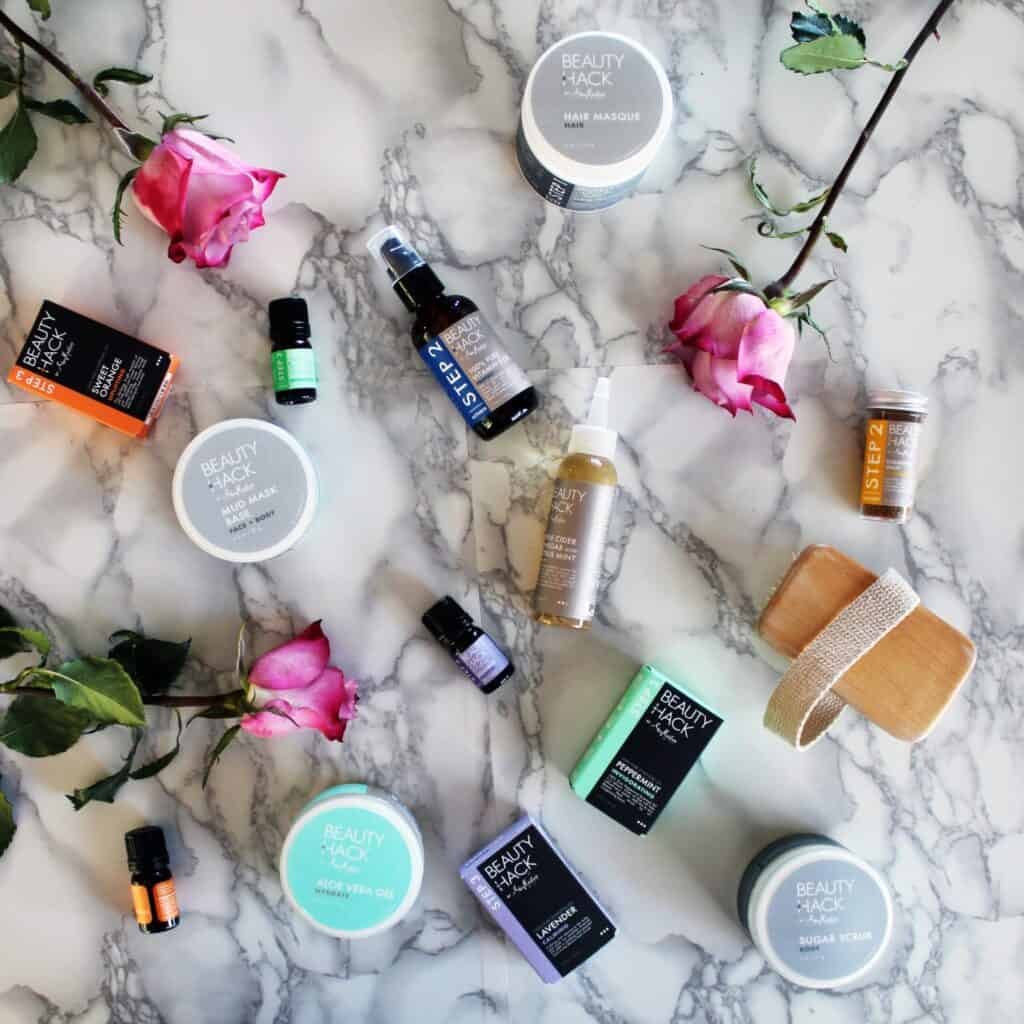
Imagine having radiant, glowing skin without breaking the bank or filling your bathroom shelf with pricey products. DIY skin care products offer you the chance to take control of what goes onto your skin.
You can customize your skincare routine to suit your unique needs and preferences. By using simple, natural ingredients, you can create effective beauty solutions right in your own kitchen. Not only is this approach kinder to your wallet, but it also allows you to avoid harsh chemicals found in many commercial products.
Intrigued? Dive into the world of DIY skin care and discover how you can transform your skin with just a few easy-to-make products. Your skin deserves the best, and you have the power to give it just that.
Benefits Of Diy Skin Care
Making your own skin care products offers many advantages. It allows control over what touches your skin. You avoid harsh chemicals and preservatives common in many commercial products. DIY skin care also encourages a closer connection with your beauty routine.
Crafting products at home lets you tailor them exactly to your skin’s needs. You can mix ingredients for hydration, exfoliation, or soothing effects. This personal touch helps achieve better results and healthier skin.
Natural Ingredients And Their Effects
Using natural ingredients means fewer irritants and toxins. Items like honey, aloe vera, and coconut oil nourish skin gently. These ingredients provide vitamins, antioxidants, and moisture. They help calm redness, fight dryness, and improve skin texture. Natural elements often work better with the skin’s natural balance.
Cost-effectiveness Compared To Store-bought Products
DIY skin care saves money over time. Many recipes use simple pantry staples or affordable items. Bulk buying ingredients lowers costs even more. Homemade products last long and do not need expensive packaging. This makes DIY options budget-friendly without sacrificing quality.
Customization For Different Skin Types
Every skin type needs different care. DIY skin care lets you mix ingredients for oily, dry, or sensitive skin. You can adjust recipes to add more moisture or reduce oil. Custom blends avoid ingredients that cause breakouts or irritation. This personalized approach supports healthier, happier skin.
Essential Ingredients To Keep On Hand
Keeping a well-stocked collection of essential ingredients can make your DIY skin care routine both simple and effective. Having the right components ready allows you to create customized products that suit your skin’s unique needs. What ingredients do you find yourself reaching for again and again?
Common Oils And Butters
Oils and butters form the base of many DIY skin care recipes. They provide moisture, nourishment, and a smooth texture to your creations.
- Jojoba Oil:Mimics your skin’s natural oils, making it great for all skin types.
- Sweet Almond Oil:Rich in vitamins, it soothes and softens dry skin effectively.
- Coconut Oil:Offers deep hydration but can clog pores for sensitive skin, so use carefully.
- Shea Butter:Thick and creamy, it’s perfect for intense moisturization and healing.
- Cocoa Butter:Adds a lovely scent and helps improve skin elasticity.
Choosing the right oil or butter depends on your skin’s texture and how rich you want your product to be. What’s your go-to base for a nourishing feel?
Herbs And Natural Additives
Herbs and natural additives bring powerful benefits and gentle fragrances to your skin care products.
- Chamomile:Calms irritation and reduces redness.
- Green Tea:Packed with antioxidants to fight free radicals.
- Calendula:Known for its healing and anti-inflammatory properties.
- Aloe Vera Gel:Hydrates and soothes sunburned or sensitive skin.
- Vitamin E Oil:Acts as an antioxidant and helps extend shelf life.
Adding these natural elements can enhance your product’s effectiveness and scent. Have you tried infusing your oils with herbs for a personalized touch?
Preservatives And Storage Tips
Preservatives are critical if you want your DIY skin care products to last without growing bacteria or mold. Without proper storage, even the best ingredients can spoil quickly.
Natural preservatives like rosemary extract or vitamin E help extend shelf life but have limits. For water-based products, consider safer synthetic preservatives designed for skin care.
Store your products in cool, dark places using airtight containers to maintain freshness. How do you ensure your homemade products stay safe and effective over time?
Easy Cleansers For Fresh Skin
Fresh, clean skin starts with the right cleanser. Making your own skin care products allows you to control what touches your face. You avoid harsh chemicals and tailor ingredients to suit your skin’s needs. Below are simple cleanser recipes that you can try at home for a refreshing daily routine.
Gentle Oil Cleansers
Oil cleansers work by dissolving makeup and dirt without stripping your skin’s natural oils. You only need a few ingredients like olive oil, jojoba oil, or sweet almond oil. Mix equal parts of your chosen oils, and add a few drops of essential oil like lavender for a soothing scent.
Apply the oil to dry skin and massage gently in circular motions. Then, use a warm, damp cloth to wipe away the oil, revealing soft, hydrated skin underneath. Have you noticed how oil cleansers leave your skin feeling less tight compared to regular soaps?
Foaming Face Wash Recipes
Foaming washes give a fresh, bubbly cleanse that many find satisfying. You can create your own using a gentle liquid castile soap as the base. Add aloe vera gel for hydration and a few drops of tea tree oil if you want an antibacterial boost.
Put the mixture in a foaming soap dispenser for easy use. This type of cleanser rinses clean without leaving residue. What’s your experience with foaming cleansers—do they make your skin feel more refreshed?
Exfoliating Scrubs
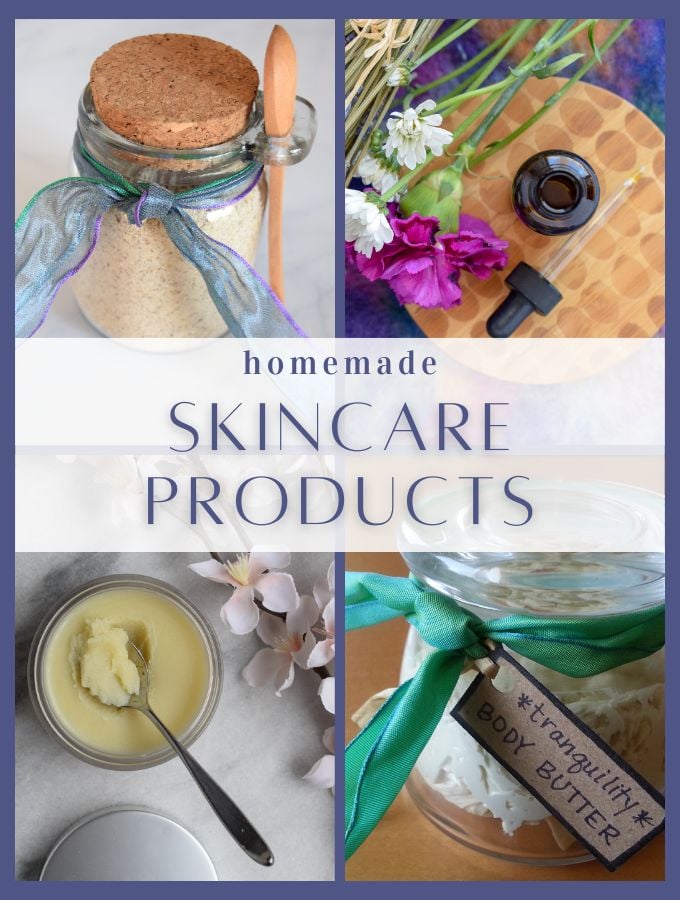
Exfoliating removes dead skin cells and reveals a brighter complexion. Homemade scrubs can be made from natural ingredients like sugar, coffee grounds, or oatmeal. Mix your chosen exfoliant with honey or yogurt to add moisture and nourishment.
- Sugar and honey scrub: Combine 1 tablespoon of sugar with 1 tablespoon of honey.
- Coffee scrub: Mix 1 tablespoon of coffee grounds with 1 tablespoon of coconut oil.
- Oatmeal scrub: Blend 1 tablespoon of ground oatmeal with 1 tablespoon of plain yogurt.
Use these scrubs gently, no more than twice a week, to avoid irritation. How often do you exfoliate your skin, and have you tried making your own scrub?
Credit: mindfulmomma.com
Nourishing Toners And Mists
Nourishing toners and mists can transform your skincare routine by adding hydration and soothing benefits right after cleansing. They help balance your skin’s pH and prepare it for the next steps like serums and moisturizers. Making these products yourself lets you control every ingredient, avoiding harsh chemicals and tailoring blends to your skin’s needs.
Herbal Toner Blends
Herbal toners are simple to make and packed with benefits. You can steep herbs like chamomile, rosemary, or green tea in hot water, then strain and cool the mixture. These herbs offer antioxidants and calming properties that refresh your skin naturally.
Try adding a few drops of witch hazel for astringent effects or rose water for a gentle scent. Have you noticed how much better your skin feels after using a toner without alcohol or synthetic fragrances?
Hydrating Face Mists
Hydrating mists are great for boosting moisture throughout the day. Use ingredients like aloe vera juice, cucumber water, or glycerin to create a cooling spray. Keep a small bottle handy to spritz your face whenever you feel dry or tight.
The best part? These mists absorb quickly without leaving a sticky residue. You can even add essential oils like lavender or peppermint for an extra refreshing sensation. What’s your favorite time to refresh your skin with a mist?
Soothing Ingredients For Sensitive Skin
If your skin is sensitive, focus on gentle, calming ingredients in your toners and mists. Oat straw infusion, calendula, and rose water reduce redness and irritation effectively. Avoid alcohol and strong fragrances, which can cause flare-ups.
Adding a teaspoon of honey or a few drops of chamomile extract enhances soothing effects. Have you tried customizing your skincare to avoid redness and dryness? These natural remedies might be the relief your skin needs.
Moisturizers For Radiant Glow
Moisturizers help keep skin soft and glowing. They lock in moisture and protect skin from dryness. Choosing the right moisturizer can make your skin look radiant and healthy all day long. Natural ingredients nourish your skin gently and effectively. DIY moisturizers give control over what touches your skin. They suit different skin types and needs.
Lightweight Day Creams
Day creams should feel light and absorb quickly. They provide hydration without leaving a greasy layer. Ingredients like aloe vera, cucumber, and green tea soothe and refresh skin. Using natural oils like jojoba or rosehip adds moisture and shine. These creams protect skin from daytime dryness and pollution.
Rich Night Balms
Night balms work deeply to repair skin while you sleep. They are thicker and richer than day creams. Ingredients such as shea butter, coconut oil, and vitamin E nourish and soften. Night balms help restore skin’s natural glow and elasticity. Applying them before bed allows skin to heal and renew.
Balancing Moisturizers For Oily Skin
Oily skin needs moisturizers that control shine without drying out. Lightweight gels and lotions work well for this skin type. Ingredients like tea tree oil, witch hazel, and chamomile calm and balance skin. These moisturizers keep pores clear and reduce excess oil. They maintain a fresh, matte finish throughout the day.
Credit: www.clinikally.com
Masks For Deep Skin Care
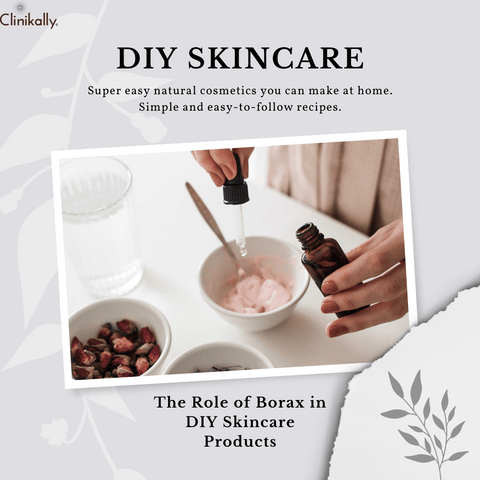
Masks for deep skin care offer targeted treatment for various skin needs. They provide intense hydration, cleanse impurities, and brighten dull skin. Making your own masks at home is simple and cost-effective. Natural ingredients nourish skin without harsh chemicals. These masks work well for all skin types and improve skin texture.
Hydrating Gel Masks
Hydrating gel masks soothe dry and tired skin quickly. They contain ingredients that lock in moisture. Aloe vera, cucumber, and honey are popular choices. These ingredients cool skin and reduce redness. The gel texture feels refreshing and light on skin. Use gel masks to restore softness and glow. Apply on clean skin and leave for 15-20 minutes.
Detoxifying Clay Masks
Clay masks pull out dirt and oil from pores. They help control oily skin and reduce acne. Bentonite and kaolin clays are common in DIY masks. Mix clay with water or apple cider vinegar to form a paste. Apply evenly and let dry for 10-15 minutes. Rinse with warm water to reveal cleaner skin. Clay masks improve skin clarity and tighten pores.
Brightening Fruit-based Masks
Fruit-based masks brighten dull and tired skin naturally. Citrus fruits like lemon and orange add vitamin C. Papaya and banana contain enzymes that gently exfoliate. Mash fruit and mix with yogurt or honey for extra moisture. Apply to face and leave for 10-15 minutes. These masks give skin a fresh, radiant look. Regular use evens skin tone and boosts glow.
Lip And Eye Care Recipes
Taking care of the delicate skin around your lips and eyes requires special attention. These areas are prone to dryness, puffiness, and irritation, so using gentle, homemade products can make a big difference. Crafting your own lip balms and eye creams allows you to control the ingredients, ensuring they are nourishing and free from harsh chemicals.
Nourishing Lip Balms
Homemade lip balms are simple to make and incredibly effective. A basic recipe includes beeswax, coconut oil, and a touch of honey for hydration. Adding a few drops of vitamin E oil boosts the balm’s healing properties and keeps your lips soft.
Try mixing in natural flavors like peppermint or vanilla for a pleasant scent. Do you know your lips can absorb up to 60% of what you put on them? Choosing natural ingredients protects your health and keeps your smile smooth.
Soothing Eye Creams
The skin around your eyes is thin and sensitive, making it vulnerable to dryness and wrinkles. A gentle eye cream with aloe vera gel and almond oil can calm irritation and provide lasting moisture. You can also add a small amount of shea butter for extra richness.
Apply the cream with your ring finger to avoid tugging on the skin. Have you noticed how store-bought eye creams sometimes irritate your eyes? Making your own allows you to avoid preservatives and fragrances that might cause discomfort.
Reducing Puffiness Naturally
Natural remedies can reduce puffiness and refresh tired eyes. Cold green tea bags or cucumber slices placed on your eyes for 10 minutes help constrict blood vessels and soothe swelling. You can also create a simple gel using aloe vera and a few drops of chamomile essential oil.
Gently massaging this gel around your eyes can improve circulation and reduce puffiness over time. How often do you give your eyes a chance to rest with natural care? These easy treatments fit seamlessly into your routine and offer visible results without harsh chemicals.

Credit: creativefashionblog.com
Safety Tips And Patch Testing
Creating your own DIY skin care products can be rewarding, but safety must always come first. Patch testing and understanding how to handle ingredients properly protect your skin from unwanted reactions. These safety tips ensure that your homemade treatments help your skin glow without causing harm.
Avoiding Allergic Reactions
Before applying any new DIY product to your face or body, test it on a small patch of skin. The inside of your wrist or elbow works well for this test.
Apply a small amount and wait 24 to 48 hours to see if redness, itching, or swelling occurs. If you notice irritation, avoid using that ingredient altogether.
Remember, natural ingredients like essential oils and herbs can still cause allergies. Do you know which common ingredients might trigger your skin?
Proper Storage And Shelf Life
Homemade skin care products usually don’t contain preservatives, so they can spoil quickly.
Store your creations in clean, airtight containers to reduce contamination. Keep them in a cool, dark place to extend their freshness.
Label your products with the date you made them and use them within a week or two. If you see changes in smell, color, or texture, it’s time to toss them.
When To Consult A Dermatologist
If you experience persistent redness, itching, or swelling after using a DIY product, stop immediately and seek professional advice.
Consult a dermatologist if you have sensitive skin or existing skin conditions before trying new ingredients.
Skin experts can help identify allergens and recommend safer alternatives, making your DIY routine more effective and enjoyable.
Frequently Asked Questions
What Are The Best Ingredients For Diy Skin Care Products?
Natural ingredients like honey, aloe vera, coconut oil, and oatmeal are great for DIY skin care. They nourish skin gently without harsh chemicals.
How Safe Are Homemade Skin Care Products?
Homemade skin care products are safe if made with clean tools and fresh ingredients. Always do a patch test before full use.
Can Diy Skin Care Products Replace Store-bought Items?
DIY products can complement but not always replace store-bought items. They work best for mild skin needs and natural care.
How Often Should I Use Diy Skin Care Products?
Use DIY skin care products 2-3 times a week for best results. Avoid overuse to prevent irritation or dryness.
Conclusion
Making your own skin care products is simple and fun. You control what goes on your skin. Natural ingredients can help keep skin healthy and glowing. Plus, it saves money and reduces waste. Try small batches to see what works best.
Enjoy the process and learn from it. Your skin will thank you for the care you give. Start today and feel the difference.
