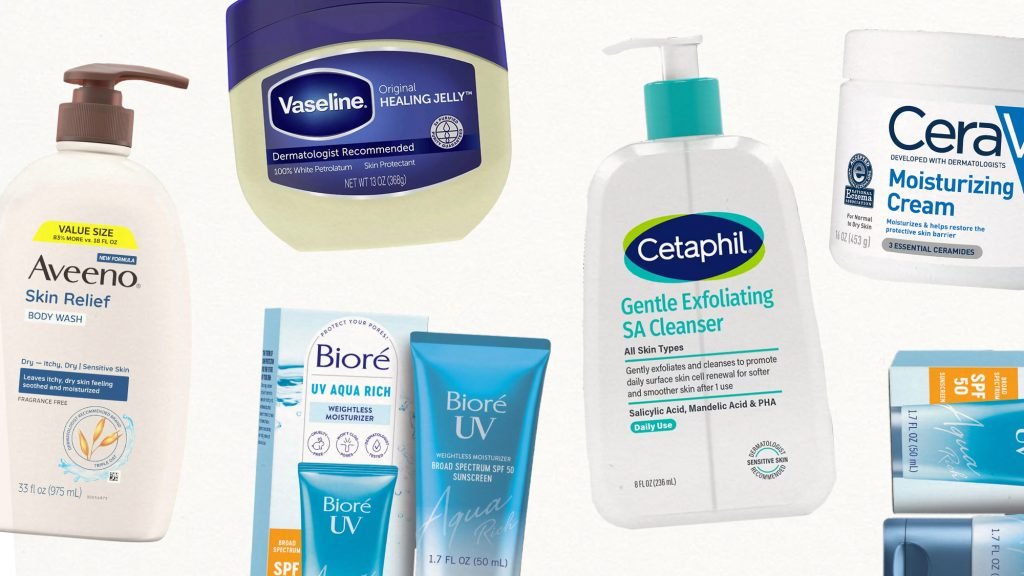
Ever wondered what it takes to achieve glowing, healthy skin? You’re not alone.
Many people struggle with finding the perfect skincare routine, but imagine having a dermatologist’s insights right at your fingertips. What if you could unlock the secrets to a flawless complexion by following expert advice? In this blog post, we’re diving deep into a dermatologist’s skincare routine.
You’ll discover simple, yet effective steps to transform your skin. By the end of this article, you’ll be equipped with the knowledge to elevate your skincare game and finally feel confident in your skin. So, are you ready to learn how to care for your skin like a pro? Let’s get started!
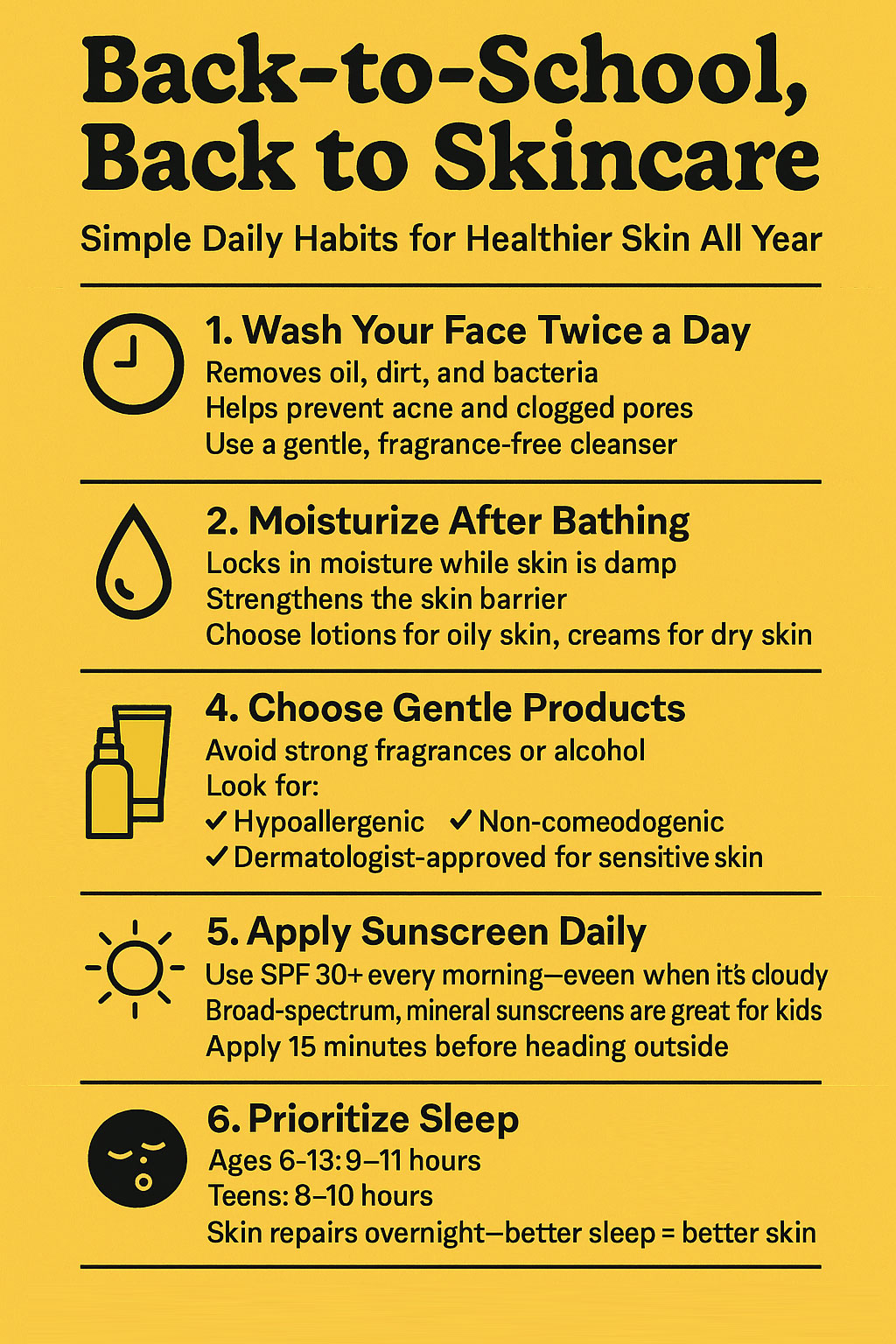
Credit: dermatologyofct.com
Daily Skincare Basics
Daily skincare basics form the foundation of healthy skin. A simple routine can protect your skin and keep it glowing. Consistency helps maintain skin balance and prevents common issues. Follow easy steps every day for lasting benefits.
Cleansing Techniques
Clean skin is the first step to a good routine. Use a gentle cleanser that suits your skin type. Wash your face twice a day—morning and night. Use lukewarm water to open pores and remove dirt. Avoid harsh scrubbing to prevent irritation. Pat your skin dry with a soft towel.
Choosing The Right Moisturizer
Moisturizer keeps skin soft and hydrated. Pick one that matches your skin type: oily, dry, or sensitive. Lightweight lotions work well for oily skin. Creams are better for dry skin. Apply moisturizer while your skin is still damp to lock in moisture. Don’t forget your neck and hands.
Importance Of Sunscreen
Sunscreen protects skin from harmful UV rays. Use it every day, even on cloudy days. Choose a broad-spectrum sunscreen with at least SPF 30. Apply sunscreen 15 minutes before going outside. Reapply every two hours if you stay outdoors. Sunscreen helps prevent wrinkles, dark spots, and skin cancer.

Credit: www.youtube.com
Targeted Treatments
Targeted treatments are the secret weapons in a dermatologist’s skincare routine. They address specific skin concerns directly, delivering powerful ingredients exactly where your skin needs them most. Adding these focused products can make a huge difference in clarity, texture, and overall skin health.
Serums For Different Skin Types
Serums are lightweight and packed with active ingredients. For oily skin, look for serums with niacinamide or salicylic acid to control oil and minimize pores. Dry skin benefits from hydrating serums containing hyaluronic acid or vitamin E to boost moisture and soothe.
Combination skin requires balance. Try serums with antioxidants like vitamin C that brighten without over-drying. If your skin is sensitive, choose serums with calming ingredients like chamomile or aloe vera to reduce redness and irritation.
Exfoliation Methods
Exfoliation clears away dead skin cells, revealing fresher skin underneath. Chemical exfoliants like AHAs (glycolic acid) or BHAs (salicylic acid) are gentle yet effective for regular use. Physical exfoliants, such as scrubs, should be used cautiously to avoid irritation.
How often you exfoliate depends on your skin type and the product’s strength. Oily skin may tolerate exfoliation 2-3 times a week, while dry or sensitive skin might only need it once a week. Always watch how your skin reacts and adjust accordingly.
Spot Treatments For Blemishes
Spot treatments target blemishes directly, speeding up healing and reducing inflammation. Ingredients like benzoyl peroxide and sulfur are common and effective for pimples. Applying these treatments only on the blemish prevents unnecessary dryness on surrounding skin.
Don’t underestimate the power of patience here. Spot treatments often take several days to show results, so avoid over-applying. Have you noticed how consistent use of a targeted spot treatment can reduce the frequency of breakouts over time?
Lifestyle Habits For Skin Health
Your skin reflects more than just the products you apply; it mirrors your daily habits and lifestyle choices. Adopting healthy routines can transform your skin’s appearance and resilience. Let’s dive into key lifestyle habits that directly impact skin health and how you can adjust them for better results.
Hydration And Diet
Drinking enough water is crucial. Hydration helps your skin stay plump and flushes out toxins that can cause dullness and breakouts.
Think about the last time you felt thirsty—your skin probably looked less vibrant too. Adding fruits and vegetables rich in antioxidants, like berries and spinach, supports skin repair and reduces inflammation.
- Include omega-3 fatty acids from sources like salmon or walnuts to boost skin elasticity.
- Limit sugar and processed foods that can trigger acne and accelerate aging.
Have you noticed your skin reacting to certain foods? Paying attention to your diet could reveal hidden triggers.
Sleep And Stress Management
Quality sleep is your skin’s best friend. During deep sleep, your body repairs damaged cells and produces collagen, essential for smooth, firm skin.
Stress releases hormones that can worsen conditions like eczema or acne. Finding simple ways to relax, such as daily walks or meditation, can calm your mind and your skin.
Ask yourself: are you giving your skin enough downtime to recover? Even small changes in your sleep routine can make a visible difference.
Avoiding Harmful Habits
Smoking narrows blood vessels, reducing oxygen and nutrients to your skin. This can cause premature wrinkles and a dull complexion.
Excessive alcohol dries out your skin and depletes vital vitamins. Cutting back can improve hydration and skin tone.
- Avoid touching your face frequently to reduce bacteria transfer.
- Wear sunscreen daily to protect against UV damage, even on cloudy days.
Which harmful habits are you ready to leave behind for healthier skin? Small adjustments often lead to the biggest improvements.
Seasonal Skincare Adjustments
Skin changes with the seasons. Adjusting your skincare routine helps keep skin healthy all year. Each season brings unique challenges for your skin. Adapting products and habits prevents dryness, irritation, and damage. Follow these tips from dermatologists for seasonal skincare adjustments.
Winter Care Tips
Winter air is cold and dry. This can strip moisture from your skin. Use thicker moisturizers with ingredients like ceramides and hyaluronic acid. Avoid hot showers; they dry skin further. Apply moisturizer immediately after washing your face or hands. Use gentle cleansers that do not remove natural oils. Protect lips with balm to prevent cracking. Wear gloves and scarves to shield skin from cold wind.
Summer Protection Strategies
Summer sun can cause damage and premature aging. Use broad-spectrum sunscreen with SPF 30 or higher every day. Reapply sunscreen every two hours outdoors. Wear wide-brimmed hats and sunglasses for extra protection. Choose lightweight, non-comedogenic moisturizers to avoid clogging pores. Stay hydrated by drinking plenty of water. Avoid heavy makeup that may clog pores in heat. Cleanse skin thoroughly to remove sweat and sunscreen residue.
Professional Advice And Treatments
Professional advice and treatments play a key role in maintaining healthy skin. Dermatologists provide expert guidance tailored to each skin type. Their treatments target specific concerns and improve overall skin health.
Visiting a dermatologist can help address persistent skin issues. They offer safe, effective solutions beyond everyday skincare products. Understanding when to seek professional help is important for timely care.
When To See A Dermatologist
Persistent acne that does not improve with over-the-counter products.
Unexplained rashes, redness, or itchiness lasting more than two weeks.
New or changing moles that raise concerns about skin cancer.
Signs of premature aging or deep wrinkles that need professional attention.
Severe dryness, flaking, or sensitivity affecting daily comfort.
Popular In-office Procedures
- Chemical peels to remove dead skin cells and brighten the skin.
- Laser treatments for reducing scars, pigmentation, and fine lines.
- Microneedling to stimulate collagen and improve skin texture.
- Botox and fillers to smooth wrinkles and restore volume.
- Light therapy for acne and inflammatory skin conditions.
Choosing Products With Dermatologist Approval
Look for products labeled “dermatologist tested” or “dermatologist recommended.”
Choose gentle, fragrance-free formulas suitable for sensitive skin.
Check ingredient lists for proven active components like hyaluronic acid or niacinamide.
Avoid harsh chemicals that can cause irritation or dryness.
Patch test new products before full application to reduce risks.
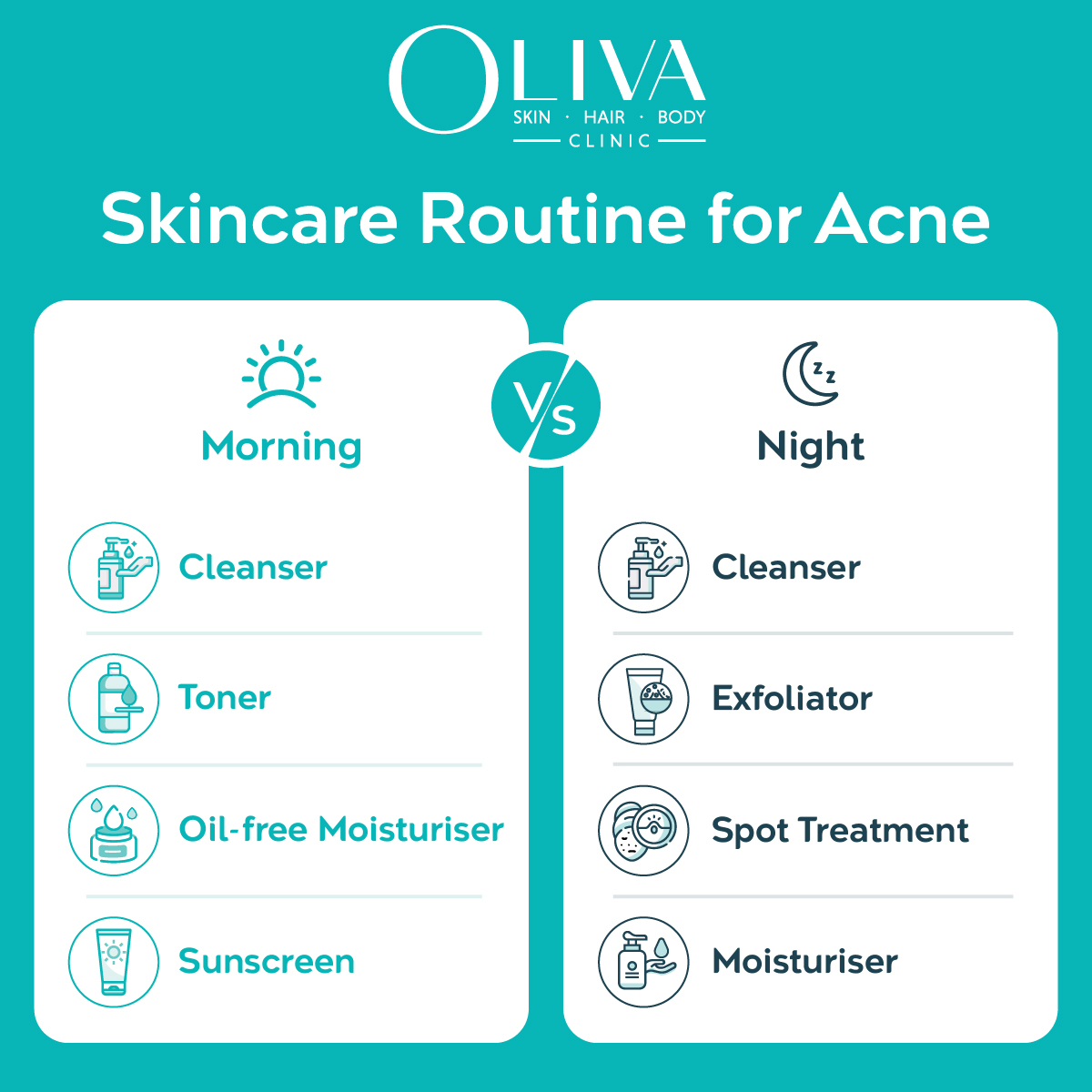
Credit: www.olivaclinic.com
Frequently Asked Questions
What Is A Dermatologist Skincare Routine?
A dermatologist skincare routine involves tailored steps to cleanse, treat, and protect skin. It focuses on using effective, non-irritating products. The routine addresses specific skin concerns like acne or dryness. It promotes healthy, glowing skin through consistent care and sun protection.
How Often Should I Follow A Dermatologist Skincare Routine?
Follow your dermatologist skincare routine twice daily—morning and night. Consistency helps maintain skin health and improves results. Adjust products seasonally or as your skin changes. Consult your dermatologist for personalized frequency and product recommendations.
Which Products Are Essential In Dermatologist Skincare Routines?
Essential products include a gentle cleanser, moisturizer, sunscreen, and targeted treatments. Cleansers remove dirt without stripping skin. Moisturizers hydrate and protect the skin barrier. Sunscreen prevents UV damage. Treatments like serums address specific issues like acne or aging.
Can Dermatologist Routines Help With Acne-prone Skin?
Yes, dermatologist routines effectively manage acne by using gentle cleansers and non-comedogenic moisturizers. They incorporate treatments like salicylic acid or benzoyl peroxide. Regular use reduces breakouts and inflammation. A dermatologist can tailor products to your skin type for best results.
Conclusion
A good skincare routine keeps your skin healthy and fresh. Cleanse gently every day to remove dirt and oil. Use sunscreen to protect your skin from sun damage. Moisturize to keep your skin soft and smooth. Remember, patience is key; results take time.
Consistency helps your skin look its best. Listen to your skin and adjust products as needed. Simple steps make a big difference in the long run. Your skin deserves care and attention every day. Start with these basics for a clear, glowing face.
