
Tired of looking in the mirror and seeing those persistent dark circles under your eyes? You’re not alone.
Dark circles can make you appear tired, stressed, and older than you really are, no matter how much sleep you get. Imagine waking up to a refreshed, youthful appearance without the need for concealer or under-eye creams. This is where dark circles under eyes surgery comes in.
We’ll dive into how this procedure can transform your look and boost your confidence. We’ll explore what the surgery entails, who it’s for, and why it might be the right solution for you. Stick around to discover how you can say goodbye to those stubborn shadows for good.
Causes Of Dark Circles
Dark circles under your eyes can appear for many reasons, and understanding these causes is key before considering surgery. They often signal what’s happening inside your body or how your skin is built. Knowing why they form helps you decide if surgery is the right choice or if other solutions might work better for you.
Genetics And Skin Structure
Your genes play a big role in whether you get dark circles. Some people naturally have thinner skin under the eyes, which makes blood vessels more visible and creates a darker look. If your parents have dark circles, you might inherit this trait.
Also, the amount of melanin your skin produces affects the darkness around your eyes. Higher melanin levels can cause pigmentation that looks like dark circles. Have you noticed how some family members share this trait? It’s often a genetic link.
Lifestyle Factors
How you live affects your eyes more than you might think. Lack of sleep, stress, and poor diet can make dark circles worse. When you don’t rest enough, blood pools under your eyes, deepening the shadows.
Smoking and excessive alcohol consumption also reduce skin quality and blood flow. These habits can cause your skin to lose its glow and look tired or dull. Think about your daily routines—are they helping or hurting your skin?
Medical Conditions
Sometimes, dark circles signal an underlying health issue. Allergies cause inflammation and swelling, making the skin under your eyes look darker. Nasal congestion can also worsen the appearance by restricting blood flow.
Other conditions like anemia or thyroid problems affect oxygen levels and blood circulation, contributing to dark circles. If you suspect a medical cause, consulting a healthcare provider is crucial before considering surgery.

Credit: www.drkhorasani.com
Surgical Options For Dark Circles
Surgical options for dark circles target the underlying causes. These treatments improve the skin and contour under the eyes. Surgery can reduce puffiness, fill hollows, and tighten loose skin. Each procedure suits different needs and severity of dark circles.
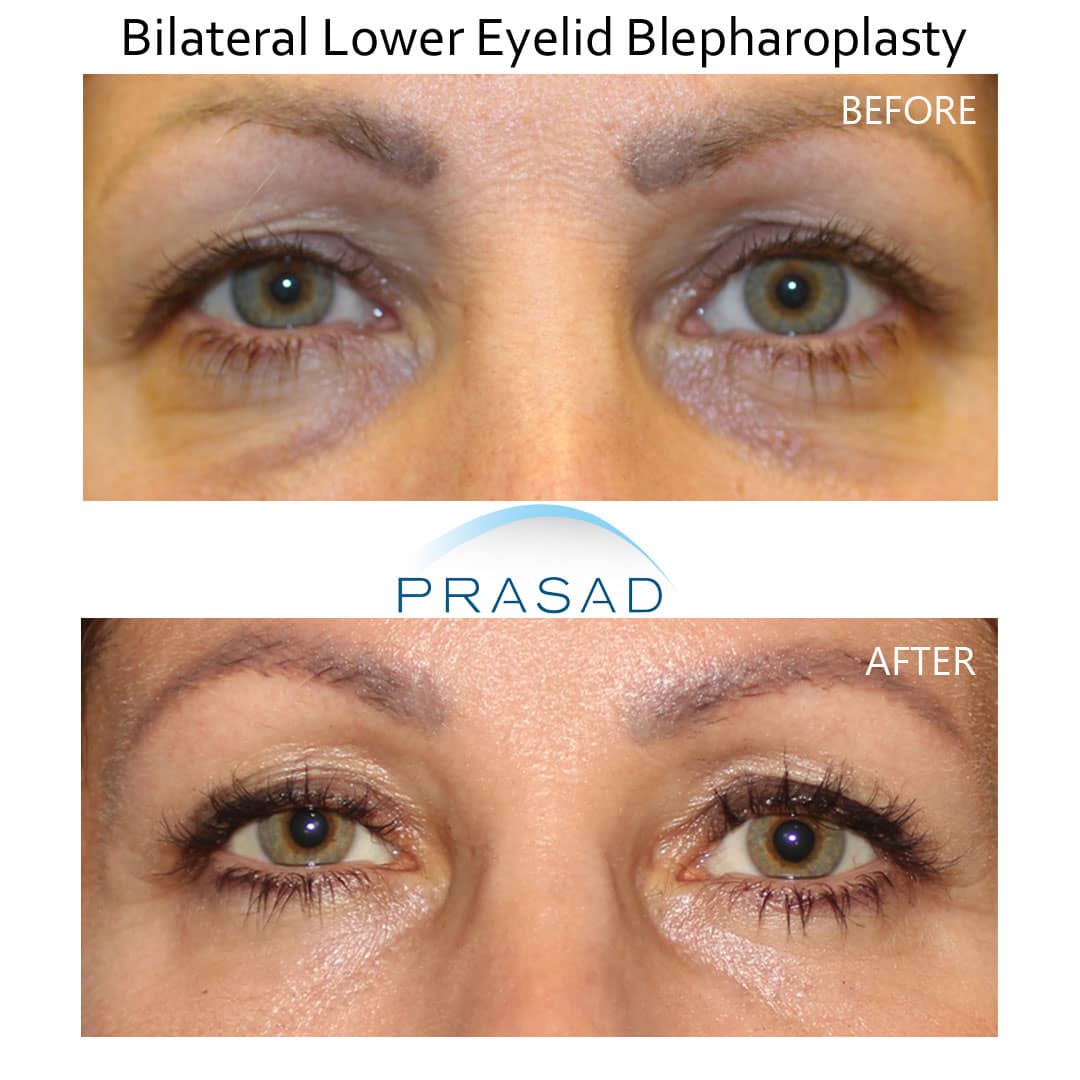
Lower Eyelid Blepharoplasty
Lower eyelid blepharoplasty removes excess fat and skin. It helps reduce eye bags that cause shadows below the eyes. The surgeon makes small incisions under the lash line or inside the eyelid. This method tightens the skin and smooths the area, brightening the under-eye look.
Fat Grafting And Transposition
This technique adds volume to hollow areas under the eyes. Fat is taken from another body part and injected or moved to the eye area. It fills sunken regions, reducing dark shadows naturally. The result is a softer, youthful contour with less discoloration.
Laser Treatments
Laser treatments improve skin texture and color under the eyes. They stimulate collagen production and reduce pigmentation. Laser therapy can tighten loose skin and erase fine lines. It is less invasive and offers gradual, natural-looking improvement.
Preparing For Surgery
Preparing for dark circles under eyes surgery is a crucial step that can influence your overall experience and results. Careful preparation helps you feel confident and reduces the chances of complications. Taking the time to understand what’s involved ensures you’re ready both physically and mentally for the procedure.
Choosing The Right Surgeon
Your surgeon’s skill and experience make a huge difference in the outcome. Look for someone who specializes in eye-related cosmetic procedures and has a strong track record. Reading patient reviews and viewing before-and-after photos can give you a clearer picture of what to expect.
Don’t hesitate to ask about their training and how many similar surgeries they’ve performed. A surgeon who listens to your concerns and explains the process clearly will make you feel more at ease. Remember, this is your face—you deserve the best care.
Pre-surgery Consultation
The consultation is your chance to ask detailed questions and set realistic expectations. Your surgeon will evaluate your skin, bone structure, and overall health to tailor the surgery to your needs. Be honest about your medical history and any medications or supplements you take; this affects your surgery plan.
During this visit, discuss the type of anesthesia, the recovery timeline, and any potential risks. Understanding these factors upfront helps you prepare mentally and practically. Have you considered how you’ll manage downtime after the surgery?
Health And Safety Considerations
Your health plays a big role in how well you recover. Avoid smoking and drinking alcohol at least two weeks before surgery, as they can slow healing. Eating a balanced diet and staying hydrated supports your body’s ability to repair itself.
Make sure you have a support system in place for the day of surgery and during recovery. Planning ahead for transportation and post-op care reduces stress. Are you ready to prioritize your well-being for the best possible results?
Credit: prasadcosmeticsurgery.com
What To Expect During Surgery
Dark circles under eyes surgery involves precise steps to reduce tired looks. Knowing what to expect helps ease any nerves before the procedure. The process is straightforward, with care taken to ensure comfort and safety. Understanding the anesthesia options and recovery time prepares you for a smooth experience.
Procedure Steps
- The surgeon cleans the area around your eyes.
- An incision is made just below the lower eyelid.
- Excess fat or skin causing dark circles is carefully removed or repositioned.
- The incision is closed with fine stitches to minimize scarring.
- A cold compress may be applied to reduce swelling.
Anesthesia Types
- Local anesthesia numbs only the eye area.
- It keeps you awake but pain-free during surgery.
- General anesthesia may be used for more comfort.
- You will be asleep and unaware of the procedure.
- The choice depends on your health and surgeon’s advice.
Duration And Recovery Time
- The surgery usually takes 30 to 60 minutes.
- Swelling and bruising can last about 1 to 2 weeks.
- Most people return to normal activities within 10 days.
- Following aftercare instructions speeds up healing.
- Avoid heavy exercise and sun exposure during recovery.
Recovery And Aftercare
Recovery and aftercare play a crucial role in the success of dark circles under eyes surgery. Proper care helps minimize discomfort and speeds up healing. Patients must follow clear instructions to ensure the best results. The first few days after surgery require special attention to avoid complications and support tissue repair.
Managing Swelling And Bruising
Swelling and bruising are common after this surgery. Applying cold compresses helps reduce swelling and eases pain. Keep the head elevated, especially while sleeping, to lower fluid buildup. Avoid strenuous activities that may increase blood flow to the face. Use prescribed medications as directed to control inflammation and discomfort.
Follow-up Visits
Regular follow-up visits allow the surgeon to monitor healing progress. These visits help detect any early signs of infection or complications. The doctor may remove stitches or adjust treatment plans during these appointments. Attending all scheduled visits ensures proper recovery and improved final results.
Tips For Faster Healing
- Rest adequately and avoid stress on your eyes.
- Stay hydrated to support skin repair.
- Avoid sun exposure to prevent pigmentation changes.
- Do not rub or press the treated area.
- Eat a balanced diet rich in vitamins and minerals.
- Follow all post-surgery care instructions carefully.
Credit: barriebotox.ca
Risks And Potential Complications
Dark circles under eyes surgery can improve appearance but carries some risks. Knowing these risks helps you make a smart choice. Understanding potential complications prepares you for a safer experience.
Common Side Effects
- Swelling and bruising around the eyes
- Mild pain or discomfort
- Temporary redness or irritation
- Dryness or itching near the treated area
- Minor scarring or uneven skin texture
These side effects usually fade within days or weeks. They are common and expected in most cases.
How To Avoid Complications
- Choose a qualified, experienced surgeon
- Follow all pre- and post-surgery instructions
- Avoid smoking and alcohol before surgery
- Keep the surgical area clean and dry
- Attend all follow-up appointments
Good care lowers the chance of problems. Proper preparation is key to smooth healing.
When To Seek Medical Help
- Severe pain that does not improve
- Heavy bleeding or pus from the wound
- Signs of infection like fever or swelling
- Sudden vision changes or eye pain
- Unusual or worsening bruising or redness
Contact your doctor immediately if any of these occur. Early action can prevent serious issues.
Results And Long-term Benefits
Dark circles under eyes surgery offers more than just a quick fix—it provides lasting improvements that can positively impact your daily life. Understanding the results and long-term benefits can help you decide if this procedure aligns with your goals. Let’s look at what you can expect beyond the initial recovery.
Improved Appearance
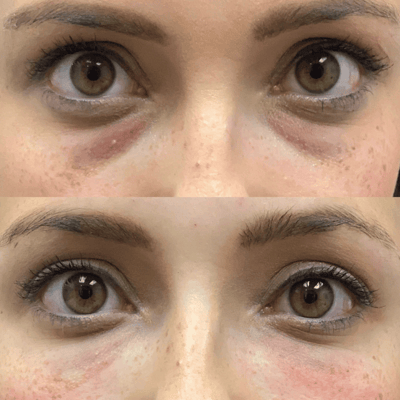
After surgery, many people notice a smoother, more refreshed look around the eyes. The dark shadows and hollowness that once made you look tired often fade significantly. This change isn’t just about looking younger; it’s about looking healthier and more vibrant.
Imagine waking up and seeing a brighter face in the mirror without needing concealer. The subtle lift and reduction in puffiness can make a big difference in your overall appearance. This improvement tends to be natural and well-balanced, avoiding any artificial or “overdone” look.
Boosted Confidence
Feeling better about how you look can change how you carry yourself every day. People often report a boost in self-esteem after surgery because they no longer feel self-conscious about their dark circles. This confidence can influence social interactions, work performance, and even your mood.
Have you ever avoided photos or social settings because of your under-eye area? Surgery can help you face these moments without hesitation. When you feel good about your appearance, it’s easier to focus on what really matters in your life.
Maintaining Results
While surgery provides long-lasting benefits, maintaining results requires some care. Simple habits like staying hydrated, using sunscreen, and getting enough sleep support the surgery’s effects. Avoiding smoking and managing allergies can also prevent new dark circles from forming.
Regular follow-ups with your surgeon help monitor your progress and address any concerns early. You might also consider gentle skincare routines to enhance the skin’s texture and tone around your eyes. Are you ready to commit to these small changes for sustained improvement?
Alternatives To Surgery
Considering surgery for dark circles under your eyes might feel like a big step. But before deciding, it’s worth knowing there are several alternatives that can improve your appearance without going under the knife. These options range from simple creams to lifestyle tweaks that you can start today.
Topical Treatments
Topical creams and serums can be surprisingly effective against dark circles. Products containing ingredients like vitamin C, retinol, and hyaluronic acid help brighten skin and boost collagen. You might notice gradual improvement with consistent use over a few weeks.
Some creams also reduce puffiness by improving circulation. Ask yourself: Have you tried different eye creams and given them enough time to work? Sometimes, patience and the right product are all you need.
Non-surgical Procedures
If you want quicker results but wish to avoid surgery, non-surgical treatments offer a middle ground. Options like chemical peels, laser therapy, and microneedling stimulate skin renewal and reduce pigmentation.
Dermal fillers can also add volume to hollow under-eyes, reducing shadows that cause dark circles. These procedures typically require minimal downtime, allowing you to return to your daily routine fast.
Would you consider a treatment that gives visible results within days without major recovery? Many find these options a practical way to refresh their look.
Lifestyle Changes
Sometimes, the root of dark circles lies in habits you can change. Improving sleep quality and managing stress can significantly reduce the appearance of tired eyes.
Stay hydrated and eat foods rich in antioxidants and vitamins. These nourish your skin from within and help maintain its natural glow.
Simple adjustments like reducing screen time before bed or elevating your head while sleeping can also minimize puffiness. What small change could you make tonight that might improve how your eyes look tomorrow?
Frequently Asked Questions
What Is Dark Circles Under Eyes Surgery?
Dark circles under eyes surgery removes excess fat and skin. It improves eye contour and reduces shadows. The procedure is known as lower eyelid blepharoplasty. It offers a long-lasting solution for persistent dark circles caused by structural issues.
Who Is A Good Candidate For This Surgery?
Good candidates have hereditary dark circles or puffiness under eyes. They should be in good health and have realistic expectations. The surgery suits those with loose skin or fat deposits causing shadows. Consultation with a specialist determines suitability and best treatment options.
How Long Is The Recovery Time After Surgery?
Recovery typically takes 1 to 2 weeks. Swelling and bruising fade gradually during this period. Patients should avoid strenuous activities and sun exposure. Follow post-op care instructions carefully for optimal healing. Most return to normal activities within 10 days.
Are There Any Risks Or Side Effects Involved?
Common side effects include swelling, bruising, and temporary dryness. Serious complications are rare but possible, such as infection or scarring. Choosing an experienced surgeon reduces risks. Discuss all potential risks during your consultation to make an informed decision.
Conclusion
Dark circles under the eyes can affect your confidence. Surgery offers a lasting solution for many people. It helps reduce tired, sunken looks effectively. Still, choosing a skilled doctor matters a lot. Discuss risks and benefits before deciding on surgery.
Remember, good care after surgery speeds up healing. Healthy habits also support better skin around your eyes. This step can refresh your face and boost your self-esteem. Take time to learn and prepare well. Your eyes deserve the best care possible.
