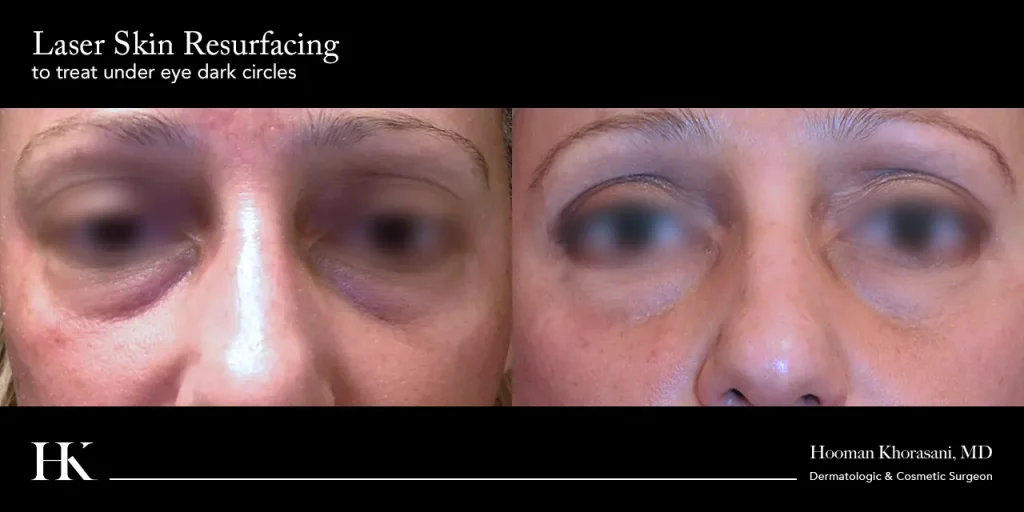
Are you tired of staring at those stubborn dark circles under your eyes every time you look in the mirror? You’re not alone.
Dark circles can make you look tired, older, and even affect your confidence. But what if there was a solution that could help erase those shadows and rejuvenate your appearance? Enter laser treatment for dark circles under the eyes—a revolutionary approach that’s catching the attention of many who seek a fresher, brighter look.
Imagine waking up each morning to a reflection that’s vibrant and youthful. We’ll explore how laser treatments work, their benefits, and why they might just be the game-changer you’ve been searching for. Stick around to discover how you can transform your under-eye area and say goodbye to those pesky dark circles for good.

Credit: www.qcskinclinic.com.au
Causes Of Dark Circles
Dark circles under the eyes can be frustrating and sometimes stubborn to treat. Understanding what causes them is the first step toward effective solutions like laser treatments. Let’s break down the key reasons why these shadows appear and how they relate to your unique skin and lifestyle.
Genetics And Skin Type
Dark circles often run in families. If your parents have them, you might too. This is because certain skin types, especially those with thinner or fairer skin, show blood vessels more clearly under the eyes.
People with darker skin tones may notice pigmentation that looks like dark circles but is actually excess melanin. Knowing your skin type helps you choose treatments that work best for you.
Aging And Collagen Loss
As you age, your skin naturally loses collagen and becomes thinner. This makes the blood vessels under your eyes more visible, creating a dark appearance.
Have you noticed your under-eye area looking hollow or sunken? This is often due to fat loss and skin sagging, which can worsen the shadow effect.
Lifestyle Factors
Sleep deprivation is a well-known cause, but other habits also play a role. Excessive screen time, poor diet, smoking, and dehydration can all worsen dark circles.
Stress and lack of physical activity reduce circulation, making your eyes look tired and dull. How many hours of restful sleep do you get regularly?
Allergies And Medical Conditions
Allergies can cause your eyes to itch and rub, leading to swelling and darkening of the skin. Conditions like eczema or sinus infections might also contribute.
Sometimes, dark circles signal underlying health issues, such as anemia or thyroid problems. If your dark circles persist despite lifestyle changes, consider checking with a healthcare professional.
Credit: barriebotox.ca
Laser Treatments For Dark Circles
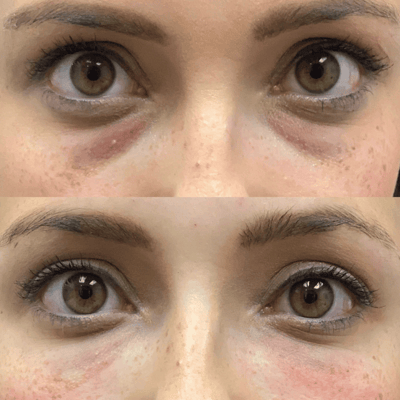
Dark circles under the eyes affect many people, causing a tired and aged appearance. Laser treatments offer a modern solution to reduce these dark shadows. These therapies target the skin layers gently, improving color and texture. Laser treatments are precise and often require little downtime. Understanding the types and effects of laser therapy helps in choosing the best option for your needs.
Types Of Laser Procedures
- Fractional laser: creates tiny wounds to stimulate new skin growth.
- Pulsed dye laser: targets blood vessels to reduce redness and dark tones.
- Q-switched laser: breaks down pigment deposits under the skin.
- CO2 laser: resurfaces skin, improving texture and firmness.
How Laser Therapy Works
Laser energy penetrates the skin to target pigment and blood vessels. It heats the tissue, encouraging collagen production. New collagen firms the skin and reduces darkness. The treatment also improves circulation under the eyes. This process lightens dark circles and refreshes the skin.
Safety And Side Effects
Laser treatments are generally safe with a trained professional. Some redness and swelling may occur after the session. Mild discomfort or itching can happen but fades quickly. Avoid sun exposure to protect healing skin. Follow all aftercare instructions to reduce risks.
Expected Results And Recovery
Results vary depending on laser type and skin condition. Most see improvement after a few sessions. The skin looks brighter and smoother over time. Recovery time is short, often a few days to a week. Regular treatments maintain the effects and keep skin healthy.
Choosing The Right Laser Treatment
Choosing the right laser treatment for dark circles under your eyes can feel overwhelming. Every skin type reacts differently, and what works for a friend might not work for you. Taking the time to understand your skin and available options will help you make a confident decision and achieve the best results.
Skin Assessment And Consultation
Start with a thorough skin assessment by a qualified dermatologist or laser specialist. They will evaluate your skin tone, texture, and the cause of your dark circles. This step is crucial because it helps identify whether pigmentation, blood vessels, or thin skin is the main issue behind your dark circles.
During the consultation, be honest about your medical history and any skin sensitivities. This information guides the specialist in choosing a laser that’s safe and effective for you. Asking questions about possible side effects and recovery time can also prepare you mentally for the process.
Laser Options For Different Skin Types
Not all lasers suit every skin type. For example, darker skin tones often require gentler lasers like Nd:YAG because they reduce the risk of hyperpigmentation. Lighter skin tones might benefit from more aggressive options like fractional CO2 lasers or pulsed dye lasers.
Some lasers target pigmentation, while others focus on stimulating collagen to thicken the under-eye skin. Knowing which laser treats your specific problem increases the chances of noticeable improvement. Are you clear on which laser technology matches your skin’s needs?
Cost Considerations
Laser treatments vary widely in cost depending on the technology used, the clinic’s location, and the number of sessions required. Keep in mind that cheaper options might mean less effective results or more sessions. Investing in a reputable clinic can save you from additional expenses down the road.
Ask about package deals or payment plans. Sometimes combining treatments reduces the overall cost per session. Remember, your eyes are delicate—cutting corners here isn’t worth the risk.
Combining Laser With Other Therapies
Laser treatment often works best when combined with other therapies. Options like chemical peels, microneedling, or topical creams can enhance results by improving skin texture and hydration. Discuss with your specialist whether a combination approach suits your condition.
Combining treatments might mean a longer recovery but can lead to longer-lasting improvements. Are you prepared for a multi-step plan if it means finally reducing those stubborn dark circles?
Aftercare Tips For Laser Treatment
After your laser treatment for dark circles under the eyes, taking care of your skin is essential to ensure the best results and avoid complications. Proper aftercare helps your skin heal faster and maintains the effectiveness of the procedure. Here are some key tips to keep in mind during your recovery.
Protecting Treated Skin
Your skin will be sensitive after laser treatment, so shielding it from the sun is crucial. Always apply a broad-spectrum sunscreen with at least SPF 30 before stepping outside. Wearing sunglasses and a wide-brimmed hat can add extra protection.
Avoid harsh skincare products like exfoliants or retinoids for at least a week. Gentle cleansing and moisturizing help your skin stay hydrated and comfortable. Do you notice how small changes in your routine impact your skin’s healing?
Managing Swelling And Discomfort
Swelling and mild discomfort are common after laser treatment, but they usually subside within a few days. Applying a cold compress gently to the treated area can reduce puffiness.
Over-the-counter pain relievers, such as ibuprofen, can help if the discomfort is more noticeable. Avoid rubbing or scratching your eyes, as this can irritate the skin and prolong healing. Have you prepared a soothing kit to ease your recovery?
Follow-up Sessions
Laser treatment often requires multiple sessions for optimal results. Scheduling and attending your follow-up appointments ensures your progress is monitored and adjustments are made if necessary.
Be honest with your practitioner about any side effects or concerns during your recovery. This communication can improve your treatment plan and outcome. Are you ready to commit to the full course for lasting improvement?
Lifestyle Changes To Prevent Recurrence
Dark circles can return if underlying causes like poor sleep or dehydration persist. Prioritize getting enough rest and drinking plenty of water daily.
Reducing alcohol and caffeine intake can also help, as they can dehydrate your skin. Consider adding eye creams with ingredients like vitamin C or hyaluronic acid to your routine. What habits will you change to keep your eyes looking refreshed long-term?
Alternative Treatments For Dark Circles
Dark circles under the eyes can affect anyone. Some prefer laser treatments, but many explore other options. Alternative treatments offer different ways to reduce dark circles. These methods suit various skin types and budgets.
Topical Creams And Serums
Creams and serums help lighten dark circles. Ingredients like vitamin C, retinol, and caffeine boost skin brightness. They improve blood flow and reduce puffiness. Regular use can soften dark areas and hydrate skin.
Fillers And Injectables
Fillers add volume to hollow under-eye areas. This reduces shadow and darkness. Hyaluronic acid is a common filler used safely. Injectables can smooth wrinkles and improve skin texture. Results appear quickly and last several months.
Home Remedies And Natural Solutions
Simple home remedies can ease dark circles. Cold compresses reduce swelling and constrict blood vessels. Cucumber slices and tea bags soothe tired eyes. Adequate sleep and hydration also help improve skin tone. These methods are gentle and cost-effective.
Professional Skincare Procedures
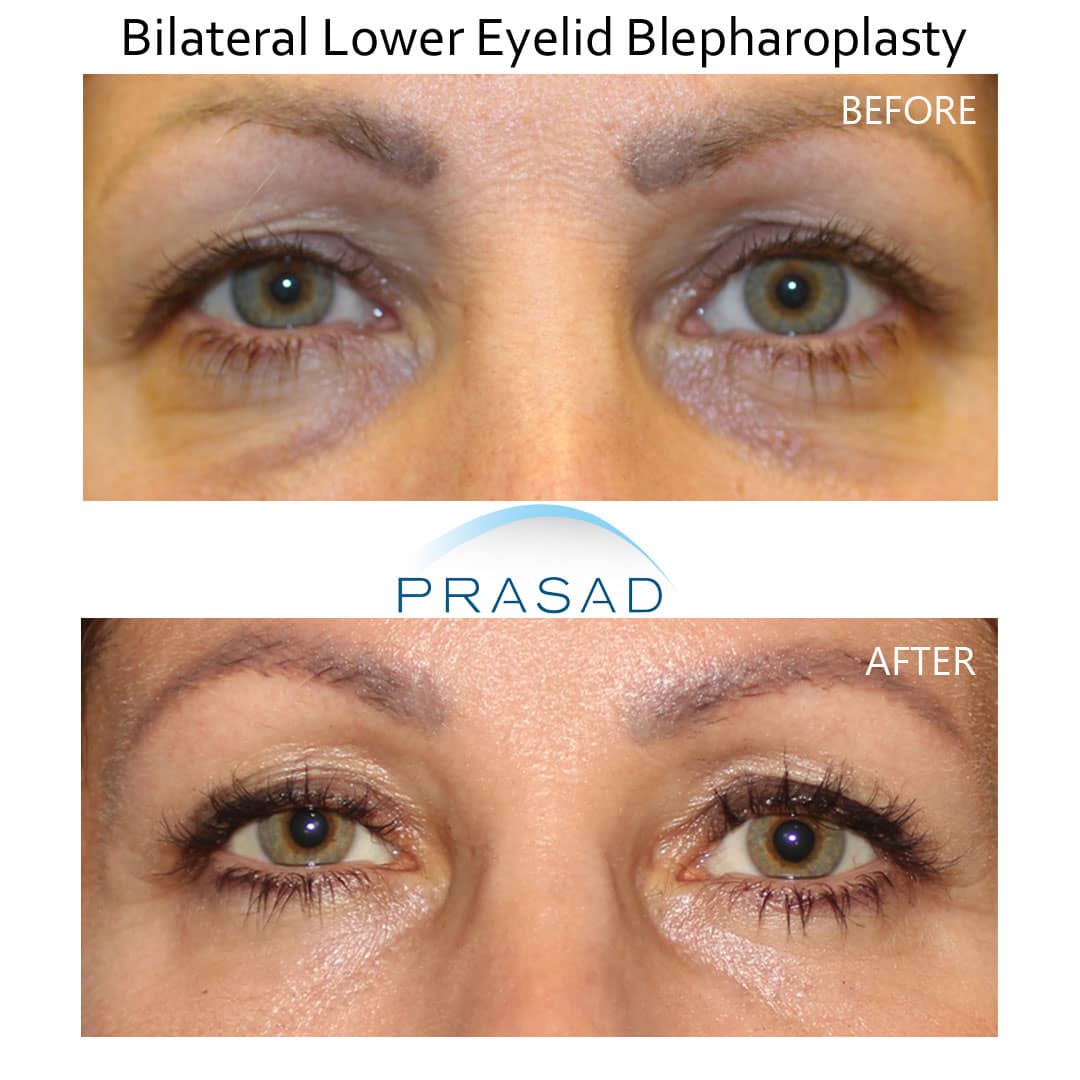
Procedures like chemical peels and microneedling stimulate skin renewal. They boost collagen and improve skin texture. These treatments fade pigmentation and strengthen delicate under-eye skin. A dermatologist can recommend the best option based on skin needs.
Credit: prasadcosmeticsurgery.com
Frequently Asked Questions
What Causes Dark Circles Under Eyes?
Dark circles result from thin skin, genetics, aging, and blood vessel visibility. Allergies, lack of sleep, and dehydration also worsen their appearance.
How Does Laser Treatment Reduce Dark Circles?
Laser treatment stimulates collagen production and tightens skin. It improves skin tone, reduces pigmentation, and minimizes blood vessel visibility under the eyes.
Is Laser Treatment For Dark Circles Safe?
Yes, laser treatment is generally safe when performed by experienced professionals. Mild redness or swelling may occur but usually subsides within days.
How Many Laser Sessions Are Needed For Dark Circles?
Typically, 3 to 5 sessions spaced 3 to 4 weeks apart are recommended. The exact number depends on individual skin type and severity.
Conclusion
Dark circles under the eyes can affect your confidence. Laser treatment offers a safe and effective option. It works by reducing pigmentation and tightening the skin. Many people see visible improvements after a few sessions. Remember to choose a qualified specialist for the best results.
Taking care of your skin daily also helps maintain the effect. Bright, refreshed eyes are possible with the right approach. Consider laser treatment as a helpful step towards feeling better.
