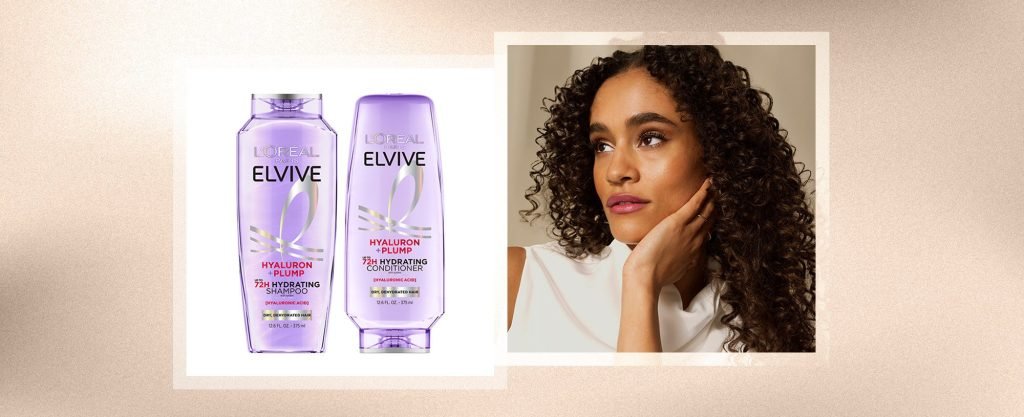
Are you tired of dealing with dry, brittle, and lifeless hair? If your locks are crying out for help, you’re not alone.
Many people face the daily struggle of managing damaged hair, and it can feel like an endless battle. But what if I told you there’s a way to revive your hair’s natural beauty and strength? Imagine running your fingers through soft, shiny strands that look and feel healthy.
In this guide, you’ll discover a damaged hair care routine that can transform your tresses and restore their former glory. Ready to reclaim your hair’s health and vitality? Keep reading to find out how you can turn that dream into reality.

Credit: www.reddit.com
Causes Of Hair Damage
Understanding what causes hair damage is the first step toward healthier hair. Hair can be fragile, and everyday habits may unknowingly weaken it. Identifying these causes helps you adjust your routine and protect your strands more effectively.
Heat Styling Effects
Using heat tools like straighteners, curling irons, or blow dryers can dry out your hair. Excessive heat breaks down the protein structure, leaving your hair brittle and prone to split ends.
Have you noticed your hair feels rough or looks dull after styling? That’s a sign heat is damaging your strands. Try lowering the temperature or using heat protectant sprays to minimize harm.
Chemical Treatments
Processes such as coloring, bleaching, perming, and relaxing change your hair’s natural structure. These chemicals strip away moisture and weaken the hair shaft, often causing breakage and dryness.
If you regularly color your hair, pay attention to how it reacts afterward. Over-processing without proper care can leave your hair fragile and lifeless. Opt for gentle formulas and deep conditioning treatments to support recovery.
Environmental Factors
Sun exposure, pollution, and harsh weather conditions wear down your hair’s protective outer layer. UV rays can fade color and cause dryness, while pollution deposits toxins that weaken strands.
Do you spend a lot of time outdoors? Wearing hats or using UV-protective hair products can shield your hair from environmental damage and keep it vibrant longer.
Mechanical Stress
Rough handling like aggressive brushing, towel drying, or tight hairstyles can cause physical strain. This leads to breakage, split ends, and even hair loss over time.
Think about how you treat your hair daily. Gentle detangling with a wide-tooth comb and avoiding tight ponytails can reduce stress and preserve your hair’s strength.
Signs Of Damaged Hair
Recognizing the signs of damaged hair is the first step toward restoring its health. Your hair often sends clear signals when it needs extra care. Paying close attention to these signs helps you adjust your routine before the damage worsens.
Split Ends
Split ends occur when the protective outer layer of your hair wears away, causing the strands to split. They make your hair look frizzy and uneven. Have you noticed more strands breaking off when you brush or style your hair? That’s a strong indicator of split ends needing attention.
Dryness And Brittleness
When your hair feels rough, straw-like, or snaps easily, it’s often a sign of dryness and brittleness. This happens when your hair loses moisture and natural oils. Consider how often you expose your hair to heat or harsh chemicals—these habits can speed up dryness.
Dullness And Lack Of Shine
Healthy hair reflects light and appears shiny. If your hair looks dull or lifeless, it might be damaged. This can happen from product buildup or insufficient hydration. Ask yourself—does your hair bounce back after washing, or does it just hang limp and lifeless?
Hair Breakage
Hair breakage shows up as shorter strands scattered around your shoulders or in your brush. Unlike shedding, breakage means your hair is snapping due to weakness. Pay attention to hair styles that pull tightly or frequent heat styling—they often contribute to breakage.
Daily Care Practices
Taking care of damaged hair every day requires mindful habits that protect and nurture your strands. Small changes in your routine can prevent further damage and gradually restore your hair’s health. Let’s look at practical daily care practices that make a real difference.
Gentle Cleansing Techniques
Harsh shampoos and rough scrubbing can strip your hair of natural oils, leaving it dry and brittle. Instead, use a sulfate-free shampoo designed for damaged hair and apply it gently with your fingertips.
Focus on your scalp rather than the length of your hair. This cleans the roots without causing unnecessary friction on fragile ends. Have you noticed how much softer your hair feels when you avoid aggressive washing?
Proper Conditioning Methods
Conditioning is not just a step to follow; it’s a chance to repair and hydrate. Apply conditioner mainly on the mid-lengths and ends, where damage usually shows up most.
Leave it on for a few minutes before rinsing with cool water to seal the hair cuticle. This keeps your hair smooth and less prone to breakage. Try squeezing out excess water gently instead of rubbing your hair with a towel to prevent tangles.
Avoiding Overwashing
Washing your hair every day might seem like good hygiene, but it often does more harm than good. Overwashing strips away oils that protect your hair, especially when it’s already damaged.
Consider washing your hair 2-3 times a week instead. If your scalp feels oily in between washes, use a dry shampoo or rinse with water only. How often do you really need to wash your hair to feel clean?
Using The Right Hairbrush
Choosing the right brush can prevent unnecessary pulling and snapping of fragile strands. Opt for a wide-tooth comb or a brush with soft, flexible bristles.
Brush your hair gently, starting from the ends and working your way up to the roots. This method detangles without causing breakage. Have you tried switching your brush to see how it affects your hair’s strength?

Credit: www.amazon.com
Repair Treatments
Repair treatments play a vital role in healing damaged hair. They help restore strength, moisture, and shine. Using the right treatment can reduce breakage and improve hair texture. Consistent care with repair treatments brings visible results over time.
Deep Conditioning Masks
Deep conditioning masks provide intense moisture to dry, damaged hair. They penetrate the hair shaft to nourish and soften strands. Use a mask once or twice a week for best results. Look for ingredients like shea butter, aloe vera, and keratin. These masks help repair split ends and improve elasticity.
Protein Treatments
Protein treatments rebuild the hair’s structure by filling in gaps in the cuticle. They strengthen weak, brittle hair and reduce breakage. Use protein treatments carefully to avoid stiffness or dryness. Ideal ingredients include keratin, collagen, and silk protein. Apply once every two weeks for balanced hair health.
Oil Treatments
Oil treatments lock in moisture and protect hair from damage. Oils like coconut, argan, and jojoba soothe the scalp and add shine. Warm the oil before applying for better absorption. Massage gently into hair and scalp, then leave for 30 minutes or overnight. Rinse well to avoid buildup and keep hair soft.
Leave-in Conditioners
Leave-in conditioners provide ongoing moisture and protection throughout the day. They help detangle hair and reduce frizz. Choose lightweight formulas to avoid weighing hair down. Spray or apply a small amount on damp hair after washing. This step keeps hair smooth and manageable between washes.
Styling Tips For Damaged Hair
Styling damaged hair needs a gentle touch and smart choices. How you style your hair can either help it heal or make the damage worse. Paying attention to your styling routine can protect your hair and keep it looking better every day.
Limiting Heat Exposure
Heat styling tools like straighteners and curling irons can worsen hair damage quickly. Try to cut down on how often you use them. When you do, always apply a heat protectant spray to shield your strands.
Have you tried air-drying your hair instead of blow-drying? It might take longer, but your hair will thank you. If you must use heat, keep the temperature low and avoid going over the same section multiple times.
Protective Hairstyles
Protective hairstyles reduce hair breakage by minimizing friction and exposure to harsh elements. Styles like loose braids, buns, or twists can keep your hair safe throughout the day.
Try to avoid tight ponytails or styles that pull on your scalp; they can cause more stress and breakage. Switching your hairstyle regularly can also prevent damage in one specific area.
Choosing Damage-free Products
Not all hair products are created equal, especially for damaged hair. Look for products labeled sulfate-free, silicone-free, and rich in nourishing ingredients like argan oil or keratin.
Using heavy products can weigh your hair down and make it look greasy, so opt for lightweight formulas. Have you noticed how some leave-in conditioners make your hair softer without feeling sticky? That’s the kind of product you want.
Diet And Lifestyle Impact
Diet and lifestyle play a big role in hair health. What you eat and how you live affect your hair’s strength and shine. Damaged hair needs more care from inside out. A balanced diet and healthy habits support hair repair and growth.
Nutrients For Hair Health
Hair needs certain vitamins and minerals to stay strong and healthy. Protein helps build hair structure. Iron carries oxygen to hair follicles. Vitamin C supports collagen production, which keeps hair firm. Omega-3 fatty acids add moisture and shine. Zinc helps repair damaged hair and prevents hair loss.
- Eat lean meats, fish, eggs for protein.
- Include spinach, beans, and nuts for iron and zinc.
- Consume fruits like oranges and berries for vitamin C.
- Add flaxseeds or walnuts for omega-3.
Hydration Importance
Water keeps hair hydrated from the inside. Dry hair breaks easily and looks dull. Drinking enough water helps keep scalp healthy and hair soft. Dehydration can cause brittle strands and split ends. Aim to drink at least eight glasses of water daily. Herbal teas and water-rich fruits also help.
Stress Management
Stress can harm hair growth and cause hair fall. It disrupts the hair growth cycle and weakens follicles. Managing stress improves hair health and overall well-being. Practice deep breathing, meditation, or light exercise daily. Regular sleep also helps reduce stress and supports hair repair.
Professional Help
Damaged hair needs special care beyond home treatments. Professional help offers targeted solutions. Experts can assess hair health and suggest the best care plan. Visiting a specialist can prevent further damage and restore hair strength.
When To Visit A Trichologist
A trichologist studies hair and scalp health. Visit one if hair breaks easily or feels very dry. Sudden hair loss or scalp irritation also calls for expert advice. They provide personalized treatments and tips based on your hair condition.
Salon Treatments For Repair
Salons offer deep conditioning and repair treatments that nourish damaged hair. Keratin treatments smooth and strengthen strands. Protein treatments rebuild hair structure. Regular salon care helps restore shine and softness.
Regular Trims To Prevent Damage
Trimming removes split ends and stops damage from spreading. Getting trims every 6 to 8 weeks keeps hair healthy. It also improves hair appearance and makes styling easier. A clean cut supports hair growth and reduces breakage.

Credit: www.theglobeandmail.com
Frequently Asked Questions
How Often Should I Wash Damaged Hair?
Washing damaged hair 2-3 times a week is ideal. Over-washing removes natural oils, causing dryness and breakage. Use gentle, sulfate-free shampoos to maintain moisture and protect hair health.
What Are The Best Products For Damaged Hair?
Look for shampoos and conditioners with protein, keratin, and moisturizing ingredients. Avoid harsh chemicals and sulfates. Deep conditioning treatments and leave-in conditioners help repair and nourish damaged strands effectively.
Can Heat Styling Worsen Damaged Hair?
Yes, excessive heat styling can worsen damage. Use heat protectant sprays and limit use of flat irons and curling wands. Air drying or low-heat settings reduce breakage and help hair recover.
How Can I Prevent Further Damage To My Hair?
Avoid harsh treatments like bleaching and tight hairstyles. Use gentle brushes and avoid towel rubbing. Regular trims remove split ends, and protective hairstyles reduce breakage and promote healing.
Conclusion
Caring for damaged hair takes patience and gentle steps. Use mild shampoo and conditioner made for repair. Avoid heat tools and harsh chemicals as much as possible. Trim split ends regularly to keep hair healthy. Moisturize with natural oils or leave-in treatments daily.
Protect hair from sun and pollution damage. Small changes in your routine bring big improvements. Healthy hair grows back stronger and shinier over time. Keep consistent and watch your hair heal beautifully.
