
Is your hair feeling dry, brittle, or lifeless? Damaged hair can be frustrating and hard to manage.
But the right hair care products can make a big difference in restoring your hair’s health and shine. If you want to bring your hair back to life, you need to choose products designed specifically for damaged hair. You’ll discover which products work best and how they can help repair and protect your hair.
Keep reading to find out how to give your hair the care it truly deserves.
Causes Of Hair Damage
Understanding what causes hair damage is key to protecting your locks and choosing the right products. Hair can suffer from a variety of attacks, many of which you might not even notice until the damage becomes visible. Let’s look at some common culprits that weaken your hair and how you might be able to avoid or treat them.
Heat Styling Effects
Using heat tools like straighteners, curling irons, and blow dryers regularly can strip your hair of moisture. This makes strands brittle and prone to breakage. Have you ever noticed your hair feels rough or looks frizzy after styling? That’s a sign of heat damage.
Try to lower the temperature setting on your tools and always apply a heat protectant spray before styling. Limiting heat styling to a few times a week can save your hair from serious harm.
Chemical Treatments
Hair coloring, bleaching, perming, and relaxing change your hair’s structure chemically. These treatments open up the hair cuticle to alter its natural state, which can lead to dryness and breakage. If you’ve ever felt your hair become straw-like after a dye job, you know what damage feels like.
Using deep conditioning masks and protein treatments after chemical procedures helps repair and strengthen your hair. Think about spacing out chemical treatments to give your hair time to recover.
Environmental Factors
Sun exposure, pollution, wind, and chlorine from swimming pools all take a toll on your hair’s health. UV rays weaken the hair cuticle, while pollutants can cause buildup and dullness. When you spend time outdoors, do you notice your hair losing its shine or becoming tangled easily?
Wearing hats or using UV-protectant hair products can shield your hair from these environmental stressors. Rinsing your hair after swimming removes harmful chemicals that cause dryness.
Mechanical Stress
Brushing your hair too hard, using rough towels, or tying hair tightly can cause physical damage. Constant pulling and friction lead to split ends and hair loss. If you find hair strands on your brush or pillow frequently, mechanical stress might be the reason.
Switch to wide-tooth combs and gently pat your hair dry. Avoid tight hairstyles that pull at your scalp, especially when your hair is wet and more vulnerable.

Credit: www.amazon.com
Signs Of Damaged Hair
Damaged hair shows clear signs that tell you it needs care. Recognizing these signs early helps protect your hair from further harm. Healthy hair looks smooth, shiny, and strong. Damaged hair looks and feels different, often causing frustration.
Split Ends
Split ends happen when hair strands break at the tips. They make hair look frizzy and unhealthy. Split ends can travel up the hair shaft, causing more damage. Regular trimming helps prevent split ends from spreading.
Dryness And Brittleness
Dry hair feels rough and hard to touch. It lacks moisture and natural oils. Brittle hair snaps easily and loses its flexibility. This dryness often results from heat styling or chemical treatments.
Breakage And Thinning
Breakage causes hair strands to snap off before they grow long. Thinning occurs when the hair loses volume and looks sparse. Both signs show that hair is weak and fragile. Gentle handling and nourishing products can reduce breakage.
Loss Of Shine
Healthy hair shines because of its smooth surface. Damaged hair looks dull and lifeless. The cuticle layer is rough, reflecting less light. Using deep conditioners can help restore some shine.
Key Ingredients For Repair
Choosing the right ingredients in hair care products can make a huge difference when repairing damaged hair. These key components work together to restore strength, moisture, and shine. Understanding what each ingredient does helps you pick products that truly support your hair’s health.
Proteins And Keratin
Proteins, especially keratin, rebuild the structure of your hair. Hair is mostly made of keratin, so adding it back helps fill in cracks and breaks. Products with hydrolyzed proteins are particularly effective because they penetrate the hair shaft.
Have you noticed your hair feels brittle or breaks easily? That’s a sign your hair needs protein. Using protein-rich masks or treatments can strengthen weak strands and reduce split ends.
Moisturizing Agents
Moisture is essential for flexibility and softness in hair. Ingredients like glycerin, aloe vera, and panthenol attract and hold water in your hair, preventing dryness. Without enough moisture, hair becomes stiff and prone to breakage.
Think about how your hair reacts in dry weather—does it get frizzy or rough? That’s a moisture problem. Look for products that list moisturizing agents near the top of their ingredients for better hydration.
Antioxidants
Antioxidants protect your hair from environmental damage caused by sun, pollution, and heat tools. Vitamins E and C are common antioxidants that help reduce damage and promote scalp health. Including these in your routine can prevent further harm and support repair.
Have you tried products with natural extracts like green tea or rosemary? These are rich in antioxidants and can soothe your scalp while fighting free radicals. They’re a gentle way to add protection daily.
Silicones And Oils
Silicones and oils create a protective layer over your hair, locking in moisture and smoothing the surface. Ingredients like dimethicone and argan oil help reduce frizz and add shine without weighing hair down. They don’t repair damage but improve the hair’s appearance instantly.
Do you want your hair to look healthier right away? Using products with these ingredients can give a polished look while your hair heals from the inside. Just be mindful to clarify your hair occasionally to avoid buildup.
Top Products For Damaged Hair
Damaged hair needs special care to restore health and shine. The right products can repair strands and protect them from further harm. Choosing effective hair care items helps improve texture and strength.
Focus on products that nourish, hydrate, and rebuild hair fibers. Ingredients like keratin, argan oil, and proteins work well. Here are top products that support damaged hair recovery.
Shampoos And Cleansers
Gentle shampoos cleanse without stripping natural oils. Look for sulfate-free formulas rich in moisturizing agents.
- Hydrating shampoos with aloe vera or coconut oil
- Protein-enriched cleansers to strengthen hair
- Shampoos with vitamins to soothe scalp and hair
Conditioners And Masks
Conditioners soften and detangle hair, making it easier to manage. Masks provide deep nourishment and repair damage.
- Rich conditioners with shea butter or argan oil
- Deep conditioning masks with keratin or collagen
- Leave-on treatments that add moisture and shine
Leave-in Treatments
Leave-in products protect hair from heat and environmental damage. They also reduce frizz and enhance softness.
- Lightweight sprays with heat protection
- Creams or lotions that repair split ends
- Serums that lock in moisture throughout the day
Hair Oils And Serums
Oils and serums add shine and seal moisture in hair strands. They help smooth rough textures and prevent breakage.
- Argan oil for deep hydration
- Coconut oil to reduce protein loss
- Silicone-based serums for a glossy finish
Diy Remedies And Natural Oils
Damaged hair needs gentle care that restores its health without adding more chemicals. DIY remedies and natural oils can be powerful tools to bring your hair back to life. These treatments nourish, hydrate, and protect your strands using ingredients you can easily find at home.
Coconut Oil Treatments
Coconut oil is a staple for repairing dry and brittle hair. It penetrates deep into the hair shaft, reducing protein loss and strengthening your strands from within.
Try warming a small amount of coconut oil and massaging it into your scalp and hair. Leave it on for at least 30 minutes or overnight for intense hydration. You’ll notice softer, shinier hair that feels less tangled and damaged.
Avocado And Honey Masks
Avocado is rich in vitamins and healthy fats that nourish your hair. Honey adds moisture and acts as a natural humectant, keeping your hair hydrated longer.
Mix one ripe avocado with two tablespoons of honey until smooth. Apply the mask evenly and let it sit for 20-30 minutes before rinsing. This combo can help reduce breakage and bring back your hair’s natural glow.
Aloe Vera Benefits
Aloe vera is known for its soothing and moisturizing properties. It helps calm an irritated scalp and promotes healthy hair growth.
Extract fresh aloe vera gel and apply it directly to your scalp and hair. Leave it on for 30 minutes, then wash it out with a mild shampoo. Regular use can reduce dandruff and make your hair feel softer.
Essential Oils
Essential oils like lavender, rosemary, and peppermint offer more than just a pleasant scent. They stimulate blood circulation in your scalp, encouraging hair growth and reducing damage.
Add a few drops of your favorite essential oil to a carrier oil like jojoba or almond oil. Massage this blend into your scalp and leave it on for 20 minutes before washing. You’ll enjoy healthier, stronger hair with consistent use.
Daily Hair Care Tips
Taking care of damaged hair daily can feel overwhelming, but small, intentional actions make a big difference. Your hair needs gentle handling and protection every day to stay strong and healthy. These tips focus on simple habits you can start right now to improve your hair’s condition.
Gentle Washing Techniques
Harsh washing can strip your hair of natural oils, making damage worse. Use lukewarm water instead of hot, and choose sulfate-free shampoos designed for damaged hair.
When washing, massage your scalp gently with your fingertips rather than scrubbing hard. This boosts circulation without causing breakage.
Do you rinse shampoo out thoroughly? Leftover residue can weigh hair down and cause dryness.
Heat Protection Strategies
Heat tools like straighteners or curling irons can speed up damage if you skip protection. Always apply a heat protectant spray or serum before styling.
Try lowering the heat setting on your devices. Using the lowest effective temperature reduces the risk of burning your hair.
Consider air-drying your hair part of the time. Even 10 extra minutes without heat can help your strands stay healthier.
Proper Brushing Methods
Brushing damaged hair can be tricky. Use a wide-tooth comb or a brush with soft bristles to avoid pulling and breaking strands.
Start detangling from the tips and gently work your way up to the roots. This prevents unnecessary stress on fragile areas.
Have you noticed more hair fall after brushing? That’s a sign to be even gentler and choose the right tools.
Regular Trimming Importance
Trimming split ends regularly stops damage from traveling up the hair shaft. You don’t need a big chop—just a trim every 6 to 8 weeks.
Keeping ends healthy makes your hair look fuller and reduces tangling. It’s a small step that supports your overall hair health.
Think about how your hair feels at the ends. If it’s dry or frayed, scheduling a trim might be the best way to refresh your hair’s appearance.
Lifestyle Changes For Hair Health
Healthy hair starts with healthy habits. Small changes in your daily routine can improve hair strength and shine. Focus on what you eat, how much water you drink, and ways to reduce stress. Avoid harsh treatments that damage hair. These lifestyle choices support your hair’s natural repair process.
Balanced Diet
Your hair needs nutrients to grow strong. Eat foods rich in vitamins A, C, and E. Include proteins like eggs, fish, and beans. Iron and zinc help prevent hair loss. A balanced diet feeds your scalp and hair follicles well.
Hydration
Water keeps hair hydrated from inside out. Dry hair breaks easily and looks dull. Drink at least eight glasses of water daily. Proper hydration helps maintain hair’s softness and elasticity. It also supports scalp health.
Stress Management
Stress affects hair growth negatively. It can cause hair to fall out or become weak. Practice relaxation techniques such as deep breathing or meditation. Regular exercise helps reduce stress levels too. A calm mind promotes healthier hair.
Avoiding Overprocessing
Frequent coloring, bleaching, or heat styling damages hair cuticles. Overprocessed hair becomes dry and brittle. Limit chemical treatments and use heat protectants when styling. Give your hair time to recover between treatments. Gentle care helps restore hair health.
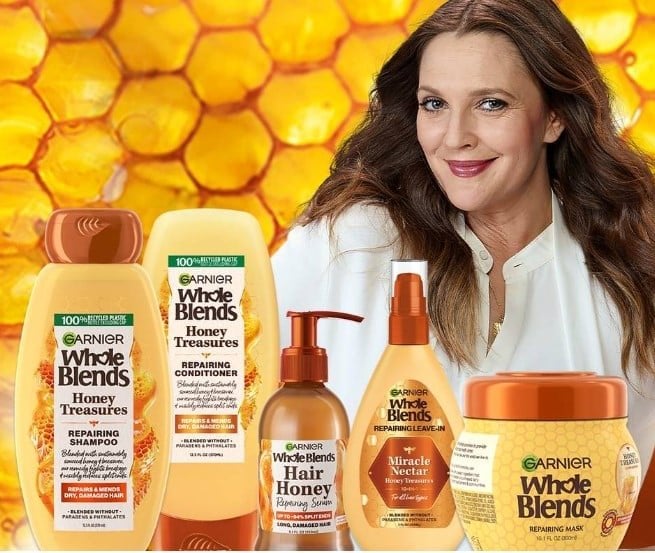
Credit: www.garnierusa.com
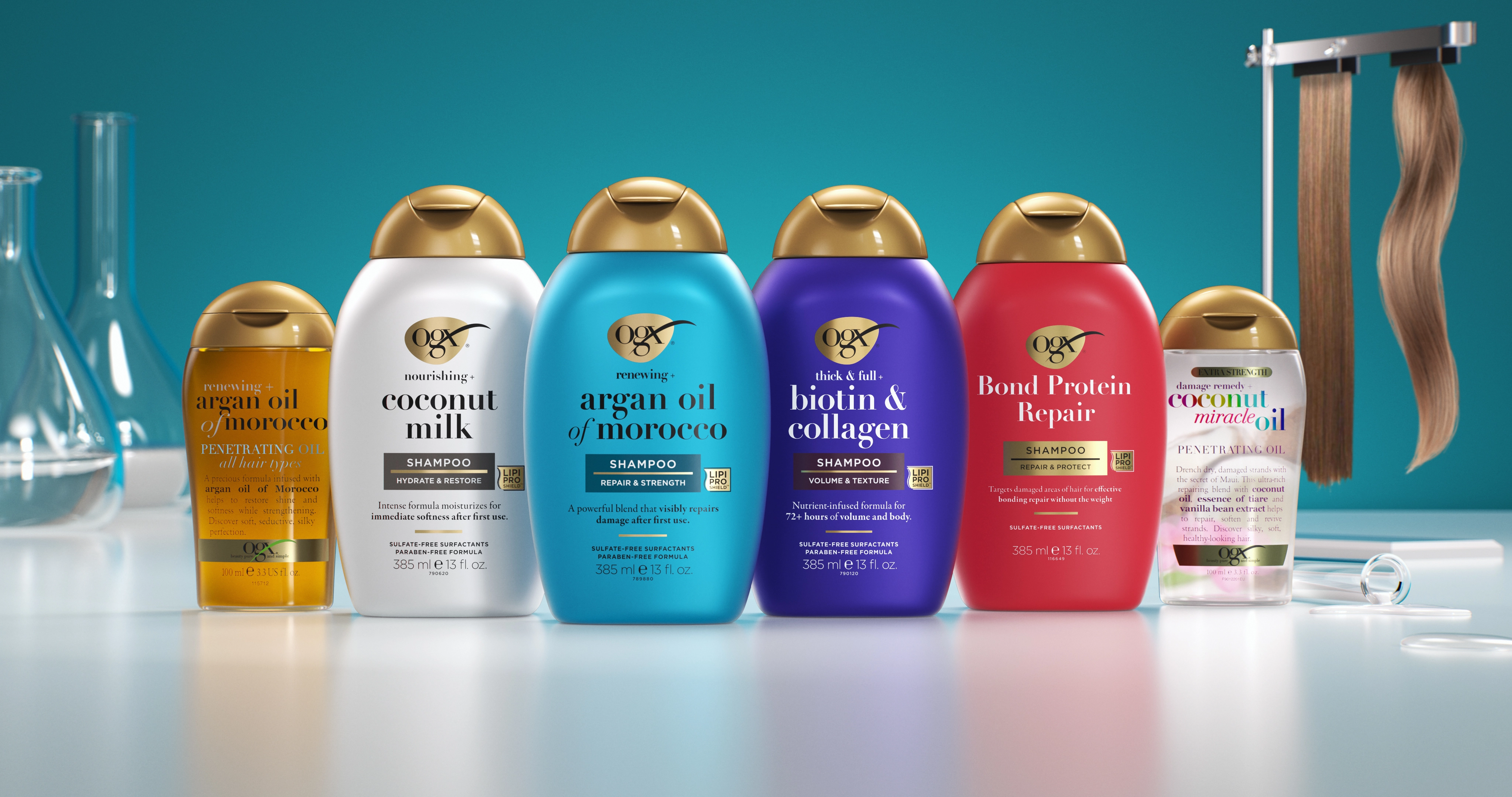
Credit: www.ogxbeauty.com
Frequently Asked Questions
What Are The Best Products For Damaged Hair Care?
Look for products with keratin, biotin, and natural oils. These ingredients repair and strengthen damaged hair effectively. Avoid harsh chemicals and sulfates. Use deep conditioning treatments weekly to restore moisture and shine.
How Often Should I Use Damaged Hair Care Products?
Use damaged hair care products 2-3 times weekly for optimal results. Daily use of gentle shampoos and leave-in conditioners helps maintain hair health. Overusing heavy treatments can weigh hair down or cause buildup.
Can Damaged Hair Be Fully Repaired With Products?
While damaged hair can’t be fully restored, products can greatly improve its condition. Regular use of nourishing treatments reduces breakage and split ends. Trim damaged ends to promote healthier growth alongside product care.
Are Natural Oils Effective For Damaged Hair Repair?
Yes, natural oils like argan, coconut, and jojoba deeply nourish and hydrate damaged hair. They strengthen strands and reduce frizz. Applying oils regularly improves texture and protects hair from further damage.
Conclusion
Caring for damaged hair needs the right products. Choose wisely to restore shine. Look for ingredients that nourish and protect. Avoid harsh chemicals that worsen damage. Regular use of good products can make a big difference. Healthy hair is achievable with patience and care.
Listen to your hair’s needs. Adjust your routine as necessary. Consistent effort leads to beautiful results. Try different solutions to find what works best. Your hair deserves the best care possible. With time, you’ll see improvements. Feel confident with healthy, vibrant hair.
