
Winter can be brutal on your skin. The cold air outside and the dry heat inside work together to sap moisture from your skin, leaving it feeling tight, flaky, and uncomfortable.
You might notice your once-glowing complexion looking dull and tired. But don’t worry – there’s a way to combat these harsh effects and keep your skin healthy and radiant all season long. Imagine waking up each day to skin that feels soft, hydrated, and glowing, no matter how chilly it gets outside.
Sounds like a dream, right? Well, it’s entirely possible with the right daily skincare routine for winter. In this guide, you’ll discover simple yet effective steps to transform your skincare regimen, helping you achieve that enviable winter glow. Stick with us to learn how you can protect your skin against the winter woes and keep it looking its best every day.
Winter Skin Challenges
Winter brings a unique set of skin challenges that can leave your face feeling uncomfortable and looking dull. Cold air, indoor heating, and harsh winds work together to strip your skin of its natural moisture and protective barrier. Understanding these specific issues can help you adjust your daily skincare routine to keep your skin healthy and vibrant throughout the colder months.
Dryness And Flakiness
During winter, the air loses moisture, causing your skin to dry out quickly. You might notice tightness, rough patches, or flakes that make your skin look uneven. Adding a richer moisturizer or using hydrating serums can make a big difference.
Have you ever felt your skin cracking or peeling after being outside for a short while? This happens because the protective oils on your skin decrease, so your routine needs to focus on restoring that barrier.
Sensitivity And Redness
Cold temperatures and wind can irritate your skin, leading to redness and sensitivity. If your skin feels itchy or stings after washing, it’s a sign that your skin barrier is compromised. Using gentle cleansers and avoiding hot water can help reduce this discomfort.
Do you find your skin reacting more than usual in winter? Switching to fragrance-free products and applying calming ingredients like aloe or chamomile might soothe the irritation.
Dullness And Lack Of Glow
Winter skin often looks dull because dry, dead skin cells build up more quickly without proper exfoliation. This makes your complexion appear tired and lifeless. Incorporating mild exfoliation once or twice a week can reveal fresher, glowing skin underneath.
Have you noticed your skin losing its natural glow during winter? Hydration and gentle exfoliation work together to bring back that healthy radiance you miss.
Cleansing Tips For Cold Weather
Cleansing is a key step in your winter skincare routine. Cold weather strips moisture from your skin. Proper cleansing keeps your skin clean without causing dryness or irritation. Follow these simple tips to protect your skin during cleansing in winter.
Choosing Gentle Cleansers
Pick cleansers with mild ingredients that do not dry out skin. Avoid products with strong chemicals or heavy fragrances. Look for hydrating formulas with ingredients like glycerin or hyaluronic acid. These help keep skin soft and hydrated.
Avoiding Hot Water
Hot water removes natural oils from your skin. Use lukewarm water instead. It cleanses without causing dryness or redness. Lukewarm water helps maintain your skin’s natural moisture barrier, especially in cold weather.
Frequency Of Cleansing
Cleanse your face twice daily—morning and night. Over-cleansing can irritate and dry out skin. If skin feels dry, reduce to once daily. Always listen to your skin’s needs and adjust cleansing accordingly.
Moisturizing Strategies
Moisturizing is key to keeping skin healthy during winter. Cold air and indoor heating dry out skin fast. Using the right moisturizing strategies helps lock in hydration. It prevents flaking, redness, and tightness. Choosing the right product and applying it properly makes a big difference. Understanding creams, lotions, oils, and layering helps build a strong skincare routine.
Thick Creams Vs. Lightweight Lotions
Thick creams form a strong barrier on skin. They hold moisture in for hours. Great for very dry or cracked skin. Lotions feel lighter and absorb quickly. Good for skin that is only mildly dry. Lotions suit daytime use under makeup. Creams work well at night or on very cold days. Pick what fits your skin’s needs and comfort.
Using Oils And Serums
Oils and serums add extra moisture and nutrients. Serums have small molecules that reach deep skin layers. Oils create a protective layer to stop water loss. Use serums before creams to hydrate skin inside. Apply oils last to seal moisture outside. Natural oils like jojoba or rosehip help soothe skin. These products boost your skin’s softness and glow.
Layering Moisturizers
Layering means applying multiple products for better hydration. Start with a serum to target specific skin needs. Follow with a moisturizer to lock in serum benefits. Finish with oil to seal the moisture. This method keeps skin hydrated longer in dry weather. Avoid heavy layers that feel sticky or clog pores. Use thin layers and let each absorb before next.

Credit: www.youtube.com
Sun Protection In Winter
Sun protection remains crucial during winter months. Many believe cold weather blocks harmful UV rays, but it does not. Snow can reflect sunlight, increasing UV exposure. Without protection, skin risks damage and premature aging. A daily skincare routine should include sunscreen use year-round.
Importance Of Spf
SPF, or Sun Protection Factor, measures sunscreen’s ability to block UVB rays. UVB rays cause sunburn and skin damage. Using SPF protects skin from burns, dark spots, and wrinkles. It also reduces the risk of skin cancer. Even on cloudy winter days, UV rays reach the skin. Applying SPF daily creates a protective barrier against these rays.
Choosing Winter-friendly Sunscreens
Winter skin tends to be dry and sensitive. Choose sunscreens that hydrate and protect gently. Look for formulas with moisturizing ingredients like glycerin or hyaluronic acid. Opt for broad-spectrum sunscreens to guard against UVA and UVB rays. Cream-based sunscreens suit dry winter skin better than gels or sprays. Apply sunscreen 15 minutes before going outside. Reapply every two hours if exposed to sunlight.
Exfoliation Guidelines
Exfoliation is a key part of your winter skincare routine, but it requires careful attention to avoid drying out your skin. The cold weather can make your skin more sensitive, so knowing how to exfoliate properly is essential. Let’s dive into some clear guidelines that help you keep your skin smooth without causing damage.
How Often To Exfoliate
Exfoliating too often in winter can strip away your skin’s natural oils, leading to irritation and dryness. Aim to exfoliate 1-2 times a week, depending on your skin type. If your skin feels tight or looks flaky, it’s a sign you might need to adjust the frequency.
Have you noticed your skin reacting badly when you exfoliate more frequently? Scaling back might be the simple fix you need.
Best Exfoliants For Winter
Choose gentle exfoliants that remove dead skin without harsh scrubbing. Products with mild chemical exfoliants like lactic acid or mandelic acid work well in cold weather. They help brighten your skin and improve texture without causing excessive dryness.
If you prefer physical exfoliants, opt for ones with fine, smooth particles to avoid micro-tears. Avoid gritty scrubs that feel rough or abrasive on your skin.
Avoiding Over-exfoliation
Over-exfoliation can damage your skin barrier, leading to redness, sensitivity, and breakouts. Watch out for signs like increased dryness, irritation, or peeling after exfoliating. If these happen, reduce how often you exfoliate or switch to a milder product.
Remember, exfoliation should enhance your skin, not harm it. Listen to your skin’s signals and adjust accordingly to keep it healthy all winter long.
Credit: www.lemon8-app.com
Additional Winter Skincare Tips
Winter skincare requires more than just your regular cleanse and moisturize routine. The cold air and indoor heating can strip your skin of moisture, making it feel tight and dry. Adding a few targeted steps can make a big difference in keeping your skin comfortable and glowing throughout the season.
Hydrating Masks And Treatments
Using hydrating masks can boost your skin’s moisture levels instantly. Look for masks with ingredients like hyaluronic acid, aloe vera, or glycerin—they attract and lock in water. You don’t need to use them daily; once or twice a week can refresh your skin and reduce dryness.
I once tried a creamy avocado mask during a harsh winter week, and my skin felt plump and soft afterward. Have you noticed how a quick mask session can lift your skin’s mood and texture?
Humidifiers For Skin Health
Indoor heating dries out the air and your skin. A humidifier adds moisture back into your environment, which helps prevent your skin from becoming flaky and tight. Placing one in your bedroom or living room can create a more skin-friendly atmosphere.
Think about the last time your skin felt comfortable indoors during winter—was the air dry or moist? A humidifier might be the simple change that keeps your skin balanced.
Staying Hydrated Internally
Drinking enough water is crucial, even if you don’t feel thirsty in cold weather. Your skin reflects your internal hydration, so keep a water bottle handy throughout the day. Warm herbal teas can also contribute to your fluid intake and soothe your body.
Do you drink enough water when it’s cold, or do you rely on coffee and tea alone? Adding plain water can improve your skin’s resilience against winter dryness.
Adapting Nighttime Routine
Winter nights demand a change in how you care for your skin. The cold air and indoor heating can strip moisture away, making your skin more vulnerable while you sleep. Adjusting your nighttime routine helps your skin repair and stay nourished through the harsh season.
Repairing And Nourishing Products
At night, your skin works hard to heal itself. Using products rich in ingredients like hyaluronic acid, ceramides, and peptides can boost this natural repair process.
Try switching to a thicker moisturizer or adding a nourishing facial oil to lock in hydration. I noticed my skin felt less tight and looked brighter after just a few nights of using a cream with ceramides.
Don’t forget to apply a gentle eye cream to protect the delicate skin around your eyes from drying out.
Avoiding Harsh Ingredients
Winter is not the time to experiment with strong exfoliants or drying acne treatments. Ingredients like alcohol, strong acids, and retinoids can strip your skin’s natural oils, causing irritation.
If you love retinol, reduce its frequency or switch to a gentler formula. Your skin will thank you by staying calm and less flaky during cold nights.
Instead, focus on calming ingredients such as aloe vera, chamomile, or niacinamide to soothe any redness or dryness.
Importance Of Sleep For Skin
Sleep isn’t just rest for your body—it’s repair time for your skin. When you get enough quality sleep, your skin cells regenerate faster, and inflammation goes down.
Think about those nights you stayed up late; your skin looked dull and tired the next day. Could better sleep be your easiest skincare step?
Try to create a consistent sleep schedule and keep your bedroom cool and dark to help your skin bounce back every night.
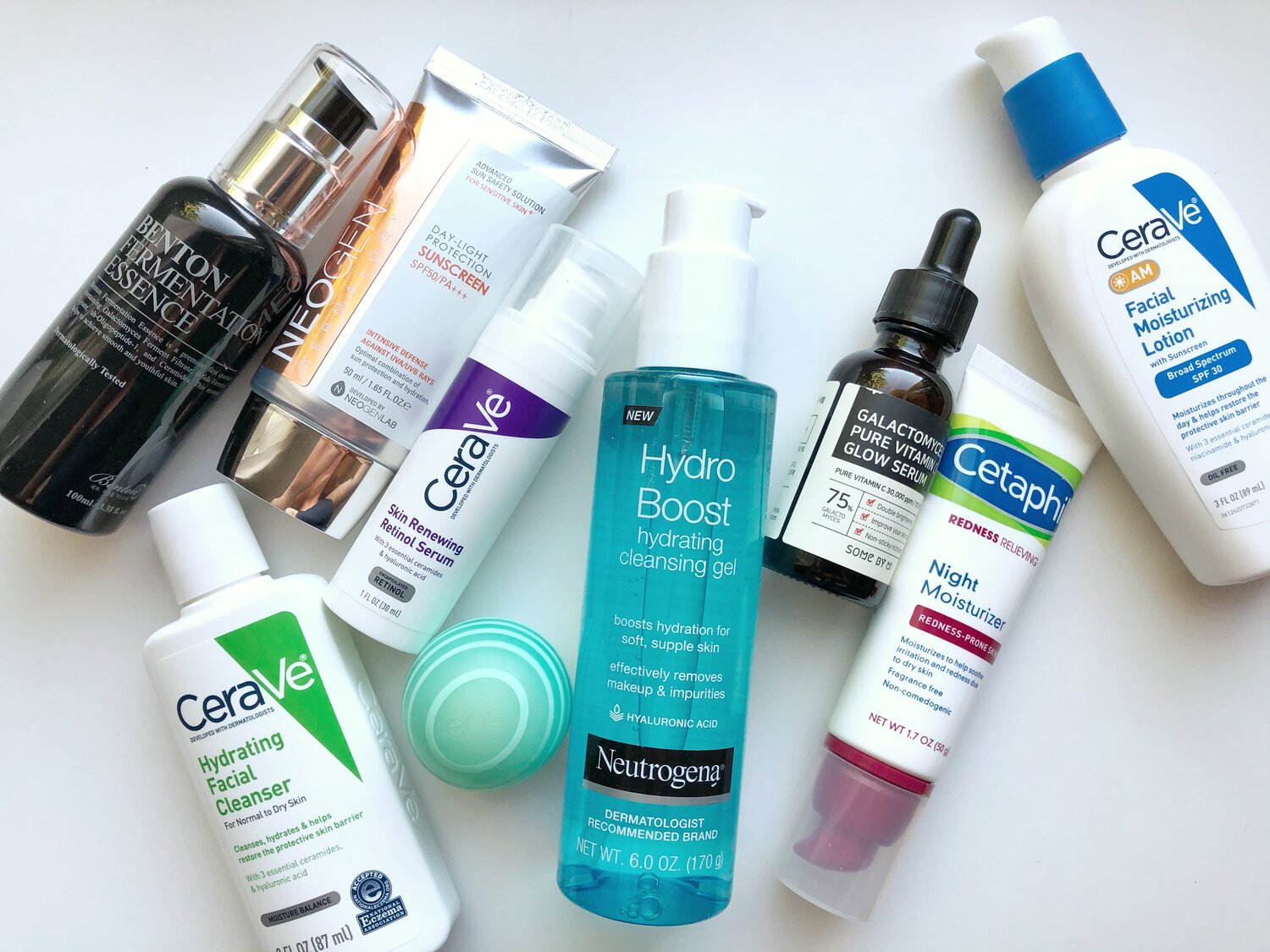
Credit: www.mixedmakeup.com
Frequently Asked Questions
What Is The Best Daily Skincare Routine In Winter?
A winter skincare routine should focus on hydration, gentle cleansing, and moisturizing. Use a mild cleanser, apply a rich moisturizer, and always wear sunscreen. Adding a hydrating serum can also help protect your skin from dryness and cold weather damage.
How Often Should I Moisturize My Skin In Winter?
Moisturize your skin at least twice daily in winter. Apply moisturizer right after cleansing and before bedtime. If your skin feels dry during the day, reapply a lightweight moisturizer to keep it hydrated and protected from harsh winter conditions.
Can I Skip Sunscreen During Winter Months?
No, you should not skip sunscreen in winter. UV rays can still harm your skin, even on cloudy days. Use a broad-spectrum sunscreen with at least SPF 30 daily to protect your skin from sun damage and premature aging.
What Ingredients Should I Look For In Winter Skincare Products?
Look for ingredients like hyaluronic acid, glycerin, ceramides, and shea butter. These ingredients deeply hydrate and repair the skin barrier. Avoid harsh exfoliants and alcohol-based products that can further dry out your skin in winter.
Conclusion
Taking care of your skin daily helps fight winter dryness. Use gentle cleansers and keep your skin moisturized. Don’t forget to protect your skin from cold winds. Drinking water also keeps your skin healthy and fresh. Small steps each day make a big difference.
Stay consistent with your routine for best results. Healthy skin feels soft and looks bright all season. Keep it simple, stay patient, and enjoy glowing skin. Winter skincare can be easy and effective for everyone.
