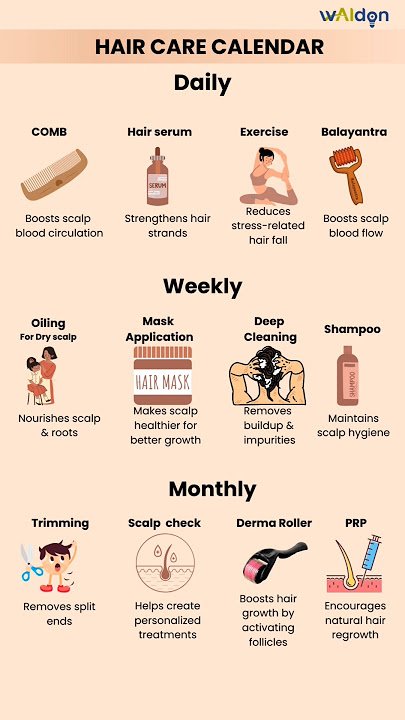
Your hair is one of the first things people notice about you. Imagine waking up every day with hair that feels soft, looks shiny, and stays healthy no matter what.
That’s exactly what a simple daily hair care routine can do for you. But how do you create one that fits your lifestyle and hair type? Keep reading, because the secrets to unlocking your best hair ever are easier than you think—and you’ll want to know them all.
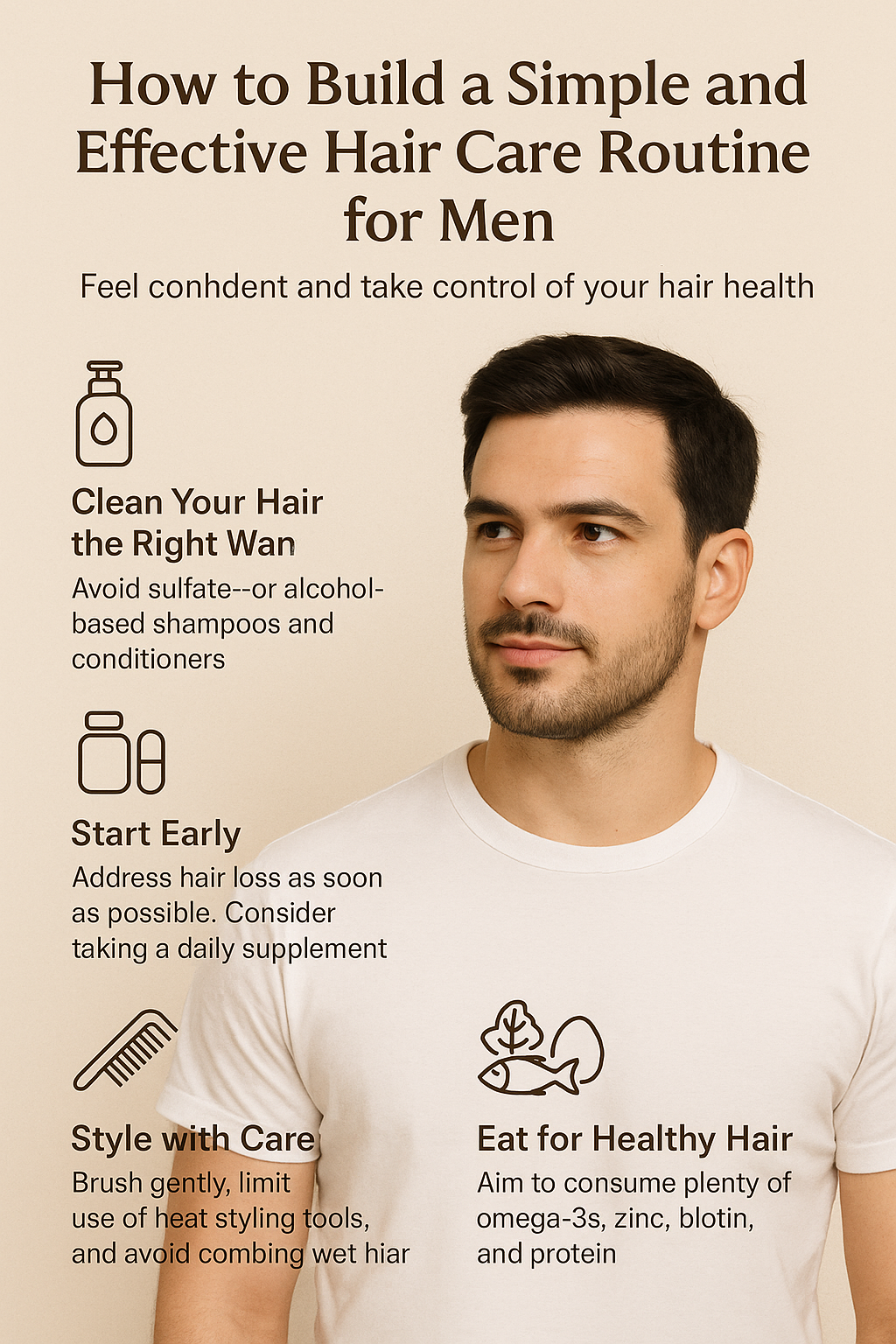
Credit: vocal.media
Morning Hair Care Habits
Starting your day with the right hair care habits can set the tone for healthy, vibrant hair. Morning routines don’t have to be complicated or time-consuming. Small, mindful choices can make a big difference in how your hair looks and feels throughout the day.
Choosing The Right Shampoo
Your shampoo is the foundation of your morning hair care. Pick one that matches your hair type—whether oily, dry, or normal—to avoid stripping away essential oils or leaving residue. If you have sensitive scalp, look for sulfate-free formulas to prevent irritation.
Think about the fragrance and texture too; a shampoo that feels refreshing can boost your morning mood. How often you shampoo also matters—daily washing might work for some, but others find every other day keeps hair healthier.
Conditioning Tips For Shine
Conditioner is key to smooth, shiny hair, but applying it incorrectly can weigh your hair down. Focus on the mid-lengths and ends instead of the scalp to avoid greasiness. Leave the conditioner on for a few minutes to let it penetrate deeply.
Try rinsing with cool water at the end to seal the hair cuticle and lock in moisture. Have you noticed how your hair responds to different conditioners? Switching up your product based on season or hair needs can keep shine consistent.
Gentle Drying Techniques
How you dry your hair affects its strength and texture more than you might think. Avoid harsh towel rubbing; instead, gently squeeze out excess water with a soft microfiber towel or an old cotton t-shirt. This reduces breakage and frizz.
If you use a blow dryer, keep it on a low heat setting and hold it at least six inches away from your hair. Have you tried air-drying part of the way before blow-drying? It can save time and protect your hair from heat damage.

Credit: m.youtube.com
Nighttime Hair Care Tips
Taking care of your hair at night can make a huge difference in its health and appearance. Nighttime hair care helps reduce breakage, tangles, and dryness, so you wake up with smoother, shinier hair. It only takes a few simple steps to protect your strands while you sleep.
Protecting Hair While Sleeping
Sleeping on a cotton pillowcase can cause friction that damages your hair. Switching to a silk or satin pillowcase reduces this friction and helps keep your hair smooth. You might also try wrapping your hair in a silk scarf to lock in moisture and prevent breakage.
Have you noticed how your hair feels in the morning after using a satin pillowcase? Many people find their hair less frizzy and easier to style. This small change can save you time and effort during your morning routine.
Overnight Treatments
Applying a nourishing hair mask or oil treatment before bed can repair damage and add moisture while you sleep. Choose lightweight oils like argan or jojoba to avoid greasy buildup. Leave the treatment on overnight and wash it out in the morning for best results.
Try this simple tip: warm the oil slightly before applying—it helps your scalp absorb it better. You’ll wake up with softer, healthier hair that feels hydrated and looks vibrant. What’s your go-to overnight treatment?
Detangling Before Bed
Brushing your hair gently before sleeping prevents knots and tangles that can lead to breakage. Use a wide-tooth comb or a detangling brush to ease through your strands without pulling. Detangling also distributes natural oils from your scalp down the hair shaft, adding shine.
Make it a habit to detangle your hair right before bed rather than in the morning. This reduces stress on your hair and makes morning styling quicker and less painful. How often do you detangle your hair at night?
Weekly Hair Treatments
Weekly hair treatments give your hair extra care beyond daily washing and styling. They help restore moisture, remove buildup, and improve scalp health. Setting aside time each week for these treatments keeps hair strong and shiny. Consistent care makes a big difference in hair texture and appearance.
Deep Conditioning Masks
Deep conditioning masks provide intense moisture to dry hair. They penetrate the hair shaft to repair damage and reduce frizz. Apply the mask to clean, damp hair and leave it on for 15 to 30 minutes. Use a shower cap to trap heat and boost absorption. Rinse well and enjoy soft, smooth hair.
Scalp Exfoliation
Scalp exfoliation removes dead skin cells and product buildup. It promotes healthy hair growth by unclogging hair follicles. Use a gentle scrub or brush designed for the scalp. Massage in circular motions for a few minutes before shampooing. Clean scalp means less itching and dandruff.
Hot Oil Treatments
Hot oil treatments nourish dry, brittle hair. Warm oils like coconut, olive, or jojoba soften hair and add shine. Heat the oil slightly before applying it to the scalp and strands. Cover with a towel or shower cap for 20 to 30 minutes. Wash out thoroughly for smooth, hydrated hair.
Daily Styling Practices
Daily styling practices play a crucial role in maintaining healthy hair while keeping your look fresh and polished. How you handle your hair every day can either protect it or cause damage. Small adjustments in your routine can lead to noticeable improvements over time.
Heat Protection Strategies
Using heat tools without protection can lead to dry, brittle hair. Always apply a heat protectant spray or serum before blow-drying, straightening, or curling. Look for products with ingredients like silicones or natural oils that shield hair from high temperatures.
Try to avoid using the highest heat settings. Instead, opt for medium heat to reduce stress on your strands. Have you noticed a difference when you lower the temperature?
Choosing The Right Tools
Select styling tools that suit your hair type and texture. For example, ceramic or tourmaline flat irons distribute heat evenly and reduce frizz better than metal plates. If your hair is fine, lightweight tools help prevent unnecessary pulling and breakage.
Investing in quality brushes and combs matters too. Wide-tooth combs detangle wet hair gently, and boar bristle brushes can add shine by distributing natural oils. How often do you check if your tools still work effectively?
Minimal Use Of Styling Products
Overloading your hair with gels, mousses, or sprays can weigh it down and cause buildup. Use just enough product to achieve your desired style without making your hair stiff or greasy. Consider lighter options like leave-in conditioners or natural oils for daily use.
Experiment with applying products only to the ends instead of roots to avoid a heavy look. Does your hair feel lighter and more manageable when you cut back on styling products?
Diet And Hydration For Hair Health
Healthy hair begins with what you eat and drink daily. Your diet supplies essential nutrients that keep hair strong and shiny. Water intake supports scalp moisture and hair hydration. Together, they help maintain a vibrant hair appearance and reduce breakage.
Nutrients That Boost Hair Growth
Certain nutrients play a key role in hair growth and strength. Protein builds hair structure, while vitamins support follicle health. Minerals improve scalp circulation and hair texture.
- Protein:Found in eggs, fish, and beans.
- Vitamin A:Supports scalp oil production; found in carrots and spinach.
- Vitamin C:Helps collagen production; present in citrus fruits and berries.
- Vitamin E:Protects hair from damage; found in nuts and seeds.
- Iron:Prevents hair loss; found in red meat and lentils.
- Zinc:Supports hair tissue growth; found in pumpkin seeds and chickpeas.
Hydration And Hair Moisture
Water keeps your hair hydrated from inside. Hydrated hair is less prone to dryness and breakage. Drinking enough water also helps maintain scalp health.
Dehydrated hair looks dull and lifeless. Aim for at least 8 glasses of water daily. Herbal teas and water-rich fruits can add to hydration.
Foods To Avoid
Some foods can harm hair health and slow growth. Limiting these helps maintain strong, shiny hair.
- Sugary snacks:Can cause inflammation and hair thinning.
- Fried foods:May lead to scalp oil imbalance.
- Excessive alcohol:Dehydrates the body and scalp.
- Highly processed foods:Lack vital nutrients for hair growth.
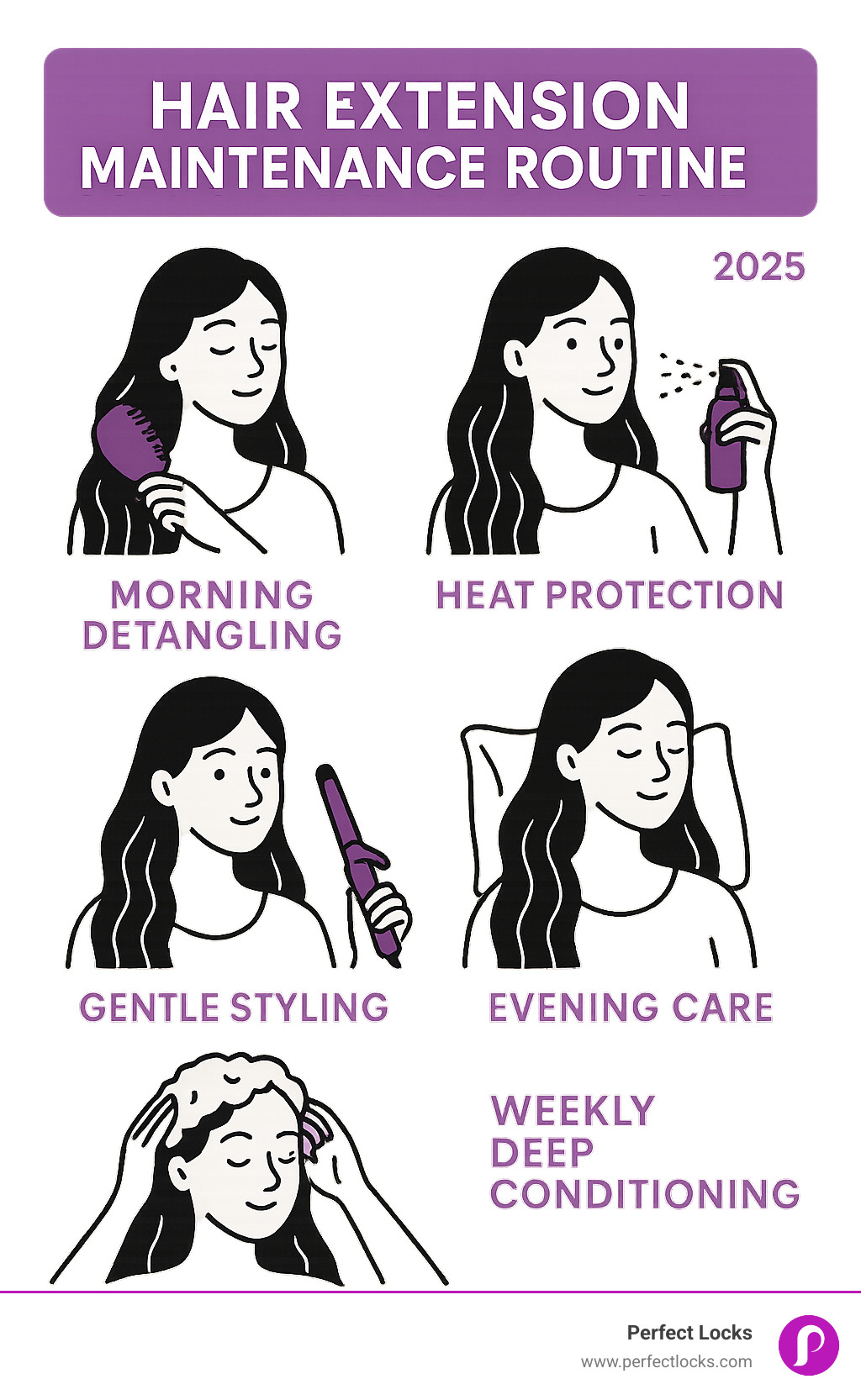
Credit: www.perfectlocks.com
Common Hair Care Mistakes
Many people unknowingly damage their hair by making common mistakes in their daily care routine. These errors can lead to dryness, breakage, and scalp issues. Recognizing and avoiding these pitfalls can help you maintain healthier, stronger hair.
Overwashing
Washing your hair too often strips away natural oils that keep it moisturized and protected. If you shampoo daily, your scalp might produce more oil to compensate, making your hair greasy faster.
Try washing your hair every other day or even less, depending on your hair type. Do you notice your hair feels drier or more brittle after frequent washes? Adjusting your routine could make a big difference.
Using Harsh Chemicals
Many hair products contain strong chemicals that can weaken your hair over time. Ingredients like sulfates, parabens, and alcohol dry out your strands and irritate your scalp.
Look for gentle, sulfate-free shampoos and conditioners with natural ingredients. Have you checked the labels on your current products? Switching to milder options might improve your hair’s texture and shine.
Ignoring Scalp Health
Your scalp is the foundation for healthy hair growth, yet it’s often overlooked. A neglected scalp can lead to dandruff, itching, and even hair loss.
Make scalp care part of your routine by gently massaging it during washing and using treatments if needed. When was the last time you paid attention to your scalp’s condition? Taking care of it can boost your hair’s overall health.
Frequently Asked Questions
What Is The Best Time For A Daily Hair Care Routine?
The best time is usually in the morning or evening when your hair is clean. This helps maintain scalp health and prevents buildup. Consistency at the same time daily improves hair texture and strength over time.
How Often Should I Wash My Hair Daily?
Washing hair daily is not recommended for most hair types. Aim for 2-3 times a week to retain natural oils. Overwashing can cause dryness and scalp irritation, affecting hair health negatively.
Which Products Are Essential For Daily Hair Care?
Use a gentle shampoo, conditioner, and a leave-in conditioner or serum. These products hydrate, protect, and nourish hair daily. Choose products suited to your hair type for best results.
Can Brushing Hair Daily Improve Hair Health?
Yes, gentle daily brushing stimulates scalp blood flow and distributes natural oils. Avoid harsh brushing to prevent breakage. Use a wide-tooth comb or soft brush for detangling and smoothing.
Conclusion
Creating a daily hair care routine keeps your hair healthy and strong. Consistent care prevents damage and promotes natural shine. Use gentle products suitable for your hair type. Regular washing and conditioning maintain cleanliness and hydration. Don’t forget to trim your hair often to avoid split ends.
Protective styles reduce stress on hair strands. Always handle your hair gently to prevent breakage. Listen to your hair’s needs and adjust your routine as necessary. Healthy hair boosts confidence and enhances appearance. Stick to these simple steps for beautiful, manageable hair every day.
