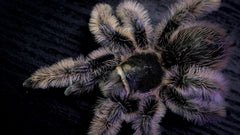
Are you fascinated by the world of exotic pets and considering adding a curly hair tarantula to your collection? You’re not alone.
Many people are captivated by these intriguing creatures with their unique appearance and relatively easy care requirements. But before you dive into the exciting world of tarantula ownership, it’s important to learn the essentials of curly hair tarantula care. This guide will walk you through everything you need to know to ensure your new eight-legged friend thrives in its new home.
Keep reading to discover tips and tricks that will make you a confident tarantula caretaker and help you avoid common pitfalls. Your journey into the world of curly hair tarantulas begins now, and it promises to be as intriguing as the spider itself.
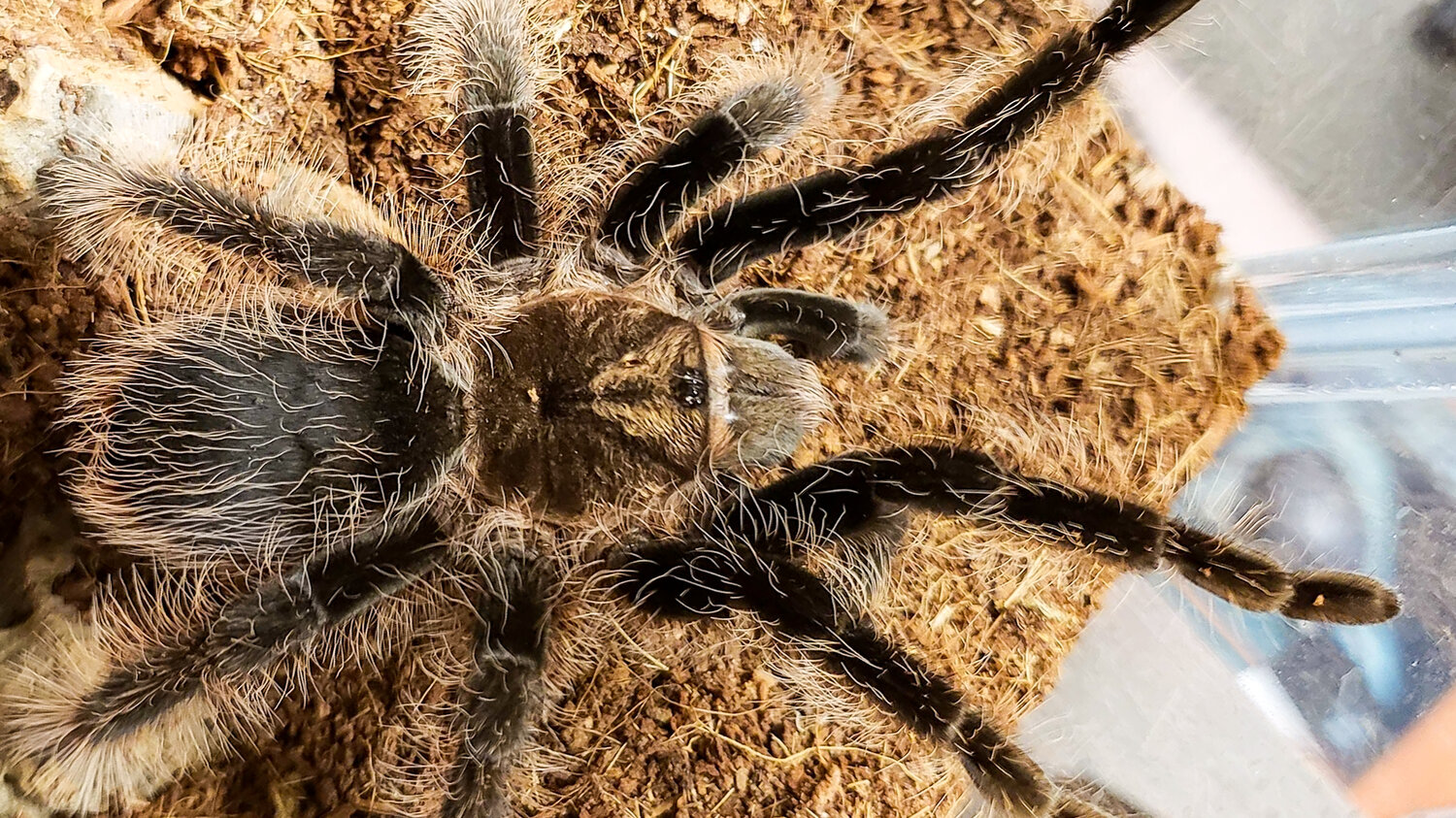
Credit: www.thetarantulacollective.com
Choosing The Right Habitat
Choosing the right habitat for your Curly Hair tarantula is crucial to its health and happiness. A well-designed home mimics their natural environment, helping them feel secure and thrive. Let’s break down the essentials to create the perfect setup.
Tank Size And Type
Curly Hair tarantulas prefer a spacious but not oversized tank. A 10 to 20-gallon terrarium usually works well, giving them room to move and dig without feeling overwhelmed.
Glass or acrylic tanks with good ventilation are ideal. Make sure the tank has a secure lid to prevent escapes but also allows air circulation. Have you checked if your enclosure has enough openings for fresh air?
Substrate Options
The right substrate keeps your tarantula comfortable and supports burrowing behavior. Coconut fiber, peat moss, or a mix of organic soil and vermiculite works best.
Provide at least 3 to 4 inches of substrate depth. This gives your tarantula enough room to dig and create hiding spots. Avoid substrates that retain too much moisture or contain fertilizers and pesticides.
Temperature And Humidity
Curly Hair tarantulas thrive in temperatures between 70°F and 80°F (21°C – 27°C). Maintaining this range is essential for their activity and health.
Humidity should hover around 65% to 75%. You can achieve this by lightly misting the substrate and ensuring proper ventilation. Do you have a reliable hygrometer and thermometer to monitor these conditions daily?
Feeding Your Tarantula
Feeding your curly hair tarantula correctly is essential to keep it healthy and active. Understanding what your tarantula prefers and how often to feed it will make your care routine easier and more effective. Let’s look at how you can meet your pet’s dietary needs and keep it well-hydrated.
Diet Preferences
Your tarantula thrives on a diet mainly consisting of live insects. Crickets, roaches, and mealworms are popular choices. You might notice your tarantula showing more interest in certain prey—observe and adjust accordingly.
Sometimes, your tarantula might refuse food if it’s stressed or molting. Don’t worry; this is normal. Offer food again after a few days to avoid overfeeding.
Feeding Frequency
Young tarantulas need feeding more often—usually every 2 to 3 days. Adults can be fed once or twice a week. Avoid overfeeding, as leftover prey can stress your tarantula or cause mold in the enclosure.
Have you ever wondered how much is too much? Watch your tarantula’s behavior and weight. If it looks sluggish or refuses food regularly, reconsider your feeding schedule.
Hydration Tips
Fresh water is just as important as food. Provide a shallow water dish that your tarantula can easily access without the risk of drowning. Change the water every couple of days to keep it clean.
You can also lightly mist the enclosure occasionally to maintain humidity, but don’t overdo it. Too much moisture can lead to mold and harm your tarantula’s health.
Handling And Interaction
Handling and interacting with your curly hair tarantula is a delicate process that requires patience and respect for the spider’s nature. Knowing the right moments and techniques can make your experience safe and enjoyable for both you and your tarantula. Understanding their behavior helps you avoid unnecessary stress and potential harm.
When To Handle
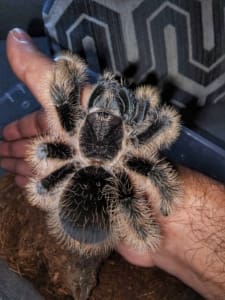
Handle your tarantula only when it is calm and active, usually during the evening or night since they are nocturnal. Avoid handling right after feeding or molting, as your tarantula is vulnerable and more likely to react defensively. If your spider curls its legs tightly or remains very still, it’s best to wait before interacting.
Safe Handling Techniques
- Approach slowly and gently to avoid startling your tarantula.
- Use a soft brush or a flat object to coax it onto your hand instead of grabbing.
- Keep your hands close to the ground or a soft surface in case of falls, as tarantulas are fragile.
- Support its entire body to prevent stress or injury.
Remember, your calm and confident movements communicate safety to your tarantula.
Signs Of Stress
Watch for behaviors like rapid leg movement, raising the front legs, or flicking hairs. These are clear warnings that your tarantula feels threatened or stressed. If you notice these signs, gently return your spider to its enclosure and give it time to relax.
Have you observed your tarantula’s mood change during handling? Recognizing these cues early improves your bond and keeps your pet safe.
Health And Molting
Keeping your Curly Hair Tarantula healthy means paying close attention to its molting process and overall well-being. Molting is a critical time for your tarantula, and understanding what happens can help you support it better. Health issues often arise around this phase, so knowing how to prevent problems is key to a thriving pet.
Molting Process
Molting is when your tarantula sheds its old exoskeleton to grow. During this time, it becomes very vulnerable and may stop eating or move less. You might notice your tarantula lying on its back—that’s normal and shows molting is underway.
Keep the enclosure humid but not wet to help the skin loosen smoothly. Avoid disturbing your tarantula during this sensitive phase; stress can cause molting complications. Have you ever seen a tarantula molt? It’s a slow and fascinating process that can take several hours or even days.
Common Health Issues
Problems like stuck exoskeleton or dehydration can happen if the molting environment isn’t right. A tarantula that struggles to molt might lose a leg or worse. Watch for lethargy, loss of appetite, or unusual movements—they can signal health issues.
Fungal infections and mites also threaten your tarantula’s health, especially if the enclosure is too humid or dirty. Regularly check your pet for signs of illness or stress. What small changes have you noticed in your tarantula’s behavior lately?
Preventive Care
- Maintain proper humidity between 75-80% to support healthy molting.
- Provide a clean and secure habitat to minimize stress and infections.
- Offer fresh water daily, but avoid excessive wetness in the substrate.
- Feed a balanced diet with appropriate prey to ensure good nutrition.
- Limit handling, especially during molting and after molting until the exoskeleton hardens.
Consistent care can prevent many health problems and ease the molting process. Your attention to these details can make a big difference in your tarantula’s life. What small step can you take today to improve your tarantula’s health?
Cleaning And Maintenance
Keeping your curly hair tarantula’s enclosure clean is essential for its health and comfort. A well-maintained habitat prevents mold, pests, and bad odors, making your pet’s home a safe and pleasant space. Cleaning and maintenance don’t have to be overwhelming if you stick to a consistent routine and know what to focus on.
Cleaning Schedule
Set a regular schedule for cleaning your tarantula’s enclosure to avoid buildup of waste and mold. A quick spot clean every few days keeps things tidy, while a full clean every 4 to 6 months refreshes the environment completely. Observing your tarantula’s behavior can also guide you—if you notice excess debris or odor, it’s time for extra attention.
Spot Cleaning Tips
Spot cleaning is your first defense against mess. Use tweezers or tongs to remove uneaten food and visible waste daily or every other day. Avoid disturbing your tarantula too much; focus only on areas that look dirty. Wiping down water dishes regularly prevents algae and bacteria buildup, which can harm your pet.
Replacing Substrate
Replacing the substrate is crucial for a healthy environment. Choose a substrate that retains moisture but doesn’t stay soggy, like coconut fiber or peat moss. Remove old substrate carefully and replace it with a fresh layer about 2 to 3 inches deep. This not only controls odor but also helps maintain proper humidity levels for your tarantula’s comfort.
Credit: www.cbreptile.com
Behavioral Traits
Understanding the behavioral traits of your Curly Hair Tarantula can make a huge difference in how you care for it. Each tarantula has unique habits that reveal its comfort level and health. Paying close attention to these behaviors helps you create a better environment and strengthens your connection with your pet.
Activity Patterns
Curly Hair Tarantulas are generally nocturnal creatures. You’ll notice they become more active as the lights dim, often exploring their enclosure or hunting. During the day, they tend to stay hidden and rest, conserving energy for nighttime activity.
If you see your tarantula moving around during the day, it might be a sign of stress or an unsuitable habitat. Have you ever observed your tarantula’s movement closely to identify when it feels most comfortable?
Webbing Habits
Unlike some tarantulas that create elaborate webs, Curly Hairs produce minimal webbing. They mostly use silk to line their burrows or create a soft surface inside their hiding spots. This behavior is essential for their comfort and protection.
Watch how your tarantula uses silk—it can indicate if it’s settling well. Too little webbing may mean your pet is stressed or uncomfortable, while excessive webbing might show it is preparing a new retreat.
Territorial Behavior
Curly Hair Tarantulas are solitary and highly territorial. They prefer having their own space and rarely tolerate other tarantulas nearby. Introducing another tarantula into the same enclosure can cause aggressive displays or fights.
Respecting their need for territory means providing enough space and avoiding overcrowding. Have you created separate, secure spaces in your setup to prevent territorial stress?
Credit: www.cbreptile.com
Frequently Asked Questions
What Is The Ideal Habitat For A Curly Hair Tarantula?
A Curly Hair Tarantula thrives in a warm, humid environment. Use a terrarium with moist substrate and hiding spots. Maintain temperatures between 75-85°F and humidity around 70%. This setup mimics their natural tropical habitat, keeping them healthy and active.
How Often Should I Feed My Curly Hair Tarantula?
Feed your Curly Hair Tarantula once or twice a week. Offer live insects like crickets or roaches. Remove uneaten prey after 24 hours to prevent stress. Juveniles may need feeding more frequently, while adults require less.
How Do I Handle A Curly Hair Tarantula Safely?
Handling is not recommended due to their delicate bodies and defensive hairs. If necessary, be gentle and calm to avoid stress or injury. Use a soft brush to guide them instead of direct contact. Always wash hands afterward.
What Signs Indicate My Curly Hair Tarantula Is Healthy?
A healthy Curly Hair Tarantula has a full, shiny exoskeleton and moves actively. It regularly molts and eats well. Look for alert posture and intact legs. Avoid lethargy, loss of appetite, or visible injuries.
Conclusion
Caring for a curly hair tarantula takes patience and care. Provide a safe and clean home for your pet. Feed it properly and watch for any health signs. Keep humidity and temperature at the right levels. Remember, gentle handling helps build trust.
Your tarantula will thrive with simple, regular care. Enjoy the unique beauty of this amazing pet.
