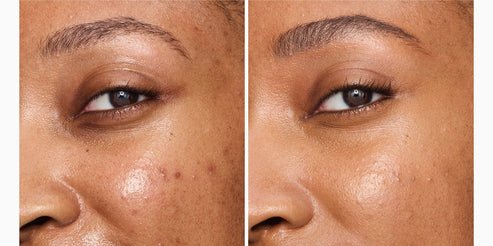
Are you tired of looking tired? Dark circles under your eyes can make you appear worn out, even when you’re well-rested.
They might feel like an inevitable part of life, but they don’t have to be your reality. Imagine waking up, looking in the mirror, and seeing a bright, refreshed version of yourself staring back. The good news? Achieving this is entirely within your reach.
You’ll discover simple and effective techniques to cover up those pesky dark circles, helping you feel more confident and ready to face the day. Keep reading to unlock the secrets to a more vibrant and youthful appearance.
Causes Of Dark Circles
Dark circles under the eyes can be frustrating and stubborn. Understanding what causes them is key to finding the right way to cover them up or even reduce their appearance. These causes range from natural factors like your genetics to lifestyle choices that you can control.
Genetics And Skin Type
Your genes play a big role in whether you develop dark circles. If your parents have them, chances are you might too. People with thinner or fairer skin often show dark circles more clearly because blood vessels are easier to see.
Have you noticed that no matter what cream you use, some dark circles just won’t go away? This could be because your skin type or natural pigmentation causes them to appear darker. Knowing this helps you set realistic expectations for coverage.
Lifestyle Factors
Sleep is one of the biggest lifestyle factors affecting dark circles. Lack of rest makes your skin look pale, which makes the blood vessels underneath more visible. Stress and exhaustion can also worsen their look.
Other habits can contribute too, like smoking or excessive alcohol intake. These reduce blood flow and damage skin, making dark circles more noticeable. What daily habits could you change to help your eyes look fresher?
Allergies And Health Issues
Sometimes dark circles are not just about how you look but how your body feels. Allergies cause your eyes to itch and swell, leading to rubbing that darkens the skin. Conditions like anemia or dehydration also reduce oxygen flow, making the area under your eyes look dull and dark.
If you suffer from allergies or ongoing health problems, treating these can improve the appearance of your eyes significantly. Have you considered if your dark circles might be a sign of something that needs medical attention?

Credit: www.amazon.com
Choosing The Right Concealer
Choosing the right concealer can make a huge difference in hiding dark circles under your eyes. It’s not just about picking any product off the shelf; you need something that suits your skin type, tone, and the specific look you want to achieve. Let’s break down what you should consider to find the perfect match for your eyes.
Types Of Concealers
Concealers come in various forms, each with its own benefits. Cream concealers offer rich coverage and work well for dry skin, while liquid concealers blend easily and suit most skin types. Stick concealers provide full coverage and are great for targeting stubborn dark circles but can feel heavy if applied too thickly.
Think about your lifestyle too. If you need something lightweight for a natural look, a liquid or stick might be better. For long-lasting wear, cream formulas often hold up well throughout the day.
Matching Skin Tone
Choosing a concealer shade close to your skin tone is key, but it’s not always about matching exactly. A concealer one or two shades lighter than your skin can brighten the under-eye area without looking unnatural. Avoid shades that are too light or too dark, as they might draw more attention to the circles instead of hiding them.
Have you ever noticed how some concealers create a white cast in photos? That happens when the shade doesn’t match your undertone. Try testing concealers in natural light to see how they really look on your skin before buying.
Formulas For Different Skin Types
Your skin type affects how a concealer performs and lasts. If you have oily skin, look for oil-free, matte formulas that won’t slide off. Dry skin benefits from moisturizing concealers with hydrating ingredients to prevent flaking or cracking.
Combination skin might require mixing two types or using a different concealer in specific areas. For sensitive skin, hypoallergenic and fragrance-free options reduce the risk of irritation around the delicate eye area. What’s your skin type telling you about what it needs from a concealer?
Application Techniques
Covering dark circles requires more than just picking the right concealer. How you apply products can change everything. The right technique ensures a natural, bright look that lasts through the day.
Prepping The Skin
Start with a clean, moisturized face. Dry or flaky skin makes concealer patchy and uneven. Use a lightweight eye cream to hydrate and create a smooth base before you apply anything.
Applying a primer designed for the eye area can help keep your concealer in place. It also minimizes fine lines, making your coverage look flawless. Have you ever noticed concealer settling into creases? Proper prep prevents that.
Correcting With Color
Color correcting is a game changer, especially if your dark circles have a strong blue or purple tone. Use a peach or orange corrector to neutralize those hues before applying concealer.
Apply the corrector in small amounts only where the darkness shows. Dab gently with your finger or a small brush. This targeted approach stops the concealer from looking cakey or heavy.
Blending Tips
Blending is where many people struggle. Use a damp makeup sponge or your ring finger for the best control. Lightly tap the concealer into your skin instead of rubbing or wiping it.
Extend the concealer slightly beyond the darkest area to create a seamless transition. If you blend too little, the edges will be obvious; blend too much, and coverage will fade. Do you feel the difference between blending and wiping? That small change can make your eyes look fresh and awake.
Additional Makeup Tips
Additional makeup tips can make a big difference in hiding dark circles. Small details help your makeup last longer and look more natural. Focus on brightening, setting, and avoiding mistakes. These steps enhance your overall look effortlessly.
Highlighting And Brightening
Use a light-reflecting concealer to brighten under the eyes. Apply it in a triangle shape for a lifted effect. Avoid thick layers; thin layers blend better. A subtle shimmer on the inner corners opens up tired eyes. Choose a shade one or two tones lighter than your skin.
Setting The Concealer
Setting the concealer stops creasing and fading. Use a lightweight translucent powder. Apply it with a small, fluffy brush. Press gently to avoid moving the concealer. Baking is an option for oily skin types. It locks makeup but avoid overdoing it to prevent dryness.
Avoiding Common Mistakes
- Do not use too much concealer; it looks cakey.
- Avoid shades that are too light or too dark.
- Skip applying concealer on dry skin; moisturize first.
- Don’t rub or drag skin; pat gently instead.
- Use the right tools like brushes or sponges for blending.
Natural Remedies
Dark circles under your eyes can make you look tired and older than you feel. Instead of reaching for heavy concealers, try natural remedies that soothe and brighten the delicate skin around your eyes. These solutions often require simple ingredients you might already have at home and can improve your skin’s appearance over time without harsh chemicals.
Cold Compresses
Applying a cold compress can reduce puffiness and shrink dilated blood vessels, which causes dark circles. You can use chilled spoons, cucumber slices, or a damp washcloth kept in the fridge for 10-15 minutes.
Try this after a long day or a poor night’s sleep. You’ll notice your eyes feel refreshed and less swollen. Have you noticed how a quick cold compress can instantly brighten your eyes?
Hydrating Masks
Hydration is key to diminishing dark circles. Using natural hydrating masks like mashed avocado, aloe vera gel, or raw honey can nourish the skin and improve elasticity.
Apply these masks gently under your eyes and leave them on for about 15 minutes before rinsing off. Regular use helps maintain moisture and can lighten dark areas over time.
Diet And Sleep
Your lifestyle plays a major role in the appearance of dark circles. Drinking plenty of water flushes out toxins that might otherwise contribute to puffiness and discoloration.
A diet rich in vitamins C, K, and iron supports healthy skin. Also, prioritize 7-9 hours of quality sleep—your body needs this time to repair and rejuvenate.
Think about your last week: Did you get enough rest and eat well? Simple changes here can make a visible difference around your eyes.

Credit: www.goodhousekeeping.com
When To Seek Professional Help
Dark circles under the eyes can be frustrating and hard to hide. Sometimes, home remedies and over-the-counter products do not work well enough. Persistent or worsening dark circles might need expert care. Seeking professional help ensures the right treatment and better results. Knowing when to visit a specialist can save time and reduce stress.
Dermatologist Treatments
A dermatologist can diagnose the cause of dark circles. Causes include skin thinning, allergies, or pigmentation issues. They may suggest treatments like:
- Prescription creams with ingredients like retinoids or hydroquinone
- Allergy management to reduce puffiness and discoloration
- Laser therapy to improve skin tone and texture
- Chemical peels to brighten the under-eye area
Professional care targets the root cause, not just the appearance. This leads to longer-lasting improvements and healthier skin.
Cosmetic Procedures
Cosmetic options can offer quick and visible changes. These include:
- Dermal fillers to add volume and reduce shadow effects
- Microneedling to stimulate collagen production
- Platelet-rich plasma (PRP) therapy for skin rejuvenation
- Blepharoplasty, a surgical option to remove excess skin
Experts perform these procedures safely and effectively. They customize treatments based on your skin type and needs.

Credit: www.amazon.com
Frequently Asked Questions
How Can I Quickly Cover Up Dark Circles Under Eyes?
Use a creamy concealer one shade lighter than your skin tone. Apply gently with your ring finger or a brush. Blend well to avoid creasing. Set with a light translucent powder for longer wear.
Which Makeup Products Best Hide Dark Under-eye Circles?
Concealers with good coverage and moisturizing properties work best. Color correctors in peach or orange tones neutralize blue or purple hues. Use lightweight foundations to avoid cakiness around delicate eye skin.
What Are Natural Remedies To Reduce Dark Circles?
Cold compresses, cucumber slices, and tea bags can soothe tired eyes. Adequate sleep and hydration improve skin health. Vitamin C serum and almond oil massage help lighten pigmentation over time.
Can Diet Affect Dark Circles Under Eyes?
Yes, a balanced diet rich in vitamins C, K, and iron helps reduce dark circles. Avoid excessive salt and caffeine to prevent puffiness. Hydration is key for healthy, bright under-eye skin.
Conclusion
Dark circles can make you look tired and older. Simple steps help hide them well. Use the right concealer shade for best results. Gentle tapping blends it smoothly under your eyes. Keep your skin healthy by drinking water and resting enough.
A good night’s sleep reduces puffiness and darkness. Natural remedies also soothe and brighten your skin. Consistent care improves your appearance over time. Small changes make a big difference in your look. Try these tips to feel confident every day.
Your eyes deserve the best care and attention.
