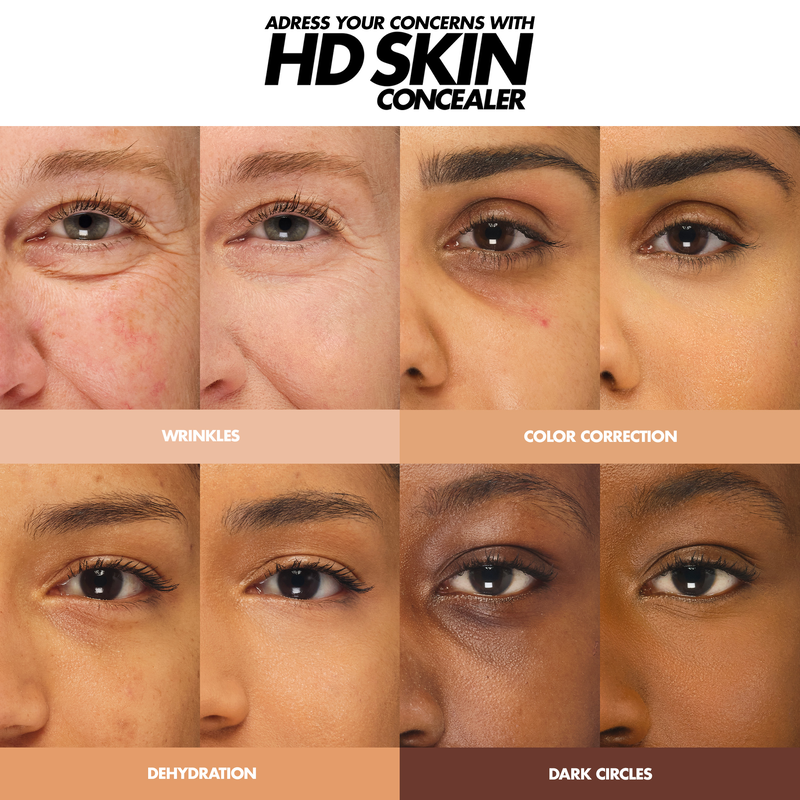
Are those pesky under-eye dark circles making you look more tired than you feel? You’re not alone.
Many of us face this common beauty challenge. The good news is, there’s a simple solution that can transform your look in minutes: the right concealer. Imagine stepping out with a fresh, bright appearance, radiating confidence and energy. You’ll discover how to choose the perfect concealer for your skin type and tone.
Plus, we’ll share insider tips to ensure it stays flawless all day long. If you’re ready to say goodbye to dark circles and hello to a revitalized you, keep reading! Your journey to brighter, more youthful eyes starts here.

Credit: www.youtube.com
Causes Of Under Eye Dark Circles
Under eye dark circles appear due to various reasons. These causes affect the skin’s color and texture beneath the eyes. Understanding these factors helps in choosing the right concealer and skincare routine.
Genetics And Skin Type
Dark circles often run in families. Genetics influence skin color and thickness under the eyes. Thin skin makes blood vessels more visible, causing a darker look. People with fair or light skin may notice dark circles more easily. Those with oily or dry skin can also experience different types of under eye darkness.
Lifestyle Factors
Poor sleep is a common cause of dark circles. Lack of rest makes skin pale and dull. Stress, smoking, and excessive alcohol also worsen dark circles. Dehydration reduces skin plumpness, making circles more obvious. Long hours in front of screens can strain eyes and darken the under eye area.
Aging Effects
As skin ages, it loses collagen and elasticity. This makes the skin thinner and more transparent. Blood vessels under the eyes become clearer, showing dark shadows. Fat loss around the eyes creates hollows, enhancing the dark circle look. Aging slows skin repair, making discoloration last longer.
Health Conditions
Some health issues cause or worsen dark circles. Allergies trigger itching and rubbing, darkening skin. Sinus infections cause blood vessels to swell, creating shadows. Anemia or iron deficiency reduces oxygen in blood, leading to pale skin and darker under eyes. Skin conditions like eczema can cause irritation and discoloration.
Credit: www.bareminerals.com
Choosing The Right Concealer
Choosing the right concealer for under eye dark circles can make a huge difference in your daily makeup routine. It’s not just about covering up shadows but also about brightening your face and boosting your confidence. Knowing what type, shade, and formula suit your skin will help you achieve a flawless look without feeling heavy or cakey.
Types Of Concealers
Concealers come in various forms, each designed to serve different needs. You have:
- Liquid concealers– Lightweight and blendable, perfect for a natural finish.
- Cream concealers– Offer more coverage, great for stubborn dark circles.
- Stick concealers– Easy to apply and portable, ideal for quick touch-ups.
- Pen or pencil concealers– Best for precision and targeting small areas.
Think about how much coverage you want and how your skin feels under makeup when choosing a type.
Shade Selection Tips
Picking the right shade is crucial; the wrong one can make dark circles more obvious. Aim for a concealer shade that is one to two shades lighter than your skin tone to brighten the under-eye area.
Consider the undertones of your skin: if you have cool undertones, peach or orange-based concealers counteract blueish shadows. For warmer undertones, yellow-based concealers work best.
Have you ever noticed how a concealer that’s too light or too dark can draw attention to the area instead of hiding it? Test shades in natural light and blend before buying to avoid this.
Formulas For Different Skin Types
Your skin type affects how a concealer behaves throughout the day. If you have oily skin, look for oil-free or matte formulas that won’t slide off your face.
For dry skin, moisturizing or hydrating concealers with ingredients like hyaluronic acid help prevent flaking and creasing.
Combination skin may require a balance, so try lightweight formulas that offer hydration without excess shine. Think about how your concealer wears after hours—does it settle into fine lines or stay smooth?
Prepping The Under Eye Area
Prepping the under eye area is crucial for effective concealer application. A smooth, hydrated base helps the concealer blend well and last longer. It also prevents creasing and dryness, making your makeup look fresh throughout the day.
Cleansing And Moisturizing
Start with a gentle cleanser to remove dirt and oil. Use a mild formula to avoid irritation in this sensitive area. After cleansing, apply a lightweight eye cream or moisturizer. This step hydrates the skin and creates a smooth surface. Moisturized skin helps the concealer glide on easily without patchiness.
Using Eye Primers
Eye primers create a perfect base for concealer. They help in evening out skin texture and control oil. Primers also increase the wear time of concealer. Choose a primer designed for the delicate under eye skin. Dab it gently with your ring finger for best results.
Addressing Puffiness
Puffiness can make dark circles look worse. Use a cold compress or chilled spoons on the eyes for a few minutes. Eye creams with caffeine reduce swelling and tighten skin. Gentle massage around the eye area boosts circulation. Reducing puffiness ensures the concealer applies smoothly and looks natural.
Application Techniques
Applying concealer to cover under-eye dark circles requires more than just dabbing it on. The right techniques can brighten your entire face and boost your confidence. Let’s look at how to make your concealer work harder and look natural.
Tools To Use
Your choice of tools can make a huge difference in the finish and ease of application. Many find that using a small, dense brush helps deposit the right amount of product precisely where you need it. Fingers work well too, as the warmth from your skin melts the concealer, making it blend smoothly.
Some prefer a damp makeup sponge for a soft, airbrushed look. It’s great for blending without wiping away too much product. Think about what feels best on your skin and gives you the coverage you want.
Step-by-step Application
- Start with a clean, moisturized face to avoid dry patches under your eyes.
- Apply a thin layer of concealer in small dots or a gentle triangle shape under your eyes.
- Press the product into the skin gently instead of rubbing, which can irritate delicate under-eye skin.
- Focus on the darkest areas first, then blend outward to lighten the whole under-eye area.
- Set the concealer with a light dusting of translucent powder to prevent creasing.
Have you noticed how skipping moisturizer makes your concealer look flaky? Hydration is key to a smooth finish.
Blending Tips
Blending separates a good concealer job from a great one. Use a tapping motion with your finger or sponge to blend, avoiding harsh lines. Patience here ensures the concealer melts into your skin for a natural look.
If your concealer feels thick, add a tiny bit of your moisturizer or setting spray on your tool to help it blend easier. Don’t forget to extend the blending beyond the dark circles to the top of your cheeks for a seamless transition.
Have you tried blending with different tools? Sometimes switching from a brush to a sponge can solve stubborn patchiness instantly.
Setting And Longevity
Setting and longevity are key for concealer under dark circles. Proper setting keeps the concealer from moving or fading. It helps maintain a fresh look throughout the day. Without setting, concealer can crease, cake, or disappear quickly. Choosing the right products and techniques ensures long-lasting coverage.
Choosing The Right Setting Powder
Pick a powder that is finely milled and lightweight. Translucent powders work well for most skin tones. For dry skin, use a hydrating powder to avoid dryness. Matte powders suit oily skin better to control shine. Apply powder lightly with a fluffy brush to avoid heaviness. Press the powder gently instead of sweeping it around.
Avoiding Creasing And Caking
Start with a thin layer of concealer to prevent thick buildup. Blend concealer softly into the skin using a sponge or finger. Use a small amount of setting powder to lock the concealer in place. Avoid applying too much powder as it causes cakiness. Set only the under-eye area, not the entire face. Keep skin hydrated to reduce creasing caused by dryness.
Touch-up Tips
- Carry blotting papers to remove excess oil gently.
- Use a small brush with a bit of powder for quick fixes.
- Apply a thin layer of concealer if coverage fades.
- Spray a setting spray to refresh and lock makeup.
- Pat products lightly to avoid disturbing the base layers.
Common Mistakes To Avoid
Concealing under-eye dark circles can instantly brighten your face, but many people end up making avoidable mistakes that actually draw more attention to the area. Knowing what to steer clear of helps you achieve a flawless, natural look instead of a cakey or mismatched finish. Let’s break down the common pitfalls and how you can dodge them for smooth, radiant results.
Using The Wrong Shade
Choosing a concealer that is too light or too dark will highlight the problem rather than hide it. A shade too light can create a stark contrast, making your dark circles more obvious. On the other hand, a shade too dark will not cover the darkness effectively and can make you look tired.
Try selecting a concealer with a peach or orange undertone if your dark circles have a bluish or purple tint. Test shades on your jawline or under your eyes in natural light to find the best match. Ask yourself: does the concealer blend seamlessly with your skin tone without standing out?
Applying Too Much Product
It’s tempting to pile on concealer to fully mask dark circles, but over-application causes creasing and a heavy, unnatural look. Thick layers of product settle into fine lines and make the under-eye area appear drier and more textured.
Use a small amount and build coverage gradually. Dab gently with your ring finger or a damp makeup sponge for a light, even finish. Remember, less is more — can you feel the difference in comfort and appearance with a lighter touch?
Neglecting Skin Care
Skipping moisturizing or eye creams before applying concealer often leads to dryness and flaky patches. Concealer sits better on well-hydrated, smooth skin and lasts longer throughout the day.
Hydrate your under-eye area with a nourishing cream to plump up the skin and reduce fine lines. Consider using a primer designed for the eye area to create a smooth canvas. How different does your concealer look when your skin is properly prepped?
Additional Tips For Brightening Eyes
Brightening the eyes goes beyond just using concealer. Small changes and smart techniques can make a big difference. These extra tips help reduce the look of dark circles and make your eyes appear fresh and awake.
Color Correctors
Color correctors balance the skin tone under your eyes. Peach or orange shades cancel out blue or purple tones. Use a small amount before applying concealer. Dab gently for an even base. This helps your concealer cover dark circles better.
Highlighting Techniques
Highlighting draws light to the eye area. Apply a light, shimmery shade to the inner corners of your eyes. Add a bit under the arch of your eyebrows. Avoid heavy shimmer on the whole under-eye area. This keeps the look natural and bright.
Lifestyle Habits For Better Skin
Good skin starts with healthy habits. Drink plenty of water daily to stay hydrated. Sleep at least 7 hours every night to reduce puffiness. Eat foods rich in vitamins C and E for skin repair. Avoid rubbing your eyes to prevent irritation. Gentle care supports bright, smooth under-eye skin.
:max_bytes(150000):strip_icc()/byr-best-under-eye-concealers-tout-59415d460dc647a1b56ee197b3a403ca.jpg)
Credit: www.byrdie.com
Frequently Asked Questions
What Is The Best Concealer For Under Eye Dark Circles?
The best concealer for dark circles is creamy, lightweight, and long-lasting. It should have good coverage and a brightening effect. Choose shades with peach or orange undertones to neutralize blue or purple tones effectively.
How To Apply Concealer For Under Eye Dark Circles?
Apply concealer in a triangle shape under your eyes. Use a brush or fingertip to blend gently. Avoid heavy layers to prevent creasing. Set with translucent powder for a smooth finish and longer wear.
Can Concealers Really Cover Dark Under Eye Circles?
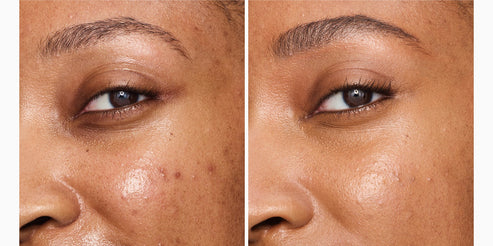
Yes, concealers can effectively cover dark circles when used correctly. They neutralize discoloration and brighten the under eye area. Proper shade matching and blending are key to natural-looking coverage and enhanced brightness.
Which Ingredients Help Reduce Under Eye Dark Circles?
Look for concealers with ingredients like vitamin C, hyaluronic acid, and caffeine. These brighten, hydrate, and reduce puffiness. Such ingredients improve skin texture and minimize dark circles over time with regular use.
Conclusion
Choosing the right concealer helps hide dark circles easily. It brightens your eyes and refreshes your face. Apply it gently for the best results. Remember to pick a shade that matches your skin tone. Practice makes perfect—try different techniques to find what suits you.
Healthy skin also reduces dark circles over time. A good concealer boosts your confidence every day. Simple steps can make a big difference in your look. Give your eyes the care they deserve.
