
Finding the right skincare routine can feel like solving a puzzle, especially when your skin is a mix of oily and dry areas. If you’re nodding along, you probably have combination skin.
Imagine having a skincare routine that finally balances your skin’s needs, leaving you with a radiant, healthy glow. Sounds perfect, right? Understanding combination skin can be a bit confusing, but it doesn’t have to be. This blog post is your guide to a simple and effective skincare routine tailored just for you.
Let’s dive in, and discover how you can achieve that flawless look you’ve always dreamed of. Your perfect skin is just a few steps away.
What Is Combination Skin
Combination skin is a mix of two or more skin types on the face. It usually means some areas are oily while others are dry or normal. This skin type needs special care to balance different needs. Understanding combination skin helps pick the right products and routine.
Characteristics Of Combination Skin
- Oily T-zone (forehead, nose, chin)
- Dry or normal cheeks
- Visible pores in oily areas
- Occasional shine on forehead and nose
- Flaky or rough patches on dry areas
- Breakouts mostly in oily zones
Common Challenges
- Balancing moisture without overloading skin
- Preventing shine while avoiding dryness
- Choosing products that suit both oily and dry parts
- Managing uneven texture and tone
- Dealing with breakouts and irritation simultaneously

Credit: www.omorovicza.co.uk
Key Ingredients To Look For
Choosing the right ingredients matters for combination skin care. This skin type needs balance. Ingredients must hydrate dry areas and control oil in others. Also, they should calm sensitive spots. Knowing key ingredients helps pick the best products. Below are important groups of ingredients for combination skin.
Hydrating Agents
Hydrating ingredients keep skin soft without feeling greasy. They add moisture to dry patches. Look for these:
- Hyaluronic Acid: Holds water to keep skin plump.
- Glycerin: Draws moisture into the skin.
- Aloe Vera: Soothes and hydrates gently.
- Squalane: Lightweight oil that mimics skin’s natural oils.
Oil Control Components
These ingredients reduce shine and prevent clogged pores. They keep oily zones clear and fresh. Common oil control agents include:
- Salicylic Acid: Gently exfoliates and clears pores.
- Niacinamide: Controls oil and reduces redness.
- Clay (Kaolin or Bentonite): Absorbs excess oil.
- Zinc PCA: Regulates sebum production.
Soothing Additives
Soothing ingredients calm irritation and reduce redness. They protect sensitive or stressed skin areas. Some soothing additives are:
- Chamomile Extract: Softens and calms skin.
- Allantoin: Promotes healing and soothes.
- Cucumber Extract: Refreshes and reduces puffiness.
- Panthenol (Vitamin B5): Hydrates and repairs skin barrier.
Daily Skincare Steps
Taking care of combination skin means balancing both oily and dry areas without overwhelming either. Your daily skincare routine should address these needs thoughtfully, helping your skin feel fresh, hydrated, and protected every day. Let’s break down the essential steps that keep your skin happy and balanced.
Cleansing Techniques
Cleansing is the foundation of your routine. Choose a gentle cleanser that removes dirt and excess oil without stripping moisture. Try using a foaming cleanser on oily zones like your T-zone and a cream-based one on drier cheeks.
Use lukewarm water and avoid harsh scrubbing. This prevents irritation and maintains your skin’s natural barrier. Ever noticed how over-cleansing can make your skin produce more oil? That’s a clear sign to adjust your technique.
Toning Tips
Toning helps refine pores and balance your skin’s pH. Pick an alcohol-free toner with soothing ingredients like witch hazel or rose water. Apply it gently with a cotton pad, focusing on oily areas but don’t forget the dry patches.
Consider toners that contain antioxidants or mild exfoliants like salicylic acid to keep clogged pores clear. Have you tried patting toner in instead of wiping? It often feels gentler and more hydrating.
Moisturizing Strategies
Moisturizing might seem tricky with combination skin, but it’s crucial. Use a lightweight, non-comedogenic moisturizer to hydrate dry spots without causing breakouts in oily areas. Gel-based or water-based formulas often work well.
If your skin feels tight after cleansing, add a bit more moisturizer to those dry areas. You can even apply a richer cream to cheeks and a lighter one to your forehead and nose. What’s your skin telling you about its hydration needs today?
Sun Protection
Sun protection is non-negotiable, no matter your skin type. Choose a broad-spectrum sunscreen with at least SPF 30 that doesn’t leave a greasy finish. Mineral sunscreens with zinc oxide or titanium dioxide tend to be less irritating for combination skin.
Apply sunscreen every morning, even on cloudy days or if you stay indoors most of the time. Did you know UV rays can penetrate windows? Protecting your skin daily prevents premature aging and keeps your complexion balanced.
Tailoring Your Routine For Balance
Finding the right balance in a combination skincare routine takes care and attention. Different skin areas need different care. Some parts may be oily, while others are dry or sensitive. Tailoring your routine can help each area stay healthy and comfortable. This approach prevents problems like irritation or excess oil. It also keeps your skin looking fresh and smooth.
Balancing Oily And Dry Areas
Use gentle cleansers that do not dry out your skin. Apply lightweight moisturizers on oily zones to avoid clogging pores. Use richer creams on dry patches to keep them hydrated. Avoid harsh scrubs that can irritate sensitive areas. Target each zone with products made for its needs. This keeps your skin balanced without overloading any part.
Spot Treatments
Spot treatments help address specific issues like pimples or redness. Use a small amount only on the affected area. Choose treatments with ingredients such as salicylic acid or benzoyl peroxide for acne. For redness or inflammation, try calming ingredients like aloe or chamomile. Apply treatments after cleansing but before moisturizing. This ensures better absorption and effectiveness.
Adjusting For Seasonal Changes
Skin changes with the seasons. Cold weather can dry out your skin. Hot weather may increase oil production. Switch to heavier moisturizers in winter for extra hydration. Use lighter, oil-free products in summer to reduce shine. Increase sunscreen use during sunny months to protect skin. Adjust your routine as needed to keep skin balanced all year.
Product Recommendations
Choosing the right products is key for a combination skincare routine. Products must balance oily and dry areas without causing irritation. Gentle, effective ingredients work best to maintain healthy skin.
Focus on lightweight formulas that hydrate without heaviness. Products with soothing elements help calm sensitive zones. Select items that support clear, smooth, and even skin texture.
Cleansers
- Gel-based cleansers remove excess oil and impurities gently.
- Cream or lotion cleansers hydrate dry areas without stripping moisture.
- Look for cleansers with mild ingredients like glycerin or aloe vera.
- Avoid harsh soaps that can irritate or dry out the skin.
Serums And Treatments
- Vitamin C serums brighten dull areas and even skin tone.
- Niacinamide reduces oil production and soothes redness.
- Hyaluronic acid serums deliver hydration to dry patches.
- Spot treatments with salicylic acid target breakouts without over-drying.
Moisturizers
- Choose lightweight, non-comedogenic moisturizers for oily zones.
- Cream-based moisturizers work well on dry, flaky patches.
- Products with ceramides help strengthen the skin barrier.
- Gel-cream formulas provide hydration without clogging pores.
Sunscreens
- Use broad-spectrum sunscreens with SPF 30 or higher daily.
- Mineral sunscreens with zinc oxide are gentle on sensitive skin.
- Opt for oil-free, mattifying sunscreens to control shine.
- Light, water-based formulas prevent pore blockage and discomfort.
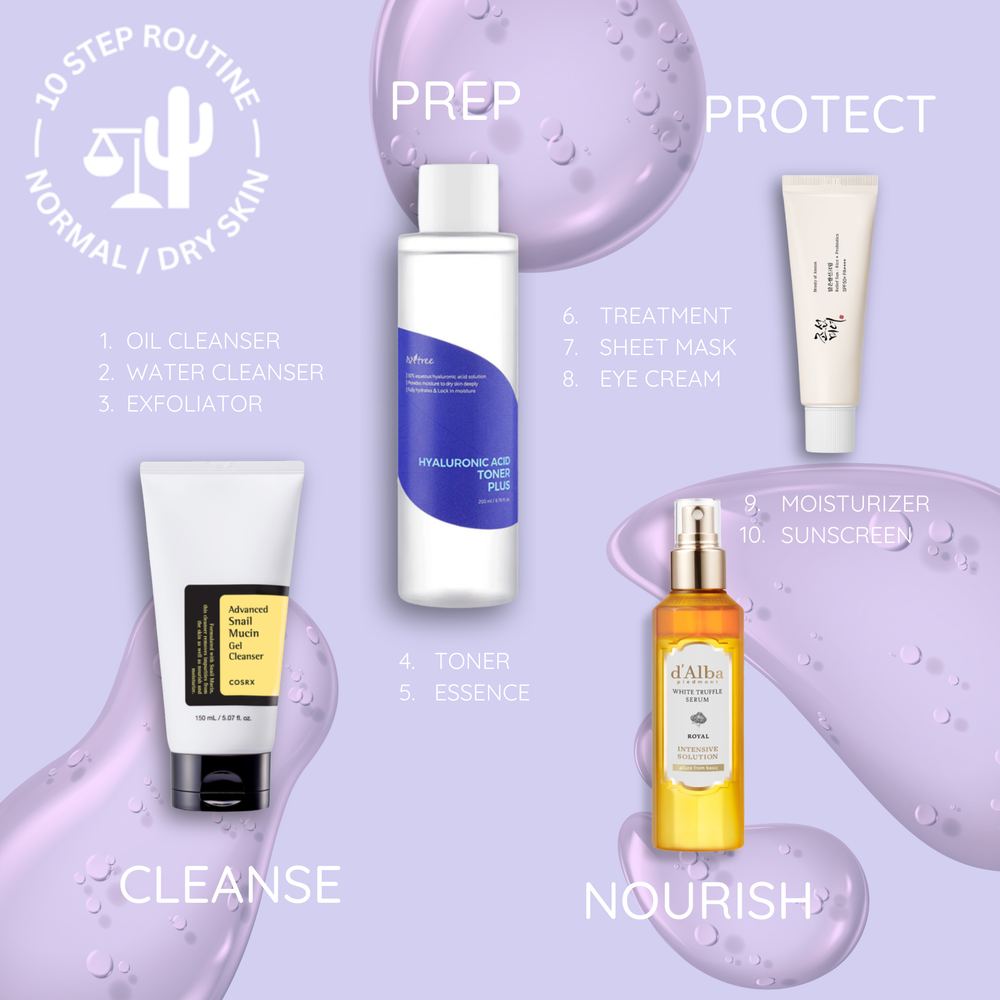
Credit: www.ooshtush.com
Lifestyle Factors Affecting Skin
Your skin reflects more than just the products you apply. It responds deeply to your daily habits and lifestyle choices. Understanding how these factors influence your skin can help you tailor a combination skincare routine that truly works for you.
Diet And Hydration
What you eat shows up on your skin. Foods rich in antioxidants, like berries and leafy greens, help fight skin damage. Meanwhile, sugary and processed foods can cause breakouts or dullness.
Drinking enough water is just as important. Hydration keeps your skin plump and elastic. Try to drink at least 8 glasses a day, and notice how your skin feels fresher and more radiant.
Stress Management
Stress affects your skin more than you might expect. When you’re stressed, your body releases hormones that can trigger acne and inflammation. Have you noticed how your skin acts up during tough times?
Simple stress relief techniques like deep breathing, short walks, or even listening to music can calm your skin down. Make stress management a part of your routine and watch your skin respond positively.
Sleep Quality
Quality sleep is a game changer for your skin. During deep sleep, your body repairs damaged cells and boosts collagen production. Skimping on sleep can leave your skin looking tired and dull.
Try to get 7-9 hours of restful sleep each night. Creating a calming bedtime ritual, like turning off screens early or using a gentle night cream, can help improve your skin’s overnight recovery.
Common Mistakes To Avoid
Managing a combination skincare routine can be tricky if you’re not careful. Many people unknowingly make mistakes that disrupt their skin’s balance, leading to irritation or ineffective results. Knowing which pitfalls to avoid can save you time and keep your skin looking its best.
Over-exfoliating
Exfoliation is key, but too much can cause more harm than good. Scrubbing your skin daily or using strong chemical exfoliants often can strip natural oils, leading to dryness and redness.
Ask yourself how your skin feels after exfoliating. If it’s tight or flaky, you might be overdoing it. Aim to exfoliate 1-2 times a week and pay attention to how your skin reacts.
Using Harsh Products
Combination skin needs gentle care, yet many reach for products with strong ingredients hoping to fix uneven areas quickly. This can backfire by triggering sensitivity or breakouts.
Choose products labeled for sensitive or combination skin and avoid those with high alcohol content or rough abrasives. Your skin will thank you by staying balanced and calm.
Ignoring Specific Skin Needs
Not all parts of your face behave the same, so treating your entire face with one product isn’t effective. For example, oily T-zones require different care than dry cheeks.
Try using lighter moisturizers or mattifying products on oily areas and richer creams on dry patches. Have you noticed certain spots on your face needing extra attention? Tailor your routine accordingly to see real improvements.
Credit: www.lemon8-app.com
Frequently Asked Questions
What Is A Combination Skincare Routine?
A combination skincare routine targets both oily and dry skin areas. It balances moisture and controls oil production. This routine uses gentle cleansers, lightweight moisturizers, and targeted treatments for each skin type. It keeps skin clear, hydrated, and healthy without causing irritation or dryness.
How Do I Identify Combination Skin?
Combination skin shows oily T-zone and dry cheeks. You may notice shine on your forehead, nose, and chin. Dryness or flakiness appears on your cheeks or jawline. This skin type needs products that address both oiliness and dryness effectively.
What Products Work Best For Combination Skin?
Use gentle, non-comedogenic cleansers and lightweight moisturizers. Gel-based or water-based products suit oily areas. Cream-based moisturizers work well on dry patches. Incorporate balancing toners and spot treatments to control oil and hydrate dry zones.
How Often Should I Follow A Combination Skincare Routine?
Follow your combination skincare routine twice daily: morning and night. Consistency helps regulate oil, hydrate dry areas, and improve skin texture. Adjust products seasonally to match changing skin needs and maintain balanced, healthy skin.
Conclusion
A combination skincare routine helps balance oily and dry skin well. Choose gentle products for different areas of your face. Cleanse, moisturize, and protect with sunscreen every day. Adjust your routine as your skin changes. Healthy skin needs care and patience.
Small daily steps bring better skin over time. Keep it simple and consistent for best results. Your skin will thank you.
