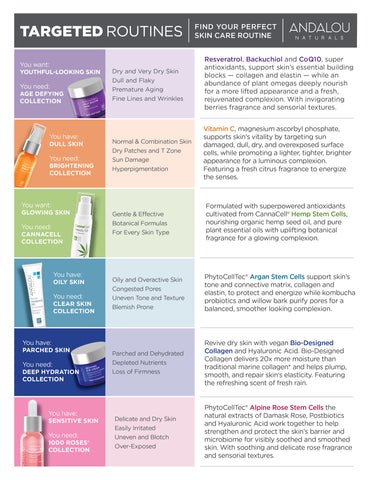
Navigating the world of skincare can be tricky, especially when your skin can’t make up its mind. If you’ve ever noticed your T-zone feeling oily while your cheeks remain dry, you’re dealing with combination skin.
This unique skin type requires a tailored approach to balance its dual nature. Imagine finally achieving smooth, glowing skin without the constant battle between dryness and oiliness. Intrigued? You’re not alone. Many are searching for that perfect combination skin skincare routine that delivers results.
We’ll unlock the secrets to crafting a routine that keeps your skin looking its best, no matter what. Ready to discover the path to a radiant complexion that feels as good as it looks? Let’s dive in!
Identifying Combination Skin
Combination skin shows different traits on various parts of the face. Some areas may feel oily, while others stay dry or normal. This mix can make choosing skincare products tricky. Knowing how to spot combination skin helps you pick the right routine.
Common Traits
- Oily T-zone: forehead, nose, and chin often shine.
- Dry or normal cheeks with little oil.
- Pores larger in oily areas, smaller on dry skin.
- Sometimes skin feels tight on cheeks but greasy on T-zone.
- Prone to occasional breakouts in oily zones.
Skin Type Test
Start with a clean face. Avoid creams or oils before the test.
Wait for one hour after washing your face.
Check your skin in natural light.
- Look for shine in the forehead, nose, and chin.
- Touch your cheeks to feel dryness or smoothness.
- Note if your skin feels tight or oily in different spots.
Combination skin shows oily areas mixed with dry or normal patches. This test helps confirm your skin type. Adjust your skincare to balance these zones well.

Credit: sokoglam.com
Key Challenges Of Combination Skin
Dealing with combination skin means balancing two very different skin types on one face. You might find your forehead and nose shine with oil, while your cheeks feel tight and flaky. This mix can make choosing the right products tricky and sometimes frustrating.
Oily Zones
Your T-zone, which includes the forehead, nose, and chin, tends to produce more oil. This can lead to clogged pores and breakouts if not managed properly.
Simply washing more often might seem like a solution, but over-cleansing can trigger even more oil production. Instead, try gentle cleansers and lightweight moisturizers that control shine without stripping your skin.
Dry Patches
Dry areas usually appear on the cheeks and around the eyes. These patches can feel uncomfortable and look flaky, especially in cold or dry weather.
Using heavy creams on oily zones might cause breakouts, but skipping moisture can worsen dryness. You need targeted hydration—lighter products on oily spots and richer creams for dry patches.
Cleansing Tips For Balanced Skin
Maintaining balanced skin needs a careful cleansing routine. Combination skin has both oily and dry areas. Cleansing helps remove dirt, oil, and impurities without causing dryness or irritation. The right cleansing approach keeps your skin fresh and comfortable all day.
Gentle Cleansers
Choose mild cleansers that do not strip natural oils. Look for products labeled “gentle” or “for sensitive skin.” Avoid harsh soaps and strong chemicals. Ingredients like glycerin and aloe vera soothe skin while cleansing. Gel or cream-based cleansers work well for combination skin types.
Frequency And Timing
Cleanse your face twice daily—morning and night. Morning cleansing removes sweat and oils from sleep. Evening cleansing clears away makeup and pollution. Over-cleansing can dry out skin and cause irritation. Stick to a consistent routine for balanced skin health.

Credit: parade.com
Exfoliation Strategies
Exfoliation is a key step in managing combination skin, but it requires careful attention. The goal is to remove dead skin cells without upsetting the delicate balance between oily and dry areas. Choosing the right exfoliation method can make a noticeable difference in how your skin looks and feels.
Chemical Vs Physical Exfoliants
Chemical exfoliants use ingredients like AHAs (alpha hydroxy acids) and BHAs (beta hydroxy acids) to dissolve dead skin cells gently. They are great for reaching into pores, especially in oily zones, without the scrubbing that can irritate dry patches.
Physical exfoliants rely on small particles or tools to manually buff away dead skin. While they can give an immediate smooth feel, they might be too harsh for sensitive or dry areas on combination skin.
Have you noticed that some scrubs leave your skin feeling tight or red? That’s often a sign that physical exfoliation may be too aggressive for your skin type. Chemical exfoliants tend to be more even and less irritating if used correctly.
Safe Exfoliation Routine
Start slow to see how your skin reacts. Twice a week is usually enough for combination skin to avoid over-exfoliating.
Focus chemical exfoliants on oilier areas like your T-zone, and be gentle or skip exfoliation on dry or sensitive patches. Consider products with lower acid concentrations—around 5-10% for AHAs and 1-2% for BHAs—to minimize irritation.
Always follow up with a moisturizer to help restore your skin barrier. And never forget sunscreen the next day; exfoliation can make your skin more sensitive to sunlight.
Are you paying attention to how your skin feels after exfoliation? Adjusting frequency or product type based on your skin’s response is essential for a balanced, healthy complexion.
Moisturizing Approaches
Moisturizing is key for combination skin. It balances oily and dry areas without causing shine or flakiness. Choosing the right moisturizer keeps skin soft and healthy all day. The goal is light hydration in oily parts and richer care where the skin feels dry.
Lightweight Moisturizers
Lightweight moisturizers work well for oily and normal zones. They absorb quickly and do not clog pores. Look for gel or water-based formulas with ingredients like hyaluronic acid or glycerin. These keep skin hydrated without heaviness or greasiness.
They control shine and maintain moisture balance. Use them on the forehead, nose, and chin where oil tends to build up. These moisturizers help prevent breakouts and keep skin feeling fresh.
Targeted Hydration
Dry patches need more attention and richer creams. Use thicker moisturizers or creams on cheeks and other dry spots. Ingredients like ceramides, shea butter, or squalane provide deep nourishment.
Apply these moisturizers only on dry areas to avoid excess oiliness elsewhere. This approach helps skin feel smooth without looking oily. Targeted hydration keeps every part of the face comfortable and healthy.
Sun Protection Essentials
Sun protection is a must-have in your combination skin skincare routine. It shields your skin from harmful UV rays that can cause damage, premature aging, and uneven skin tone. Understanding how to choose and apply SPF properly ensures your skin stays healthy without feeling greasy or dry.
Choosing The Right Spf
Not all sunscreens work the same, especially if you have combination skin. Look for a broad-spectrum SPF of at least 30 to protect against both UVA and UVB rays.
Choose a formula labeled “non-comedogenic” to avoid clogged pores in oily areas. Gel-based or water-based sunscreens often feel lighter and won’t add extra shine to your T-zone.
Have you tried mineral sunscreens? Ingredients like zinc oxide and titanium dioxide provide a physical barrier without irritating sensitive patches.
Application Tips
Applying sunscreen correctly can be tricky when your skin has dry and oily areas. Start with a small amount and gently pat it onto your face to avoid rubbing off your moisturizer or makeup.
Don’t forget often-missed spots like your ears, neck, and the area around your hairline. Reapply every two hours if you’re outdoors, and after swimming or sweating.
Using your fingers for application helps you feel where the product settles, allowing you to add more on drier patches without overloading oily zones.
Makeup Tips For Combination Skin
Getting your makeup right with combination skin can feel like a balancing act. You want to keep the oily areas under control without drying out the dry patches. The right products and techniques make all the difference in how your makeup looks and lasts throughout the day.
Primer Selection
Choosing the right primer is key to managing combination skin. Look for a formula that mattifies the oily T-zone but hydrates the drier cheeks. Some primers even have dual-action formulas designed specifically for combination skin.
Try applying a mattifying primer on your forehead, nose, and chin, and a hydrating primer on the drier areas. This targeted approach keeps your skin balanced and helps your makeup stay put longer. Have you noticed how applying primer unevenly can make your foundation slide off or cake?
Foundation Choices
Picking a foundation that suits both oily and dry areas can be tricky. Lightweight, buildable foundations work best because they won’t clog pores or emphasize dry patches. A satin or natural finish foundation often gives the most flattering look for combination skin.
Consider using a foundation with oil-controlling ingredients for your T-zone, and blend a more moisturizing one on the cheeks if needed. Using a damp makeup sponge helps blend seamlessly, preventing cakey spots. What’s your favorite foundation trick that keeps your skin looking fresh all day?
Lifestyle Factors Impacting Skin
Your skin’s health goes beyond just the products you apply. Lifestyle choices play a huge role in how your combination skin looks and feels. Understanding these factors can help you manage oily and dry areas more effectively, making your skincare routine truly work for you.
Diet And Hydration
What you eat directly affects your skin’s balance. Foods high in sugar and processed fats can cause breakouts in oily zones while leaving dry patches flaky and irritated. On the other hand, eating plenty of fruits, vegetables, and healthy fats nourishes your skin from the inside out.
Drinking enough water is equally important. Hydration helps keep dry areas soft and reduces excess oil production. If you’ve ever noticed your skin feeling tight and flaky after skipping water all day, you know how crucial this is.
Stress Management
Stress can make combination skin harder to control. When you’re stressed, your body releases hormones that boost oil production and trigger inflammation. This can worsen breakouts on your oily areas and increase dryness or sensitivity elsewhere.
Simple stress-relief habits like deep breathing, regular exercise, or even a few minutes of quiet time can help keep your skin calmer. Have you noticed your skin reacting after a stressful day? That’s your body telling you to slow down.
Product Recommendations
Choosing the right products makes a big difference for combination skin. This skin type needs balance. You want to nourish dry areas and control oily zones. The right products help keep skin clear and smooth without irritation.
Best Serums
- Hyaluronic Acid Serum: Hydrates dry patches without clogging pores.
- Niacinamide Serum: Controls oil and reduces redness effectively.
- Vitamin C Serum: Brightens skin and evens out tone.
- Salicylic Acid Serum: Gently exfoliates and prevents breakouts.
- Peptide Serum: Supports skin firmness and repair.
Effective Masks
- Clay Masks: Absorb excess oil in the T-zone.
- Hydrating Gel Masks: Soothe and moisturize dry areas deeply.
- Charcoal Masks: Detoxify and clear pores without drying skin.
- Sheet Masks with Aloe Vera: Calm irritation and add moisture.
- Exfoliating Enzyme Masks: Remove dead skin cells gently.

Credit: www.omorovicza.co.uk
Frequently Asked Questions
What Is The Best Cleanser For Combination Skin?
Use a gentle, foaming cleanser that balances oil and dryness. It should remove impurities without stripping moisture. Avoid harsh ingredients that irritate dry areas or clog oily zones. Look for non-comedogenic, sulfate-free formulas designed for combination skin types.
How Often Should I Moisturize Combination Skin?
Moisturize twice daily, morning and night. Use a lightweight, oil-free moisturizer on oily zones. Apply a richer cream on dry patches. This balanced approach hydrates without causing excess shine or dryness, maintaining skin’s natural moisture levels effectively.
Can Exfoliation Help Combination Skin?
Yes, exfoliation removes dead skin cells and unclogs pores. Use a gentle chemical exfoliant 1-2 times per week. Avoid harsh scrubs that irritate sensitive areas. Regular exfoliation promotes smooth, radiant skin and balances the combination skin type.
Should I Use Toner In Combination Skin Routine?
Yes, use an alcohol-free toner to balance pH and control oil. Apply it after cleansing to refresh skin and tighten pores. Choose toners with soothing ingredients like witch hazel or rose water to avoid irritation.
Conclusion
Caring for combination skin needs balance and gentle care. Choose products that hydrate dry areas and control oiliness. Cleanse your face twice daily to keep it fresh. Use lightweight moisturizers that don’t clog pores. Exfoliate regularly but avoid harsh scrubs.
Protect your skin with sunscreen every day. Stick to a simple routine for best results. Healthy skin feels comfortable and looks bright. Consistency is key to managing combination skin well. Your skin will thank you for the right care.
