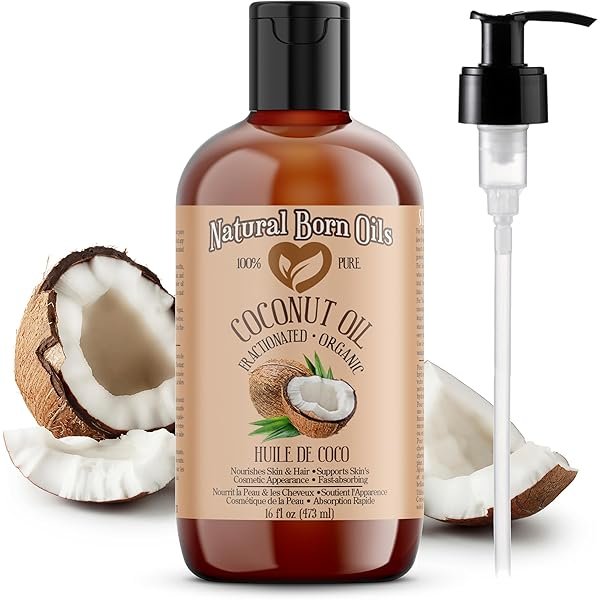
Have you ever wondered why coconut oil is making waves in the skincare world? If you’re searching for a natural, effective way to hydrate and nourish your skin, you’re in for a treat.
Coconut oil, with its rich, creamy texture and soothing properties, is not just a kitchen staple but a powerful skin moisturizer. Imagine transforming your skincare routine with a single, natural ingredient that not only promises to hydrate but also leaves your skin glowing and rejuvenated.
Get ready to discover how coconut oil can become your skin’s best friend and why it might just be the secret weapon your skincare routine has been missing. Curious? Read on to uncover the magic of coconut oil as a skin moisturizer.

Credit: www.amazon.com
Benefits Of Coconut Oil For Skin
Coconut oil has become a favorite for many looking to improve their skin health naturally. Its unique composition offers several benefits that go beyond basic moisturization. If you want to understand why coconut oil might be the next essential item in your skincare routine, let’s break down its key advantages.
Natural Hydration Properties
Coconut oil is excellent at locking in moisture. Its fatty acids create a barrier on your skin, preventing water loss and keeping your skin soft throughout the day.
If you struggle with dry patches, applying coconut oil can soothe and hydrate without feeling greasy. Have you noticed how some moisturizers leave your skin oily? Coconut oil absorbs quickly, making it a practical option for daily use.
Rich In Antioxidants
Antioxidants protect your skin from damage caused by free radicals found in pollution and UV rays. Coconut oil contains vitamin E and other antioxidants that help reduce premature aging signs like wrinkles and fine lines.
Using coconut oil regularly can support your skin’s repair process. Would you like a simple way to maintain youthful skin without expensive treatments? This might be it.
Antibacterial And Anti-inflammatory Effects
Coconut oil naturally fights bacteria and reduces inflammation. This makes it helpful for calming irritated skin and preventing acne breakouts.
If you’ve dealt with redness or minor skin infections, applying coconut oil might ease discomfort and speed up healing. How often do you find a moisturizer that also helps keep your skin clear?
How Coconut Oil Moisturizes Skin
Coconut oil is more than just a kitchen staple; it’s a powerful skin moisturizer that works in several unique ways. Understanding how it nourishes your skin can help you decide if it fits your skincare routine. Let’s look at how coconut oil interacts with your skin to keep it soft and hydrated.
Penetration Into Skin Layers
Coconut oil contains fatty acids like lauric acid that easily absorb into the skin. This quick penetration reaches the deeper layers, not just sitting on the surface. When it sinks in, it nourishes your skin cells directly, which can improve softness and elasticity.
Think about applying lotion that just feels greasy versus one that sinks in. Coconut oil’s ability to penetrate means it avoids that heavy, sticky feeling many dislike. Have you noticed how some oils sit on your skin while others disappear? Coconut oil tends to be the latter.
Sealing In Moisture
Once coconut oil enters your skin, it forms a thin barrier that locks in moisture. This barrier stops water from evaporating, which is key for maintaining hydration throughout the day. If your skin often feels dry after washing or in cold weather, coconut oil can help keep moisture where it belongs.
Sealing moisture doesn’t mean clogging pores or causing breakouts for everyone. If you have oily or acne-prone skin, test a small patch first. For many people, this sealing effect means fewer dry patches and less flaky skin.
Improving Skin Barrier Function
Your skin barrier acts like a shield against irritants, pollution, and bacteria. Coconut oil supports this barrier by supplying essential fatty acids that repair and strengthen it. When your barrier is healthy, your skin is less likely to become irritated or inflamed.
Imagine your skin barrier as a brick wall; coconut oil helps fill in the cracks and weak spots. Using it regularly can lead to more resilient skin that recovers faster from dryness or damage. Have you ever noticed your skin feels more balanced after using coconut oil consistently?
Choosing The Right Coconut Oil
Choosing the right coconut oil is important for your skin’s health. Different types of coconut oil offer various benefits. Knowing what to pick helps keep your skin soft and nourished. Quality and processing affect how well the oil works as a moisturizer.
Virgin Vs Refined Coconut Oil
Virgin coconut oil is made from fresh coconut meat. It keeps most of its natural nutrients and scent. This oil is gentle and good for sensitive skin. Refined coconut oil is processed to remove smell and taste. It has a longer shelf life but fewer nutrients. For skin care, virgin oil is often the better choice.
Organic And Cold-pressed Options
Organic coconut oil comes from coconuts grown without chemicals. It is cleaner and safer for your skin. Cold-pressed oil is made by pressing the coconut meat without heat. This method keeps more vitamins and antioxidants. Organic and cold-pressed oils protect skin better and reduce irritation.
Storage Tips For Freshness
- Store coconut oil in a cool, dark place.
- Keep the lid tightly closed to avoid contamination.
- Use a clean spoon to take out the oil.
- Avoid storing it near heat or sunlight.
- Proper storage keeps the oil fresh and effective longer.
Application Tips For Best Results
Applying coconut oil as a skin moisturizer requires simple yet effective steps. Proper use helps the skin absorb the oil better and enhances its benefits. Understanding your skin type and combining coconut oil with other products can improve results.
Ideal Skin Types For Coconut Oil
Coconut oil works best for dry and normal skin types. It deeply nourishes and locks in moisture. Those with oily or acne-prone skin should use it sparingly. Coconut oil can clog pores for sensitive skin, causing breakouts. Testing on a small skin patch is wise before regular use.
How To Apply For Maximum Absorption
- Apply coconut oil on clean, slightly damp skin.
- Warm a small amount between your palms.
- Gently massage the oil in circular motions.
- Focus on dry or rough areas for extra care.
- Allow a few minutes for full absorption before dressing.
Combining With Other Skincare Products
Use coconut oil after lighter, water-based products. Apply serums or toners first to let them penetrate. Seal moisture by applying coconut oil last. Avoid mixing with heavy creams to prevent greasiness. Combining with aloe vera gel soothes and hydrates skin well.
Potential Side Effects And Precautions
Coconut oil is popular as a natural skin moisturizer. It nourishes and hydrates the skin deeply. Despite its benefits, some people may face side effects. Knowing the risks and taking precautions helps avoid skin problems. This section explains possible side effects and safety tips.
Allergic Reactions
Some people may develop allergic reactions to coconut oil. Symptoms include redness, itching, and swelling. Rash or hives can appear in sensitive areas. Severe reactions are rare but possible. Stop using coconut oil if any irritation occurs. Consult a doctor if symptoms worsen or persist.
Comedogenic Concerns
Coconut oil has a comedogenic rating of 4, which means it can clog pores. People with oily or acne-prone skin should be cautious. Using coconut oil may cause breakouts or worsen acne. It works better for dry or normal skin types. Watch for signs of increased oiliness or pimples after use.
Patch Testing Before Use
Patch testing is a simple way to check for allergies. Apply a small amount of coconut oil on the inner wrist or elbow. Wait 24 to 48 hours and observe any reaction. No redness, itching, or swelling means it is safe to use. Patch testing reduces the risk of skin problems later on.
Credit: uk.palmers.com
Diy Coconut Oil Moisturizer Recipes
Making your own coconut oil moisturizer is simple and cost-effective. You can customize it to fit your skin type and preferences. These DIY recipes use natural ingredients that hydrate and nourish the skin deeply. Each blend offers unique benefits to keep your skin soft and smooth.
Simple Coconut Oil Blend
This basic recipe uses pure coconut oil for quick hydration. Coconut oil melts easily and absorbs well into the skin.
- Take 2 tablespoons of virgin coconut oil.
- Warm it slightly until it becomes liquid.
- Apply a small amount directly to your skin.
- Massage gently until fully absorbed.
This blend suits all skin types and works great as a daily moisturizer.
Coconut Oil With Essential Oils
Adding essential oils boosts the scent and skin benefits of coconut oil.
- Mix 2 tablespoons of coconut oil with 3-5 drops of lavender or tea tree oil.
- Stir well to combine the oils evenly.
- Apply to skin areas that need extra care or relaxation.
This mix helps soothe irritated skin and leaves a pleasant aroma.
Mixing With Shea Butter Or Aloe Vera
Combine coconut oil with shea butter or aloe vera for enhanced moisture and healing.
- Blend 1 tablespoon of coconut oil with 1 tablespoon of shea butter or aloe vera gel.
- Whip the mixture until smooth and creamy.
- Store in a clean jar and apply as needed.
This recipe is perfect for dry, sensitive, or damaged skin. It helps restore softness and calm irritation.
Comparing Coconut Oil With Other Moisturizers
Coconut oil is a popular choice for skin moisturizing. Many compare it to other moisturizers to find the best option. Understanding how it stacks up against commercial creams and other oils helps make better skincare choices.
Coconut Oil Vs Commercial Creams
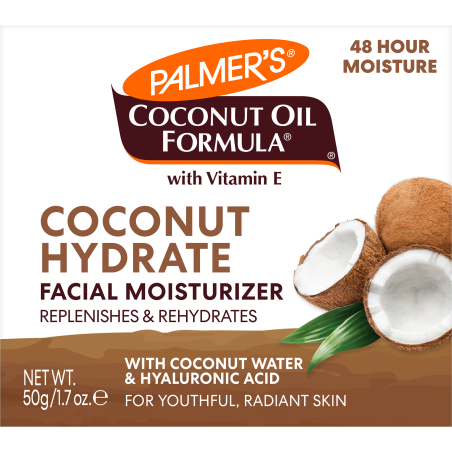
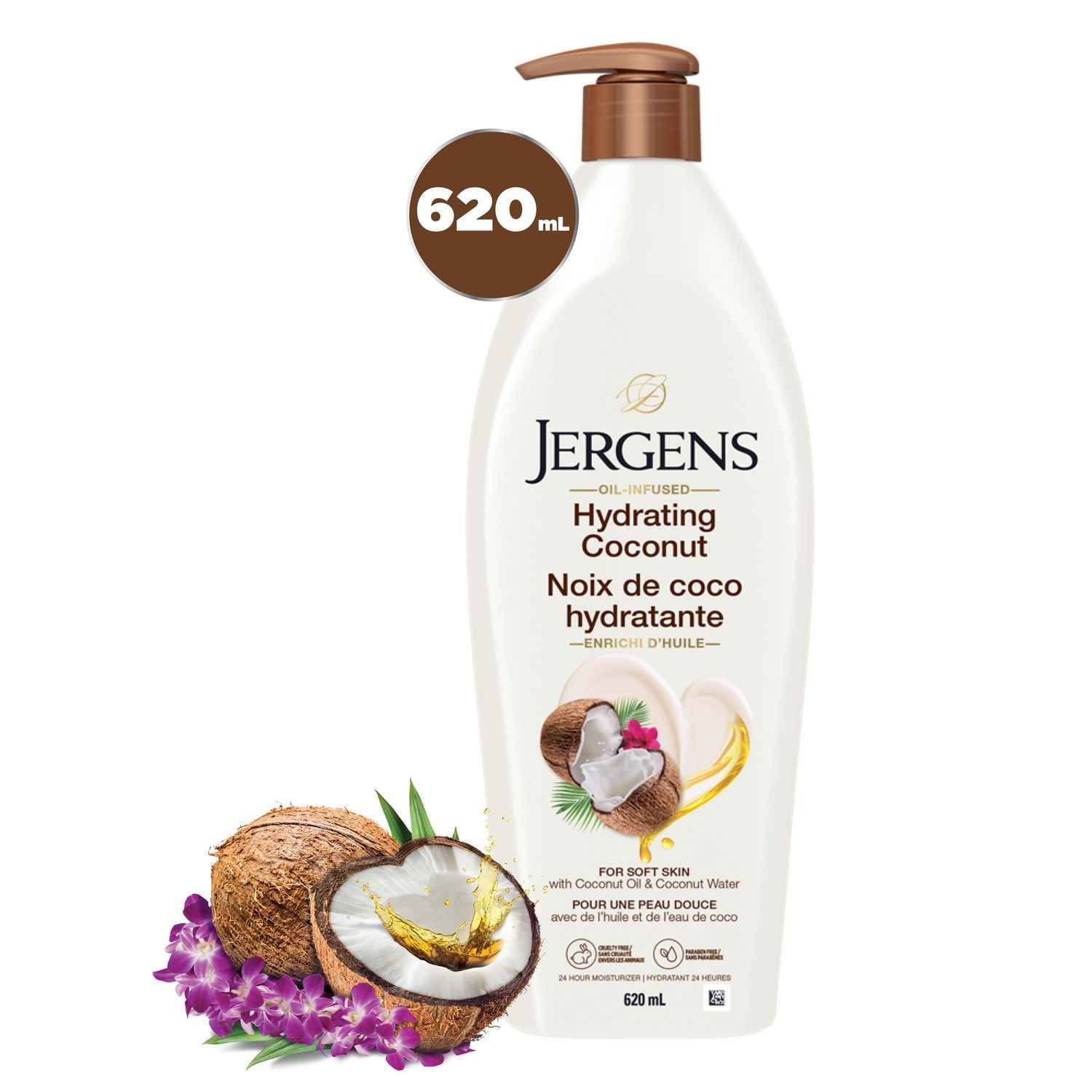
Coconut oil is natural and contains fatty acids that nourish skin deeply. Commercial creams often have added chemicals and preservatives. These can sometimes irritate sensitive skin. Coconut oil absorbs quickly and leaves a smooth finish. Creams may feel heavier or greasy. Some creams offer extra benefits like SPF or anti-aging ingredients. Coconut oil focuses mainly on hydration and softness. Many people prefer coconut oil for gentle, everyday use.
Natural Oils Vs Synthetic Ingredients
Natural oils like coconut oil have vitamins and antioxidants. These help protect skin from damage. Synthetic ingredients in some products may cause allergies or dryness. Natural oils work with the skin’s chemistry. Synthetic ingredients can block pores or cause build-up. Choosing natural oils reduces exposure to harsh chemicals. This supports healthier skin over time. Coconut oil is simple and pure, making it a safe option.
Cost And Availability
Coconut oil is widely available and affordable. It can be bought in most stores or online. Commercial creams vary in price, often costing more. Some creams require frequent repurchase due to small container sizes. Coconut oil comes in larger amounts for less money. This makes it budget-friendly for daily use. Its long shelf life adds to its value. Easy access and low cost make coconut oil a practical choice.
Credit: www.walmart.ca
Frequently Asked Questions
What Are The Benefits Of Coconut Oil As A Skin Moisturizer?
Coconut oil deeply hydrates and nourishes the skin. It contains fatty acids that lock in moisture. It also has antibacterial and anti-inflammatory properties. This helps soothe dry, irritated skin and improves overall skin texture.
How To Use Coconut Oil For Moisturizing Skin?
Apply a small amount of coconut oil to clean, damp skin. Gently massage it until fully absorbed. Use it daily, especially after bathing, for best hydration. Avoid applying too much to prevent a greasy feel.
Is Coconut Oil Suitable For All Skin Types?
Coconut oil works well for dry and normal skin. However, it may clog pores for oily or acne-prone skin. Always do a patch test before full use. Consult a dermatologist if you have sensitive skin concerns.
Can Coconut Oil Replace Commercial Moisturizers?
Yes, coconut oil can be a natural alternative to commercial moisturizers. It provides effective hydration without synthetic chemicals. However, some may prefer store-bought products for specific skin needs or fragrance preferences.
Conclusion
Coconut oil works well as a natural skin moisturizer. It helps keep your skin soft and smooth. Regular use can reduce dryness and irritation. Many people enjoy its gentle, soothing feel. It is simple to add to your daily routine.
Try it and see how your skin feels. Nature offers easy ways to care for your skin. Coconut oil is one of those simple choices. Give your skin the care it deserves.
