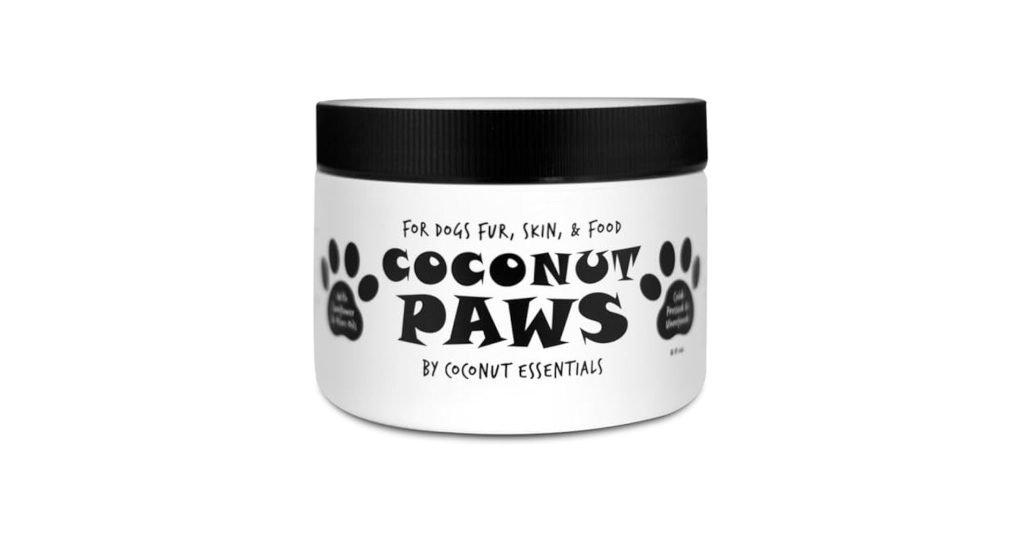
Is your furry friend constantly scratching or suffering from dry, flaky skin? You might have tried different remedies, but nothing seems to work.
Enter coconut oil—a natural solution that could transform your dog’s skin health. This miracle oil isn’t just a kitchen staple; it’s a powerhouse of benefits for your dog’s skin, too. Imagine your dog with a soft, shiny coat and relief from irritating skin issues.
You’re about to discover how this simple oil can make a big difference. Keep reading to find out how coconut oil can become your go-to remedy for your dog’s skin problems, and why it could be the game-changer you’ve been searching for.
Benefits Of Coconut Oil For Dogs
Coconut oil offers multiple benefits for your dog’s skin that you might not have considered before. It’s not just a trendy supplement but a natural option that can improve your pet’s comfort and appearance. Adding coconut oil to your dog’s routine can make a noticeable difference in how their skin and coat feel and look.
Boosting Skin Health
Coconut oil is rich in fatty acids that help nourish and moisturize your dog’s skin. If your dog has dry or flaky skin, applying coconut oil can soothe irritation and speed up healing. Many pet owners notice fewer hot spots and less redness after regular use.
Enhancing Fur Shine
Your dog’s coat can become dull due to environmental factors or diet. Coconut oil adds a natural shine that makes the fur look healthy and vibrant. Just a small amount rubbed into the coat can transform dull fur into a glossy, soft coat that feels great to touch.
Fighting Infections
One surprising benefit is coconut oil’s natural antibacterial and antifungal properties. It can help protect your dog’s skin from infections caused by bacteria or yeast. Using coconut oil on minor cuts or irritated areas can reduce the risk of infection and speed recovery.
Reducing Itchiness And Allergies
Does your dog scratch a lot or suffer from allergies? Coconut oil can calm itchy skin and reduce allergic reactions by soothing inflammation. Many dog owners find that applying coconut oil regularly cuts down on scratching and helps their pet feel more comfortable.

Credit: www.amazon.com
How Coconut Oil Works On Dog Skin
Coconut oil benefits dog skin in many ways. It acts on the skin to soothe, protect, and nourish. Understanding how it works helps pet owners use it wisely. This natural oil has properties that support skin health and healing.
Antibacterial And Antifungal Properties
Coconut oil contains lauric acid, which fights bacteria and fungi. It helps reduce infections and skin irritations. Applying it can calm redness and prevent harmful microbes from growing. This keeps your dog’s skin cleaner and safer.
Moisturizing Effects
The oil deeply hydrates dry and flaky skin. It forms a protective layer that locks in moisture. This prevents itching and cracking, making the skin softer. Regular use keeps your dog’s coat shiny and smooth.
Nutrient Absorption
Coconut oil helps the skin absorb nutrients better. It improves the delivery of vitamins and minerals to skin cells. This supports faster healing and stronger skin barriers. Healthy skin resists damage and stays balanced over time.
Choosing The Right Coconut Oil
Choosing the right coconut oil for your dog’s skin is important. The quality of the oil affects its safety and effectiveness. Not all coconut oils are the same. Picking the best type helps protect your pet’s skin and promotes healing.
Organic Vs. Refined Coconut Oil
Organic coconut oil comes from coconuts grown without chemicals. It keeps natural nutrients that help your dog’s skin. Refined coconut oil goes through processing. It may lose some beneficial properties. Organic oil is usually better for sensitive skin. It has fewer additives and is less likely to cause irritation.
Cold-pressed Benefits
Cold-pressed coconut oil is made without heat. This method keeps vitamins and antioxidants intact. These nutrients support skin health and reduce inflammation. Heat-processed oils lose many of these good qualities. Cold-pressed oil is thicker and smells more natural. It can be more effective for dry or itchy skin.
Safe Brands For Pets
Choose brands that test their products for purity. Look for coconut oil labeled safe for pets. Some oils contain additives not good for dogs. Brands with clear ingredient lists are more trustworthy. Always select oils free from preservatives and chemicals. This reduces the risk of skin reactions. Your dog deserves the best care with safe products.

Credit: www.amazon.com
Methods To Apply Coconut Oil
Applying coconut oil to your dog’s skin can be done in several effective ways. Each method targets different benefits, whether soothing irritated skin or improving overall health. Understanding these options will help you choose the best approach for your furry friend.
Topical Application Techniques
Applying coconut oil directly to your dog’s skin is a simple way to relieve dryness or irritation. Start by warming a small amount of oil in your hands until it melts, then gently massage it into the affected areas. This not only moisturizes but also promotes better blood circulation.
For stubborn dry patches, you can use a soft cloth or cotton ball soaked in coconut oil and dab the area carefully. Avoid over-application as too much oil can make the fur greasy and attract dirt. Have you noticed your dog licking the area afterward? That’s a sign they enjoy the soothing sensation.
Adding Coconut Oil To Diet
Feeding coconut oil to your dog supports skin health from the inside out. Mix a small amount into their regular food to help improve coat shine and reduce inflammation. Many dog owners see noticeable improvements within a few weeks.
Start with a tiny spoonful to prevent any digestive upset, then gradually increase if your dog tolerates it well. Have you tried adding coconut oil to your dog’s meals yet? It can be a tasty and beneficial treat they look forward to.
Recommended Dosage
| Dog Weight | Daily Coconut Oil Amount |
|---|---|
| Under 10 lbs | 1/4 teaspoon |
| 10 – 30 lbs | 1/2 teaspoon |
| 30 – 50 lbs | 1 teaspoon |
| Over 50 lbs | 1 to 1.5 teaspoons |
Stick to these guidelines to avoid overfeeding coconut oil, which could lead to digestive issues like diarrhea. Always observe your dog after introducing coconut oil and adjust the amount if needed. What signs do you watch for when trying a new supplement with your dog?
Precautions And Potential Side Effects
Using coconut oil on your dog’s skin can offer many benefits, but it’s important to stay aware of possible risks. Not every dog reacts the same way, and some precautions can help you avoid unwanted issues. Keeping an eye on your dog’s response and knowing when to seek professional advice will keep your pet safe and comfortable.
Allergic Reactions To Watch For
Some dogs may be allergic to coconut oil, even if it seems natural and harmless. Watch for signs like redness, itching, swelling, or hives after applying the oil. If your dog starts scratching more or shows any unusual skin changes, stop using the oil immediately.
It’s a good idea to test a small amount on a tiny patch of skin before full use. This simple step can save your dog from discomfort and you from frustration.
Avoiding Overuse
Applying too much coconut oil can cause greasy fur and clogged pores, which might lead to skin infections. A thin layer is usually enough to moisturize without overwhelming your dog’s skin. Pay attention to how your dog’s coat feels and adjust the amount accordingly.
Remember, more isn’t always better. Overdoing it can turn a helpful treatment into a problem.
Consulting Your Veterinarian
Before adding coconut oil to your dog’s skin care, check with your veterinarian. They can advise if it’s suitable based on your dog’s health and any current skin conditions. Your vet might also suggest the best way to apply it or recommend alternatives if coconut oil isn’t right for your pet.
Have you ever tried a new product on your dog without a vet’s advice? How did it go? Sometimes, professional guidance can prevent unexpected issues and keep your dog’s skin healthy.
Diy Coconut Oil Recipes For Dogs
Coconut oil is a versatile natural product for dogs’ skin care. It helps soothe irritation, repel pests, and improve coat health. Making your own coconut oil recipes at home is simple. These recipes use safe ingredients to nourish your dog’s skin and fur.
Homemade Skin Soothers
Mix coconut oil with natural ingredients to calm dry or itchy skin. Use a small bowl for mixing:
- 2 tablespoons of coconut oil
- 1 tablespoon of aloe vera gel
- 1 teaspoon of chamomile tea (cooled)
Combine all ingredients well. Apply gently to affected areas. Let your dog rest while the mixture soaks in. This helps reduce redness and dryness.
Natural Flea Repellent Mix
Create a safe flea repellent using coconut oil and essential oils. Use caution and avoid oils harmful to dogs.
- 3 tablespoons of coconut oil
- 5 drops of lavender essential oil
- 5 drops of cedarwood essential oil
Mix oils thoroughly. Massage lightly into your dog’s fur. This natural mix discourages fleas without harsh chemicals.
Fur Conditioning Treatments
Keep your dog’s coat shiny and soft with a coconut oil conditioner. Follow these steps:
- Warm 2 tablespoons of coconut oil until liquid
- Brush your dog’s fur to remove tangles
- Apply coconut oil evenly over the coat
- Leave on for 15 to 20 minutes
- Rinse with warm water and mild dog shampoo
This treatment boosts moisture and improves fur texture. Regular use promotes a healthy, glossy coat.
Real-life Success Stories
Many dog owners have shared their positive experiences using coconut oil on their pets’ skin. These stories show how this natural product can help dogs in different ways. From softer fur to relief from itchy skin, coconut oil has made a difference.
Improved Coat Texture
Owners noticed their dogs’ coats became shinier and softer. The fur looked healthier and had less shedding. Coconut oil helped restore moisture, making the coat smooth to touch. Dogs with dull or rough fur showed visible improvements in just a few weeks.
Relief From Skin Conditions
Some dogs suffered from dry, flaky, or irritated skin. Applying coconut oil reduced redness and itching quickly. It worked as a natural moisturizer and helped heal minor wounds. Many owners reported fewer hot spots and less scratching after using coconut oil regularly.
Enhanced Overall Health
Coconut oil also boosted dogs’ general well-being. It improved digestion and increased energy levels in some cases. The natural fatty acids supported the immune system, helping dogs stay healthier. Regular use of coconut oil contributed to a happier, more active pet.

Credit: www.amazon.com
Frequently Asked Questions
Can Coconut Oil Improve My Dog’s Skin Health?
Yes, coconut oil can moisturize and soothe dry, itchy skin in dogs. It contains fatty acids that promote skin healing and reduce inflammation, improving overall skin health.
How Do I Apply Coconut Oil To My Dog’s Skin?
Apply a small amount of coconut oil directly to your dog’s skin or fur. Massage gently to ensure even coverage and absorption. Use it 2-3 times a week for best results.
Is Coconut Oil Safe For Dogs With Allergies?
Coconut oil is generally safe for dogs with allergies, but test a small area first. If irritation occurs, discontinue use. Consult your vet before adding it to your dog’s skincare routine.
Can Coconut Oil Help With Dog Skin Infections?
Coconut oil has natural antibacterial and antifungal properties that may help fight minor skin infections. However, severe infections require veterinary treatment and should not rely solely on coconut oil.
Conclusion
Coconut oil can help keep your dog’s skin healthy and soft. It soothes dryness and may reduce itchiness. Use it in small amounts to avoid problems. Watch your dog for any signs of allergy. Natural care like this supports your pet’s well-being.
Always ask a vet before trying new treatments. Simple steps often make a big difference. Your dog deserves gentle, safe care every day.
