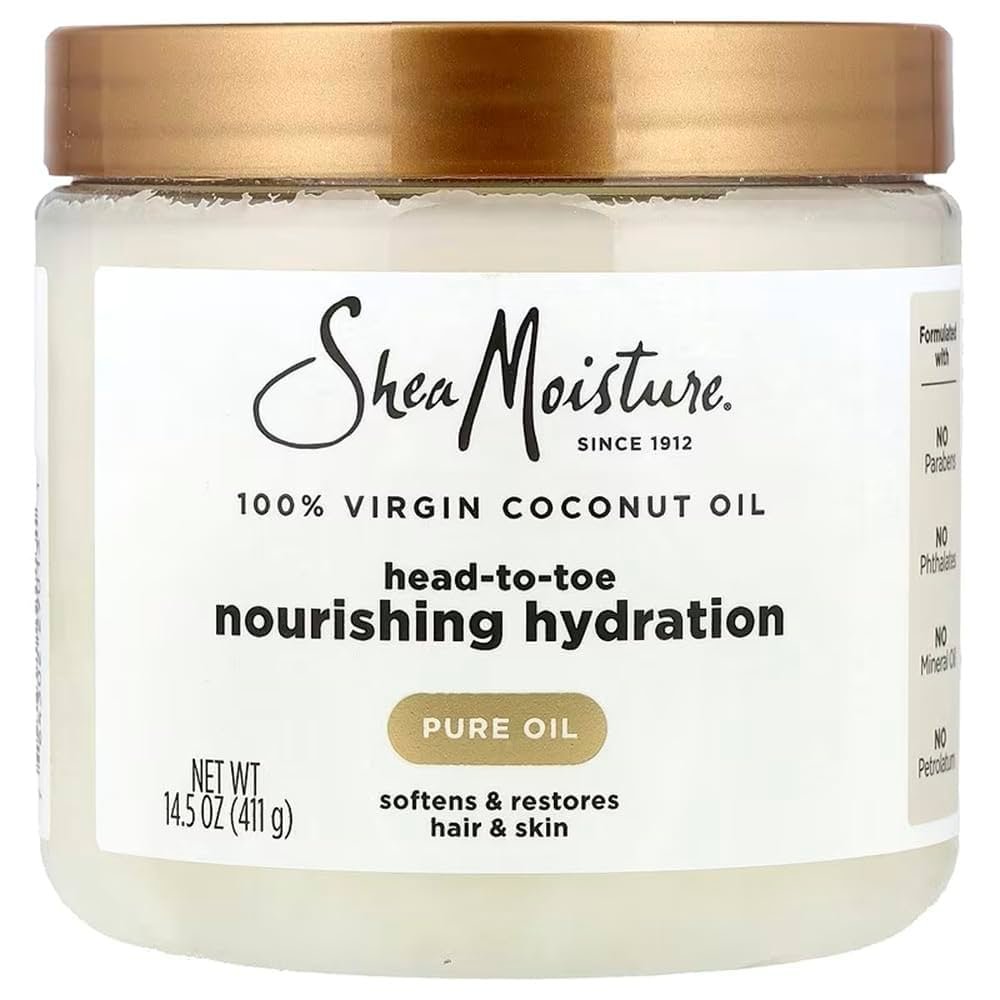
Are you tired of dealing with dry, flaky skin that just won’t seem to improve, no matter what you try? You’re not alone.
Many people struggle to find a solution that truly nourishes and revitalizes their skin. But what if the answer was as simple as a jar of coconut oil? Imagine feeling the relief of soft, smooth skin after just a few applications.
Coconut oil, a natural powerhouse, has been praised for its moisturizing properties and its ability to transform dry skin into a hydrated, healthy glow. Curious to find out how you can harness this tropical treasure to improve your skin? Keep reading to discover why coconut oil could be the ultimate solution for your dry skin woes.

Credit: www.amazon.ca
Benefits Of Coconut Oil For Dry Skin
Coconut oil is a natural remedy for dry skin. It nourishes and soothes skin deeply. Many people trust it to restore softness and glow. Coconut oil is rich in beneficial compounds. These help improve skin health and fight dryness effectively.
Moisture Retention
Coconut oil locks in moisture to keep skin hydrated. It forms a protective barrier on the skin’s surface. This barrier reduces water loss throughout the day. Using coconut oil regularly helps skin stay soft and smooth. It is especially helpful in cold or dry weather.
Anti-inflammatory Properties
Coconut oil calms irritated and red skin. It contains natural compounds that reduce swelling and redness. This makes it ideal for sensitive or itchy dry skin. Applying coconut oil can soothe discomfort and promote healing. It supports skin’s recovery from dryness-related inflammation.
Natural Antioxidants
Coconut oil is rich in antioxidants like vitamin E. These fight free radicals that damage skin cells. Antioxidants help slow down skin aging and dryness. They protect skin from harmful environmental factors. Regular use of coconut oil boosts skin’s defense and health.
How Coconut Oil Enhances Skin Glow
Coconut oil has become a favorite for many dealing with dry skin, not just because it moisturizes but because it truly enhances your skin’s natural glow. You might wonder what makes it so effective beyond basic hydration. Let’s look closely at how its unique components work together to brighten and rejuvenate your skin.
Nourishing Fatty Acids
Coconut oil is rich in fatty acids like lauric acid, which deeply nourish your skin. These fatty acids help repair the skin’s barrier, locking in moisture and preventing dryness.
When your skin barrier is strong, your skin naturally looks healthier and more vibrant. Have you noticed how your skin feels softer after applying coconut oil? That’s the fatty acids at work, smoothing rough patches and adding a natural sheen.
Vitamin E Effects
Vitamin E in coconut oil acts as a powerful antioxidant that protects your skin from damage caused by free radicals. This protection helps reduce signs of aging and dullness.
Applying coconut oil regularly can improve your skin’s texture by promoting healing and reducing inflammation. Think about how small changes in your skincare routine can lead to brighter, more youthful skin over time.
Boosting Skin Radiance
Coconut oil enhances your skin’s radiance by increasing hydration and supporting cell regeneration. Well-hydrated skin reflects light better, giving you a natural glow without makeup.
Try adding a small amount of coconut oil to your nighttime routine and observe how your skin responds. Isn’t it amazing how a simple, natural ingredient can make your skin look so alive?
Choosing The Right Coconut Oil
Choosing the right coconut oil is key for soothing dry skin effectively. Different types of coconut oil offer different benefits. Picking the right one ensures better hydration and skin care results.
Virgin Vs Refined Coconut Oil
Virgin coconut oil is made from fresh coconut meat. It keeps more nutrients and a natural coconut scent. This oil is rich in antioxidants and gentle on dry skin.
Refined coconut oil is processed and filtered. It has a neutral smell and longer shelf life. This type works well if you want less fragrance but still need moisture.
Organic Options
Organic coconut oil comes from coconuts grown without chemicals. It is free from pesticides and synthetic additives. Choosing organic helps avoid skin irritation and supports natural skin health.
Look for labels that say 100% organic and cold-pressed. These oils keep more nutrients and are safer for sensitive skin.
Storage Tips
- Keep coconut oil in a cool, dry place.
- Avoid direct sunlight to prevent oil spoilage.
- Use a clean spoon to scoop oil, not your fingers.
- Seal the container tightly after each use.
- Store oil in glass jars for longer freshness.
Effective Ways To Use Coconut Oil
Coconut oil offers a natural and versatile solution for dry skin. Its rich fatty acids penetrate deeply to nourish and lock in moisture. Knowing how to use it effectively can transform your skincare routine and bring noticeable softness to your skin.
Daily Moisturizer
Applying coconut oil as a daily moisturizer is simple and effective. After cleansing your face or body, take a small amount of coconut oil and gently massage it into your skin. It absorbs quickly without leaving a greasy residue, making it perfect for everyday use.
Have you noticed how harsh weather can strip moisture away? Using coconut oil regularly helps create a protective barrier against dryness caused by cold winds or indoor heating.
Overnight Treatment
For an intensive hydration boost, coconut oil works wonders as an overnight treatment. Before bed, apply a thicker layer to particularly dry areas like elbows, knees, or heels. Cover with soft cotton gloves or socks to lock in moisture while you sleep.
This method lets the oil work deeply without interruption. You’ll wake up with skin feeling noticeably smoother and more supple. Why not try it tonight and see the difference for yourself?
Mixing With Other Ingredients
Coconut oil blends well with natural ingredients to enhance its benefits. Mixing it with honey creates a soothing mask perfect for calming irritated skin. You can also combine coconut oil with a few drops of essential oils like lavender or tea tree for added fragrance and antibacterial properties.
If you prefer exfoliation, stir in some sugar or ground oats for a gentle scrub that removes dead skin while moisturizing. What combinations might suit your skin’s unique needs?
Potential Side Effects And Precautions
Coconut oil is widely praised for its moisturizing properties, but it’s important to be aware of potential side effects before making it a regular part of your skincare routine. Understanding these risks can help you avoid discomfort and ensure the oil works well with your skin type. Let’s take a closer look at some precautions you should consider.
Allergic Reactions
Some people may experience allergic reactions to coconut oil, even if they’ve never had issues with other oils. Symptoms can include redness, itching, or a rash where the oil is applied.
If you notice any unusual irritation, stop using the oil immediately. Keep in mind that allergies can develop over time, so even if you’ve used coconut oil before without problems, stay alert for changes.
Comedogenic Risks
Coconut oil is considered comedogenic, meaning it can clog pores for some skin types. If you have acne-prone or oily skin, coconut oil might cause breakouts or worsen existing acne.
Think about how your skin usually reacts to heavy oils. If you’ve struggled with clogged pores before, you might want to test coconut oil cautiously or opt for a lighter moisturizer instead.
Patch Testing
Before applying coconut oil all over your face or body, try a patch test to see how your skin reacts. Apply a small amount to an inconspicuous area, like your wrist or behind your ear, and wait 24 hours.
If there’s no redness, itching, or swelling, it’s likely safe to use. This simple step can save you from unwanted skin issues and help you feel confident about adding coconut oil to your skincare routine.

Credit: www.amazon.com
Comparing Coconut Oil With Other Moisturizers
Coconut oil is popular for dry skin care. It soothes and hydrates naturally. Comparing it to other moisturizers helps find the best choice. Each option has unique benefits and drawbacks. Understanding these can guide your skin care routine.
Shea Butter
Shea butter is thick and rich. It melts on contact with skin. It deeply nourishes and locks in moisture. Shea butter contains vitamins A and E. These help repair damaged skin. It may feel heavier than coconut oil. Best for very dry or rough skin.
Aloe Vera
Aloe vera is a gel, not an oil. It cools and soothes irritated skin. Aloe hydrates without feeling greasy. It helps reduce redness and inflammation. Aloe vera is lighter than coconut oil. Good for sensitive or oily skin types.
Commercial Creams
Commercial creams often contain chemicals and preservatives. They provide quick moisture but may irritate some skin. Many creams have added fragrances. Some include ingredients to treat specific issues. They vary in thickness and absorption speed. Check labels carefully for sensitive skin.
Credit: www.oleon.com
Frequently Asked Questions
What Are The Benefits Of Coconut Oil For Dry Skin?
Coconut oil deeply moisturizes and nourishes dry skin. It helps restore skin’s natural barrier and reduces flakiness. Its antibacterial properties can prevent infections. Regular use improves skin texture and softness, making it an excellent natural remedy for dry, rough skin.
How Should I Apply Coconut Oil For Dry Skin?
Apply a small amount of coconut oil to clean, dry skin. Gently massage it in circular motions until fully absorbed. Use it after bathing for better hydration. For best results, apply twice daily to maintain skin moisture and softness.
Can Coconut Oil Cause Allergies Or Irritation?
Coconut oil is generally safe for most skin types. However, some people may experience allergic reactions or irritation. Always perform a patch test before full use. Discontinue use if redness, itching, or rash occurs. Consult a dermatologist if you have sensitive skin.
How Does Coconut Oil Compare To Other Moisturizers?
Coconut oil is natural, affordable, and rich in fatty acids. It penetrates the skin quickly and offers antibacterial benefits. Unlike some synthetic moisturizers, it contains no harmful chemicals. However, it may be comedogenic for oily or acne-prone skin types.
Conclusion
Coconut oil can soothe and hydrate dry skin effectively. It works by locking in moisture and softening rough patches. Regular use may reduce itching and flakiness naturally. Many find it gentle enough for daily care. Simple, natural, and easy to apply at home.
Give your skin the gentle care it needs. Dry skin doesn’t have to feel uncomfortable. Try coconut oil as a natural option today. Your skin will thank you for the extra moisture.
