
Are you tired of using hair products that leave your scalp itchy or your hair feeling heavy? Clean hair care might be exactly what your routine is missing.
Imagine having healthier, shinier hair without harsh chemicals weighing it down. You’ll discover simple, effective ways to switch to clean hair care that nourishes your hair naturally. Keep reading to unlock the secrets that could transform your hair and boost your confidence every single day.

Credit: www.amazon.com
Benefits Of Clean Hair Care
Choosing clean hair care products can transform your daily routine and improve your hair’s overall condition. It’s not just about avoiding harsh chemicals; it’s about nurturing your scalp and hair with ingredients that support natural health. Let’s dive into the key benefits you can experience with clean hair care.
Healthier Scalp And Hair
Your scalp is the foundation for strong, vibrant hair. Clean hair care products avoid sulfates, parabens, and synthetic fragrances that often irritate the scalp and strip away natural oils.
Many users notice less itching, dryness, and flakiness after switching. Healthier scalp means better hair growth and fewer breakages, helping your hair stay thicker and shinier.
Have you ever considered how your scalp feels after washing? That sensation can tell you a lot about product impact.
Environmental Impact
Clean hair care products usually contain biodegradable ingredients that break down naturally. This reduces pollution in water systems compared to traditional products loaded with harsh chemicals.
Packaging also matters. Many clean brands use recyclable or refillable containers, cutting down on plastic waste.
By choosing clean options, you’re not just caring for yourself—you’re making a positive choice for the planet. What small change could you make today that benefits the environment?
Reducing Chemical Exposure
Every time you wash your hair, chemicals absorb into your skin and scalp. Clean hair care products minimize this exposure by using safer, natural ingredients.
This can be especially important if you have sensitivities or want to avoid long-term buildup of toxins.
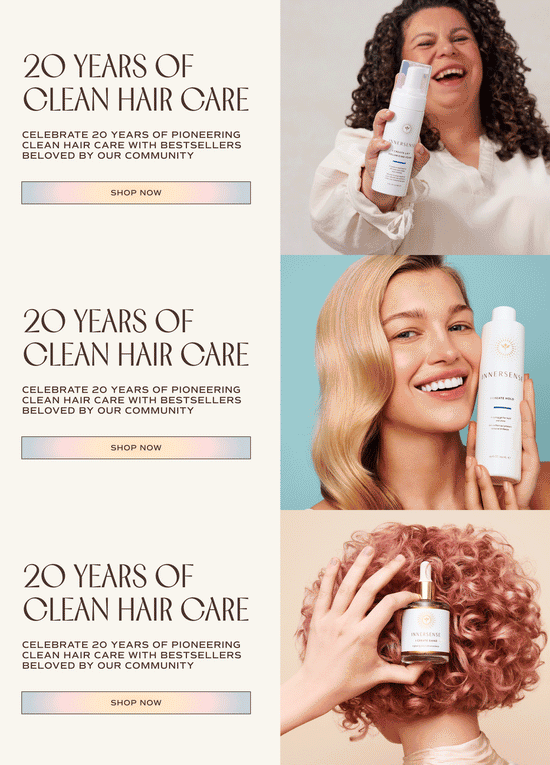
Switching to clean hair care feels like a simple step, but it can significantly reduce your daily chemical load. How often do you think about what’s really in your hair products?
Credit: innersensebeauty.com
Common Harmful Ingredients To Avoid
Choosing clean hair care means knowing which ingredients harm your hair and scalp. Many products contain chemicals that strip moisture and cause damage over time. Avoiding these harmful ingredients protects hair health and keeps it looking vibrant and strong.
Sulfates And Parabens
Sulfates are harsh detergents found in many shampoos. They create lots of foam but remove natural oils. This leads to dryness and irritation. Parabens are preservatives that may disrupt hormone balance. They help products last longer but pose risks for sensitive skin.
Silicones And Synthetic Fragrances
Silicones coat the hair, making it smooth and shiny at first. They build up over time, weighing hair down and blocking moisture. Synthetic fragrances often contain allergens and irritants. These can cause scalp irritation and allergic reactions, especially for sensitive skin.
Harsh Alcohols
Not all alcohols are bad, but harsh ones dry out hair quickly. They strip natural oils, leaving hair brittle and prone to breakage. Look out for alcohol denat, isopropyl alcohol, and propanol in labels. These can make hair feel rough and fragile.
Natural Ingredients For Hair Care
Natural ingredients have a unique way of caring for your hair without harsh chemicals. They work gently yet effectively, nourishing your scalp and strands from root to tip. Have you ever wondered what makes these ingredients so special for your hair health?
Plant-based Oils And Butters
Plant-based oils like coconut, argan, and jojoba penetrate deep into your hair, restoring moisture and shine. Butters such as shea and mango create a protective layer that locks in hydration. Using these can reduce frizz and improve manageability without weighing your hair down.
Try applying a small amount of argan oil after washing to see how soft and smooth your hair feels. Have you noticed how some oils absorb quickly while others provide longer-lasting moisture?
Herbal Extracts And Essential Oils
Herbal extracts like chamomile, rosemary, and aloe vera calm your scalp and stimulate healthy hair growth. Essential oils such as peppermint and lavender add a refreshing scent while improving scalp circulation. These natural boosters can make your hair stronger and less prone to breakage.
Adding a few drops of rosemary oil to your shampoo might surprise you with how much it revitalizes dull hair. What herbal ingredient have you found brings the best results for your scalp?
Natural Cleansers And Moisturizers
Ingredients like rhassoul clay and aloe vera gently cleanse without stripping your hair of natural oils. They maintain a healthy scalp balance, preventing dryness and irritation. Natural moisturizers, including honey and glycerin, attract and hold moisture, keeping your hair soft and hydrated throughout the day.
Have you considered swapping your regular shampoo for a natural cleanser to see how it changes your hair’s texture? Sometimes, less harsh cleansing can reveal healthier, more vibrant hair underneath.
Switching To Clean Hair Products
Switching to clean hair products can improve hair health and reduce scalp irritation. It means choosing products without harmful chemicals or synthetic additives. This change supports natural hair shine, softness, and strength over time.
Clean hair care also helps protect the environment by using biodegradable ingredients. The transition might feel challenging at first, but understanding product labels and your hair’s needs makes it easier. Even simple DIY recipes can replace commercial products safely and effectively.
Reading Labels Effectively
Look for short ingredient lists with familiar names. Avoid sulfates, parabens, silicones, and synthetic fragrances. Natural oils, plant extracts, and gentle cleansers are good signs. Check for certification logos like “organic” or “cruelty-free” for extra trust. Remember, the first ingredients are the most important.
Choosing The Right Products For Your Hair Type
Select products based on hair texture and scalp condition. Fine hair needs lightweight formulas. Curly hair benefits from rich moisturizers. Oily scalps require gentle, balancing cleansers. Dry hair needs deep hydration. Test small amounts to see how your hair reacts.
Diy Clean Hair Recipes
- Apple Cider Vinegar Rinse:Mix 1 part vinegar with 3 parts water for shine.
- Coconut Oil Mask:Apply a small amount to hair ends for softness.
- Aloe Vera Spray:Dilute aloe gel with water to soothe scalp and hydrate.
- Baking Soda Cleanser:Use sparingly to remove buildup; follow with vinegar rinse.
These recipes use simple ingredients found at home. They keep hair clean without harsh chemicals. Experiment and adjust to fit your hair’s needs.
Daily Hair Care Tips
Daily hair care keeps your hair healthy and fresh. Simple habits protect your hair from damage. Follow these easy tips every day. They help maintain clean and strong hair.
Gentle Washing Techniques
Use lukewarm water to wash your hair. Hot water dries out your scalp and hair. Apply a small amount of shampoo. Massage your scalp softly with fingertips. Avoid using nails or harsh scrubbing. Rinse thoroughly to remove all shampoo. Limit washing to two or three times a week. Over-washing strips natural oils from hair.
Proper Conditioning And Detangling
Choose a conditioner suitable for your hair type. Apply conditioner mainly to the ends of hair. Leave it on for a few minutes. Rinse with cool water to seal cuticles. Use a wide-tooth comb to detangle wet hair. Start combing from the ends, moving upward. Avoid pulling or tugging to reduce breakage. Regular conditioning keeps hair soft and manageable.
Protecting Hair From Heat And Environmental Damage
Limit the use of heat styling tools. Use a heat protectant spray before styling. Avoid styling hair when it is wet. Cover hair with a hat or scarf in strong sun. Protect hair from wind and dust by tying it back. Avoid harsh chemicals that weaken hair strands. These steps help keep hair strong and shiny.

Credit: www.amazon.com
Maintaining Clean Hair Care Routine
Maintaining a clean hair care routine is more than just washing your hair regularly. It involves thoughtful actions that protect your hair’s natural balance and promote long-term health. Your commitment to this routine shapes how your hair looks and feels every day.
Consistency And Patience
Consistency is key when caring for your hair. Sticking to a routine allows your scalp to adjust and your hair to respond positively. You might not see instant results, but patience pays off—healthy hair takes time to develop.
Try setting a regular washing schedule that suits your hair type. Avoid switching products too quickly. Give each product at least a few weeks to show its effects.
Adjusting Routine Seasonally
Your hair needs change with the seasons. In winter, dry air can strip moisture, so adding a hydrating mask once a week helps. Summer brings more sweat and sun exposure, so a gentle clarifying shampoo can keep your scalp clean without over-drying.
Ask yourself how your hair feels as the weather changes. Are you noticing more oiliness, dryness, or frizz? Use these clues to tweak your routine.
Tracking Hair Health Progress
Keep a simple journal or use an app to track how your hair reacts to different products and routines. Note changes in texture, shine, and scalp comfort. This helps you identify what truly benefits your hair and what doesn’t.
Have you ever stopped a product because it made your hair feel worse? Tracking helps you avoid repeating that mistake and encourages smarter choices over time.
Frequently Asked Questions
What Is Clean Hair Care?
Clean hair care means using natural, non-toxic products. It avoids harmful chemicals like sulfates and parabens. This method promotes healthier scalp and hair growth. It focuses on gentle cleansing and nourishing ingredients. Clean hair care supports sustainable and eco-friendly beauty routines.
How Often Should I Wash Hair With Clean Products?
Washing hair 2-3 times a week is ideal. Clean products are gentle and prevent scalp dryness. Over-washing can strip natural oils and cause damage. Adjust frequency based on hair type and lifestyle. Clean hair care encourages balance, not excessive washing.
Are Clean Hair Care Products Suitable For All Hair Types?
Yes, clean hair care products work for all hair types. They use mild ingredients that nourish dry, oily, or sensitive scalp. Customizable options exist for curly, straight, or color-treated hair. Clean products help maintain natural hair health without harsh chemicals.
Can Clean Hair Care Improve Scalp Health?
Absolutely, clean hair care improves scalp health effectively. It reduces irritation and inflammation caused by synthetic chemicals. Natural ingredients soothe and hydrate the scalp. This creates a healthy environment for hair follicles. Consistent use promotes stronger, shinier hair.
Conclusion
Clean hair care helps keep your scalp healthy and hair strong. Choosing gentle products without harsh chemicals makes a big difference. Regular washing and conditioning protect your hair from damage. Simple habits like rinsing with cool water boost shine and softness.
Healthy hair grows better and looks more vibrant every day. Small changes in your routine create lasting results. Take care of your hair with clean, natural methods. Enjoy the confidence that comes with fresh, healthy hair.
