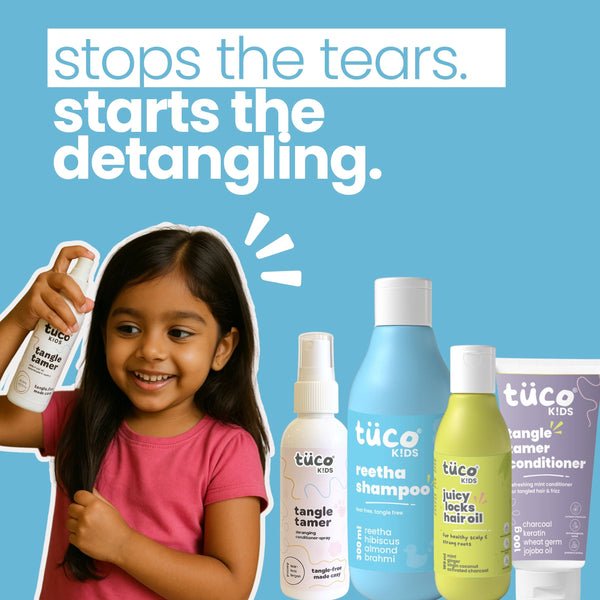
Taking care of your child’s hair can feel tricky. You want products that are safe, gentle, and effective.
But with so many options out there, how do you choose what’s best for your little one? This guide will help you understand what to look for in children’s hair care products. By the end, you’ll feel confident picking the perfect items that keep your child’s hair healthy and happy every day.
Keep reading to discover simple tips and expert advice made just for you.

Credit: www.childsfarm.com
Choosing The Right Products
Choosing the right hair care products for children is important for healthy hair growth. Kids’ hair needs gentle care that matches their unique hair type. Picking products with safe ingredients protects their scalp and hair strands. Parents should know what to avoid and what to prefer in these products. Understanding different product types also helps meet specific hair needs effectively.
Ingredients To Avoid
- Sulfates – can dry out and irritate sensitive scalps
- Parabens – linked to hormonal disruptions and allergies
- Phthalates – may cause skin irritation and other health issues
- Artificial fragrances – often cause allergic reactions
- Alcohol – can make hair dry and brittle
Best Ingredients For Kids
- Aloe vera – soothes scalp and adds moisture
- Shea butter – deeply hydrates and softens hair
- Coconut oil – strengthens hair and prevents breakage
- Chamomile – calms irritation and brightens hair
- Vitamin E – protects and nourishes hair strands
Product Types For Different Hair Needs
| Hair Type | Recommended Product | Purpose |
|---|---|---|
| Curly Hair | Moisturizing shampoo and conditioner | Defines curls and prevents frizz |
| Straight Hair | Lightweight detangling spray | Keeps hair smooth and manageable |
| Dry Hair | Hydrating leave-in conditioner | Restores moisture and softness |
| Oily Hair | Gentle clarifying shampoo | Removes excess oil without drying |
Washing Techniques
Washing your child’s hair is more than just a routine task—it’s a chance to care for their delicate scalp and keep their hair healthy. Understanding the right techniques can make a big difference in how their hair looks and feels. Let’s dive into how often you should wash, tips for gentle shampooing, and the importance of conditioning for soft, manageable hair.
How Often To Wash
Children’s hair doesn’t need daily washing like adults might think. Washing too often can strip natural oils, leaving hair dry and scalp irritated. Aim for washing hair two to three times a week, depending on your child’s activity level and hair type.
If your child plays outside a lot or sweats heavily, you might need to wash more frequently. On calmer days, a simple rinse or brushing might be enough. What’s your child’s current hair washing routine? Could less be more?
Gentle Shampooing Tips
Choose a shampoo made specifically for children—these are formulated to be mild and free of harsh chemicals. Avoid shampoos with strong fragrances or sulfates that can cause itching or dryness.
Use lukewarm water to prevent discomfort and dry scalp. Apply a small amount of shampoo and gently massage the scalp with your fingertips, not nails. This helps clean without damaging the scalp or tangling hair.
Rinse thoroughly to make sure no shampoo residue is left behind, which can cause irritation. Remember, a little patience during washing goes a long way in making the experience pleasant for your child.
Conditioning For Soft Hair
Conditioner is key to keeping your child’s hair soft and easy to comb. Use a lightweight, kid-friendly conditioner to avoid buildup or heaviness.
Apply conditioner mainly on the ends of the hair, where it tends to be driest. Leave it on for a couple of minutes before rinsing with cool water to seal the hair cuticles and add shine.
Have you noticed how conditioning can turn tangled, rough hair into silky, smooth locks? It’s a simple step that improves hair health and reduces morning battles with knots.
Detangling And Styling
Detangling and styling children’s hair requires patience and the right products. Gentle care protects their delicate scalp and hair strands. Choosing suitable tools and safe styling methods helps keep hair healthy and neat.
Tools For Tangle-free Hair
Using the right tools makes detangling easier and less painful. Wide-tooth combs gently separate knots without pulling. Soft-bristle brushes smooth hair while reducing breakage. Spray bottles with water or detangling sprays help loosen tangles. Finger combing can also be very gentle and effective.
Safe Styling Options
Simple hairstyles work best for kids’ hair. Braids, ponytails, and buns keep hair tidy and fun. Avoid tight styles that may cause discomfort or damage. Use soft hair ties and clips made for children. Natural hairstyles allow hair to breathe and stay healthy.
Avoiding Heat Damage
Heat tools can harm young hair easily. Skip flat irons, curling irons, and blow dryers as much as possible. Let hair air dry to keep moisture intact. If heat is necessary, use the lowest temperature and a heat protectant spray. Protect hair to maintain its natural shine and strength.
Credit: toksnatural.com
Dealing With Common Hair Issues
Children’s hair can face several common issues that often leave parents searching for the right solutions. These challenges, like dry scalp, dandruff, and hair breakage, need gentle care and attention. Understanding how to handle each problem can help keep your child’s hair healthy and happy.
Managing Dry Scalp
Dry scalp in children often shows up as itching and flaky skin. You might notice your child scratching more than usual, which can be uncomfortable for them. Using a mild, moisturizing shampoo designed specifically for kids can soothe their scalp without stripping natural oils.
Try adding a gentle scalp massage during bath time to increase blood flow and reduce dryness. Avoid over-washing, as it can make the scalp drier. Have you checked if your child’s environment is too dry? Sometimes, using a humidifier can make a big difference.
Treating Dandruff
Dandruff isn’t just an adult issue; kids can get it too. It appears as white flakes that fall from the scalp and can cause itching. Using a gentle anti-dandruff shampoo made for children helps control flakes without harsh chemicals.
Ensure you rinse thoroughly to remove all shampoo residues, which can worsen dandruff. Sometimes dandruff signals an underlying scalp condition like eczema, so if flakes persist, consulting a pediatric dermatologist is a smart move. How often do you check your child’s scalp for signs of irritation?
Handling Hair Breakage
Hair breakage can happen from rough brushing, tight hairstyles, or even nutritional gaps. When your child’s hair looks dull or has split ends, it’s a sign to change your care routine. Use a wide-tooth comb and start detangling from the ends to avoid pulling out hair.
Choosing a nourishing conditioner or leave-in treatment can strengthen hair strands and reduce breakage. Pay attention to how often you tie your child’s hair tightly; switching to loose styles can protect fragile hair. What small change in your child’s hair routine could help reduce breakage today?
Promoting Healthy Hair Growth
Promoting healthy hair growth in children requires gentle care and good habits. Strong, shiny hair starts from a healthy scalp and body. Using the right children’s hair care products supports this natural process. Combining these products with healthy routines helps maintain soft, manageable hair.
Balanced Diet And Hydration
Healthy hair needs good nutrition and plenty of water. A balanced diet rich in vitamins and minerals helps hair grow thick and strong. Include foods high in:
- Vitamin A for scalp health
- Vitamin C to support collagen
- Iron for oxygen delivery to hair roots
- Protein to build hair strands
Drinking enough water keeps the scalp hydrated and hair flexible. Dehydration can cause dry, brittle hair that breaks easily.
Scalp Massage Benefits
Massaging the scalp boosts blood flow to hair follicles. This stimulates growth and keeps the scalp healthy. Use gentle, circular motions with clean fingers. Doing this regularly can help children relax and improve scalp condition.
A soft scalp massage can also reduce stress, which may affect hair health. Use mild oils or hair care products to make the massage soothing.
Avoiding Harmful Habits
Certain habits can damage children’s hair and slow growth. Avoid tight hairstyles like tight ponytails or braids, which pull on hair roots. Limit use of harsh chemicals or heat styling tools.
Teach children not to scratch or rub their scalp roughly. Use gentle, child-friendly hair care products to prevent irritation or dryness. Healthy habits protect hair and support steady growth.
Credit: toksnatural.com
Tips For Different Hair Types
Understanding your child’s hair type is the key to choosing the right care routine and products. Each hair type needs a slightly different approach to stay healthy and strong. Let’s look at practical tips that work well for curly, straight, and wavy hair, helping you keep your child’s hair looking its best every day.
Care For Curly Hair
Curly hair tends to be drier because natural oils struggle to travel down the twists and turns. Use a gentle, sulfate-free shampoo and a rich conditioner to keep curls hydrated without weighing them down.
Try finger detangling or a wide-tooth comb while the hair is wet to avoid breakage. Adding a leave-in conditioner or curl cream can help define curls and reduce frizz. Have you noticed how some curls bounce back better after a little extra moisture?
Care For Straight Hair
Straight hair often gets oily faster since oils spread easily from the scalp. Wash your child’s hair regularly but avoid harsh shampoos that strip natural oils. A light conditioner on the ends prevents dryness without making hair greasy.
Encourage brushing with a soft brush to distribute oils evenly and keep the scalp healthy. If your child’s hair looks flat, a gentle volumizing spray can add some bounce without weighing it down. Do you find that straight hair sometimes needs less product but more frequent care?
Care For Wavy Hair
Wavy hair sits between straight and curly, so it can be tricky to balance moisture and volume. Use a mild shampoo and a lightweight conditioner, focusing on the mid-lengths and ends to avoid greasy roots.
Enhance natural waves by scrunching hair gently with a microfiber towel after washing. Avoid heavy creams that may weigh waves down; instead, opt for light styling gels or mousses. Have you tried letting wavy hair air dry to see its natural pattern shine?
Frequently Asked Questions
What Ingredients Are Safe In Children’s Hair Care Products?
Safe children’s hair products contain natural, gentle ingredients like aloe vera, chamomile, and coconut oil. Avoid harsh chemicals such as sulfates, parabens, and synthetic fragrances. These safe ingredients protect delicate scalps and minimize irritation or allergic reactions in kids.
How Often Should I Wash My Child’s Hair?
Washing children’s hair 2-3 times a week is generally sufficient. Over-washing can dry out their scalp and hair. Use a mild, tear-free shampoo designed for kids. Adjust frequency based on your child’s hair type and activity level.
Can Children Use Adult Hair Care Products?
It’s best to avoid adult hair care products for children. Kids’ products are specially formulated to be gentle and non-irritating. Adult products may contain stronger chemicals that can harm a child’s sensitive scalp and hair.
What Is The Best Hair Care Routine For Kids?
A simple routine includes gentle shampooing, conditioning, and detangling. Use a wide-tooth comb to prevent hair breakage. Avoid heat styling tools and harsh treatments. Regular moisturizing keeps hair soft and healthy.
Conclusion
Choosing the right hair care products for children is important. Their hair is delicate and needs gentle care. Look for products with natural ingredients. Avoid harsh chemicals that can harm their hair. Always read labels carefully before buying. Test new products on a small hair section first.
This helps check for reactions. Healthy hair boosts confidence in kids. And makes hair care fun for them. Keep their hair happy and healthy with the right products. Parents, your choice matters. Choose wisely for your little ones. They’ll thank you for it!
