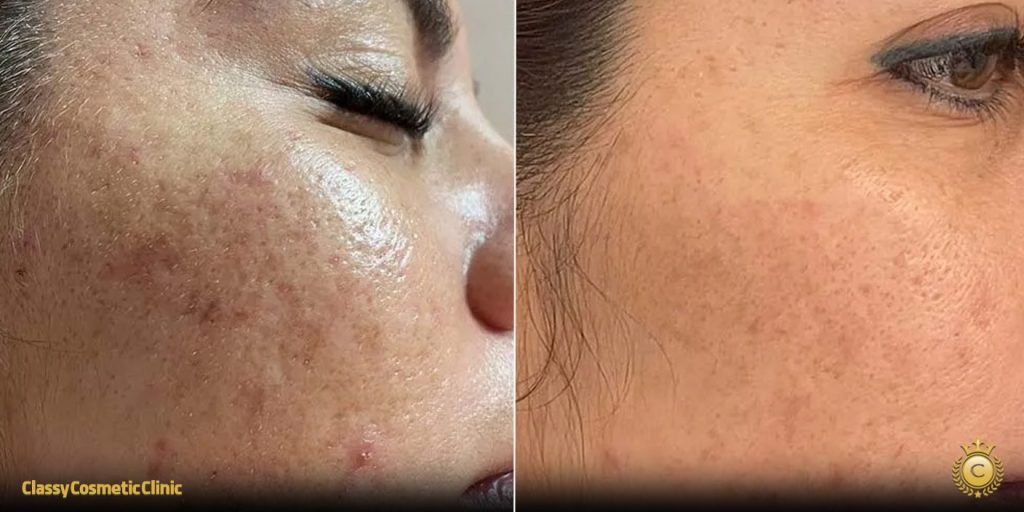
Imagine waking up one morning, looking in the mirror, and seeing smoother, clearer skin staring back at you. If acne scars have been a constant source of frustration in your life, you’re not alone.
Many people are searching for effective ways to achieve the skin they’ve always dreamed of, and a chemical peel might just be the answer you’ve been looking for. This transformative treatment promises to fade those scars and reveal a rejuvenated complexion.
Curious about what a chemical peel can do for your acne scars? Dive into this article to discover the incredible before-and-after results and how you can transform your skin with this popular treatment.

Credit: clderm.com
What Is A Chemical Peel?
Understanding what a chemical peel is can change how you view acne scar treatments. It’s a simple procedure designed to improve your skin’s appearance by removing its outer layers. This process can reveal fresher, smoother skin beneath.
How Does A Chemical Peel Work?
A chemical peel uses a solution made of acids to gently remove dead skin cells. This encourages your skin to regenerate new cells more quickly. The depth of the peel varies depending on the acid used and your skin type.
Types Of Chemical Peels
- Superficial peels:Use mild acids like alpha-hydroxy acid to treat minor skin issues and brighten your complexion.
- Medium peels:Penetrate deeper using trichloroacetic acid to address moderate acne scars and uneven skin tone.
- Deep peels:Use stronger acids like phenol to treat severe scarring and wrinkles but require longer recovery.
What Can You Expect During The Treatment?
The procedure usually takes 30 minutes or less. You might feel a slight tingling or burning sensation while the solution works on your skin. Afterward, your skin may peel for a few days to a week as it heals.
Who Should Consider A Chemical Peel?
If you have acne scars that won’t fade with regular skincare, a chemical peel might help. It’s important to consult a dermatologist to choose the right peel for your skin type and scar severity. Not everyone is a perfect candidate, especially those with very sensitive or dark skin tones.
Have you ever wondered why some acne scars stubbornly linger while others fade away? Chemical peels could be the key to understanding and improving your skin’s healing process.
Types Of Chemical Peels For Acne Scars
Chemical peels offer various options to tackle acne scars, each designed to suit different skin types and scar depths. Choosing the right peel depends on how deep your scars are and how much downtime you can afford. Understanding the differences helps you set realistic expectations for your skin’s transformation.
Superficial Peels
Superficial peels use mild acids like alpha hydroxy acid (AHA) or beta hydroxy acid (BHA) to gently exfoliate the outer skin layer. They improve skin texture and reduce mild scarring with minimal downtime. If you want a quick refresh without disrupting your daily routine, these peels might be the best fit.
Medium Peels
Medium peels penetrate deeper, targeting the outer and middle layers of the skin with ingredients like trichloroacetic acid (TCA). They work well on moderate acne scars and can stimulate new collagen production for smoother skin. Keep in mind, recovery can take about a week, so plan accordingly if you have upcoming events.
Deep Peels
Deep peels reach the lower layers of skin to treat severe acne scars and pronounced skin damage. Phenol is a common acid used here, delivering dramatic results but requiring significant healing time. Are you ready to commit to a longer recovery for a potentially life-changing improvement?
How Chemical Peels Improve Acne Scars
Chemical peels help reduce acne scars by improving skin texture and tone. They work by removing damaged outer layers and promoting healthy skin growth. The treatment targets scarred areas to smooth and brighten the skin. Understanding how chemical peels improve acne scars can help you decide if this option suits your skincare needs.
Skin Cell Renewal
Chemical peels speed up the shedding of old, dead skin cells. This process reveals fresh, new skin underneath. Renewed skin looks clearer and less scarred. The peel encourages faster skin cell turnover, which helps fade acne marks. Regular treatments can gradually improve overall skin appearance.
Collagen Stimulation
Chemical peels stimulate collagen production in the deeper skin layers. Collagen is a protein that keeps skin firm and smooth. More collagen helps fill in acne scars and reduces their depth. This boost strengthens the skin structure over time. Stronger skin looks healthier and less damaged.
Scar Texture Smoothing
The peel softens rough and uneven scar surfaces. It smooths out bumps and indentations caused by acne. Smoother skin texture makes scars less noticeable. The treatment promotes an even skin surface for a better look. Consistent peeling sessions result in significant texture improvement.
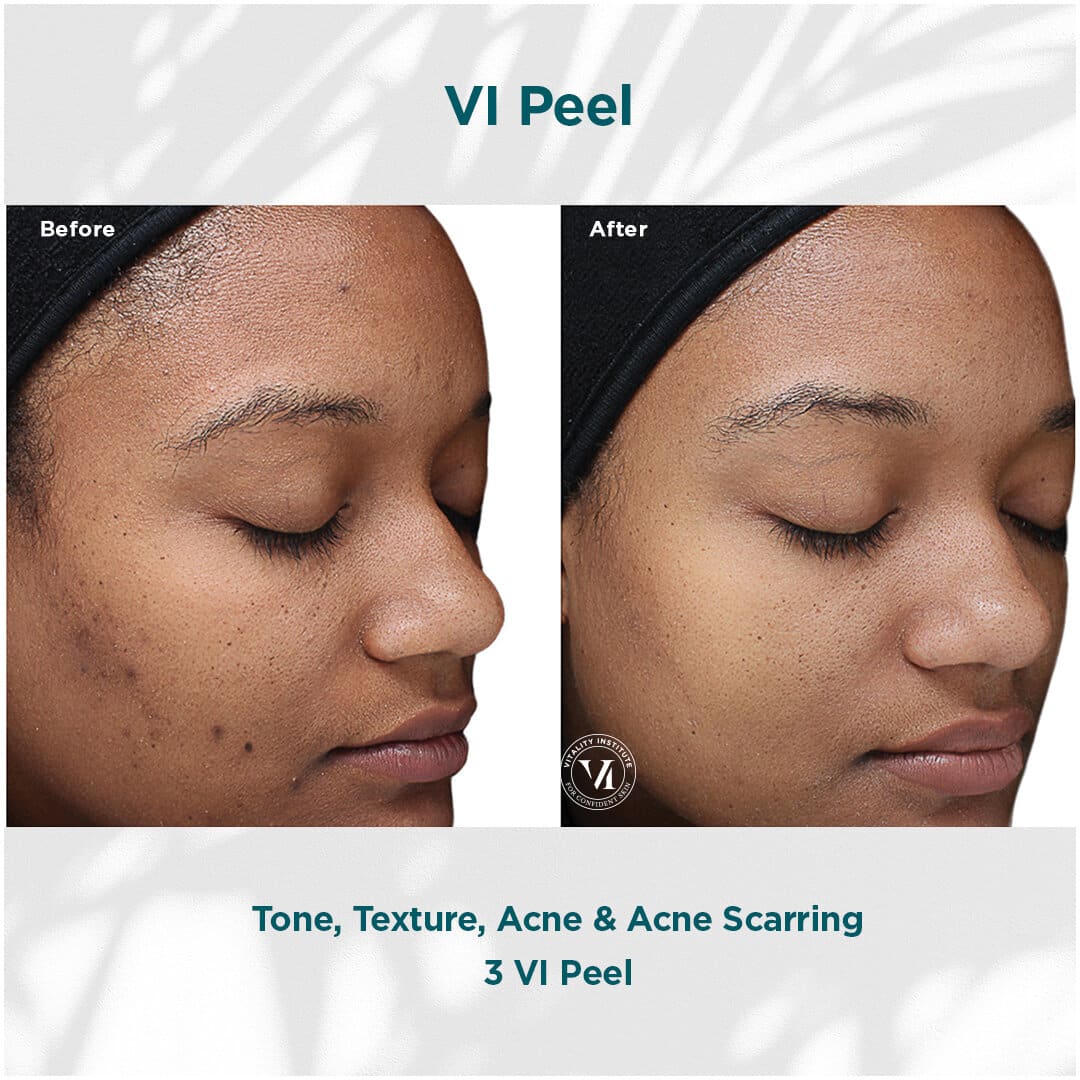
Credit: www.washingtonianplasticsurgery.com
Preparing For A Chemical Peel
Getting ready for a chemical peel is just as important as the treatment itself, especially when targeting acne scars. Proper preparation helps you avoid complications and boosts the effectiveness of the peel. Before you schedule your appointment, you need to understand what your skin requires and how to care for it beforehand.
Skin Assessment
Start with a thorough skin assessment. A professional will examine your skin type, acne scar severity, and any underlying conditions. This step ensures the peel suits your skin and reduces the risk of irritation or damage.
Have you noticed areas of your skin that are more sensitive or prone to redness? Mention these to your specialist—they can tailor the treatment accordingly.
Pre-treatment Care
Preparing your skin before the peel can significantly improve results. Avoid sun exposure for at least two weeks and stop using harsh skincare products like retinoids or exfoliants. These can make your skin more vulnerable to peeling and irritation.
Consider gentle cleansing and moisturizing daily to keep your skin balanced. Some dermatologists recommend using a mild hydroquinone cream to lighten dark spots before treatment. Have you adjusted your skincare routine in the days leading up to your appointment?
Setting Realistic Expectations
It’s important to understand what a chemical peel can and cannot do for your acne scars. While it can smooth the skin and reduce discoloration, deep scars might need multiple sessions or combined treatments. Expect some redness and peeling after the procedure—that’s part of the healing process, not a sign of a problem.
Ask yourself, what is your goal? Are you aiming for noticeable improvement or complete scar removal? Clear communication with your provider helps set achievable targets and avoids disappointment.
Chemical Peel Procedure Steps
Understanding the chemical peel procedure helps set clear expectations. This treatment removes dead skin layers to reduce acne scars and improve skin texture. The process follows careful steps to ensure safety and effectiveness. Each stage plays a vital role in achieving smoother, clearer skin.
Cleansing And Protection
The skin must be clean before applying the peel solution. Experts use gentle cleansers to remove dirt, oil, and makeup. This step prepares the skin for better peel absorption. Sensitive areas like eyes and lips receive protective barriers. This guards delicate skin from irritation during the procedure.
Peel Application
The chemical solution is applied evenly across the face. Specialists choose peel types based on scar depth and skin type. The peel works by breaking down damaged skin layers. Patients may feel a mild tingling or warmth. Timing is crucial to avoid overexposure and skin damage.
Neutralization And Aftercare
The peel is neutralized to stop its action at the right time. Neutralizers help restore the skin’s natural pH balance. Aftercare includes moisturizing and sun protection to aid healing. Following expert advice minimizes risks and supports skin recovery. Proper care enhances the results and reduces discomfort.
Before And After Results
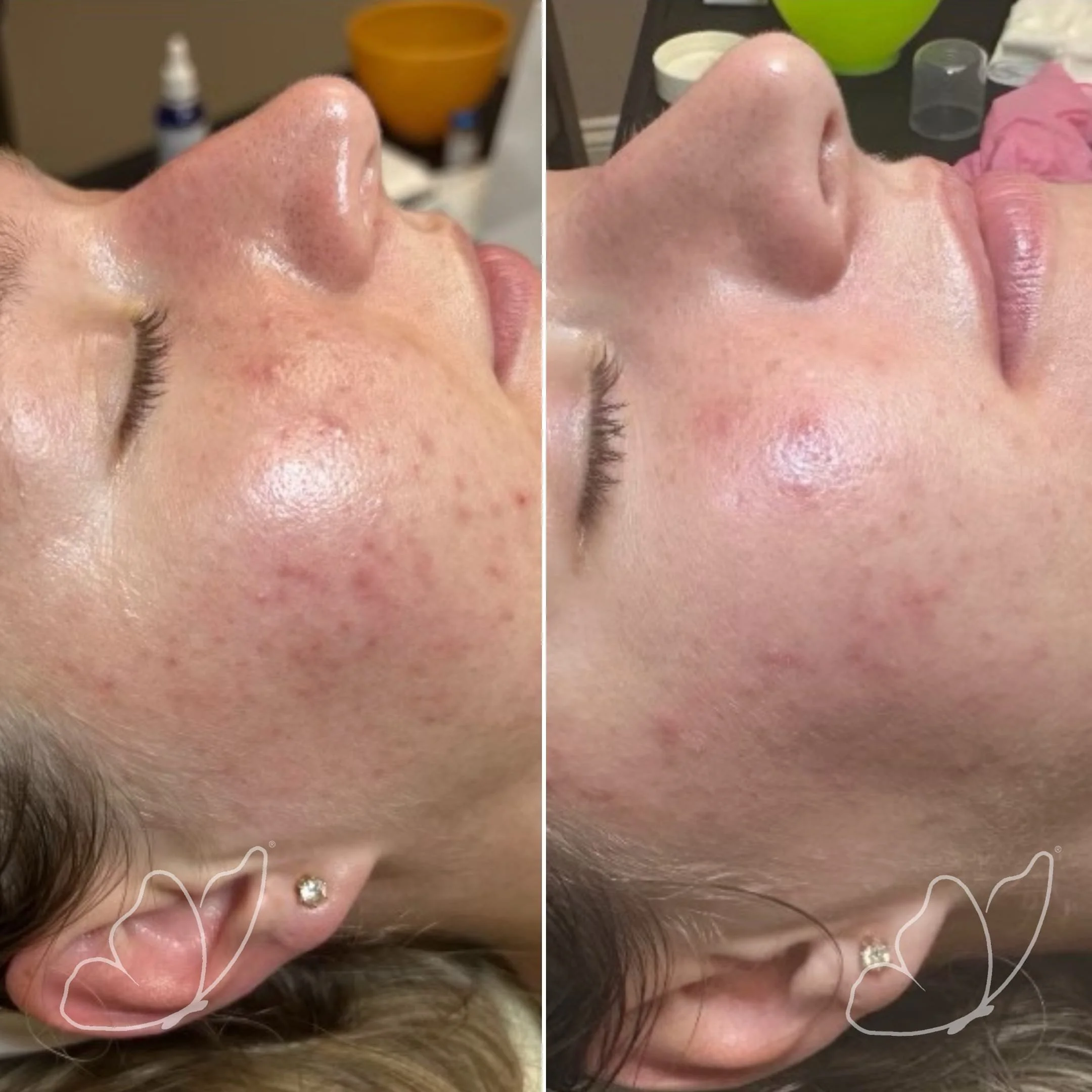
Seeing the before and after results of a chemical peel on acne scars helps understand its impact. This treatment works by removing damaged skin layers and promoting new skin growth. The changes appear in stages, from immediate effects to long-term transformation. Each stage shows how the skin heals and improves over time.
Immediate Effects
Right after the chemical peel, the skin looks red and feels sensitive. This happens because the outer layer has been exfoliated. Some mild swelling or dryness may occur. The skin might also feel tight or slightly warm. These effects usually last a few hours to a couple of days.
Short-term Improvements
In the first week, dead skin peels away revealing fresher skin. Acne scars begin to look less deep and dark. The skin texture starts to smooth out. Redness fades, and the overall tone becomes more even. Hydration and gentle care help speed up healing during this time.
Long-term Skin Transformation
After several weeks, collagen production increases below the skin. This rebuilds and strengthens the skin’s structure. Acne scars become much less visible and softer to touch. Skin tone looks clearer and more uniform. With repeated sessions, the skin continues to improve gradually.
Potential Risks And Side Effects
Before deciding on a chemical peel for acne scars, it’s important to understand the potential risks and side effects that come with the treatment. While chemical peels can dramatically improve your skin’s texture and appearance, they can also cause reactions that may affect your healing process or overall results. Knowing what to expect will help you make a safer, more informed choice.
Common Reactions
Most people experience mild redness and peeling after a chemical peel. Your skin might feel tight or slightly irritated, similar to a mild sunburn. These effects usually last a few days and indicate that your skin is shedding damaged layers.
It’s normal to see some dryness and flaking as your skin renews itself. You may also notice temporary darkening or lightening of the skin. Using gentle moisturizers and avoiding sun exposure can help ease these reactions.
Rare Complications
Though uncommon, some people face more serious side effects like infections or scarring. Allergic reactions to the peel solution can cause severe redness, swelling, or blistering. If the peel is too strong or improperly applied, it may lead to permanent discoloration or uneven skin texture.
One person I know chose a deep peel without professional guidance and ended up with noticeable scarring. This experience highlights the importance of consulting a trained dermatologist who understands your skin type before treatment.
When To Seek Medical Advice
Persistent pain, excessive swelling, or signs of infection such as pus or fever are red flags. If your skin starts to blister heavily or develop open wounds, contact your healthcare provider immediately. These symptoms require prompt attention to prevent lasting damage.
Ask yourself: Are the side effects lasting longer than expected or getting worse? If so, don’t hesitate to seek professional help. Early intervention can make a big difference in your recovery and final results.
Aftercare Tips For Best Results
After a chemical peel, your skin is delicate and needs gentle care. Proper aftercare helps the peel work better and speeds up healing. Follow these tips to protect your skin and improve your results.
Sun Protection
The skin is extra sensitive to sunlight after a chemical peel. Sun exposure can cause redness, dark spots, and slow healing. Use a broad-spectrum sunscreen with at least SPF 30 every day. Wear a wide-brimmed hat and avoid direct sun for several weeks. Reapply sunscreen every two hours if you stay outside.
Moisturizing And Healing
Keep your skin moist to help it heal faster. Choose a gentle, fragrance-free moisturizer. Apply it several times daily to stop dryness and peeling. Avoid heavy creams that can clog pores. Drinking plenty of water also supports skin recovery from inside.
Avoiding Irritants
Stay away from harsh skincare products after your peel. Avoid exfoliants, retinoids, and strong acids until your skin fully recovers. Skip makeup for a few days to reduce irritation. Use mild cleansers and lukewarm water to wash your face. Let your skin breathe and repair naturally.
Who Should Consider Chemical Peels?
Considering a chemical peel to improve acne scars can be a game-changer for many, but it’s important to know if this treatment suits your skin and lifestyle. Not everyone is an ideal candidate, and understanding who should consider chemical peels helps you make a safe and effective choice. Let’s break down the key points you need to evaluate before taking this step.
Suitable Skin Types
Chemical peels work best for certain skin types. If you have light to medium skin tones, you’re more likely to see clear results with fewer side effects. Those with oily or combination skin often benefit the most because peels help reduce excess oil and unclog pores.
However, darker skin tones can also undergo chemical peels but need extra care to avoid discoloration. You might wonder, “Is my skin too sensitive or prone to scars after a peel?” If your skin is generally healthy and you don’t react strongly to skincare products, you’re probably a good candidate.
When To Avoid Peels
Not every skin condition pairs well with chemical peels. If you’re currently dealing with active acne outbreaks or skin infections, a peel could worsen inflammation. Also, avoid peels if you’ve recently used retinoids or undergone laser treatments—your skin needs time to recover.
Pregnancy and breastfeeding are other times when peels should be skipped to prevent any risks. Ask yourself if your skin is in a fragile state or if you’re managing chronic conditions like eczema or psoriasis; these might make peels unsafe for you right now.
Consulting A Dermatologist
Talking with a dermatologist is the smartest step before trying a chemical peel. They can assess your skin type, review your medical history, and recommend the best peel strength and type for your acne scars. A professional evaluation reduces the risk of side effects and ensures you get results that last.
Think of your dermatologist as a guide who helps you navigate what can feel like a confusing skincare maze. They can also suggest complementary treatments or aftercare routines to maximize healing. Have you reached out to a skin expert to discuss your options yet?
Credit: kimgalloesthetics.com
Alternatives To Chemical Peels For Acne Scars
Acne scars can be tough to treat, and chemical peels are not the only option. Many alternatives offer effective results with different techniques and recovery times. These methods vary in how they work and suit different skin types. Understanding these options helps in choosing the best treatment for clearer skin.
Microneedling
Microneedling uses tiny needles to create small punctures in the skin. This process triggers the body to produce more collagen. Collagen helps to smooth and heal acne scars over time. The treatment is minimally invasive and has a short recovery period. It works well for many skin types and can improve skin texture and tone.
Laser Treatments
Laser treatments target the scar tissue with focused light beams. The heat from the laser breaks down damaged skin and encourages new skin growth. Different lasers work for different scar depths and skin colors. Some lasers require downtime, while others allow quick return to daily activities. Laser therapy can significantly reduce the appearance of acne scars.
Topical Treatments
Topical treatments include creams and gels that help fade scars gradually. Ingredients like retinoids, vitamin C, and alpha hydroxy acids improve skin renewal. These products are easy to use and available over the counter or by prescription. Consistent use over weeks or months shows visible improvement. Topical options are gentle and suitable for mild scarring.
Frequently Asked Questions
What Is A Chemical Peel For Acne Scars?
A chemical peel uses acids to remove the top skin layer. It reduces acne scars and smooths skin texture. The process stimulates new skin growth for a clearer appearance. Peels vary in strength, targeting different scar depths.
How Long To See Results After Chemical Peel?
Results typically appear within 1 to 2 weeks post-peel. Skin redness and peeling occur initially, revealing fresher skin beneath. Multiple sessions may be needed for deeper scars. Full improvement can take several weeks as collagen rebuilds.
Are Chemical Peels Safe For All Skin Types?
Chemical peels are generally safe for most skin types. However, darker skin tones require cautious peel selection to avoid discoloration. Consulting a dermatologist ensures the right peel type and strength. Proper aftercare minimizes risks and promotes healing.
How To Prepare Skin Before A Chemical Peel?
Prepare skin by avoiding sun exposure and harsh products for 1 week. Cleanse gently and follow dermatologist guidelines strictly. Stopping retinoids or exfoliants before treatment helps prevent irritation. Well-prepared skin improves peel effectiveness and recovery.
Conclusion
Chemical peels can help reduce acne scars over time. Many people see smoother, clearer skin after treatment. Results depend on the peel type and skin care routine. Always follow your doctor’s advice for the best outcome. Patience matters; improvements happen gradually, not instantly.
Combining peels with other treatments may speed healing. Healthy skin habits support lasting results. Clearer skin can boost confidence and comfort. Choose a trusted professional for safe, effective care. Small steps lead to better skin day by day.
