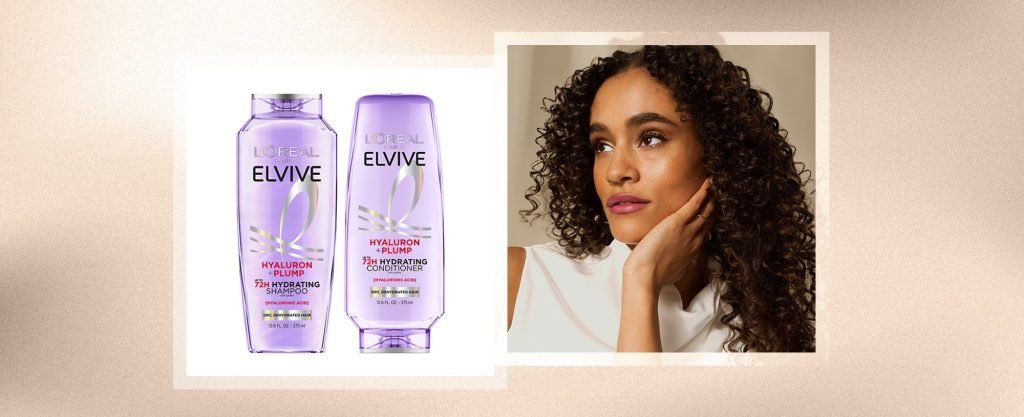
Is your hair feeling rough, brittle, or lifeless? Dry hair can be frustrating, but the good news is you don’t have to live with it.
With the right care, your hair can regain its softness, shine, and strength. You’ll discover simple yet effective ways to nourish and protect your hair every day. Ready to transform your dry hair into the healthy, vibrant locks you deserve?
Keep reading to unlock the secrets to beautiful hair that feels amazing to touch.

Credit: pumphaircare.com
Causes Of Dry Hair
Understanding what causes dry hair is the first step to bringing back its natural shine and softness. Dry hair often feels rough, brittle, and looks dull because it lacks moisture and essential oils. Identifying the root causes can help you choose the right care routine and avoid habits that worsen the problem.
Environmental Factors
Your hair reacts to the world around you more than you might realize. Exposure to harsh sunlight, cold winds, and dry air strips away your hair’s natural oils, leaving it dehydrated. Even pollution particles can cling to your hair, damaging the cuticle and causing dryness.
Have you noticed your hair getting drier after a day outside in the sun or wind? That’s your hair reacting to environmental stress. Wearing a hat or using protective sprays can reduce this damage significantly.
Heat Styling Effects
Using flat irons, curling wands, or blow dryers regularly can dry out your hair quickly. Heat breaks down the hair’s protein structure and evaporates moisture, making strands weak and prone to breakage. Even if you love styling your hair, too much heat can leave it looking lifeless.
Try lowering the temperature on your styling tools or limiting their use to a few times a week. Have you ever skipped heat styling and noticed your hair feels softer the next day? That’s your hair thanking you for the break.
Chemical Treatments
Coloring, perming, and relaxing treatments change your hair’s natural structure by using strong chemicals. These chemicals can strip away moisture and damage the protective outer layer of your hair, leading to dryness and fragility. If you rely on these treatments, your hair needs extra care to stay hydrated.
Consider giving your hair a pause between chemical sessions and focus on deep conditioning. What if you tried natural oils or masks to rebuild moisture after your treatment? Your hair can recover faster than you think.
Nutritional Deficiencies
Your hair’s health depends on the nutrients you get from your diet. Lack of vitamins like A, E, and biotin or minerals such as iron and zinc can make hair dry and brittle. Sometimes, even if you use the best products, your hair struggles because it’s not nourished from within.
Have you checked if your diet supports healthy hair? Adding foods rich in omega-3 fatty acids, leafy greens, and nuts can improve your hair’s moisture naturally. Think of your meals as the foundation for your hair’s strength and shine.
Choosing The Right Shampoo
Choosing the right shampoo can make a huge difference in managing dry hair. Your shampoo should not strip away the natural oils your scalp produces, but instead, help restore moisture and softness. Picking the wrong product can leave your hair feeling brittle and more prone to breakage.
Sulfate-free Options
Sulfates are common cleansing agents that create a rich lather but can be very drying. Choosing a sulfate-free shampoo helps maintain your hair’s natural oils and keeps it hydrated longer. Many people notice their hair feels less frizzy and looks shinier after switching to sulfate-free formulas.
Look for labels that clearly state “sulfate-free” and check ingredients for sodium lauryl sulfate or sodium laureth sulfate. These can be harsh, especially if your hair is already dry or damaged.
Hydrating Ingredients
Shampoos with hydrating ingredients like glycerin, aloe vera, and natural oils provide extra moisture to dry hair. These components attract and lock in water, making your hair feel softer and more manageable.
You might want to try shampoos with ingredients such as argan oil, shea butter, or coconut oil. These nourish your hair deeply and reduce the dryness you experience after washing.
Avoiding Harsh Chemicals
Harsh chemicals like alcohols and synthetic fragrances can aggravate dry hair by stripping away moisture. Even if a shampoo smells nice, it may be doing more harm than good.
Check the ingredient list for alcohol denat, parabens, and artificial dyes. Choosing gentle, natural alternatives can prevent further dryness and scalp irritation.
Effective Conditioning Techniques
Effective conditioning techniques are essential for restoring moisture and softness to dry hair. They help repair damage and protect your hair from further dryness. By choosing the right conditioning method, you can make your hair feel healthier and look shinier every day.
Deep Conditioning Masks
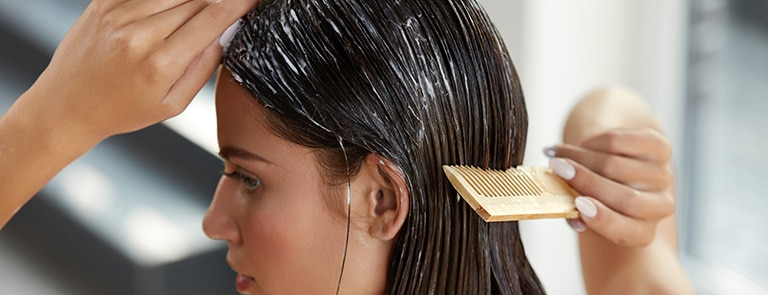
Deep conditioning masks provide intense hydration by penetrating deeply into the hair shaft. You only need to apply these masks once or twice a week, leaving them on for 15 to 30 minutes for best results.
Look for masks containing ingredients like shea butter, keratin, or avocado oil. These nourish your hair and reduce breakage. Have you tried leaving a mask on overnight? It’s a game changer for extreme dryness.
Leave-in Conditioners
Leave-in conditioners offer continuous moisture throughout the day without weighing your hair down. Spray or apply a small amount on damp hair to detangle and smooth frizz.
Choose lightweight formulas with ingredients like aloe vera or glycerin. They keep your hair hydrated and manageable between washes. What’s your experience with leave-ins—do you feel they make a real difference?
Natural Oils For Moisture
Natural oils like coconut, argan, and jojoba oil lock in moisture and add shine. Apply a few drops to the ends of your hair after washing or before styling to prevent dryness.
These oils also protect your hair from heat damage and environmental stress. Experiment with different oils to find what suits your hair type best. Have you noticed how a simple oil treatment can transform dull hair overnight?
Daily Hair Care Habits
Taking care of dry hair every day can make a big difference in how healthy and soft your hair feels. Simple daily habits can help you protect your strands from damage and keep moisture locked in. Think about your current routine—are you treating your hair gently enough to avoid breakage and dryness?
Gentle Brushing Tips
Brushing dry hair roughly can cause split ends and breakage. Use a wide-tooth comb or a brush with soft bristles to detangle your hair, starting from the ends and slowly working your way up.
Avoid brushing your hair when it’s wet as it is more fragile then. Instead, gently finger-comb or use a wide-tooth comb to reduce pulling and damage.
Limiting Heat Exposure
Heat styling tools like straighteners and curling irons strip moisture from your hair, making dryness worse. Try to limit the use of these tools to special occasions rather than daily styling.
If you do use heat, always apply a heat protectant spray or serum to shield your hair from damage. Also, opt for the lowest heat setting that still gives you the desired style.
Protective Hairstyles
Wearing your hair down all day can expose it to environmental stressors that dry it out. Protective hairstyles like braids, buns, or twists help shield your hair from friction and loss of moisture.
These styles also reduce the need for constant brushing and heat styling, giving your hair a chance to recover and stay hydrated.
Diet And Hydration For Hair Health
Healthy hair starts from within. Eating the right foods and drinking enough water supports hair moisture and strength. Dry hair often signals poor nutrition or dehydration. Focusing on diet and hydration helps restore hair’s natural shine and softness.
Foods That Nourish Hair
Certain foods provide essential nutrients for hair health. Protein-rich foods supply building blocks for strong hair strands. Vitamins and minerals protect hair from damage and dryness.
- Eggs: Full of protein and biotin, important for hair growth.
- Spinach: Contains iron and vitamins A and C to nourish scalp and hair.
- Salmon: Rich in omega-3 fatty acids that help keep hair hydrated.
- Sweet potatoes: High in beta-carotene, which converts to vitamin A for scalp health.
- Nuts and seeds: Packed with vitamin E and zinc, which support hair repair.
Importance Of Water Intake
Water keeps hair hydrated from the inside out. Dehydration leads to brittle, dry strands. Drinking enough water improves hair elasticity and reduces breakage. Aim for at least eight glasses daily. Herbal teas and water-rich fruits also help maintain moisture balance.
Credit: www.hollandandbarrett.com
Home Remedies For Dry Hair
Dry hair often feels rough, brittle, and hard to manage. You might be surprised that the solution doesn’t always lie in expensive products. Many natural ingredients found right in your kitchen can restore moisture and shine effectively.
Avocado And Honey Mask
Avocado is packed with healthy fats and vitamins that nourish dry hair deeply. Mixing it with honey adds extra moisture, thanks to honey’s natural humectant properties.
Simply mash one ripe avocado and blend it with two tablespoons of honey. Apply this mask to your hair and leave it on for 20 minutes before rinsing. Your hair will feel softer and look healthier after just a few treatments.
Coconut Oil Treatments
Coconut oil penetrates the hair shaft and prevents protein loss, which is key for dry hair repair. Use it as a pre-wash treatment by warming a small amount and massaging it into your scalp and strands.
Leave it on for at least 30 minutes or overnight for intense hydration. You’ll notice your hair becomes less frizzy and easier to style.
Aloe Vera Benefits
Aloe vera gel soothes the scalp and hydrates hair without leaving it greasy. It contains enzymes that help repair dead skin cells on your scalp, promoting healthier hair growth.
Apply fresh aloe vera gel directly to your scalp and hair, then rinse after 30 minutes. Regular use can reduce itchiness and dryness significantly.
When To See A Professional
Knowing when to seek professional help for dry hair is important. Some damage needs expert care to restore hair health. Early action can prevent further harm and improve results.
Signs Of Severe Damage
- Hair breaks easily and feels rough.
- Split ends appear frequently.
- Hair looks dull, lifeless, and brittle.
- Scalp feels itchy or flaky.
- Hair loses its natural shine and softness.
- Hair tangles excessively and is hard to comb.
These signs show that home care may not be enough. Professional help can diagnose and treat the root problem.
Consulting A Trichologist
A trichologist is a hair and scalp specialist. They examine hair health closely and find underlying issues. They suggest treatments tailored to your hair type and damage level.
Trichologists can recommend diet changes, scalp care, and proper hair products. They provide advice beyond basic hair care routines.
Salon Treatments For Repair
Salons offer deep conditioning and protein treatments for dry hair. These treatments strengthen hair and restore moisture.
Keratin treatments smooth frizz and improve hair texture. Scalp treatments reduce dryness and irritation.
Professional trims remove split ends safely and encourage healthy growth. Regular salon visits support long-term hair health.

Credit: westvibe.com
Frequently Asked Questions
What Causes Dry Hair And Scalp?
Dry hair and scalp result from lack of moisture, harsh weather, over-washing, heat styling, and chemical treatments. These factors strip natural oils, leading to dryness and brittleness.
How Often Should I Wash Dry Hair?
Washing dry hair 2-3 times a week is ideal to retain natural oils. Over-washing can worsen dryness by removing essential moisture.
Which Products Are Best For Dry Hair Care?
Use sulfate-free shampoos, hydrating conditioners, and nourishing hair masks. Look for ingredients like argan oil, shea butter, and aloe vera for hydration.
Can Heat Styling Damage Dry Hair Further?
Yes, frequent heat styling can damage dry hair by causing breakage and split ends. Use heat protectants and limit heat exposure to protect hair health.
Conclusion
Dry hair needs regular care and attention. Use gentle, hydrating shampoos and conditioners. Avoid excessive heat styling to prevent damage. Incorporate natural oils like coconut or argan for moisture. Regular trims help remove split ends. Consider deep conditioning treatments weekly for added nourishment.
Stay hydrated by drinking plenty of water. A balanced diet rich in vitamins supports healthy hair. Protect hair from sun exposure with hats or scarves. Consistent care ensures hair stays soft and manageable. Embrace these simple tips for healthier, vibrant hair.
Your hair will thank you with a natural shine and bounce.
