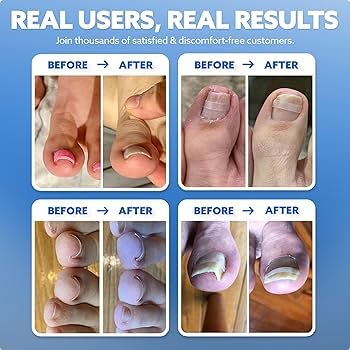
Experiencing a nail removal can be daunting, but knowing how to care for your toe afterward can make all the difference in your recovery. Imagine feeling confident and at ease, knowing that each step you take is towards healing and comfort.
You might be wondering, how do you ensure your toe heals properly and avoid any complications? This article will guide you through essential steps to care for your toe after nail removal, ensuring a smooth recovery process. Stay with us to uncover tips that not only safeguard your health but also offer peace of mind.
Let’s dive into the practical advice that will empower you to handle your recovery like a pro.
Credit: health.clevelandclinic.org
Immediate Actions After Nail Removal
Right after your nail removal, how you handle the first few hours can shape the entire healing process. Immediate care is crucial to prevent infection, control pain, and set your toe on the path to recovery. Let’s look at some practical steps you can take right away.
Managing Bleeding And Pain
It’s normal to experience some bleeding and discomfort once the nail is removed. Apply gentle pressure with a clean gauze pad to stop the bleeding. If the bleeding doesn’t slow down after 10 to 15 minutes, seek medical advice immediately.
For pain, over-the-counter painkillers like ibuprofen or acetaminophen can help. Avoid aspirin as it may increase bleeding. Remember, pain signals that your body is healing, but it shouldn’t be overwhelming or constant. If pain worsens or becomes unbearable, consult your healthcare provider.
Proper Dressing Techniques
Keeping the wound clean and covered is essential. Use a sterile, non-stick dressing to protect the exposed area. Change the dressing daily or whenever it becomes wet or dirty to prevent infection.
Be gentle when removing or applying new dressings. Pulling off adhesive too quickly can reopen the wound or cause pain. Using medical tape or a wrap that allows your skin to breathe can make a big difference in comfort.
Rest And Elevation
Resting your foot immediately after nail removal helps reduce swelling and discomfort. Try to keep your toe elevated above heart level as often as possible during the first 24 to 48 hours.
This simple action encourages blood flow away from the injured area and limits throbbing pain. Ask yourself: Are you giving your toe the break it needs, or are you rushing back into activity too soon?

Credit: acehealthcentre.com
Daily Care Routine
Following a daily care routine after toe nail removal is vital for fast healing. It helps reduce pain and stops infection. Consistency and gentle handling protect the wound and promote recovery.
Cleaning The Wound
Keep the wound clean by rinsing it gently with warm water. Use mild soap around the area but not inside the wound. Pat dry with a clean towel or let it air dry. Avoid scrubbing or using harsh chemicals. Clean the wound twice a day or as your doctor advises.
Changing The Dressing
Change the dressing daily to keep the wound covered and protected. Wash your hands before touching the wound or dressing. Use sterile gauze and medical tape for a secure cover. Remove the old dressing carefully to avoid pain or damage. Check for signs of bleeding or swelling while changing the dressing.
Avoiding Infection
- Keep the foot elevated to reduce swelling and improve blood flow.
- Wear open-toed shoes or loose footwear to avoid pressure on the wound.
- Do not soak the foot in water until fully healed.
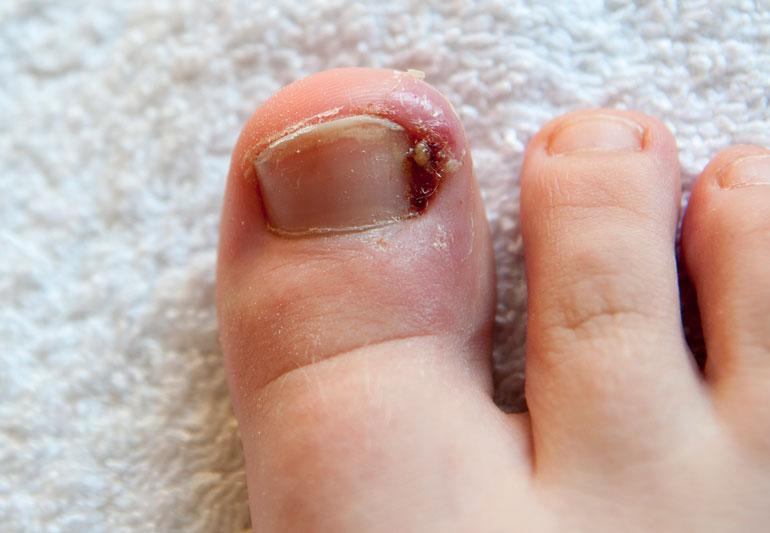
- Watch for redness, warmth, or pus, which may indicate infection.
- Contact a doctor immediately if you notice increased pain or unusual discharge.
Pain And Swelling Control
After nail removal, controlling pain and swelling is important for comfort and healing. The toe may feel sore and look puffy. Managing these symptoms helps you move and rest better.
Simple steps can reduce discomfort and prevent complications. Taking care of your toe properly speeds recovery.
Using Medication Safely
Use pain relievers as directed by your doctor. Over-the-counter medicines like ibuprofen or acetaminophen reduce pain and swelling. Never take more than the recommended dose.
Keep track of the time you take each dose. Avoid mixing different painkillers without advice. Inform your healthcare provider about any allergies or other medicines you take.
Cold Compress Benefits
Apply a cold compress to your toe to lower swelling. Wrap ice or a cold pack in a towel. Place it on the toe for 15 to 20 minutes at a time.
Do this several times a day, especially in the first 48 hours. Cold helps numb pain and slows blood flow to the area. Avoid direct contact between ice and skin to prevent frostbite.
When To Seek Medical Help
Check your toe often for signs of infection or serious issues. Visit a doctor if you notice:
- Severe or increasing pain that does not improve
- Redness spreading beyond the toe
- Swelling that worsens after 3 days
- Fever or chills
- Drainage with bad smell or pus
Early treatment prevents complications and helps your toe heal well.

Credit: www.youtube.com
Activity And Footwear Guidelines
After nail removal, how you manage your daily activities and footwear plays a crucial role in your healing process. Taking the right steps can reduce pain, prevent infection, and speed up recovery. It’s important to be mindful of your movements and choose shoes that offer both protection and comfort.
Limiting Physical Activities
Rest is key during the first few days after nail removal. Avoid activities that put pressure on your toe, such as running, jumping, or prolonged standing. Even simple tasks like walking long distances can slow healing or cause bleeding.
Think about your schedule—can you rearrange your day to sit more or elevate your foot? Elevation reduces swelling and discomfort, helping your toe heal faster. Listen to your body; if you feel pain or throbbing, it’s a sign to ease off.
Choosing Comfortable Shoes
Selecting the right footwear can make a big difference. Opt for open-toed shoes or sandals that don’t squeeze your toe. Avoid tight, closed shoes or those with a narrow toe box that can irritate the wound.
Shoes with soft, breathable materials help keep the area dry and prevent infection. If you must wear closed shoes, pick ones with adjustable straps or roomy designs. Your priority should be minimizing pressure while keeping the toe clean.
Protecting The Toe During Healing
Shielding your toe from accidental bumps or dirt is essential. Use a clean, loose bandage or a protective toe cap when moving around. This simple step helps prevent injury and keeps the healing area sterile.
Consider using cushioned insoles to reduce impact when walking. Are you careful about the surfaces you walk on? Avoid rough or uneven ground that might cause your toe to catch or twist.
Remember, how you treat your toe now affects how well it recovers. Taking these guidelines seriously can save you from complications later.
Signs Of Complications
After nail removal, monitoring your toe is very important. Signs of complications may appear and need quick attention. Early detection helps avoid serious problems and speeds up recovery.
Infection Indicators
- Redness spreading beyond the wound
- Increased pain or throbbing
- Swelling that worsens over time
- Discharge that is yellow, green, or foul-smelling
- Warmth around the toe
- Fever or chills
Delayed Healing Symptoms
- Wound not closing after several days
- Persistent bleeding or oozing
- Skin around the area remains raw or broken
- Scab falling off too soon
- New or increased pain after initial improvement
When To Consult A Doctor
- Signs of infection appear
- Wound shows no improvement after a week
- Severe or worsening pain
- Sudden swelling or discoloration
- Fever above 100.4°F (38°C)
- Any unusual symptoms causing concern
Long-term Care And Nail Regrowth
After nail removal, caring for your toe in the long term is key to ensuring healthy nail regrowth and preventing future problems. It takes patience and attention to detail, but the results can keep your toe strong and looking good. How you treat your toe now will directly affect how well your nail grows back and how resilient it becomes.
Promoting Healthy Nail Growth
Keep your toe clean and moisturized to support skin and nail bed health. Use a gentle, fragrance-free lotion or ointment to avoid irritation.
Protect your toe from harsh chemicals and excessive water exposure, which can slow down healing and damage new growth.
Eating a balanced diet rich in vitamins like biotin, zinc, and vitamin E can speed up nail regrowth. Have you considered adding nuts, eggs, or leafy greens to your meals for stronger nails?
Avoiding Future Injuries
Wearing properly fitting shoes is crucial. Tight shoes can cause pressure and damage the new nail as it grows.
Try to avoid activities that put direct trauma on your toe until the nail has fully regrown. If you play sports, use protective footwear or padding.
Keep your toenails trimmed straight across once they start growing. This helps prevent ingrown nails, which can lead to infections and more damage.
Follow-up Care Tips
Schedule regular check-ups with your healthcare provider to monitor healing progress and nail regrowth. They can spot problems early and offer advice tailored to your situation.
Be alert for signs of infection like redness, swelling, or unusual discharge, and seek medical help immediately if these occur.
Remember, nail regrowth can take several months. Patience and consistent care are your best tools. How often do you check on your nail’s progress?
Frequently Asked Questions
How Should I Clean My Toe After Nail Removal?
Clean your toe gently with mild soap and water. Avoid scrubbing and use a clean towel to pat dry. Keep the area dry to prevent infection. Follow your doctor’s specific cleaning instructions carefully for best healing results.
When Can I Change The Bandage After Nail Removal?
Change the bandage daily or when it becomes wet or dirty. Always wash your hands before and after changing the dressing. Use sterile gauze and avoid tight wrapping. Proper bandage care helps protect the wound and speeds up healing.
What Pain Relief Is Recommended After Toe Nail Removal?
Over-the-counter pain relievers like ibuprofen or acetaminophen help reduce pain and inflammation. Follow the dosage instructions carefully. Applying ice packs for 15 minutes can also ease discomfort. Consult your doctor if pain worsens or persists beyond a few days.
How Long Does It Take For A Toe To Heal Post Nail Removal?
Healing usually takes 2 to 4 weeks depending on the individual. Avoid strenuous activities and keep the toe elevated to reduce swelling. Follow your healthcare provider’s advice for care to ensure smooth recovery without complications.
Conclusion
Caring for your toe after nail removal helps it heal well. Keep the area clean and dry to avoid infection. Change dressings as your doctor advises. Rest and avoid putting pressure on your toe. Watch for signs of redness, swelling, or pain.
Take medicines exactly as prescribed. Healing takes time—be patient with your body. Following these steps supports quick and safe recovery. Your toe will feel better with proper care. Stay mindful and gentle with your healing toe.
