Are you considering a hair transplant or have you recently undergone one? Congratulations on taking a significant step towards achieving the look you’ve always wanted.
But wait, the journey isn’t over yet. The real magic happens after the surgery, during the recovery process. How you care for your new hair can make all the difference in the success of your transplant. Imagine waking up each day with fuller, healthier hair, confident that you’ve given your investment the best chance to thrive.
We’ll guide you through the essential care tips and tricks to ensure your hair transplant is a success. Let’s dive in and discover how to nurture your new hair with care and attention.

Credit: www.hermestclinic.com
Post-surgery Hygiene
Maintaining proper hygiene after your hair transplant surgery is crucial for a smooth recovery and optimal results. Careful attention to cleanliness helps prevent infection and supports the healing process. How you wash and protect your scalp in the days following surgery can make all the difference.
Gentle Washing Techniques
After surgery, your scalp is sensitive and needs gentle care. Use lukewarm water and a mild, non-fragrant shampoo recommended by your doctor. Avoid rubbing or scratching the transplanted area; instead, lightly pat or let water flow over your scalp.
Try using your fingertips to softly massage shampoo into your scalp without applying pressure. This avoids disturbing the new grafts. Rinse thoroughly but gently, and pat dry with a soft towel—never rub.
Avoiding Contamination
Your healing scalp is vulnerable to bacteria and dirt. Keep your hands clean and avoid touching the transplanted area unnecessarily. If you must touch your scalp, wash your hands thoroughly first.
Change pillowcases daily and avoid environments with dust or pollution. Steer clear of swimming pools and public gyms until your doctor clears you. These precautions minimize infection risk and protect the delicate grafts.
Managing Discomfort
Managing discomfort after a hair transplant is key for a smooth recovery. Some pain and swelling are normal but can be controlled. Taking care early helps you feel better and protects the new hair grafts. Follow simple steps to ease your discomfort and support healing.
Pain Relief Options
Pain after surgery is usually mild. Over-the-counter painkillers like ibuprofen or acetaminophen often work well. Avoid aspirin since it can increase bleeding. Use medications exactly as the doctor advises.
Cold compresses on the forehead (not on the grafts) can reduce pain. Rest and avoid touching your scalp to prevent irritation. If pain worsens or lasts more than a few days, contact your doctor.
Reducing Swelling
Swelling around the forehead and eyes happens within 2-3 days after surgery. Keep your head elevated, even while sleeping. Use extra pillows or a recliner to reduce fluid buildup.
Applying a cold compress gently around the forehead helps limit swelling. Avoid pressing on the transplanted area. Drink plenty of water to flush out toxins. Avoid heavy exercise or bending over, as these increase swelling.
Protecting Transplanted Area
Protecting the transplanted area after hair transplant surgery is crucial for good healing and optimal hair growth. The new grafts are delicate and need careful handling. Avoid actions that can harm the scalp or disrupt the healing process. Simple habits can help keep the area safe and support recovery.
Avoiding Sun Exposure
Sunlight can damage the healing scalp and slow recovery. Direct sun can cause redness and irritation. It may also affect graft survival negatively. Limit time in the sun, especially during peak hours.
- Wear a loose, breathable hat outdoors.
- Use a gentle sunscreen recommended by your doctor.
- Stay in shaded areas when possible.
Preventing Physical Trauma
The transplanted area is sensitive and prone to injury. Avoid touching, scratching, or rubbing the scalp. Be gentle when washing or drying hair.
- Sleep with your head elevated to reduce swelling.
- Avoid tight hats or helmets that press on the scalp.
- Keep away from activities with risk of scalp impact.
- Follow your surgeon’s instructions on cleaning carefully.
Diet And Hydration
Proper diet and hydration play key roles in recovery after a hair transplant. Eating the right foods helps your body heal faster. Drinking enough water supports healthy skin and hair growth. Both together create a strong foundation for your new hair follicles to thrive.
Foods That Promote Healing
Focus on foods rich in vitamins and minerals. These nutrients help repair tissues and boost hair growth.
- Protein: Eggs, chicken, fish, and beans provide essential building blocks for hair.
- Vitamin C: Citrus fruits, strawberries, and bell peppers aid collagen production.
- Iron: Spinach, lentils, and red meat improve blood flow to the scalp.
- Zinc: Nuts, seeds, and dairy support cell repair and immune function.
- Omega-3 fatty acids: Salmon, walnuts, and flaxseeds reduce inflammation and nourish follicles.
Importance Of Staying Hydrated
Water keeps your scalp moist and healthy. It helps flush out toxins and delivers nutrients to hair roots.
Drink at least 8 glasses of water daily. Avoid sugary drinks and caffeine that can dehydrate you.
Hydration supports skin elasticity and reduces itchiness or dryness after surgery.
Activity Restrictions
After a hair transplant surgery, following strict activity restrictions is essential to protect your new grafts and ensure the best possible healing. Your scalp is sensitive, and certain movements or environments can disrupt the delicate process of hair follicle integration. Understanding what activities to avoid can make a significant difference in your recovery timeline and overall results.
Limiting Physical Exercise
Exercise increases blood flow and sweat, which might irritate your scalp or loosen the grafts. Avoid intense workouts like running, weightlifting, or any activity that raises your heart rate significantly for at least two weeks. Even simple activities like bending over or heavy lifting can strain your scalp and should be minimized.
During my own recovery, I found that gentle walking helped maintain my fitness without risking the grafts. Have you thought about how your usual workout routine might affect your healing?
Avoiding Swimming And Saunas
Swimming pools, hot tubs, and saunas expose your scalp to moisture, heat, and chemicals that can harm the new hair grafts. Chlorine and saltwater can cause irritation and increase the risk of infection. It’s best to stay away from these environments for at least a month after surgery.
Remember, even steam from a sauna can open your pores and make your scalp more vulnerable. Have you considered how these common relaxation activities might impact your hair transplant results?

Credit: hairreplacementsurgeon.com
Medications And Topicals
Medications and topicals play a key role in the healing process after a hair transplant. They help prevent infection and support new hair growth. Using them correctly ensures the best results and a smooth recovery.
Using Prescribed Antibiotics
Doctors often prescribe antibiotics after surgery to stop infections. Take the full course as directed, even if the area looks healed. Missing doses can slow healing or cause complications. Keep the scalp clean and avoid touching the treated area too much. This reduces the risk of germs entering the wounds.
Applying Growth Serums
Growth serums help stimulate hair follicles and improve hair density. Apply the serum gently using clean hands or a dropper. Avoid rubbing or scratching the scalp to protect new grafts. Use the serum only as often as your doctor advises. Overuse may cause irritation or dryness.
Monitoring Healing Progress
Monitoring healing progress after a hair transplant is vital for a smooth recovery. Careful observation helps catch any problems early. It also ensures the new hair follicles grow well. Pay close attention to your scalp’s condition each day. Note any changes in redness, swelling, or discomfort. Keeping track helps you respond quickly to any issues.
Identifying Signs Of Infection
Infections can happen after surgery. Watch for these signs:
- Increased redness around the transplant area
- Swelling that does not go down
- Pain that gets worse over time
- Pus or unusual discharge from the scalp
- Fever or chills
Not all redness or swelling means infection. Some are normal parts of healing. Still, be alert and ready to act.
When To Contact Your Doctor
Call your doctor if you notice:
- Severe or increasing pain
- Signs of infection listed above
- Bleeding that does not stop
- Unusual symptoms like dizziness or nausea
- Any concern about your healing process
Early contact helps prevent bigger problems. Don’t wait to seek medical advice.

Credit: clinmedica.com
Frequently Asked Questions
How Should I Care For My Scalp After Hair Transplant?
Keep your scalp clean and dry for the first week. Avoid touching or scratching transplanted areas. Use mild shampoo as advised by your doctor. Follow all post-operative instructions carefully to promote healing and prevent infection.
When Can I Wash My Hair Post-transplant Surgery?
You can usually wash your hair gently after 48 to 72 hours. Use lukewarm water and a gentle shampoo recommended by your surgeon. Avoid rubbing or applying pressure on the grafts to protect new hair follicles.
What Activities Should I Avoid After Hair Transplant?
Avoid strenuous exercise, heavy lifting, and swimming for at least two weeks. Keep away from direct sunlight and avoid wearing hats tightly. These precautions help prevent graft displacement and support proper healing.
How Long Does It Take For Transplanted Hair To Grow?
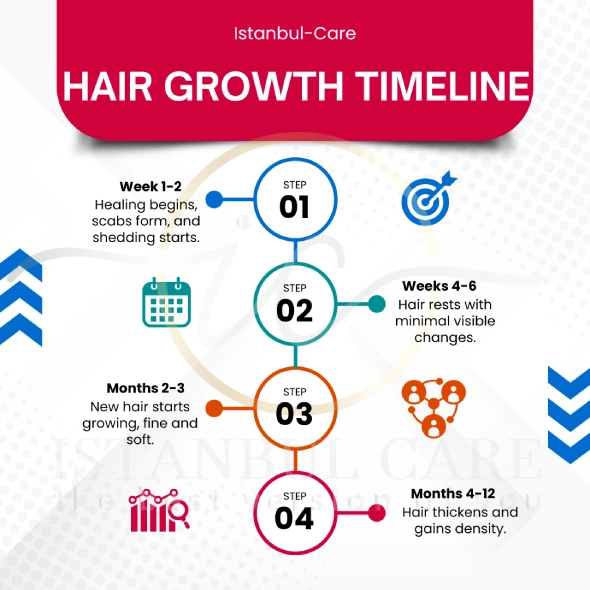
New hair usually starts growing within 3 to 4 months. Full growth can take 9 to 12 months. Patience is key, as hair follicles need time to establish and produce healthy hair.
Conclusion
Taking good care after hair transplant surgery helps your hair grow strong. Follow all doctor’s instructions carefully to avoid problems. Keep your scalp clean and avoid touching it too much. Rest well and avoid heavy exercise for a few days.
Use the right shampoo and medicine as advised. Patience is key; new hair takes time to appear. Staying consistent with care leads to better, lasting results. Your effort today brings healthy hair tomorrow. Trust the process and stay positive through recovery.
