You’ve just taken the plunge and bleached your hair, unveiling a bold new look. But as you admire your reflection, a pressing question lingers: how do you maintain this vibrant transformation without compromising your hair’s health?
Bleaching can leave your strands thirsty and fragile, making aftercare crucial. Imagine running your fingers through hair that feels just as good as it looks, with each strand strong and hydrated. We’ll guide you through simple, effective steps to keep your bleached hair looking stunning and feeling soft.
Ready to discover the secrets to luscious locks post-bleach? Let’s dive in.

Credit: www.reddit.com
Immediate Post-bleaching Care
Immediate care after bleaching is crucial to protect your hair. Bleaching weakens hair strands and makes them prone to damage. Proper care helps restore moisture and strength. It also reduces breakage and frizz. Follow these simple steps right after bleaching to keep your hair healthy and shiny.
Rinsing And Washing Guidelines
Rinse your hair thoroughly with cool water after bleaching. Cool water helps close the hair cuticles and locks in moisture. Avoid hot water as it can dry out your hair. Wait at least 48 hours before washing your hair with shampoo. Use lukewarm water and a gentle shampoo designed for damaged hair. Avoid scrubbing your scalp harshly. Pat your hair dry with a soft towel instead of rubbing.
Avoiding Heat Styling
Heat styling tools can worsen hair damage after bleaching. Stay away from blow dryers, curling irons, and straighteners for at least one week. Let your hair air dry naturally. If you must use heat, apply a heat protectant spray first. Keep the temperature low to prevent further drying and breakage. Giving your hair a break helps it recover faster.
Using Mild Hair Products
Choose shampoos and conditioners with gentle formulas. Avoid products with sulfates, alcohol, and strong fragrances. These ingredients strip moisture and irritate the scalp. Look for products labeled for color-treated or damaged hair. Deep conditioning treatments are helpful to restore softness and strength. Use leave-in conditioners or hair oils to add extra hydration.
Moisturizing And Hydrating
Bleached hair loses natural moisture and becomes dry and fragile. Moisturizing and hydrating your hair helps restore softness and shine. It also protects hair from breakage and damage. Use rich products that add moisture without weighing hair down.
Deep Conditioning Treatments
Deep conditioning treatments repair and nourish bleached hair. Use a rich conditioner once or twice a week. Apply it from roots to ends. Leave it on for 15 to 30 minutes. Use a shower cap to keep heat in. Rinse with cool water to seal moisture inside.
Leave-in Conditioners And Oils
Leave-in conditioners keep hair hydrated all day. Spray or apply a small amount on damp hair. Oils like argan or coconut add extra moisture and shine. Use a few drops to smooth dry ends. Avoid applying too much near the scalp to prevent greasiness.
Hydrating Hair Masks
Hydrating hair masks boost moisture and repair damage quickly. Use a mask once a week for best results. Choose masks with natural oils, proteins, and vitamins. Spread evenly on clean, damp hair. Leave for 20-30 minutes before rinsing thoroughly. Your hair will feel softer and stronger.
Protecting Hair From Damage
Bleached hair needs extra care to stay healthy and strong. The bleaching process removes natural oils and weakens the hair structure. Protecting hair from damage helps keep it soft and shiny. Simple daily habits can reduce breakage and dryness.
Minimizing Sun Exposure
Sunlight can dry out bleached hair quickly. UV rays break down hair proteins and cause color fading. Wear hats or scarves when outside for long times. Use hair products with UV protection to shield strands. Avoid direct sun during peak hours to keep hair healthy.
Avoiding Chlorine And Saltwater
Chlorine in pools and saltwater from the ocean can damage bleached hair. Both strip moisture and make hair brittle. Rinse hair with clean water before swimming to reduce absorption. Use a swim cap if possible. After swimming, wash hair with gentle shampoo to remove chemicals.
Using Heat Protectants
Heat styling tools harm bleached hair more than natural hair. Heat protectant sprays form a barrier on the hair surface. Apply protectant before blow drying, straightening, or curling. Choose products with moisturizing ingredients to avoid extra dryness. Limit heat use to maintain hair strength and shine.
Maintaining Scalp Health
Maintaining scalp health is crucial after bleaching your hair. Bleaching can strip away natural oils and cause sensitivity, so treating your scalp with care helps prevent dryness, itching, and irritation. Healthy scalp care supports stronger hair growth and keeps your hair looking vibrant longer.
Gentle Scalp Cleansing
Use a mild, sulfate-free shampoo to clean your scalp without stripping away moisture. Harsh shampoos can worsen dryness and cause flakiness, making your scalp uncomfortable. Try massaging your scalp softly with fingertips rather than nails to stimulate blood flow and avoid micro-injuries.
Consider shampoos with natural ingredients like aloe vera or chamomile, which calm and hydrate the scalp. If you notice buildup, use a gentle exfoliating scalp scrub once a week to remove dead skin cells carefully.
Soothing Irritation
If your scalp feels itchy or inflamed after bleaching, soothing treatments are essential. Applying a cool compress can reduce redness and calm irritation instantly. You might find relief using natural oils such as coconut or jojoba, which moisturize without clogging pores.
Over-the-counter hydrocortisone creams can help in more severe cases, but avoid prolonged use without consulting a dermatologist. Have you ever felt that burning sensation after washing your hair? That’s a sign to switch to gentler products and give your scalp a break.
Avoiding Overwashing
Washing your hair too often can dry out your scalp and strip away protective oils. Aim to wash your hair 2–3 times a week to maintain a healthy balance of moisture. On non-wash days, you can rinse your scalp with water or use a scalp mist to refresh without over-cleansing.
Remember, less frequent washing allows your scalp to recover and reduces the chance of irritation. How often do you wash your hair? You might be surprised how much your scalp benefits from a little extra time between washes.
Regular Trims And Haircuts
Regular trims and haircuts are essential after bleaching your hair to keep it looking healthy and vibrant. Bleaching weakens your strands, making them prone to damage and breakage. Scheduling consistent trims helps you manage the damage and maintain a fresh appearance.
Preventing Split Ends
Split ends can quickly make bleached hair look unhealthy and frizzy. Trimming your hair every 6 to 8 weeks removes damaged ends before they split further up the strand. This simple step stops the damage from traveling, preserving the strength of your hair.
Think about how often you notice split ends after bleaching. Would cutting off just a small amount regularly save you from bigger hair problems? Trims might feel like losing length, but they actually protect your hair from breaking off in chunks.
Promoting Hair Growth
Although trimming doesn’t directly speed up hair growth, it creates the right conditions for your hair to grow longer and stronger. Removing damaged ends prevents breakage, so your hair retains more length over time. Healthy ends mean less snapping, which means more noticeable growth.
Consider this: if your hair breaks faster than it grows, how long will it really get? Regular haircuts help you keep your hair in a condition that supports growth. Add this habit to your hair care routine, and you’ll see a difference in your hair’s overall health and length.

Credit: www.sittingprettyhalohair.com
Choosing The Right Hair Products
Choosing the right hair products after bleaching is essential to keep your hair healthy and vibrant. Bleached hair tends to be fragile and dry, so the products you use should support repair and moisture without stripping away color or natural oils. Picking the wrong shampoo or treatment can lead to breakage or dullness, so it’s important to understand what ingredients to look for and which to avoid.
Sulfate-free Shampoos
Sulfates can be harsh on bleached hair, stripping away moisture and causing color to fade faster. Choosing a sulfate-free shampoo helps maintain your hair’s natural oils and keeps your bleach job looking fresh longer.
Look for gentle cleansers that foam well but don’t dry out your scalp or strands. I switched to a sulfate-free shampoo after bleaching, and noticed my hair stayed softer and the color lasted weeks more than before.
Protein-infused Treatments
Bleaching breaks down the protein structure in your hair, making protein-rich treatments a must-have. These treatments rebuild strength, reduce breakage, and improve elasticity.
Products containing keratin, collagen, or silk proteins can help fill in gaps in your hair’s cuticle. Using a protein treatment once a week gave my hair a noticeable boost in resilience and shine—have you tried one yet?
Color-safe Formulas
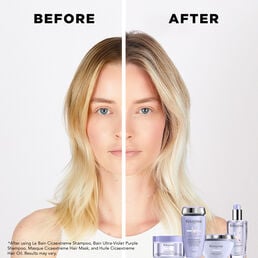
Not all products are created equal when it comes to preserving hair color. Color-safe formulas are designed to protect your bleach from fading and dullness caused by washing and environmental factors.
Check labels for terms like “color-protecting” or “color-safe” and avoid heavy silicones that can weigh hair down. These products keep your hair looking bright and fresh longer, saving you time and money on touch-ups.
Credit: www.kerastase-usa.com
Frequently Asked Questions
How Soon Can I Wash My Hair After Bleaching?
Wait at least 48 hours before washing your hair after bleaching. This allows the scalp to recover and the color to set properly. Use a gentle, sulfate-free shampoo to avoid stripping moisture and damaging your hair further.
What Products Are Best For Bleached Hair Care?
Use hydrating shampoos, conditioners, and deep masks designed for bleached hair. Look for products rich in keratin, argan oil, or shea butter to restore moisture and strength. Avoid harsh chemicals and heat styling to prevent damage.
How Often Should I Moisturize Bleached Hair?
Moisturize bleached hair every 2-3 days to maintain softness and prevent dryness. Use leave-in conditioners and hair oils regularly. Deep condition once a week to nourish and repair damaged strands effectively.
Can I Use Heat Styling On Bleached Hair?
Limit heat styling on bleached hair to prevent breakage and dryness. Always use a heat protectant spray before styling. Opt for air-drying or low-heat settings to minimize damage and maintain hair health.
Conclusion
Caring for bleached hair keeps it healthy and strong. Use gentle shampoos and conditioners often. Avoid heat styling to prevent damage. Moisturize hair regularly to stop dryness. Protect hair from sun and chlorine. Trim split ends to maintain smoothness. Patience and care help your hair heal.
Follow these tips for soft, shiny hair. Your hair will thank you with better health.
